
Deep Dive
The Celluloid Underworld: Unearthing the Primal Weirdness of Cinema’s First Century of Outcasts

“A deep dive into the transgressive roots of cult cinema, exploring how early 20th-century anomalies and forgotten gems forged the blueprint for modern niche obsession.”
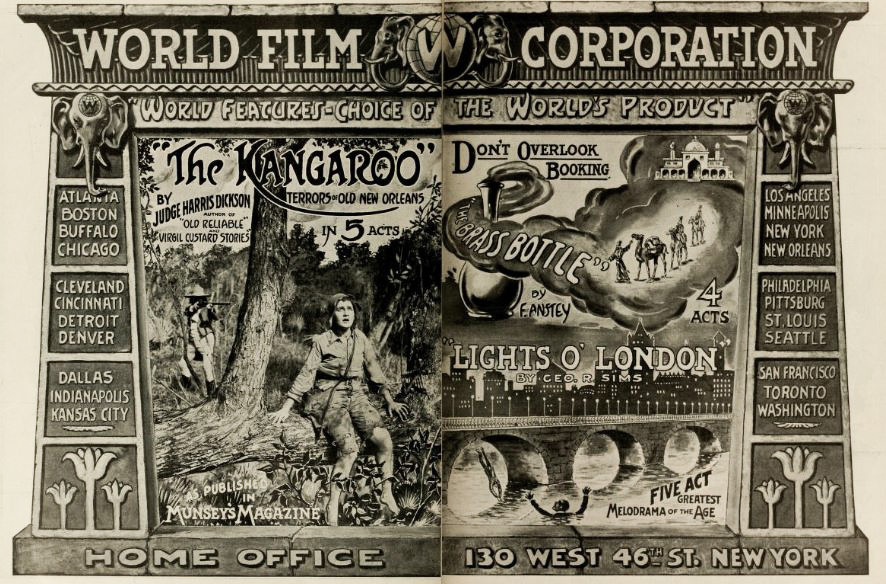
The term "cult cinema" often evokes images of midnight screenings of 1970s camp or the neon-soaked transgression of the 1980s. However, the genetic blueprint of the cinematic outcast was drafted much earlier, in the flickering shadows of the silent era and the early talkies. This was an era of profound experimentation, where the lack of established genre boundaries allowed for a peculiar brand of narrative anarchy. To understand the modern obsession with the strange, the forgotten, and the transgressive, we must venture into the celluloid underworld of the 1910s and 1920s—a period where films like Homunculus and The Brass Bottle were already pushing the limits of the human imagination.
The Genesis of the Cinematic Anomaly
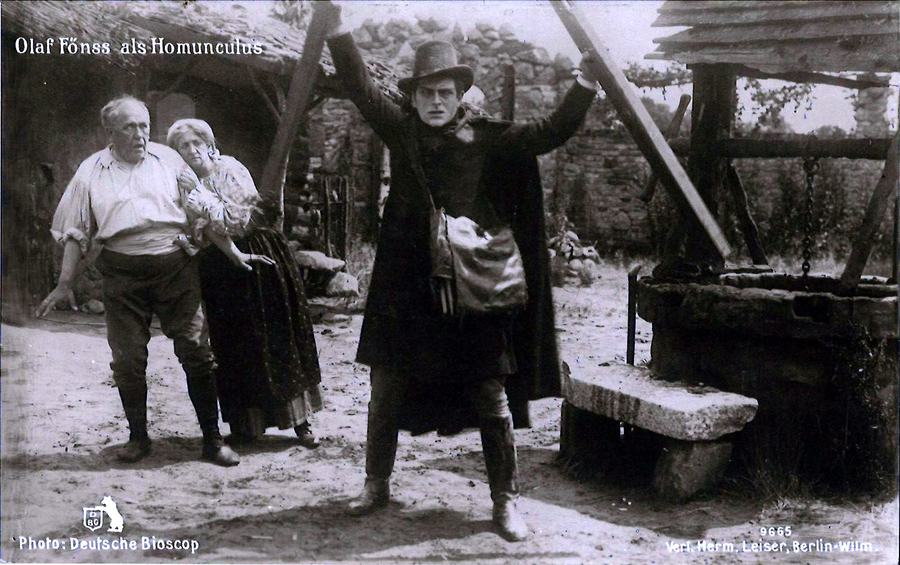
Cult cinema is defined by its relationship with its audience. It is not merely watched; it is worshipped, dissected, and reclaimed. This relationship began when filmmakers first dared to step outside the safety of traditional Victorian morality. Consider the 1916 German serial Homunculus, 2. Teil - Das geheimnisvolle Buch. Long before the modern sci-fi cult classic, this story of an artificial man seeking a soul—and finding only the darkness of a mysterious book—tapped into a primal existential dread. It wasn't just a movie; it was a meditation on the monstrous 'other,' a theme that would become a cornerstone of the cult ethos.
During this same period, films like Tavaszi vihar and the Swedish political drama Politik och brott (Politics and Crime) were exploring the friction between the individual and the state. In Politik och brott, we see the young Liberal candidate William Thompson navigating an election campaign fraught with the ghosts of his adventurous youth. This intersection of personal history and public scandal created a template for the political thriller, but with a raw, unpolished edge that modern audiences find intoxicatingly authentic. It is this 'unpolished' quality—the sense of seeing something raw and unfiltered—that fuels the fire of niche film devotion.
Subverting the Social Contract
One of the most potent elements of cult cinema is its ability to subvert social norms, and the early 20th century was surprisingly adept at this. Take, for instance, The Clever Mrs. Carfax (1917). The story of Temple Trask, a newspaper publisher who writes a 'Letters to the Lovelorn' column under a female pseudonym and then revives his female impersonation act at a college reunion, is a fascinating precursor to the gender-bending narratives of later cult hits. It challenged the rigid gender roles of the 1910s with a comedic flair that disguised its radical heart.
Similarly, The Reckless Sex (1924) utilized the trope of a young woman disguised as a 'boy chum' to navigate the domestic space of her secret husband's parents. These films weren't just comedies; they were early experiments in identity fluidity. They spoke to an audience that felt the constraints of society and found a temporary, flickering escape in the theater. This sense of shared rebellion is exactly what draws modern viewers to these archival oddities. When we watch Fireman, Save My Gal!, we aren't just seeing a slapstick rescue; we are seeing a subversion of the hero archetype, where the fire department is literally overtaken by a gang of bathers.
The Dark Heart of Melodrama and Moral Decay
If cult cinema has a spiritual home, it is in the exploration of moral ambiguity. The early century gave us characters who were neither wholly good nor wholly evil, but rather products of a fractured world. In Bought and Paid For (1916), we witness a social-climbing woman marrying a rich alcoholic, Robert, for his money. The film’s unflinching look at the transactional nature of marriage and the dehumanizing effects of addiction was decades ahead of its time. It treats Robert not as a cartoon villain, but as a 'basically good man' ruined by his own excess—a nuanced character study that resonates with the cult appreciation for flawed protagonists.
This fascination with the 'greater sinner' is a recurring motif. The Greater Sinner (1919) follows an unscrupulous Wall Street speculator who wins the heart of a Southern beauty with a hereditary thirst for alcohol. The film’s exploration of inherited vice and the corruption of the American dream provides a dark, cynical counter-narrative to the optimism usually associated with early Hollywood. It is this darkness—the 'hidden spring' of human depravity—that defines the cult experience. As seen in The Hidden Spring, where the conscience-less Quartus Hembly rules Copper City by exploiting his workers, these films were early critiques of capitalism and power long before 'counter-culture' was a buzzword.
Mysteries and the Masked Hero
The cult of the 'masked man' or the 'double life' also finds its roots in this era. The Unknown (1921), starring Dick Talmadge, presents a protagonist who is an indolent son by day and a masked champion of the flour market by night. This duality—the secret identity—is a foundational element of fan obsession. It suggests that there is a hidden world beneath the surface of the mundane, a secret narrative that only the initiated can see. This mirrors the experience of the cult film fan, who feels they have discovered a 'secret' movie that the general public has ignored.
The crime and mystery genres of the time, such as $30,000, where a lawyer is entrusted with a massive sum to buy a mysterious necklace, played with these themes of trust, deception, and the allure of the unknown. These films often lacked the tidy resolutions of mainstream features, leaving the audience in a state of perpetual curiosity—a state that is the natural habitat of the cult enthusiast.
International Echoes and the Global Fringe
Cult cinema is a global language, and the early silent era was truly international. From the Hungarian Tavaszi vihar to the Danish Proletardrengen, the fringe was everywhere. In Sweden, Livets Omskiftelser (Life’s Vicissitudes) told a story of isolation and rescue on a remote island, while in Russia, Doch Anny Kareninoy (The Daughter of Anna Karenina) explored the legacy of literary tragedy. These films traveled across borders, often stripped of their original context, becoming 'found objects' for foreign audiences.
Consider Gold and the Woman, which brought the travails of the Mexican Revolution to global screens through the eyes of an aristocrat's daughter. This blending of historical trauma with melodramatic flair created a unique cinematic texture that felt exotic and urgent. Even short documentaries like The Land of the Pygmies or military snapshots like Around the Clock with the Marines contributed to a growing 'visual lexicon of the strange' that would eventually coalesce into the cult mindset.
The Tragedy of the Forgotten Reel
A significant part of the cult allure is the tragedy of loss. Many films from this period, like Should a Woman Tell? or On Dangerous Paths, exist now primarily as titles in an archive or fragments of a larger story. The character of Vera in Should a Woman Tell?—brooding in luxury, trapped by her mother's arrangements—is a ghost in the machine of film history. This 'ghostliness' adds a layer of romanticism to the cult pursuit. To find a lost film like The Waybacks or to see a rare screening of Barnaby Rudge is to perform a cinematic séance.
In Barnaby Rudge, the story of a murderer’s 'idiot' son pardoned on the scaffold, we see the early cinema’s fascination with the grotesque and the marginalized. These are the characters that mainstream history forgets, but cult cinema enshrines. They are the 'matrimonial martyrs' and the 'greater sinners' who refuse to be silenced by the passage of time.
Conclusion: The Enduring Legacy of the Misfit
The films of the 1910s and 20s were not trying to be 'cult.' They were simply trying to tell stories in a new and burgeoning medium. However, their willingness to engage with the bizarre, the transgressive, and the morally complex laid the foundation for everything that followed. Whether it is the imaginary African adventures of Edgar, the Explorer, the tragic biography in The Life of Lord Byron, or the seafaring drama of Mann über Bord, these works represent a time of pure, unadulterated vision.
As we look back at Cappy Ricks or the societal pressures of The Second Mrs. Tanqueray, we see the roots of our own cinematic obsessions. We gather in the dark to watch these films not because they are perfect, but because they are human—messy, daring, and wonderfully strange. The celluloid underworld of the past is not a dead archive; it is a living, breathing influence that continues to inspire the renegades and dreamers of today's cult cinema landscape. By unearthing these primal weirdnesses, we don't just learn about film history; we learn about the enduring power of the outsider spirit.
Community
Comments
Log in to comment.
Loading comments…