
Listicle
10 Forgotten Silent Era Gems: From Slapstick Comedies to Dramatic Masterpieces (1914–1921)
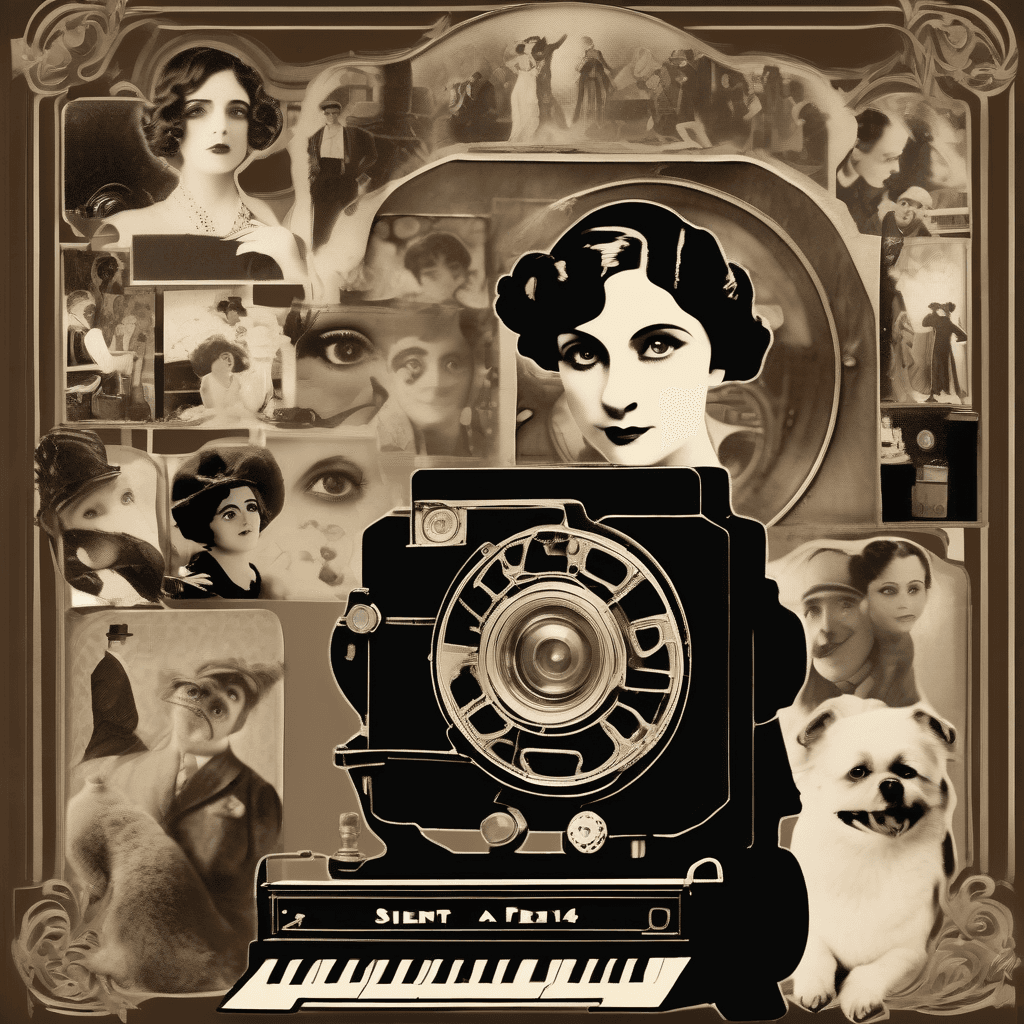
“Journey back to the dawn of the silver screen as we explore ten fascinating films from 1914 to 1921 that defined early cinematic storytelling, featuring everything from high-stakes rewards to ballet-room drama.”
10 Forgotten Silent Era Gems: From Slapstick Comedies to Dramatic Masterpieces (1914–1921)
The silent film era is often remembered through the lens of a few iconic figures like Charlie Chaplin, Buster Keaton, or Greta Garbo. However, the period between 1914 and 1921 was a veritable explosion of creative experimentation, where directors and actors were inventing the language of cinema in real-time. This was an era of transition—moving from short, single-reel 'flickers' to the grand feature-length narratives that would eventually dominate the industry. In this article, we are diving deep into the archives to highlight ten films that capture the spirit, the humor, and the raw emotion of early Hollywood and international cinema.
A Woman's Triumph (1914)
Released in 1914, 'A Woman's Triumph' is a remarkable example of early narrative ambition. Based on Sir Walter Scott's 1818 novel 'The Heart of Midlothian,' this film showcases the transition of literature into the visual medium. In an age where many films were still focused on simple gags or brief glimpses of daily life, this production attempted a complex, multi-layered story of sacrifice and legal drama. The film follows the journey of a young woman who travels to London to seek a royal pardon for her sister. It is a testament to the power of early female protagonists in cinema, proving that even over a century ago, audiences were hungry for stories of resilience and moral fortitude. The cinematography, while static by modern standards, utilizes the natural light of the era to create a somber, grounded atmosphere that enhances the historical setting.
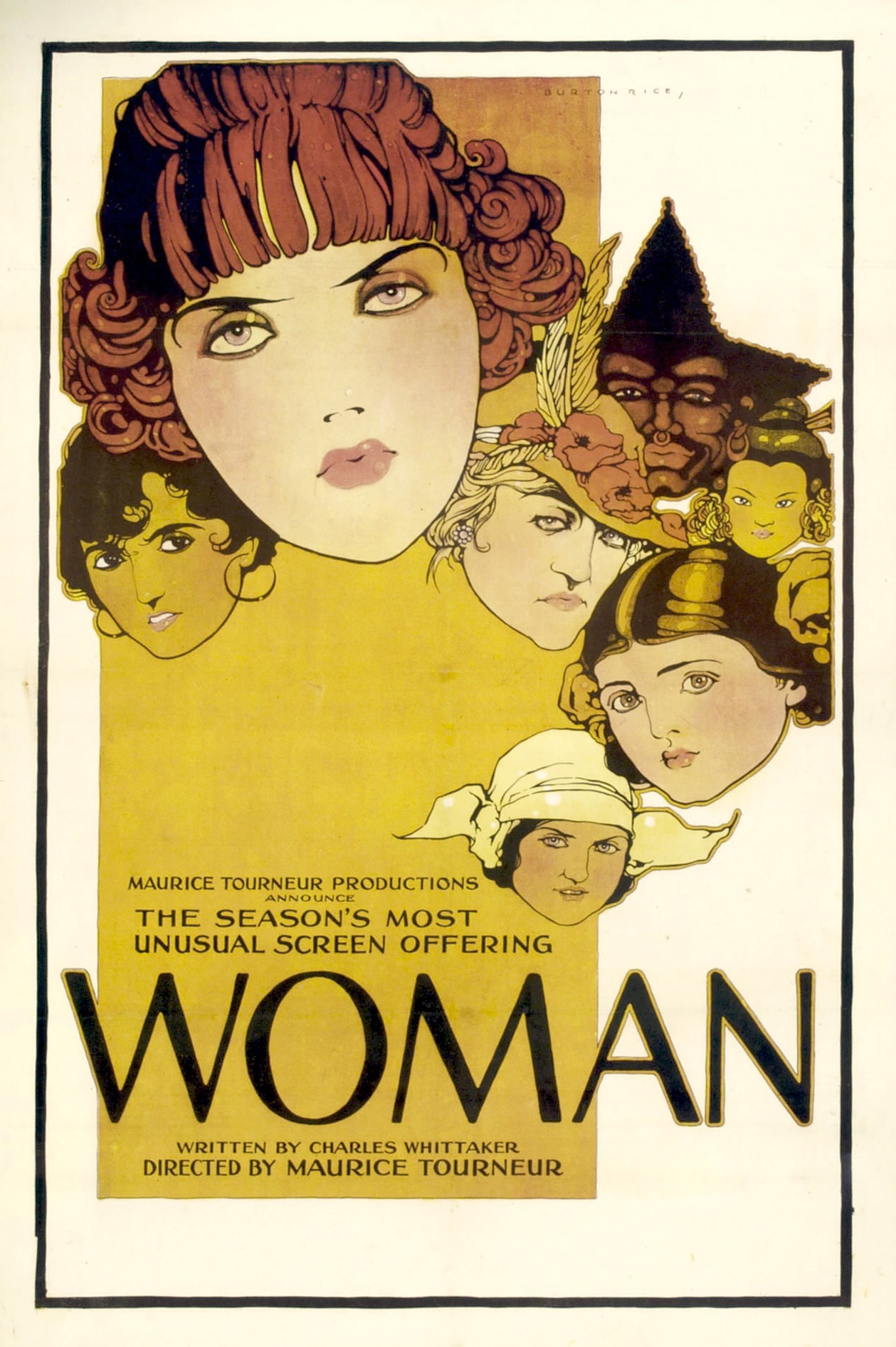
Read full review of A Woman's Triumph
Bobbie of the Ballet (1916)
By 1916, the 'show business' drama was already becoming a popular trope. 'Bobbie of the Ballet' offers a fascinating look into the world of the stage through the eyes of a young dancer. This film is significant for its use of the 'Bluebird Photoplays' aesthetic—a brand known for its high production values and artistic flair. The story centers on Bobbie, a girl who must support her younger siblings by working in the ballet. It blends the glamour of the theater with the harsh realities of poverty, a common theme in the mid-1910s as urbanization changed the American landscape. The dance sequences are captured with a sense of wonder, offering modern viewers a window into the choreography and costume design of the pre-WWI era. It remains a poignant reminder of the social safety nets (or lack thereof) that drove many of the era's most compelling plots.
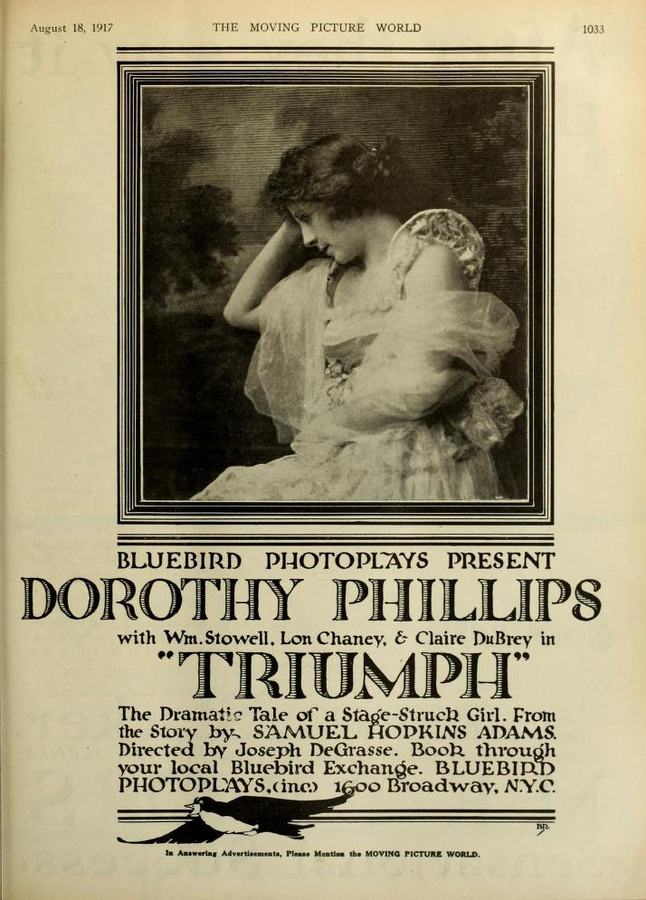
Read full review of Bobbie of the Ballet
A Crooked Romance (1917)
1917 brought us 'A Crooked Romance,' a film that plays with the audience's expectations of morality and love. In this era, the 'reformed criminal' was a popular character archetype, and this film utilizes it to full effect. The plot involves a young woman who finds herself entangled with a group of thieves, leading to a conflict between her burgeoning romantic feelings and her sense of right and wrong. The chemistry between the leads is conveyed through expressive facial acting—the hallmark of the silent age—where a single look could convey more than a page of dialogue. The film's pacing is brisk, reflecting the industry's move toward more energetic storytelling as audiences became more sophisticated and demanded higher stakes in their entertainment.
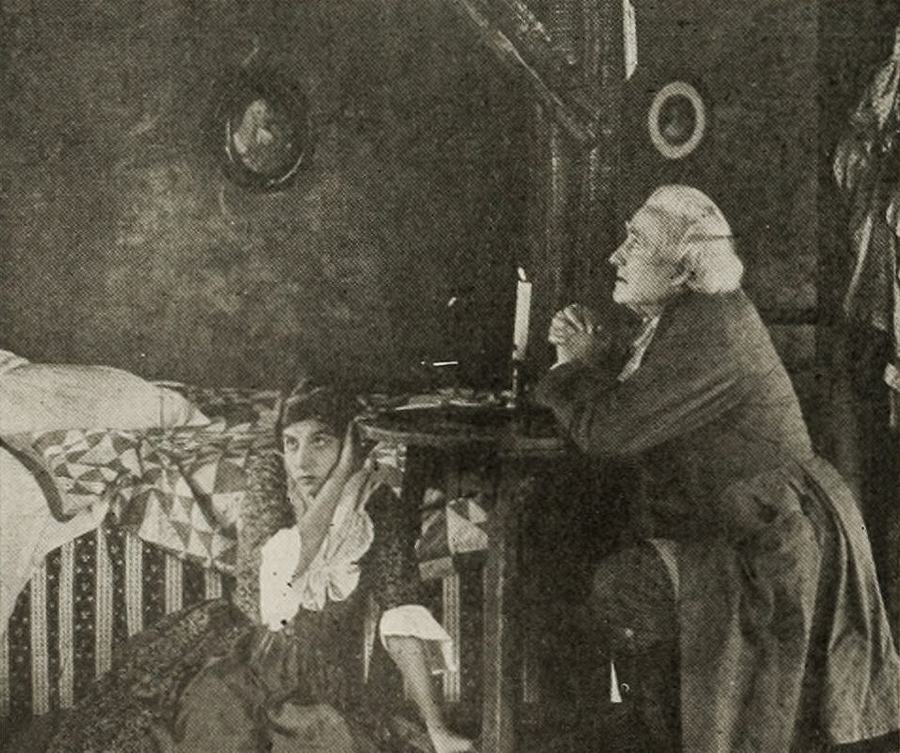
Read full review of A Crooked Romance
Yankee Pluck (1917)
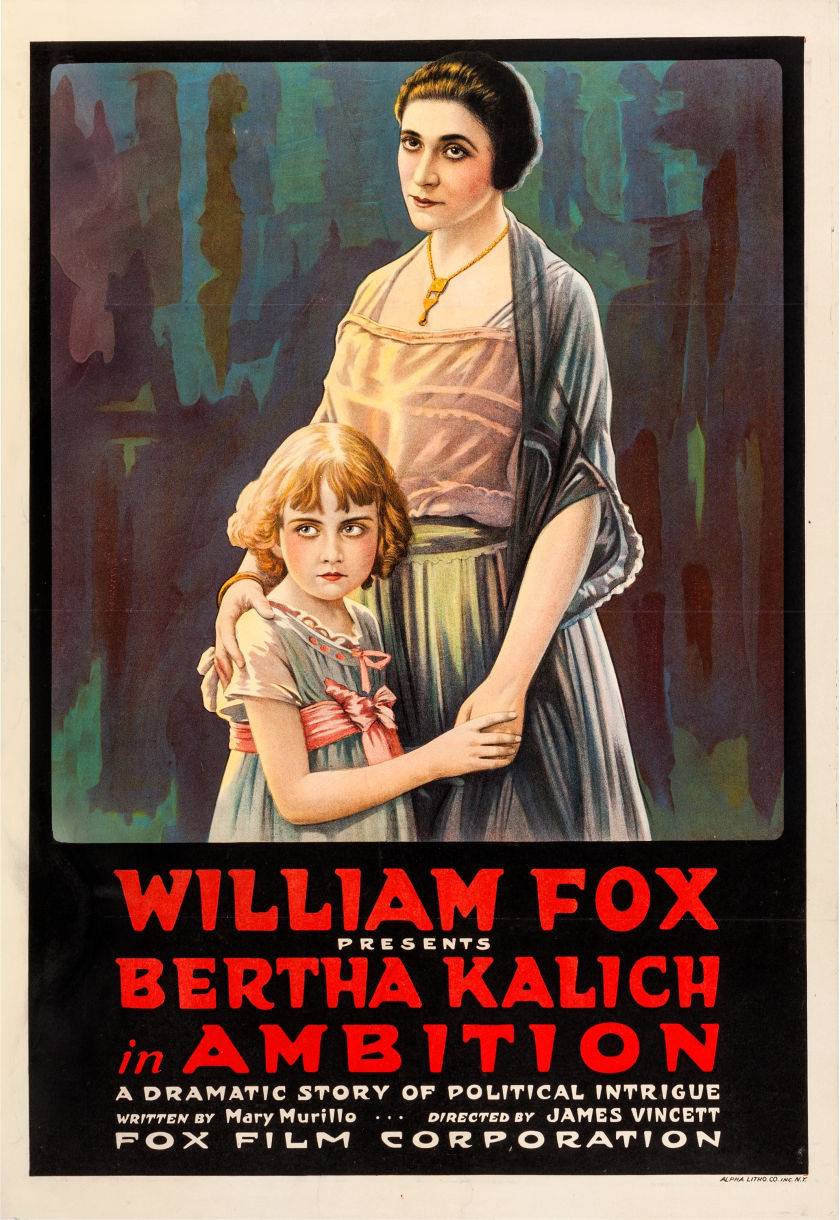
During the height of World War I, American cinema often reflected a sense of national identity and 'pluck.' 'Yankee Pluck' is a quintessential example of this sentiment. Starring the luminous Ethel Clayton, the film tells the story of a spirited American woman who finds herself caught in a web of international intrigue and espionage. It is a high-energy adventure that showcases the 'New Woman' of the 1910s—capable, brave, and more than a match for any villain. The film's title itself serves as a rallying cry, and the production values reflect the growing budgets of the World Film Corporation. For film historians, it is a fascinating study of how cinema was used to bolster morale and define the American spirit during a time of global crisis.
Read full review of Yankee Pluck
Beware of Boarders (1918)
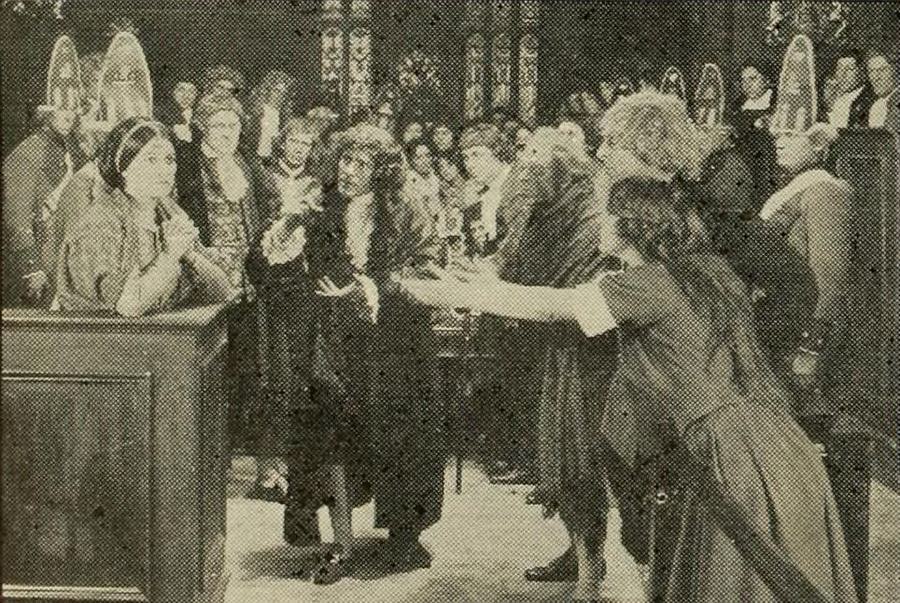
Slapstick comedy was the bread and butter of early cinema, and 'Beware of Boarders' (1918) is a delightful example of the genre's evolution. The film centers on the chaotic environment of a boarding house, a setting that provided endless opportunities for physical comedy, mistaken identities, and frantic chases. As urbanization increased, boarding houses became a common part of life for young workers, making the setting highly relatable to the audiences of 1918. The film relies on the impeccable timing of its cast, utilizing the 'fast-motion' effect that has become synonymous with silent comedy. It is a masterclass in visual storytelling, where the humor is derived entirely from the interaction between the characters and their cramped, hectic environment.
Read full review of Beware of Boarders
Fires of Youth (1918)
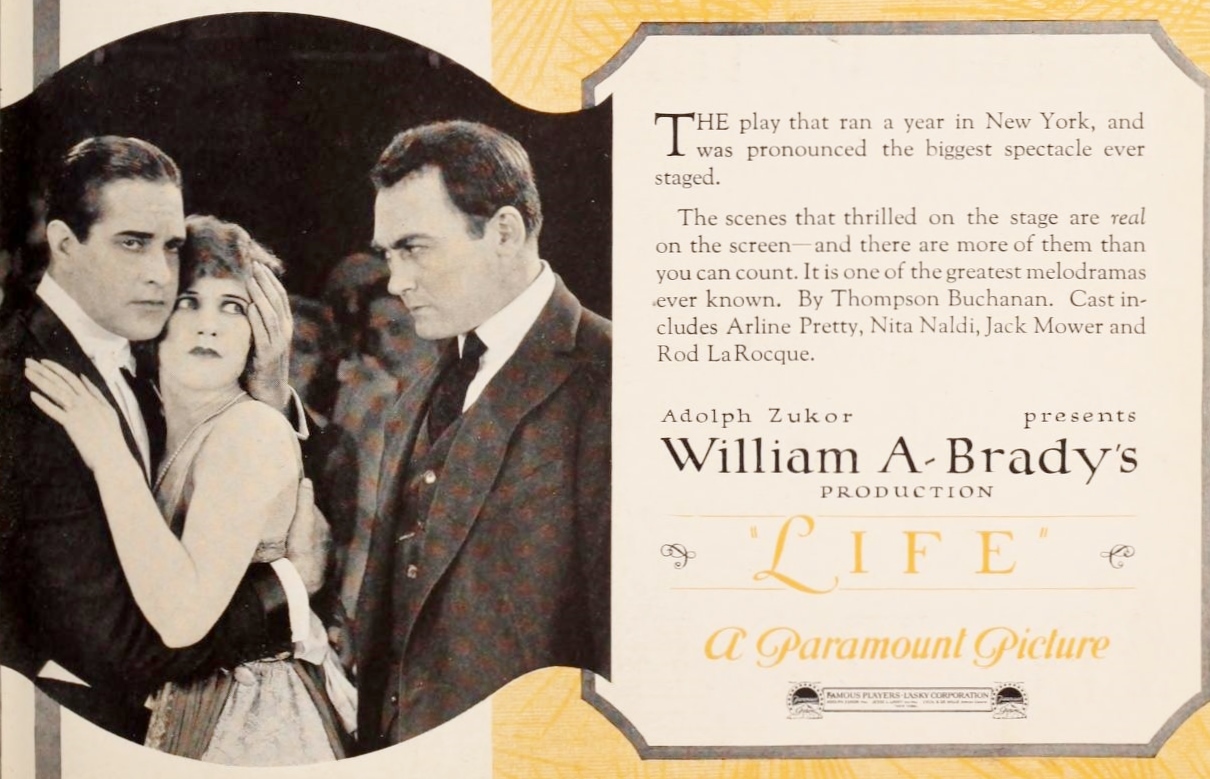
In 'Fires of Youth,' we see a more dramatic and philosophical side of 1918 cinema. The film explores the generational divide between an embittered factory owner and the youthful energy of his workers and his own son. It is a story of redemption and the softening of a hardened heart. The 'Thanhouser' film company was known for its high-quality scripts, and 'Fires of Youth' is no exception. It tackles themes of labor relations and the importance of empathy, which were becoming increasingly relevant in the post-war industrial boom. The performance of the lead, Frederick Warde, is particularly noteworthy for its emotional depth, proving that silent film was capable of exploring complex psychological states and social issues with great nuance.
Read full review of Fires of Youth
Auf Probe gestellt (1918)
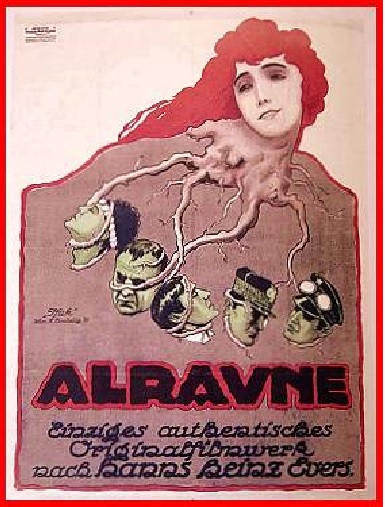
Looking toward Europe, 'Auf Probe gestellt' (Put to the Test) represents the burgeoning German film industry, which would soon become a global powerhouse in the 1920s. Starring the legendary Henny Porten, this film is a sophisticated romantic comedy-drama that deals with social status and the testing of a young woman's character. Porten was one of the first true superstars of German cinema, and her presence on screen is magnetic. The film's direction is noticeably different from its American counterparts, with a focus on interiority and subtle social cues. It serves as a precursor to the Weimar-era cinema that would eventually produce some of the most influential films in history. For those interested in the roots of European film style, this 1918 gem is an essential watch.
Read full review of Auf Probe gestellt
Dog-Gone Tough Luck (1919)
By 1919, animal stars were becoming a major draw for audiences, and 'Dog-Gone Tough Luck' leans heavily into this charm. This short comedy features a canine protagonist whose 'luck' (or lack thereof) drives the narrative. The technical skill required to direct animals in the silent era was immense, as trainers had to work without the benefit of sound cues that wouldn't interfere with the scene. The film is a lighthearted romp that highlights the universal appeal of physical comedy and the bond between humans and their pets. It represents the 'pure' entertainment side of the era—films designed to provide a quick laugh and a momentary escape from the stresses of the post-war world.
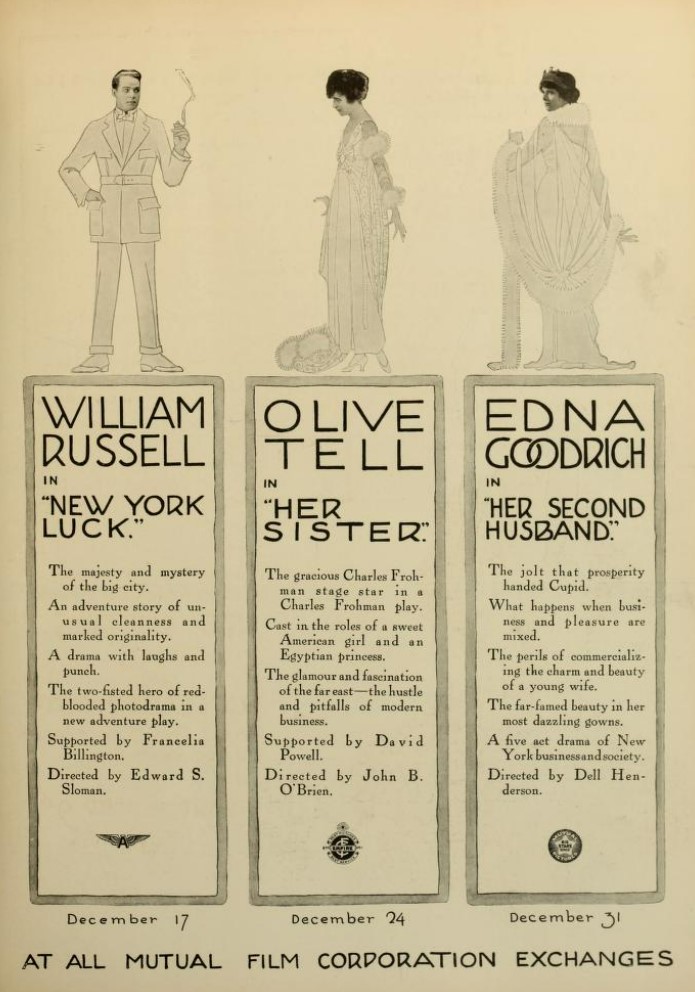
Read full review of Dog-Gone Tough Luck
The $1,000,000 Reward (1920)
As we move into the 1920s, the 'serial' format was at the height of its popularity. 'The $1,000,000 Reward' is a thrilling example of the action-adventure genre that kept audiences coming back to the theater week after week. The plot revolves around a massive inheritance and the various nefarious characters trying to claim it. Filled with cliffhangers, stunts, and mystery, this film (originally released in 15 installments) showcases the high-octane energy of the early 20s. It emphasizes the 'thrill' of cinema, using creative editing and daring camera work to keep the viewers on the edge of their seats. Serials like this were the ancestors of today's binge-worthy television shows, proving that the desire for serialized drama is as old as the medium itself.
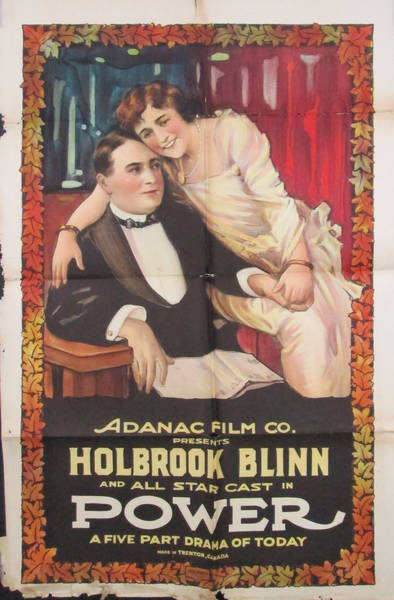
Read full review of The $1,000,000 Reward
Princess Jones (1921)
Rounding out our list is the 1921 film 'Princess Jones,' a charming romantic comedy that perfectly encapsulates the shift into the 'Roaring Twenties.' Starring Alice Calhoun, the story follows a young woman who is mistaken for a princess, leading to a series of humorous and romantic complications. The film moves away from the gritty realism of the mid-1910s and toward the polished, aspirational glamour that would define the 1920s. The costumes are more elaborate, the sets are more grand, and the tone is decidedly more optimistic. 'Princess Jones' is a delightful example of the 'Cinderella' stories that were incredibly popular at the time, reflecting a society that was ready to move past the hardships of the previous decade and embrace a new era of elegance and fun.
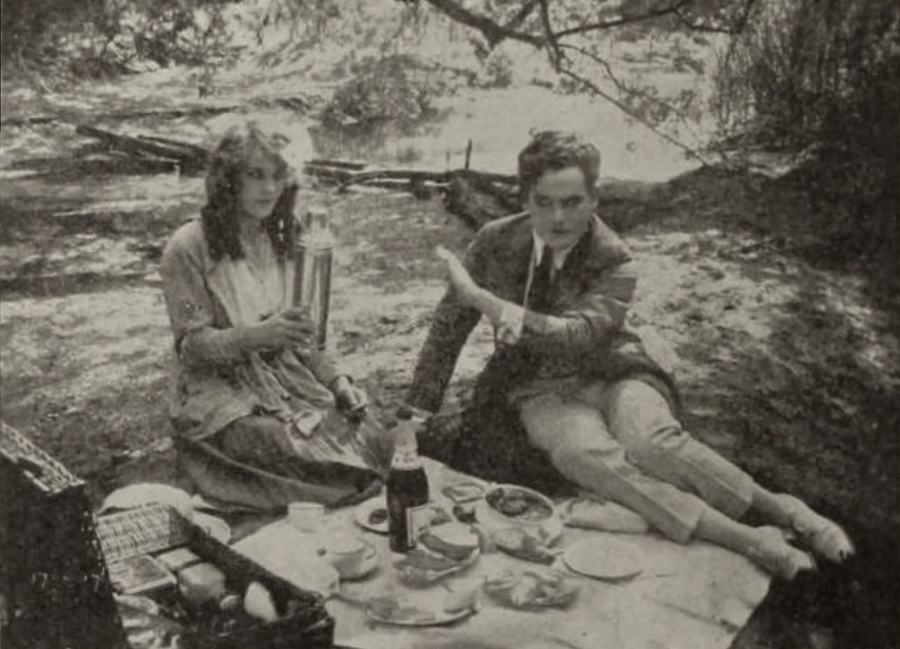
Read full review of Princess Jones
Exploring these ten films offers more than just a history lesson; it provides a direct connection to the creative spirit of a bygone era. These movies, ranging from the dramatic heights of 1914 to the lighthearted romance of 1921, remind us that the core of cinema—storytelling, emotion, and visual wonder—has remained unchanged for over a century. Whether it's a slapstick chase in a boarding house or a high-stakes quest for a million-dollar reward, these silent gems still have the power to captivate and entertain us today.
Community
Comments
Log in to comment.
Loading comments…