
Cult Cinema Deep Dive
The Ghostly Vanguard: How the Silent Era’s Moral Deviants and Visual Rebels Engineered the Cult Psyche
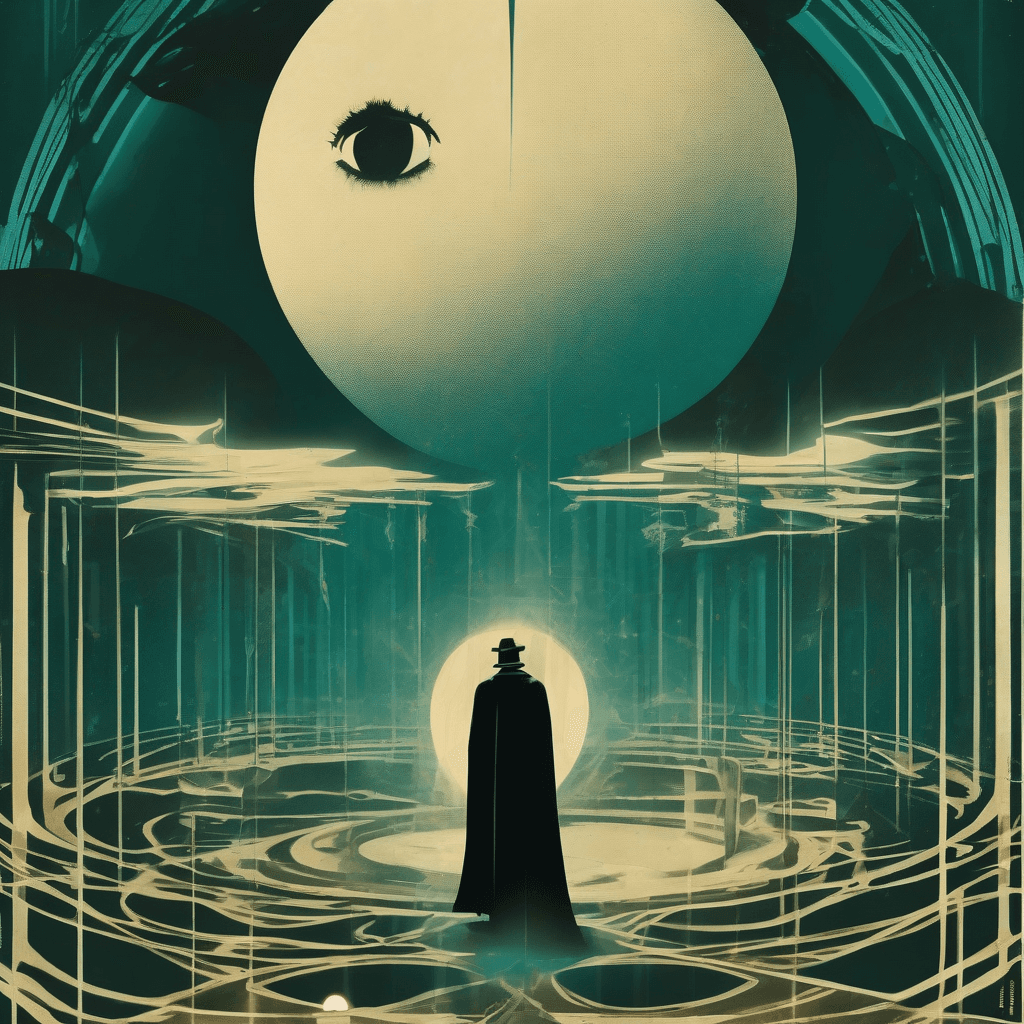
“A deep dive into the early 20th century’s most daring cinematic outliers, exploring how the silent era’s genre-bending narratives and moral rebels laid the groundwork for modern cult obsession.”
The history of cinema is often written by the victors—the blockbusters that shattered box office records and the prestige dramas that swept early award ceremonies. However, beneath the polished veneer of the mainstream, a spectral army of films has long marched to a different rhythm. These are the works that didn't just entertain; they haunted. Long before the term "cult cinema" was coined, the silent era was already producing narratives of such profound strangeness and moral ambiguity that they effectively engineered the DNA of the modern midnight movie. From the lunar landscapes of early science fiction to the gritty, unwashed streets of the urban melodrama, these films were the original transgressors, the first to invite audiences into a space where the rules of society—and reality—no longer applied.

The Architecture of the Fantastic: Early Sci-Fi and the Lure of the Unknown
To understand the roots of cult obsession, one must look at the early pioneers of the fantastic. Consider the 1919 vision of The First Men in the Moon. Here, we see the prototypical cult narrative: an inventor creates a space sphere and ventures into the cosmic void, only to be marooned by a crooked financier. This isn't just a story of exploration; it is a story of technological isolation and betrayal, themes that resonate deeply with the disenfranchised audiences that typically form cult followings. The image of the space sphere, a solitary vessel against the infinite black, serves as a metaphor for the cult film itself—a singular, odd object floating in a sea of cinematic sameness.

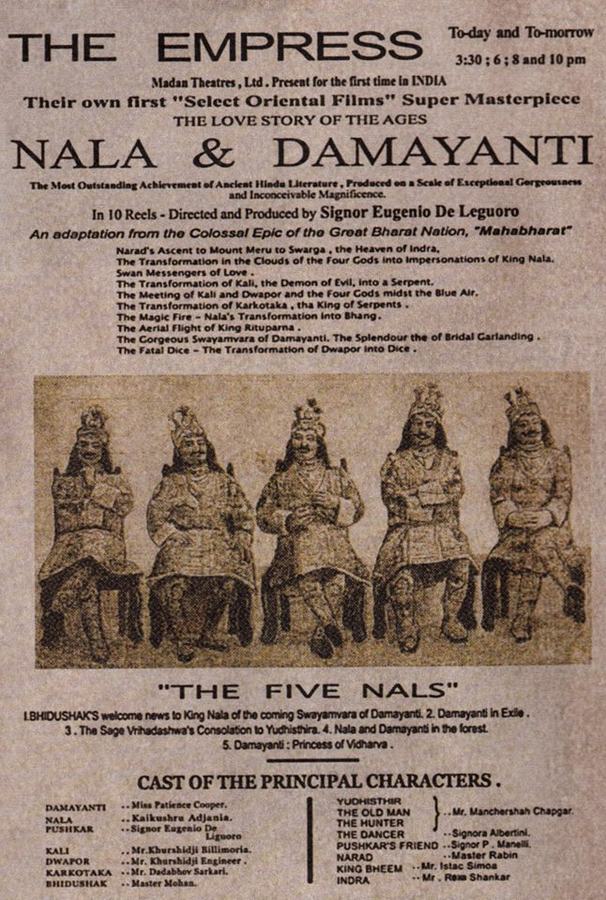
Similarly, the 1920 production of Nala Damayanti brought a sense of celestial awe to the screen. By depicting the 'Mahabharata' with a massive budget and groundbreaking visual effects—such as the transformation in the clouds of the four gods—the film tapped into a primal desire for spectacle that transcended traditional storytelling. This brand of visual maximalism, where the image itself becomes a site of worship, is a direct ancestor to the psychedelic cult films of the 1970s. When Narada ascends Mount Meru, the audience isn't just watching a story; they are participating in a visual ritual, a hallmark of the cult experience.
The Moral Outlaw: Redemption and Rebellion on the Fringe
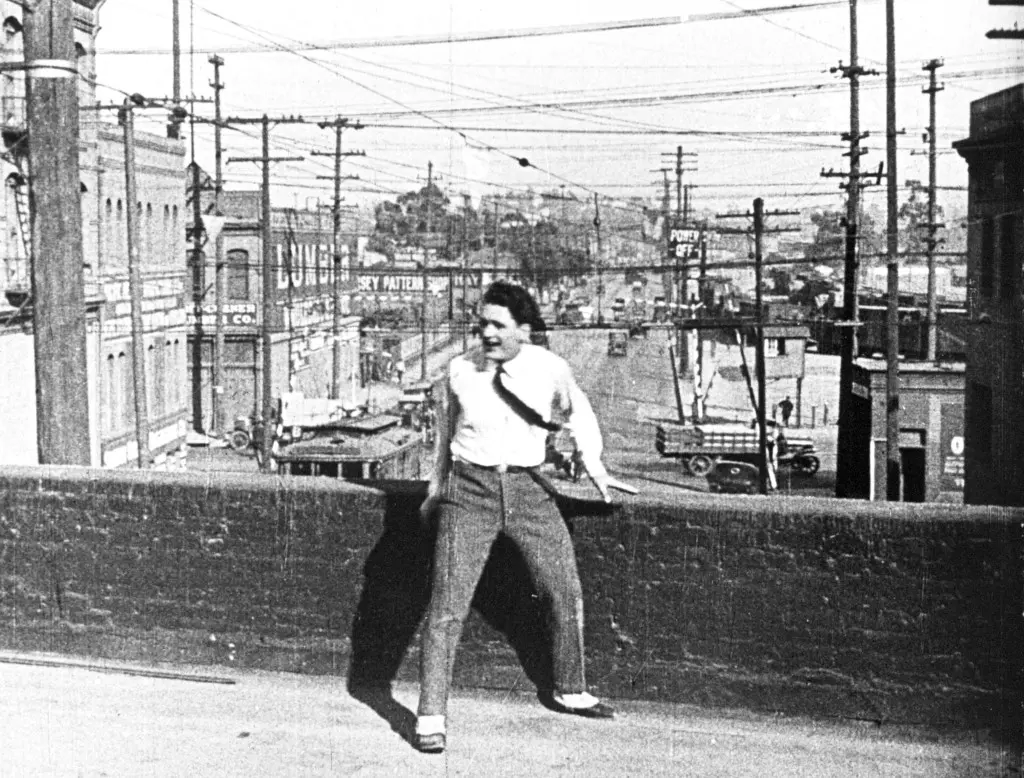
Cult cinema has always been a sanctuary for the social pariah, the man or woman who exists outside the reach of conventional law. In The Orphan, we encounter a young boy who becomes an outlaw to avenge his father’s hanging. This narrative of the righteous criminal—the one who is "wanted by the law" but morally superior to it—is a foundational trope. The tension between the outlaw and the sheriff, especially when forced to unite against a common threat, creates a complex moral landscape that defies the simple binaries of early Hollywood. It is this moral grey area that attracts the cult devotee, who finds truth in the shadows rather than the light.
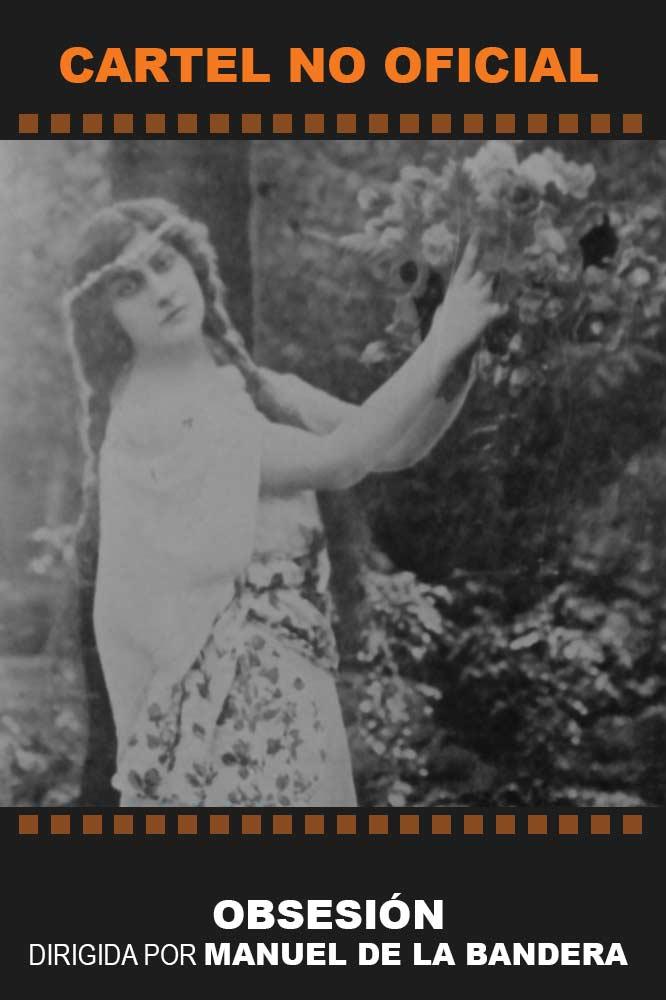
This theme of the misunderstood man is further explored in The Sea Lion. The hard-driving captain of a whaling ship, embittered by his wife's departure, takes his frustrations out on everyone around him. He is not a hero in the traditional sense; he is a force of nature, a man consumed by his own internal darkness. Cult audiences have long been drawn to these "unpleasant" protagonists—characters like Sebastian Maure in The Isle of Life, who takes a "keen delight in knowing that he is held in awe." These figures represent the primal ego, the part of the human psyche that refuses to be tamed by social niceties. They are the cinematic ancestors of the anti-heroes that would later define the transgressive cinema of the late 20th century.

Satan’s Private Door: Exploring the Dark Side of the Domestic Sphere
While many early films focused on grand adventures, some of the most enduring cult seeds were planted in the fertile soil of the domestic melodrama, albeit with a dark, subversive twist. Satan's Private Door presents a house divided against itself: an inebriate son, a social butterfly daughter who neglects her family, and a father living in solitude. This is not the idealized American family of the silent era; this is a portrait of decay. By exposing the rot beneath the surface of respectability, films like this provided a blueprint for the suburban gothic and the domestic thrillers that would eventually find a home in the cult canon.

The concept of the "secret" is another vital component of the cult allure. Whether it is A Mother's Secret, where a daughter suddenly reappears to a mother trying to maintain her youth, or The Dead Secret, these films operate on the premise that the truth is something hidden, something that must be unearthed by the dedicated viewer. In Infidelity, the return of an artist after twenty years in prison for a murder he did not commit creates a scene of "amazing" confrontation. This sense of the unmasking—of the past returning to haunt the present—is a narrative engine that keeps cult audiences coming back for repeat viewings, searching for the clues they missed the first time.
The Aesthetics of the Abnormal: Visual Rebels and Primitive Visions
Cult cinema is as much about how a film looks as what it says. Die schwarze Pantherin (The Black Pantheress) offers a fascinating glimpse into this aesthetic rebellion. Centered on a young painter of primitivism whose work is discovered by an excited art agent, the film mirrors the cult film's own journey from the fringe to the gallery. The "primitive" style, which rejects the polished techniques of the era, is a visual manifesto for the unconventional. It suggests that there is more power in the raw, the distorted, and the unrefined than in the technically perfect.
We see a different kind of visual experimentation in The Fates and Flora Fourflush, a parody that warns the audience "not to be taken too seriously." By mocking the very thrills and mysteries that were the bread and butter of the industry, this film introduced a meta-textual layer to cinema. This self-aware irony is a cornerstone of the cult experience, allowing fans to enjoy a film both for what it is and for the absurdity of its existence. It is the same spirit that allows modern audiences to celebrate the "so bad it's good" masterpieces of the midnight circuit.
The Sacred and the Profane: Religious Devotion and Social Ruin
The intersection of the sacred and the profane often provides the most fertile ground for cult devotion. In The White Sister, a young woman enters a convent after the supposed loss of her lover. This narrative of extreme sacrifice and religious isolation taps into the same vein of obsessive devotion that fuels cult fandom. The convent, much like the cinema itself, is a space set apart from the world, governed by its own rituals and codes. When the secular world intrudes upon this sacred space, the resulting conflict is inherently dramatic and often transgressive.
On the opposite end of the spectrum, we have the "slum films" like The Narrow Path and Her Right to Live. These films didn't shy away from the harsh realities of poverty, alcoholism, and corruption. In The Narrow Path, the protagonist is an orphan of the slums whose father killed her mother in a drunken stupor. These films were the original social horror stories, presenting a world so bleak and unforgiving that the only escape was through a kind of narrative martyrdom. For the cult viewer, these films offer a visceral connection to the "underground"—a world that the mainstream would rather ignore.
The Comedy of the Misfit: Bumbling Heroes and Anarchic Spirits
Not all cult cinema is dark and brooding; there is a significant lineage of the anarchic and the absurd. The Pride of the Firm, featuring a young Ernst Lubitsch as a bumbling provincial who loses his job after breaking a window, showcases the "misfit" as a source of comedy. Lubitsch's character is a failure by every societal standard, yet he eventually finds success in the classier environment of Berlin. This triumph of the incompetent is a deeply satisfying trope for those who feel out of sync with the world. Similarly, the slapstick chaos of Loose Lions and Fast Lovers or the sophisticated failure of Carver Endicott in An Amateur Devil—who tries to disgrace his family name by working as a common laborer—highlights the cult film's love for those who subvert expectations, even if only by accident.
Even the short comedies like Broken Bubbles, where a man must choose between a meal and a fortune teller, or Footprints, featuring a detective trailing a villain who kidnapped a bride, contribute to this spirit of narrative unpredictability. In these films, the logic of the world is slightly skewed; the stakes are simultaneously high and ridiculous. This tonal instability is exactly what draws a cult audience—the feeling that anything could happen, and that the film is not beholden to the standard rules of cause and effect.
Conclusion: The Eternal Flicker of the Fringe
The 50 films discussed here—from the high-stakes sports drama of Kissing Cup's Race to the tragic landscapes of La España trágica—represent more than just historical curiosities. They are the primary source material for a century of cinematic rebellion. They taught us that a film could be a site of worship, a manifesto of dissent, or a mirror for our own internal chaos. Whether it is the "mysterious" Miss Terry robbing a society home to pay her boardinghouse bill or the "broken old man" in According to the Code defending his pride against young ruffians, these characters embody the resilience of the outsider.
Cult cinema is not defined by its era, its budget, or its genre. It is defined by its relationship with the audience—a relationship built on a shared recognition of the strange, the forbidden, and the beautiful. As we look back at the nitrate ghosts of the silent era, we see the foundation of every midnight movie ever made. The flicker of the early projector was the first spark of a fire that still burns in the hearts of those who seek the extraordinary in the margins of the screen. The vanguard remains, ghostly and glorious, reminding us that the most powerful stories are often the ones told in the dark, away from the prying eyes of the mainstream.
Community
Comments
Log in to comment.
Loading comments…