
Cult Cinema
The Maverick's Midnight Canon: Unearthing the Proto-Cult Soul in Early Cinema's Unsung Masterpieces
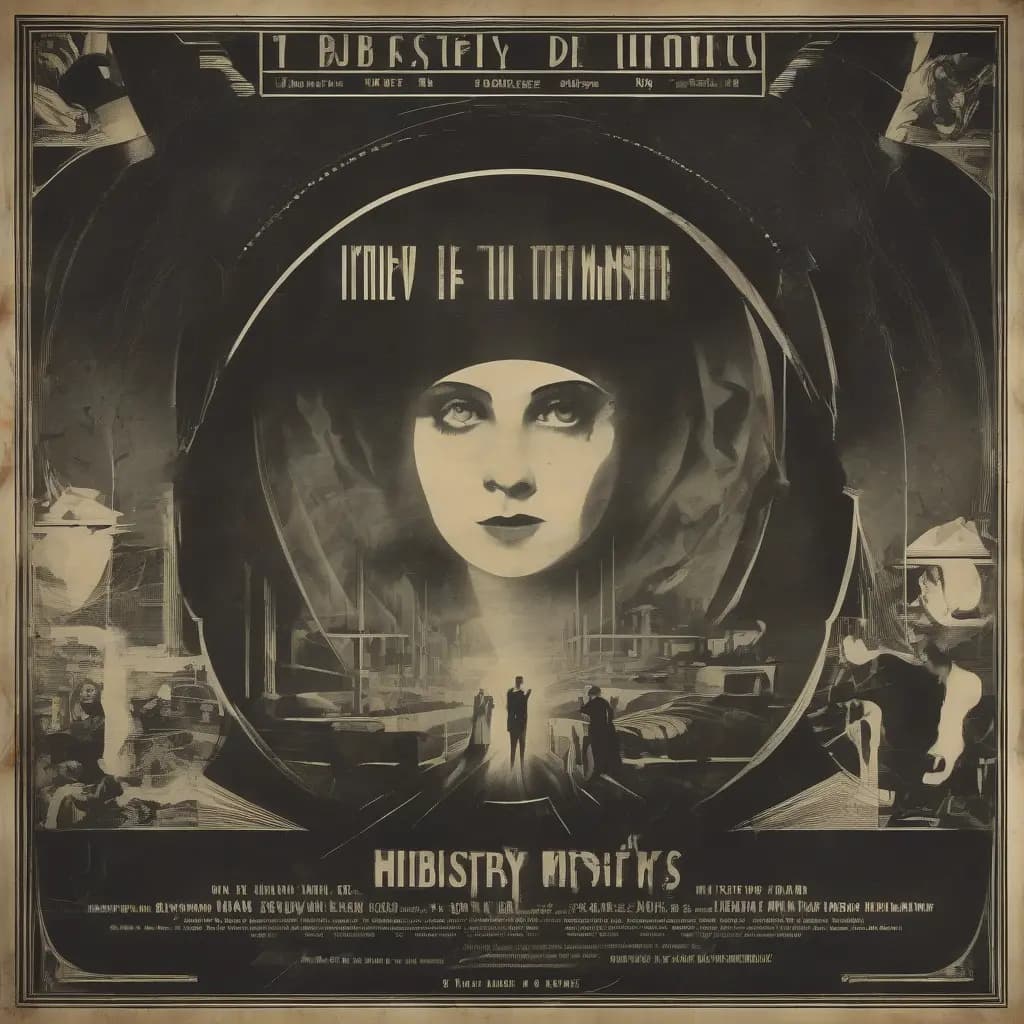
“Cult cinema, often celebrated for its transgressive narratives and passionate fandoms, boasts a rich, unconventional heritage stretching back to the silent era. This article delves into how early films, with their daring themes and experimental styles, laid the foundational blueprint for the beloved…”
The Unseen Currents: Decoding Cult Cinema's Enduring Allure from Early Cinematic Rebellion
Cult cinema. The phrase conjures images of midnight screenings, fervent fan communities, esoteric narratives, and films that defy easy categorization. These are the cinematic rebels, the features that, for myriad reasons – perhaps critical misfires, controversial themes, or simply being too far ahead of their time – found their true audience not in the mainstream, but in the devoted hearts of a passionate few. Yet, to truly understand the enduring magnetism of cult films, we must journey beyond the familiar touchstones of the 1970s and 80s and delve into the nascent years of cinema itself. The seeds of cinematic rebellion, the proto-cult soul, were sown in the silent era, in films that, by their very existence, pushed boundaries and hinted at the profound, often unsettling, power of the moving image.
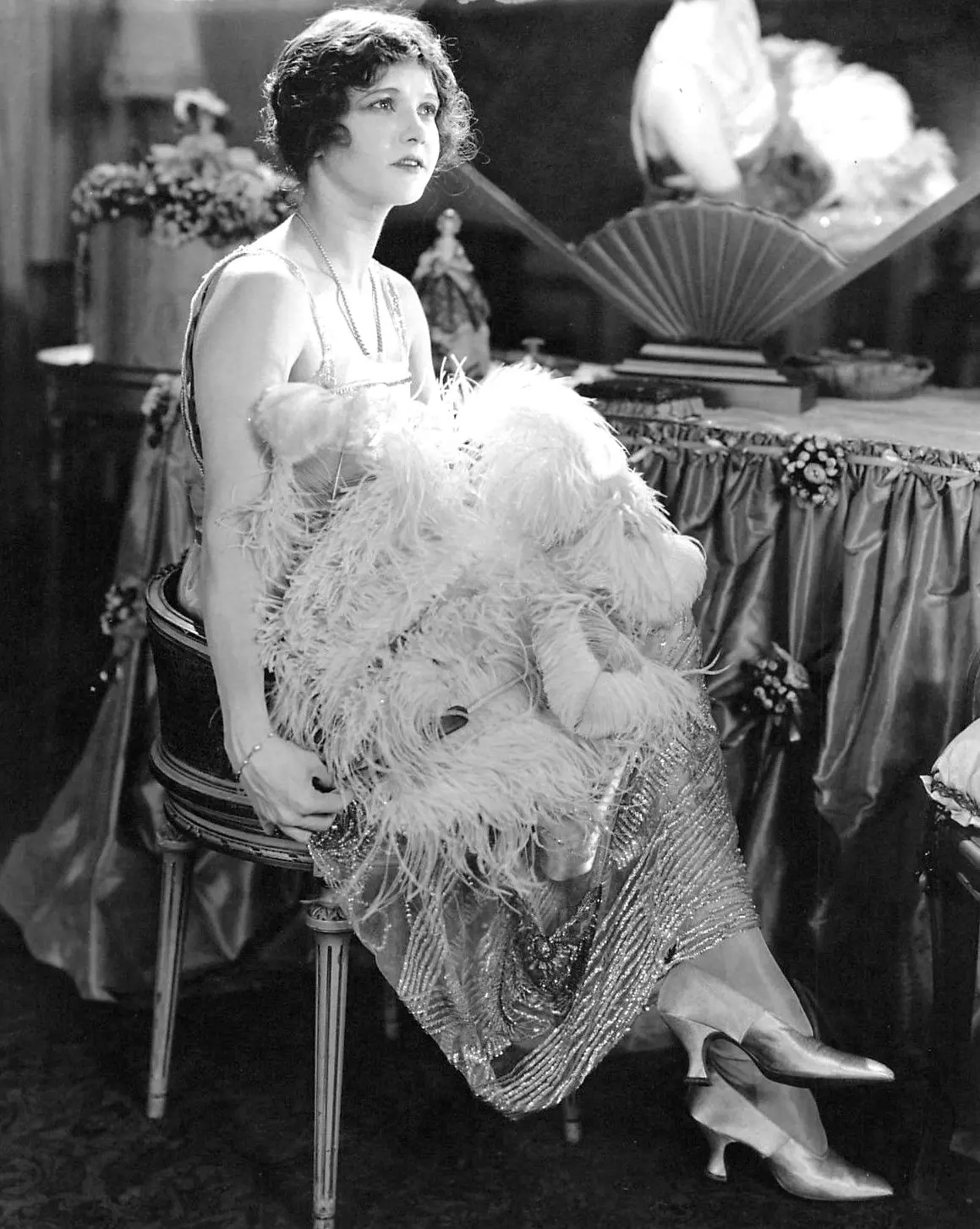
The idea of a 'cult film' implies a deviation from the norm, a work that challenges societal expectations, narrative conventions, or aesthetic sensibilities. This spirit of transgression and experimentation wasn't born with the advent of sound or technicolor; it was present in the flickering shadows and expressive performances of early cinema. The 50 films provided as inspiration, though largely forgotten by the general public, offer a fascinating glimpse into a landscape ripe with narrative risks and visual daring. From intense dramas like Broken Blossoms to experimental comedies such as Service Stripes, these features and shorts, made between the late 1910s and early 1920s, reveal an industry grappling with its own identity, inadvertently laying the groundwork for what would become a global phenomenon of niche devotion.
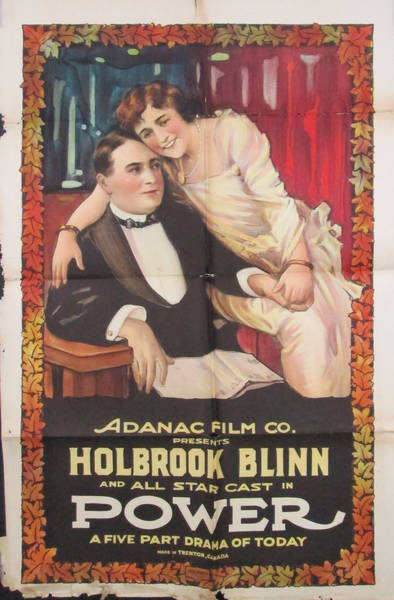
The Genesis of Transgression: Forbidden Themes and Moral Ambiguity
Long before the Hays Code or modern rating systems, filmmakers explored themes that, even by contemporary standards, could be considered provocative. The silent era, often romanticized as an age of innocence, was in fact a crucible for exploring the darker facets of the human condition. Films like The Devil's Garden, with its stark portrayal of a woman forced into infidelity to save her husband's job, leading to murder, delves into moral ambiguities that resonate deeply. This isn't a simple tale of good versus evil; it's a raw exploration of desperation and consequence. Similarly, Satana likuyushchiy (Satan Triumphant) directly confronts spiritual temptation and fall, a subject matter that, when depicted with such fervor, could easily garner a devoted, if slightly scandalized, following.
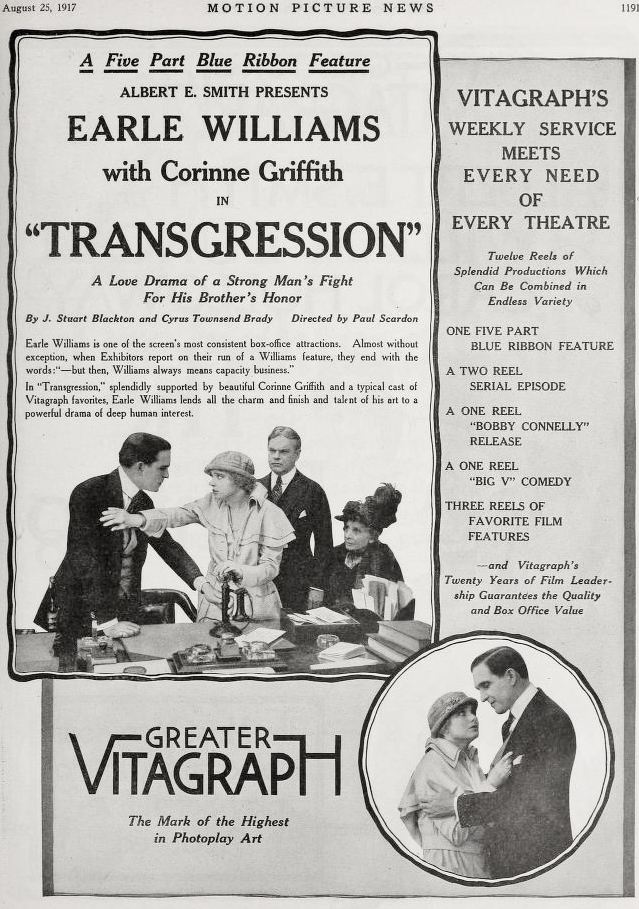
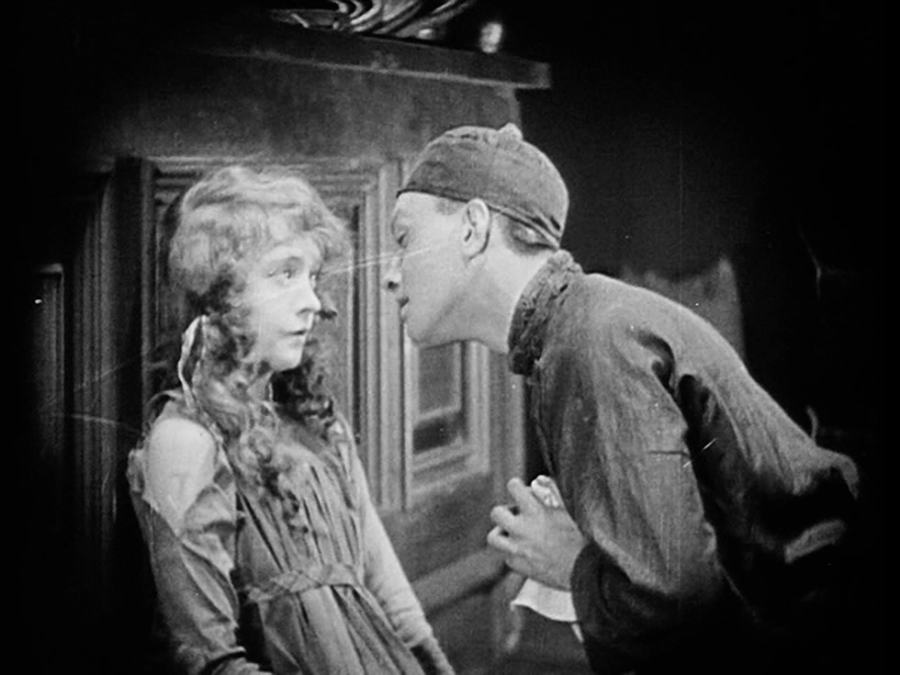
The intense psychological drama of Broken Blossoms, D.W. Griffith's masterpiece, stands as a prime example of early cinema's willingness to tackle uncomfortable truths. Its narrative of a fragile waif abused by her brutal boxer father, befriended by a sensitive Chinese immigrant, was groundbreaking for its portrayal of interracial affection and domestic violence. While critically acclaimed, its bleak ending and challenging themes positioned it as an emotionally intense experience, a quality often sought by cult audiences who crave profound, rather than merely pleasant, viewing. The film's enduring power lies in its unflinching gaze at suffering and its tragic, poetic beauty, making it an early candidate for a film that transcends its initial reception to achieve lasting, deep appreciation.
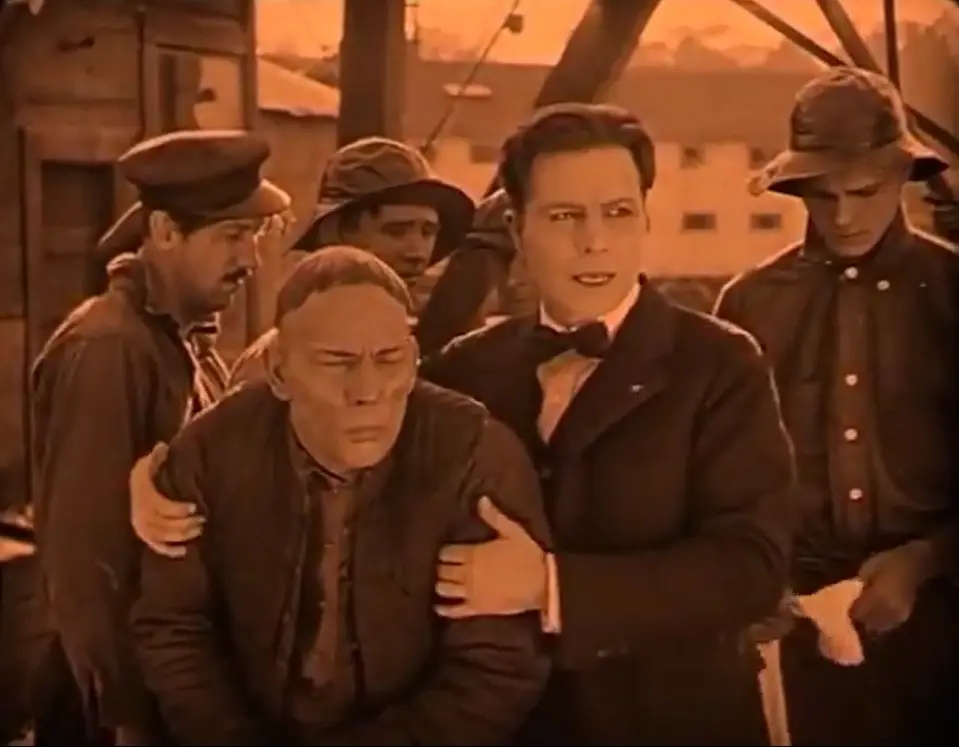
Even seemingly conventional dramas often contained elements that pushed boundaries. The Branding Iron, with its tale of insane jealousy leading a husband to brand his wife as property, is a visceral and shocking narrative. This kind of extreme imagery and emotional intensity, while part of melodrama, also speaks to a desire to provoke and challenge, characteristics that define many later cult classics. These early narratives, by daring to explore the forbidden and the morally complex, inadvertently laid the groundwork for the transgressive narratives that would become a hallmark of cult cinema.
Unconventional Narratives and Avant-Garde Aesthetics
Cult cinema thrives on the unconventional, on stories told in ways that diverge from mainstream formulas. The silent era, being a nascent art form, was inherently experimental. Filmmakers were inventing the language of cinema, and in doing so, often stumbled upon unique narrative structures and visual styles that would later be appreciated by discerning audiences. Consider the surreal comedic transformations in Service Stripes, where a character's personality is transfigured into a laundry basket or a washerwoman. This kind of whimsical, almost absurd, visual gag is a precursor to the genre-bending, reality-warping films that cult audiences adore. Similarly, the animated short Happy Go Luckies represents an early foray into non-live-action storytelling, demonstrating a willingness to explore diverse cinematic forms.
The epic scale and mythological grandeur of films like Die Nibelungen: Siegfried, Fritz Lang's monumental work, offered audiences an immersive, fantastical experience unlike anything seen before. Its elaborate sets, mythical creatures, and tragic hero's journey create a world that captivates and enthralls, much like the fantastical realms of later cult epics. The sheer ambition and visual spectacle, combined with a narrative rooted in ancient folklore, give it an esoteric quality that appeals to those seeking more than just mundane realism.

Other films, like The Sleep Walker, blended drama and comedy with a psychological element, showcasing early attempts at genre fusion and complex character studies. The idea of a character's subconscious actions driving the plot provides a layer of intrigue often found in cult favorites that delve into the bizarre or the psychological. The visual storytelling techniques, necessitated by the lack of dialogue, often led to highly stylized performances and cinematography that, in retrospect, feel distinctly avant-garde. The exaggerated expressions, symbolic gestures, and dramatic lighting in films like La Salome or Prunella create an almost dreamlike atmosphere, contributing to their unique, lasting appeal.
Rebels and Outcasts: The Seeds of Counter-Culture
A recurring motif in cult cinema is the celebration of the outsider, the rebel, or the individual who stands against societal norms. This counter-cultural spirit can be traced back to narratives that championed the underdog or critiqued prevailing social structures. The Conquest of Canaan, for instance, features a ne'er-do-well who ultimately exposes the true scoundrel, challenging the audience's perception of who constitutes a 'good' or 'bad' member of society. This subversion of expectation, where the perceived outcast becomes the hero, is a powerful theme that resonates deeply with cult audiences who often identify with marginalized characters and narratives.

Films like Ashamed of Parents, while seemingly a straightforward drama about social mobility, touches upon class struggle and the pressures of upward aspiration. The tension between humble origins and newfound success, and the potential for alienation, speaks to a broader discontent with rigid social hierarchies. Even a film like The Scarlet Road, set in the Bohemian section of New York, explores themes of unconventional lifestyles and moral choices outside the mainstream, predating the counter-cultural movements that would later define many cult films.
The very act of making films that didn't strictly adhere to the commercial blueprints of the time, or that explored difficult subjects, was a form of rebellion. These filmmakers, whether consciously or not, were operating on the fringes, much like the 'midnight movie' directors who would emerge decades later. Their works, often preserved in archives or rediscovered by dedicated cinephiles, represent an early form of cinematic 'outsider art,' appreciated for its raw honesty and unique vision rather than its mass appeal.
The Power of Rediscovery and Niche Fandom
One of the defining characteristics of cult cinema is its journey from obscurity or initial rejection to eventual veneration. Many of the films from this early period, while perhaps not 'cult' in the modern sense at their release, have undergone a similar trajectory of rediscovery. Works like ’A Santanotte, a drama about a young girl exploited by her father, or A Favor to a Friend, a tale of wrongful imprisonment and escape, are not commonly known. Yet, for those who unearth them, they offer profound insights into early filmmaking and storytelling, often revealing a surprisingly modern sensibility.
The dedicated film enthusiast, poring over film archives and obscure databases, acts as an archaeologist of the moving image, unearthing these cinematic relics. This process of discovery and appreciation by a niche audience mirrors the formation of cult fandoms around later, more recognized 'midnight movies.' The shared experience of finding and celebrating a lesser-known gem creates a bond, fostering a community of like-minded individuals who value artistic integrity and unconventional narratives over commercial success.
Even the genre films of the era, such as the Westerns Single-Handed Sam and The Trouble Shooter, or the crime drama The Silk-Lined Burglar, while adhering to genre tropes, often contained elements of heightened drama, unique characterizations, or unexpected plot twists that could endear them to specific audiences. The intense rivalry for love in Hate, or the dramatic stakes in The Way of the Strong, hint at the raw, unfiltered emotion that cult audiences crave.
The Enduring Legacy of the Unconventional
The exploration of the human psyche, societal taboos, and the boundaries of cinematic expression evident in these early films forms an unbroken chain connecting them to the most celebrated cult classics of today. From the intricate web of relationships in Lucretia Lombard to the social commentary in Skinner's Bubble, these works demonstrate a nascent desire to tell stories that were both entertaining and thought-provoking, challenging and comforting in their own unique ways. They are the ancestral voices of cinematic rebellion, echoing through the decades.
The very nature of cult cinema is its ability to transcend time, finding new audiences and interpretations across generations. The silent films, once relegated to historical curiosities, are slowly being re-evaluated through a lens that appreciates their daring, their artistry, and their often surprisingly modern themes. A film about a mysterious family fortune like Phantom Fortunes, or a moral dilemma in Other People's Money, might not have been 'cult' upon release, but their intricate plots and character studies offer a richness that rewards repeated viewings and deep analysis – hallmarks of cult appreciation.
The ability of cinema to reflect and refract the complexities of life, to offer escapism through fantasy or confrontation through stark realism, was being forged in these early years. Whether it was the lighthearted chaos of Rough on Romeo or the more profound questions posed by Hush, each film contributed to the evolving language of the medium. They were, in their own right, experiments in audience engagement, in pushing the boundaries of what was acceptable or even conceivable on screen.
Conclusion: The Midnight Echoes of a Daring Past
Cult cinema is not merely a collection of oddball films; it is a philosophy of viewing, a celebration of the unique, the challenging, and the deeply personal. Its roots are far deeper than many realize, stretching back to the earliest days of film. The films of the silent era, from the grand epics to the intimate dramas, from the outlandish comedies to the stark tragedies, were a proving ground for the transgressive narratives, experimental aesthetics, and rebellious spirit that define the cult film phenomenon. They are the unseen tapestry, the flickering anomalies, the primordial oddities that paved the way for every midnight movie, every underground classic, and every passionately debated cinematic enigma that followed.
By acknowledging these early contributions, we gain a richer understanding of cult cinema's enduring allure and its maverick spirit. These forgotten films are not just historical artifacts; they are the ancestral echoes of a daring past, whispering stories of cinematic rebellion that continue to inspire and captivate the most devoted film enthusiasts. They remind us that the true power of cinema lies not in its adherence to convention, but in its boundless capacity for surprise, subversion, and profound connection with its audience, no matter how niche.
Community
Comments
Log in to comment.
Loading comments…