
Deep Dive
The Midnight Alchemist’s Archive: Tracing the Primal Subversions of Cinema’s Earliest Genre Outlaws
“A deep-dive editorial into how the silent era's forgotten misfits and genre-bending experiments laid the groundwork for today's most obsessive cult film followings.”
The history of cinema is often told through the lens of the victors—the blockbusters that shattered records and the masterpieces that defined the Academy. Yet, in the shadows of the mainstream marquee, there exists a darker, more vibrant lineage. This is the realm of cult cinema, a space where the weird, the transgressive, and the misunderstood find their sanctuary. To understand the modern obsession with the "midnight movie," we must look back at the original misfits of the early 20th century. Between 1910 and 1925, a series of cinematic anomalies began to flicker on the screen, carrying the genetic code of what we now recognize as the cult aesthetic.

The Archetype of the Outcast: From Town Drunks to Real-Life Outlaws
At the heart of every cult film is a character that the world has rejected. Long before the anti-heroes of the 1970s, early cinema was experimenting with social pariahs. Take, for instance, Old Hartwell’s Cub. The film presents us with Tom Hartwell, the town drunk of Matherville. While the community shuns him, the narrative centers on his son Bill, a blacksmith who literally batters down the jail door to rescue his father. This theme of familial loyalty in the face of societal condemnation is a foundational pillar of the cult ethos. It’s about the unconditional bond that exists outside the law.

Similarly, Caleb Piper’s Girl explores the cruelty of small-town gossip and the threat of eviction. Caleb Piper and his daughter Mary are victimized by the "unkind words" of a rejected suitor, highlighting a recurring cult motif: the innocent individual being crushed by the petty malice of the status quo. These films weren’t just dramas; they were early explorations of the marginalized experience, a subject that would later define the works of directors like John Waters or David Lynch.
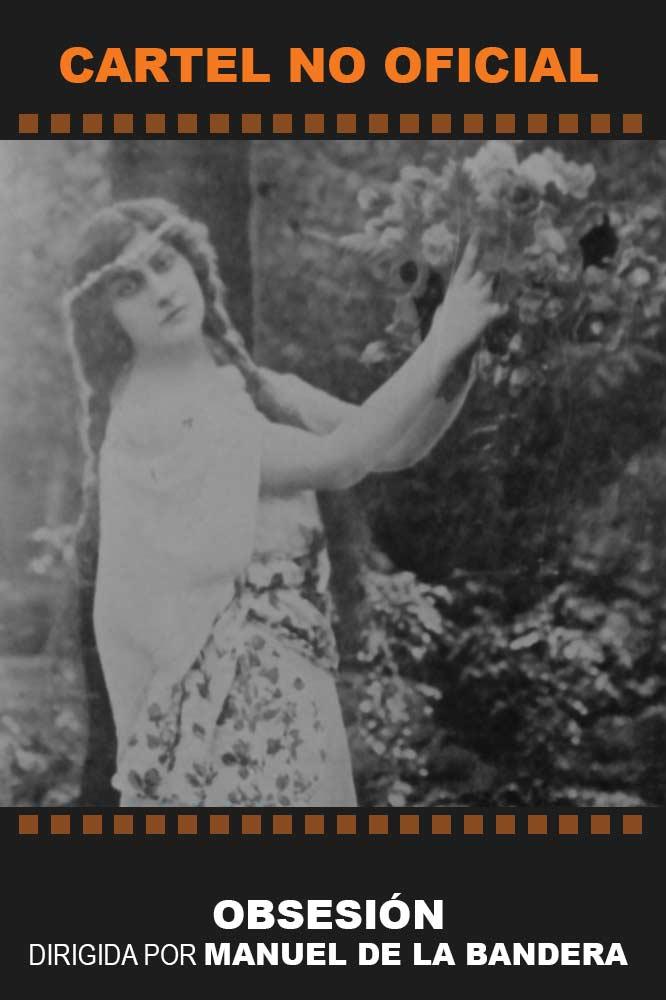
Perhaps the most meta-textual example of the early cult figure is found in The Lady of the Dugout. This film featured real-life outlaw Al Jennings, playing himself and recounting stories of his criminal past. The blurring of lines between reality and fiction—and the lionization of a genuine criminal—is a precursor to the transgressive cinema that seeks to challenge our moral boundaries.
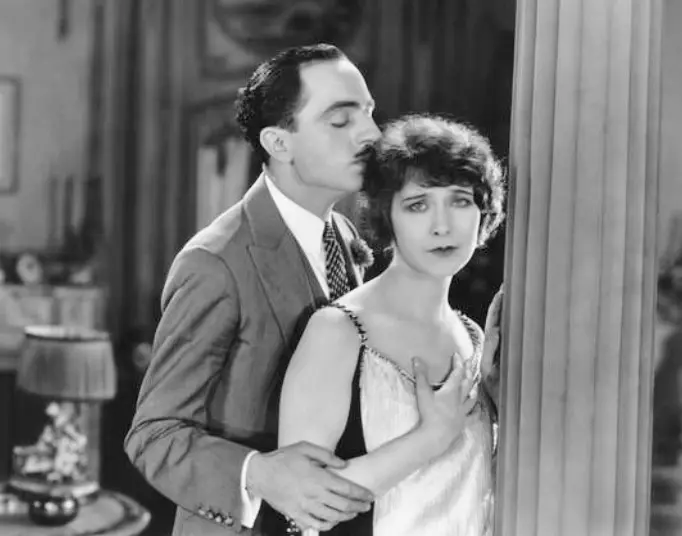
The Surreal and the Subversive: Identity as a Fluid Construct
Cult cinema often revels in the breakdown of identity. In the early era, this was frequently achieved through bizarre plot devices and surreal humor. Puppchen offers a masterclass in the uncanny; when Fritzi accidentally breaks an expensive mannequin, she decides to take its place. This transformation from human to object—and the performance required to sustain it—prefigures the mannequin-obsessed surrealism of later avant-garde films. It asks the audience to accept a reality that is fundamentally absurd.
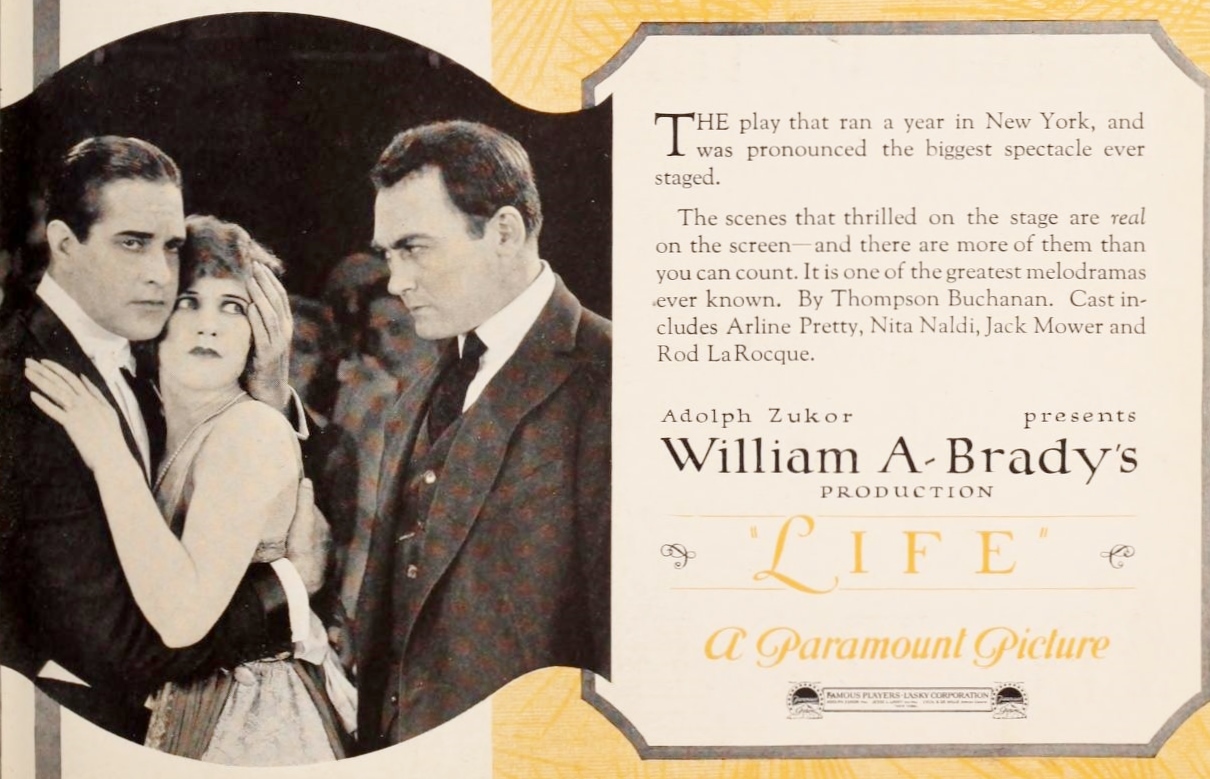
The trope of memory loss also serves as a vehicle for cult-like exploration of the self. In Judy Forgot, a woman survives a train wreck only to lose her memory and be mistaken for a vaudeville star. The chaos that ensues—complete with a husband and children she doesn't recognize—taps into the existential dread of being someone else, a theme that resonates deeply within the cult genre's fascination with the fragmented psyche.
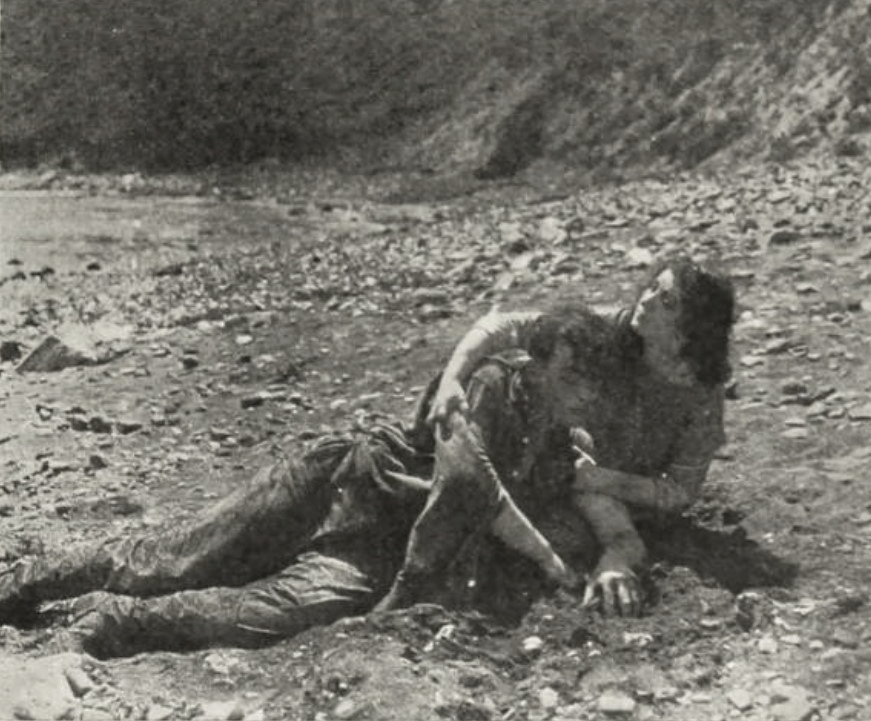
The Rise of the Genre Mutant
If there is one thing that defines a cult movie, it is its refusal to stay within the lines. Early cinema was a wild west of genre experimentation. Le Voyage Abracadabrant, an animated short featuring two men in a flying house, is a perfect example of the "genre mutant." It doesn't adhere to the logic of the real world; it is a fever dream captured on nitrate. This spirit of unfettered imagination is what draws fans to films like The Rocky Horror Picture Show or Eraserhead.
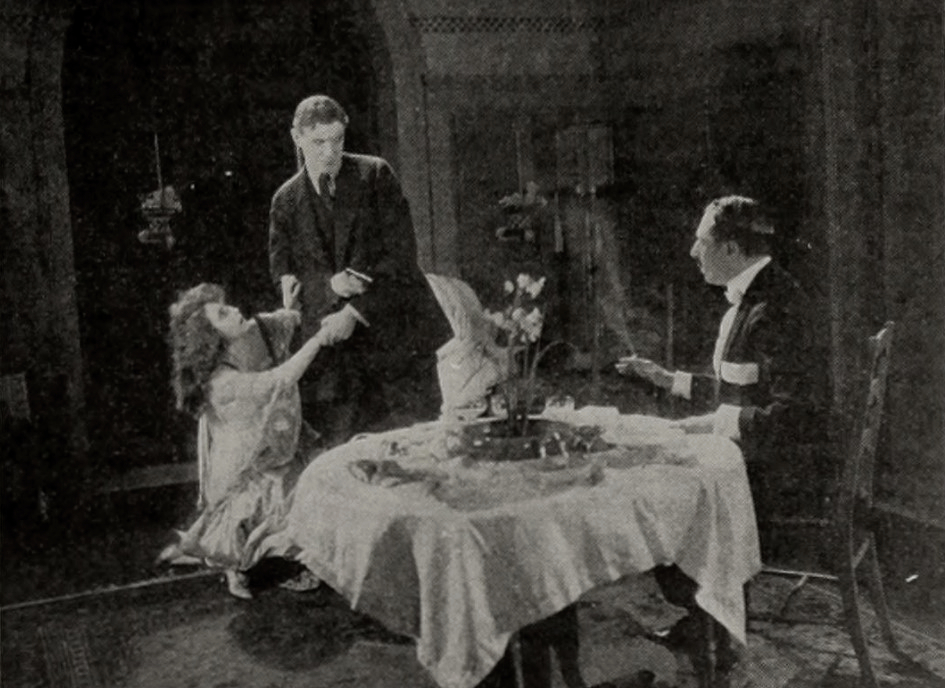
Even in more traditional settings, we see the seeds of the bizarre. The Egg Crate Wallop tells the story of a rural youngster who uses the strength he gained from handling egg crates to become a boxing champion. It’s an absurd premise played with total sincerity—a hallmark of many beloved cult classics. The "hick" who succeeds through unconventional means also appears in The Hick, where the struggle against an opposing father-in-law becomes a battle of wits and will.
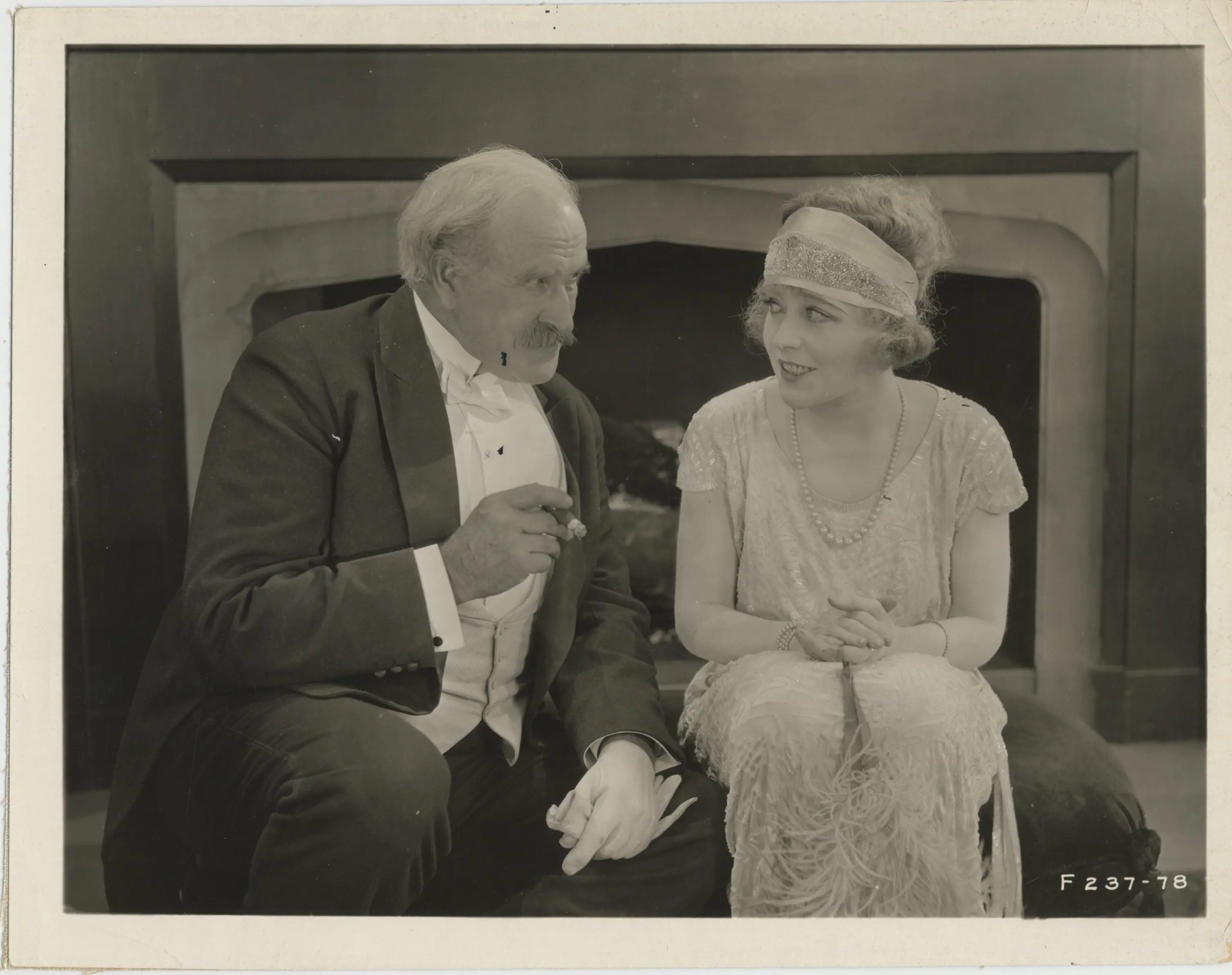
The Transgressive Romance: Love in the Shadows
Cult cinema is often obsessed with love that is forbidden, doomed, or just plain weird. Sündige Liebe (Sinful Love) and Poor Karin delve into the darker side of romance. Karin, a model for a painter, is toyed with and forgotten, a tragic arc that highlights the power dynamics and emotional cruelty often explored in cult melodramas. These are stories of the "broken heart" taken to its most melodramatic extreme.

In The Forbidden Thing, we see the clash between puritanical values and the "corrupting" influence of a fishing village. This tension between the rigid standards of society and the primal urges of the individual is a recurring theme in films that aim to subvert the status quo. Cult cinema thrives in this liminal space between the sacred and the profane.
International Anomalies: Cult Cinema as a Global Language
The cult impulse is not restricted by borders. In the early 20th century, filmmakers across the globe were creating works that defied easy categorization. China’s Lao gong zhi ai qing (Laborer's Love) uses "creative carpentering" as a plot device for romance, blending physical comedy with a DIY spirit that feels remarkably modern. Meanwhile, Azerbaijan’s Neft vä milyonlar sältänätindä (In the Realm of Oil and Millions) explored the social dramas of a rapidly changing world, capturing a specific cultural moment that would later become a point of fascination for film historians.
In India, Mohini Bhasmasur utilized Hindu mythology to create a tale of divine trickery and power. When Bhasmasur gains the power to burn anyone by touching their head, Lord Vishnu must intervene. This use of mythological fantasy provided a visual spectacle that preceded the high-concept genre films of today. These international works show that the desire for the extraordinary is a universal human trait.
The Urban Nightmare and the Class Divide
As the world moved toward urbanization, early cinema reflected the anxieties of the city. The Invisible Divorce portrays a couple who move to the city with dreams of fortune, only to be reduced to living in poverty. This "city of failing light" motif is a common thread in cult cinema, where the urban landscape is often depicted as a labyrinthine monster that swallows the hopeful.
The contrast between the small town and the metropolis is further explored in Silk Husbands and Calico Wives. When a small-town attorney moves to the city, his wife’s inability to fit in becomes a source of dramatic tension. This sense of being a "fish out of water" or an uncomfortable outsider is central to the cult experience. We identify with the characters who cannot, or will not, conform to the polished expectations of high society.
Mystery and the Macabre: The Thrill of the Unknown
Mystery has always been a potent ingredient in the cult cocktail. Films like L'énigme and 12.10 (Twelve-Ten) utilized suspense and the threat of hidden plots to keep audiences on edge. In 12.10, a French orphan is adopted by a British nobleman, only for a kidnapping plot to threaten their fortune. These stories of endangered innocence and shadowy conspiracies laid the groundwork for the noir and thriller elements that would eventually seep into the midnight movie circuit.
Even the documentary shorts of the era, such as Hides - And Go Seek, hint at a fascination with the hidden and the unseen. Whether it was the literal "hiding" of animals or the metaphorical hiding of secrets in a drama like The Winged Mystery (featuring twins caught on opposite sides of the Great War), the early cinema audience was being primed for stories that required deep decoding.
The Legacy of the Unconventional
Why do we continue to obsess over these films? Why do titles like You'd Be Surprised or Gay and Devilish still resonate with the modern cinephile? It is because they represent a time when the rules of cinema were still being written. Every frame was an experiment. Whether it was the dream-logic of Sinbad, the Sailor or the social commentary of It Isn't Being Done This Season, these films dared to be different.
The cult film is more than just a movie; it is a cultural artifact that speaks to the rebel in all of us. It celebrates the blacksmith who breaks down the jail door and the woman who pretends to be a mannequin. It finds beauty in the "hick" and the "outlaw." As we look back at the first century of cinema, we see that the "midnight mindset" was there from the very beginning, flickering in the nitrate and waiting for a tribe to call its own.
In conclusion, the 50 films we have explored—from the mythological heights of Creation to the gritty reality of The Lone Hand—form a mosaic of the human condition in all its weird, wonderful glory. They remind us that the most enduring stories are often the ones that start on the fringe. So, the next time you find yourself at a midnight screening, remember the midnight alchemists of the silent era. They were the ones who first learned how to turn the lead of the mundane into the gold of the cult classic.
Community
Comments
Log in to comment.
Loading comments…