
Cult Cinema
The Midnight Mandate: How Early Cinema’s Misfit Reels Scripted the DNA of Devotional Fandom
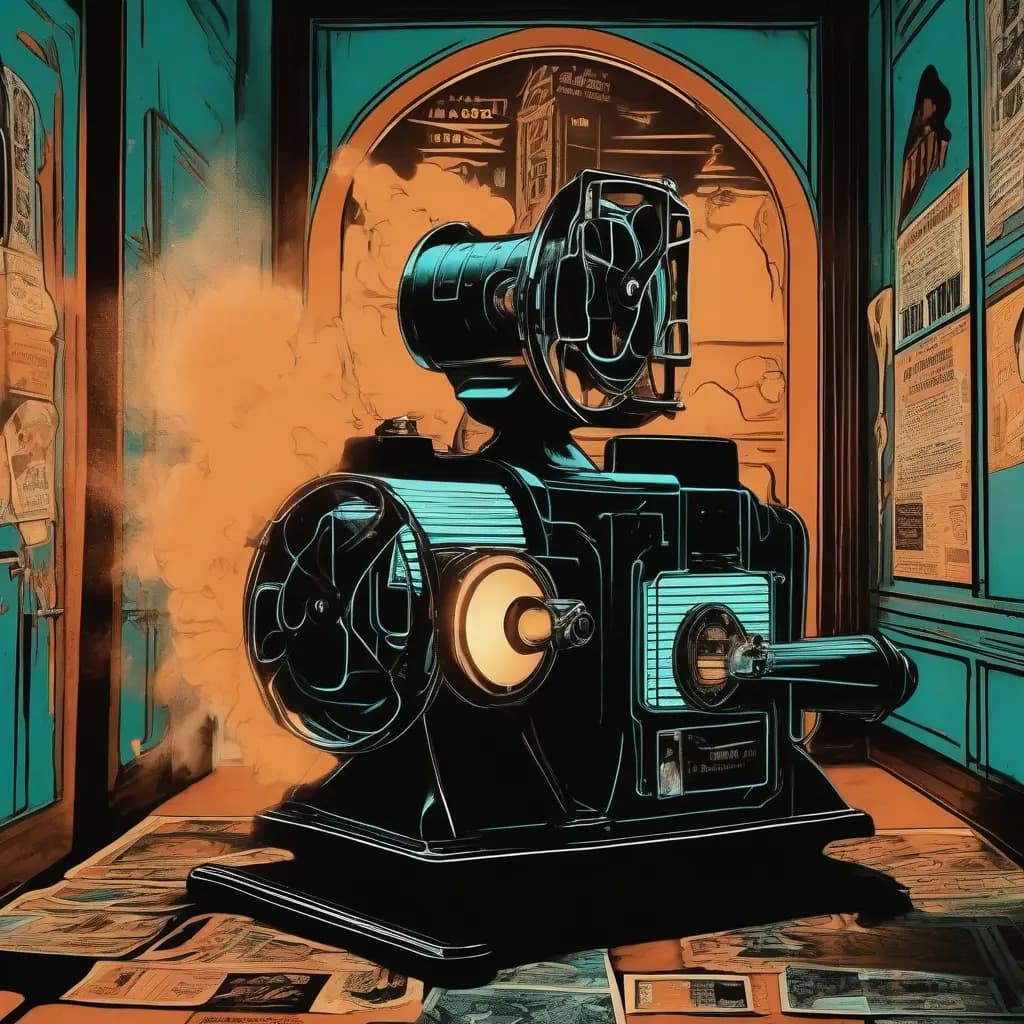
“A deep-dive exploration into how the transgressive narratives and experimental visual languages of the 1910s and 20s established the foundation for modern cult cinema obsession.”
When we speak of cult cinema, the mind often wanders to the neon-soaked midnight screenings of the 1970s or the grimy VHS aisles of the 1980s. However, the true Midnight Mandate—that unwritten law that compels a viewer to obsess over the strange, the transgressive, and the misunderstood—was drafted nearly a century earlier. Long before the term 'cult film' entered the lexicon, the silent era was already producing a breed of 'misfit reels' that challenged social mores, experimented with surrealist imagery, and invited a level of devotion that transcended mere entertainment. To understand the modern cult obsession, we must look back at the flickering shadows of the 1910s and 1920s, where the blueprint for cinematic rebellion was first etched into celluloid.
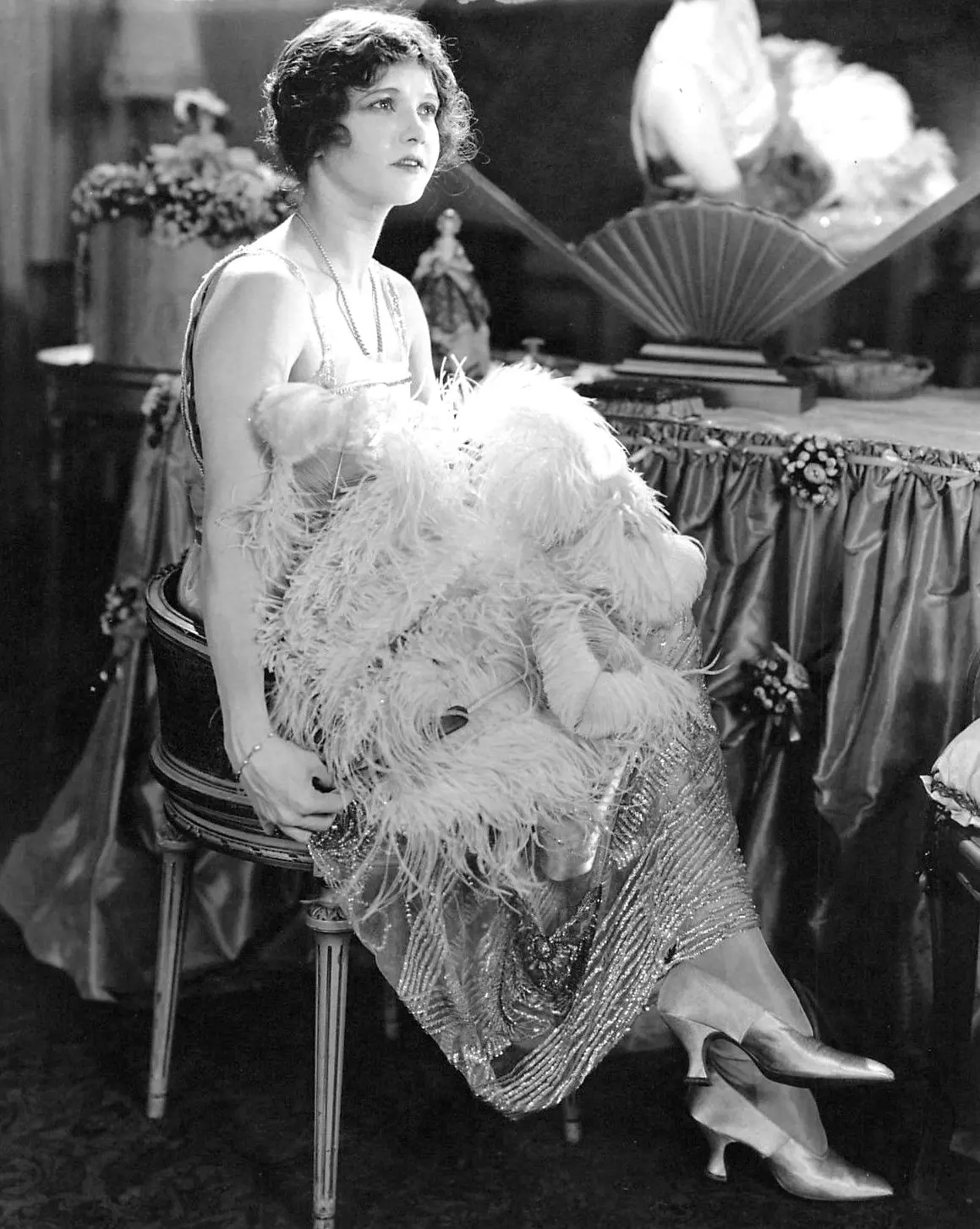
The Architecture of the Anomalous: Why We Worship the Misfit
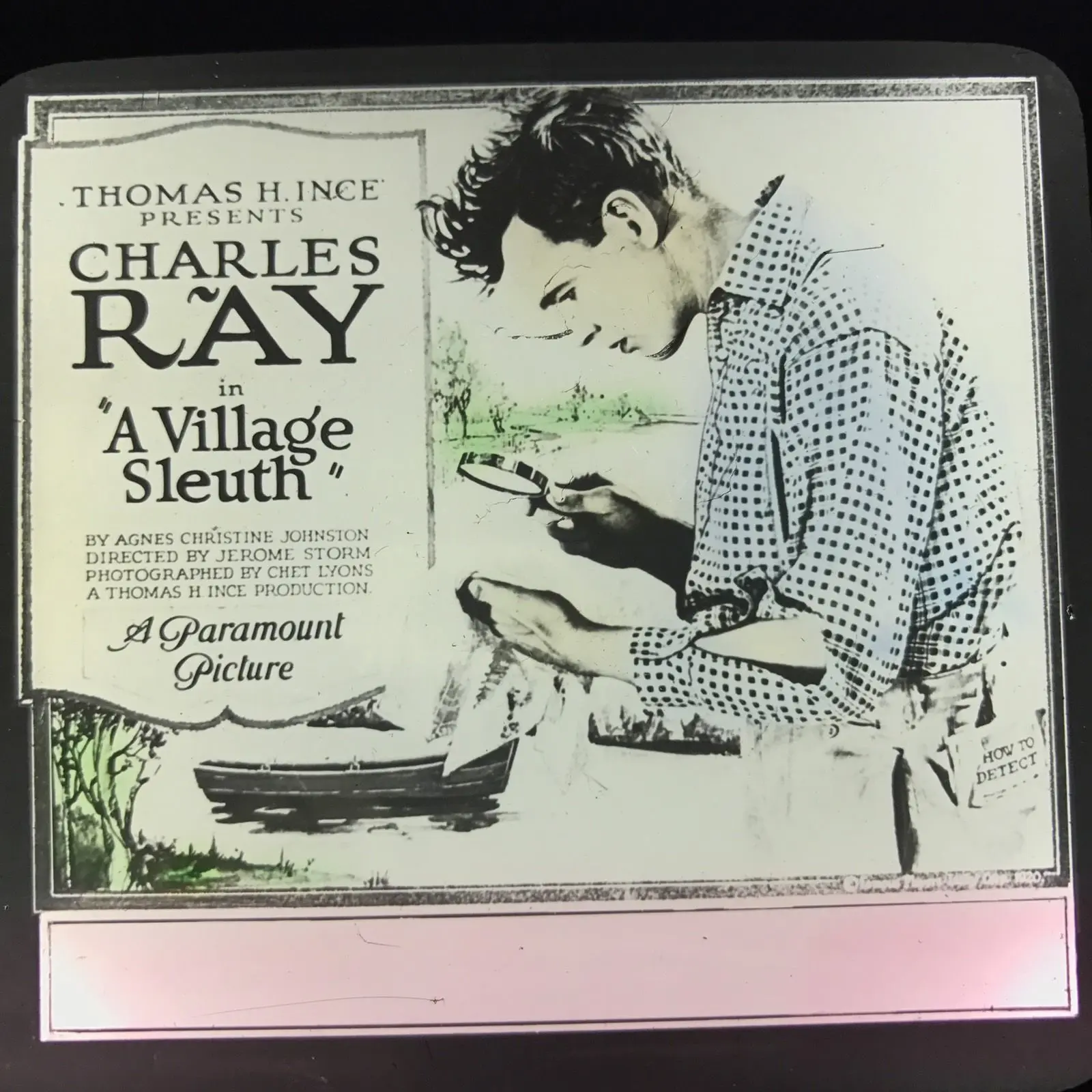
Cult cinema is defined by its otherness. It is the cinema of the fringe, the art that refuses to sit comfortably within the boundaries of the mainstream. In the early 20th century, this 'otherness' was often born out of necessity or radical experimentation. Consider the 1920 film The Village Sleuth. On the surface, it appears to be a simple crime comedy, yet its portrayal of a bumbling detective who accidentally stumbles into a real conspiracy mirrors the 'accidental hero' trope that would later define cult protagonists from the Coen Brothers to David Lynch. It is this sense of the anomalous narrative—the story that doesn't quite fit the expected mold—that first ignited the spark of niche devotion.
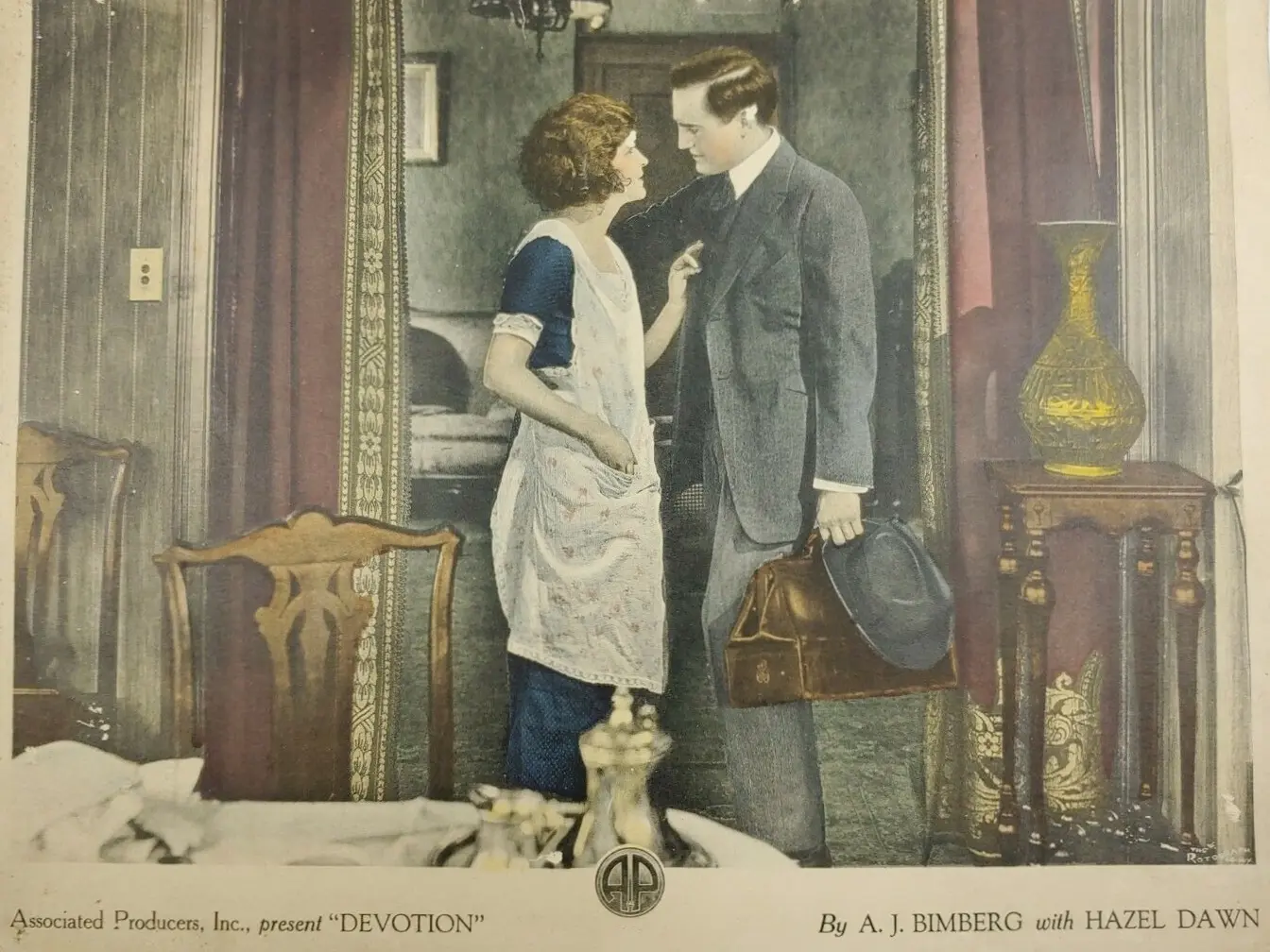
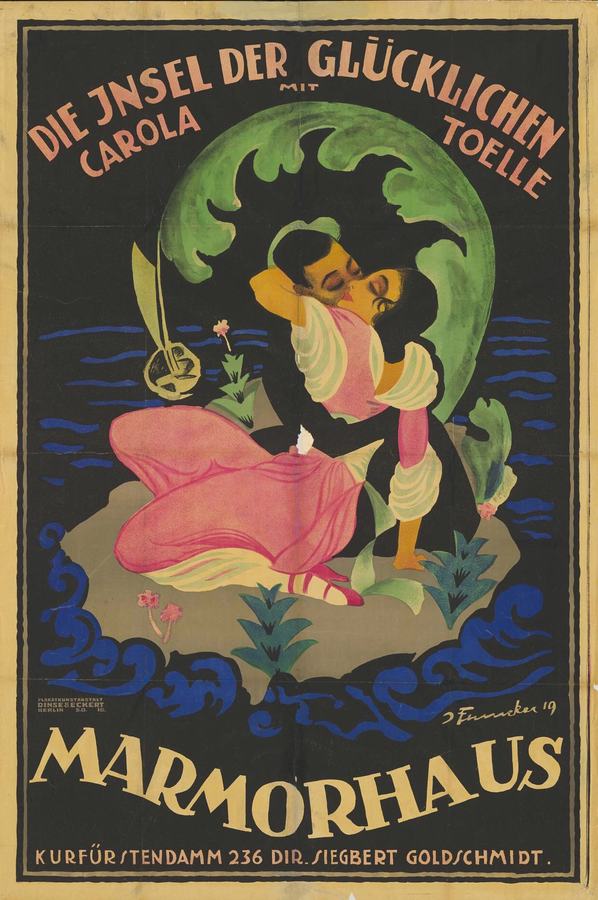
Early filmmakers were not just telling stories; they were building worlds that felt dangerously close to our own yet were skewed by a fever-dream logic. Films like Die Insel der Glücklichen (The Island of the Blessed) offered a proto-fantasy escape that felt more like a psychedelic trip than a traditional narrative. This rejection of the 'safe' story is the cornerstone of the cult ethos. When a film like The Kentucky Derby (1922) takes a sports drama and turns it into a gritty tale of being 'shanghaied onto a tramp freighter,' it signals to the audience that anything can happen. This unpredictability is what keeps a film alive in the cultural consciousness long after its theatrical run has ended.
Transgression as a Foundation: The Moral Grey Zones
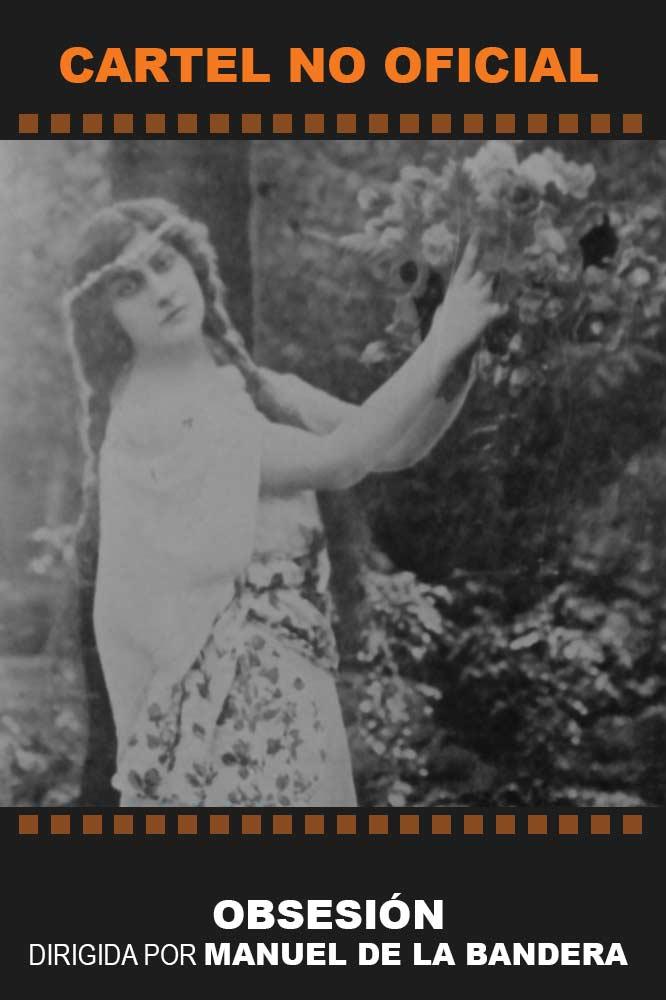
The modern cult film often thrives on transgression—breaking taboos and exploring the darker impulses of the human psyche. This genetic marker was present in the early works of the silent era, which often tackled themes that were, for their time, profoundly shocking. The Scarlet Road (1918) serves as a prime example. By placing a Puritan-raised woman in the middle of a Bohemian New York social circle, the film explored the tension between traditional morality and the 'deviant' lifestyle of the artistic fringe. This exploration of the clash of cultures is a recurring theme in cult cinema, reflecting the audience's own desire to see the boundaries of 'polite society' challenged.
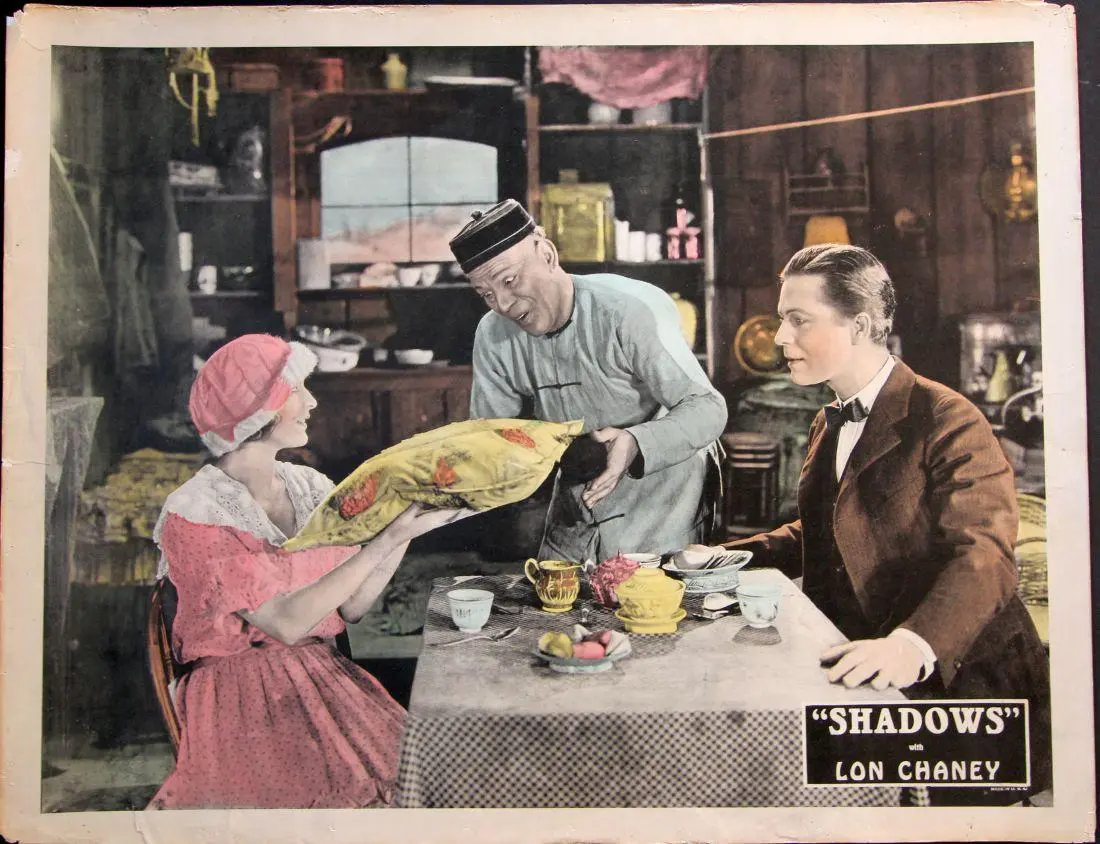
Similarly, Don't Shoot (1922) and A Rogue's Romance (1919) introduced the concept of the charismatic criminal—the master thief or the reformed crook who remains fundamentally an outsider. These characters are the ancestors of the 'cool' anti-heroes we worship today. They represent a rebellion against the law, yet they possess a moral code that is uniquely their own. In Three Sevens (1921), the story of Convict 777 escaping a cruel warden during a prison uprising provided the kind of visceral, anti-authoritarian thrill that would later become a staple of the 'exploitation' and 'grindhouse' genres that fuel cult fandom.
The Feminine Rebellion: Proto-Cult Heroines
One of the most significant, yet often overlooked, aspects of early cult cinema is the emergence of the radical heroine. Before the 'Final Girl' or the 'Femme Fatale' became codified tropes, films like A Doll's House (1918) were already laying the groundwork. Nora Helmer’s struggle against an authoritarian husband and the threat of blackmail in a society that gave her no agency resonates with the same subversive energy found in modern feminist cult classics. These films were not just dramas; they were acts of cinematic defiance.
We see this further in The Timber Queen (1922), where a young woman must defend her inheritance against a predatory timber trust. This is the birth of the action heroine—a woman who is not merely a damsel in distress but a central figure of agency and power. The cult audience has always been drawn to these 'outsider' women who refuse to conform. Whether it is the 'follies girl' in The Education of Elizabeth (1921) navigating the stuffy aristocrats or the dancer's daughter in The Parisian Tigress (1919), these characters represent a break from the status quo that feels incredibly modern.
Visual Fever Dreams: The Surrealism of the Silent Fringe
Cult cinema is as much about 'the look' as it is about the story. The visual language of the silent era was inherently experimental, often leaning into the surreal and the grotesque. The 1918 short The Hinges on the Bar Room Door or the animated whimsy of Down the Mississippi (1917) showed that filmmakers were willing to push the medium beyond the literal. This visual daringness is what creates the 'vibe' that cult fans obsess over—a specific aesthetic that cannot be replicated by mainstream polish.
Consider the 1916 version of Snow White. While we often think of the story through a Disney-fied lens, the early silent adaptations leaned into the gothic and the uncanny. This 'weird' fairy tale aesthetic is a direct ancestor to the dark fantasy films that occupy the shelves of cult collectors today. Even in more grounded films like Beautiful Lake Como, Italy (1914), the use of early color processes created a dreamlike, hyper-real quality that feels almost supernatural. This fascination with the unreal image is a primary driver of cult devotion; it is the desire to see the world through a distorted, yet beautiful, lens.
The Seven Deadly Sins: Concept as King
In 1917, a series of features titled Seven Deadly Sins was released, each focusing on a different vice (Pride, Greed, Envy, etc.). This was an early example of 'high concept' filmmaking—a thematic obsession that would later define the works of directors like Alejandro Jodorowsky or Lars von Trier. By organizing cinema around abstract concepts rather than just linear plots, these early creators were speaking to an audience that wanted something more than a simple narrative. They wanted a cinematic sacrament.
This conceptual depth is also found in Within the Cup (1918), which explores disillusionment and the 'Parisian art life' through a lens of tragedy and betrayal. It’s a film that wallows in its own atmosphere, much like the 'vibe movies' of the modern era. When a film like The Heart of a Rose (1920) weaves a complex web of rivalries, adopted children, and sworn vengeance, it creates the kind of dense, mythic storytelling that invites repeat viewings and deep-dive analysis—the very hallmarks of a cult following.
Global Oddities and the Universal Language of the Weird
Cult cinema has no borders. The early 20th century saw a massive exchange of 'weird' cinema across the globe. From Russia’s Deti Veka (Children of the Age, 1915) to Germany’s The Oyster Princess (1919), filmmakers were exploring the decadence and decay of the modern world. The Oyster Princess, with its satirical take on American heiresses and impoverished princes, used camp and exaggeration in a way that feels strikingly similar to the works of John Waters or the Kuchar brothers. It is a film that understands the power of the absurdist spectacle.
Meanwhile, films like Genie tegen geweld (Genius Against Violence, 1916) brought an international flavor to the 'diamond heist' genre, proving that the thrill of the chase and the allure of the 'big score' were universal cinematic languages. The cult fan is often a treasure hunter, seeking out these international oddities that haven't been sanitized by the Hollywood machine. The discovery of a film like Bolla di sapone (1921) or the Dutch exploration of faith in Fides (1919) provides the same rush as finding a rare bootleg at a midnight screening.
The Enduring Legacy: From Silent Reels to Midnight Screens
What connects The Babes in the Woods (1917)—a story of a millionaire faking his death to test his family's loyalty—to the cult classics of today? It is the shared DNA of narrative subversion. These early films were the first to realize that the camera could be used as a tool for more than just recording reality; it could be used to distort it, to mock it, and to transcend it. Whether it is the 'nut golf instructor' in Golfing (1917) wrecking a parlor or the 'bumbling detective' in The Village Sleuth, these moments of absurdity and rebellion are what stay with us.
The 'Midnight Mandate' is not a modern invention. It is a legacy of the silent era's most daring creators who were willing to be 'the other.' They were the first to understand that for a certain type of viewer, the mainstream was never enough. We seek out the Stolen Hours (1918) and the Ghost City (1921) because they offer a glimpse into a world that is stranger, darker, and more vibrant than our own. As we continue to celebrate the cult icons of the present, we must never forget the 'celluloid heretics' of the past who first taught us how to worship at the altar of the unusual.
In conclusion, the history of cult cinema is a history of the unconventional. It is a lineage that stretches from the first flickering frames of The Duck Hunter (1917) to the most transgressive modern masterpieces. By examining the 'misfit reels' of the early 20th century, we find that the spirit of rebellion has always been at the heart of the cinematic experience. The midnight movie was born in the sunlight of the silent era, waiting for the shadows to grow long enough for us to finally see it for what it truly is: the soul of the medium itself.
Community
Comments
Log in to comment.
Loading comments…