
Cult Cinema
The Midnight Mutation: How Early Cinema’s Forgotten Misfits and Moral Outlaws Sculpted the Modern Cult Psyche
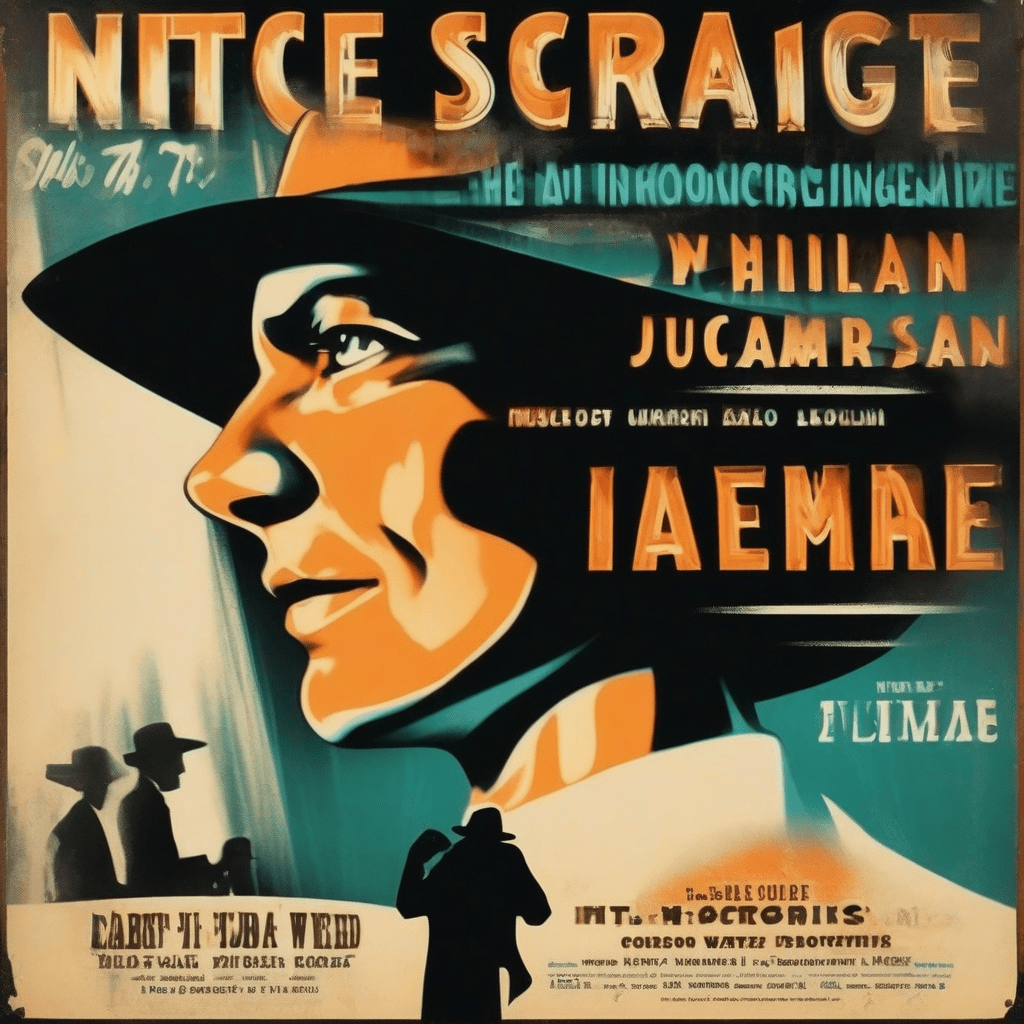
“A deep dive into the silent era's transgressive outliers and genre-bending rebels that laid the primordial foundation for today's cult film obsession.”
Before the term "cult film" was ever coined, before the midnight movie circuits of the 1970s and the VHS-fueled obsessions of the 1980s, there was a shadow world of celluloid. This was the era of the silent fringe—a time when filmmakers, unburdened by the rigid formulas of later studio systems, experimented with moral transgressions, surreal comedy, and gritty realism that would eventually become the DNA of cult cinema. To understand why we are drawn to the weird, the wild, and the misunderstood today, we must look back at the 1910s and 1920s, unearthing the flickers that dared to defy the status quo.
The Genesis of the Cinematic Outlier
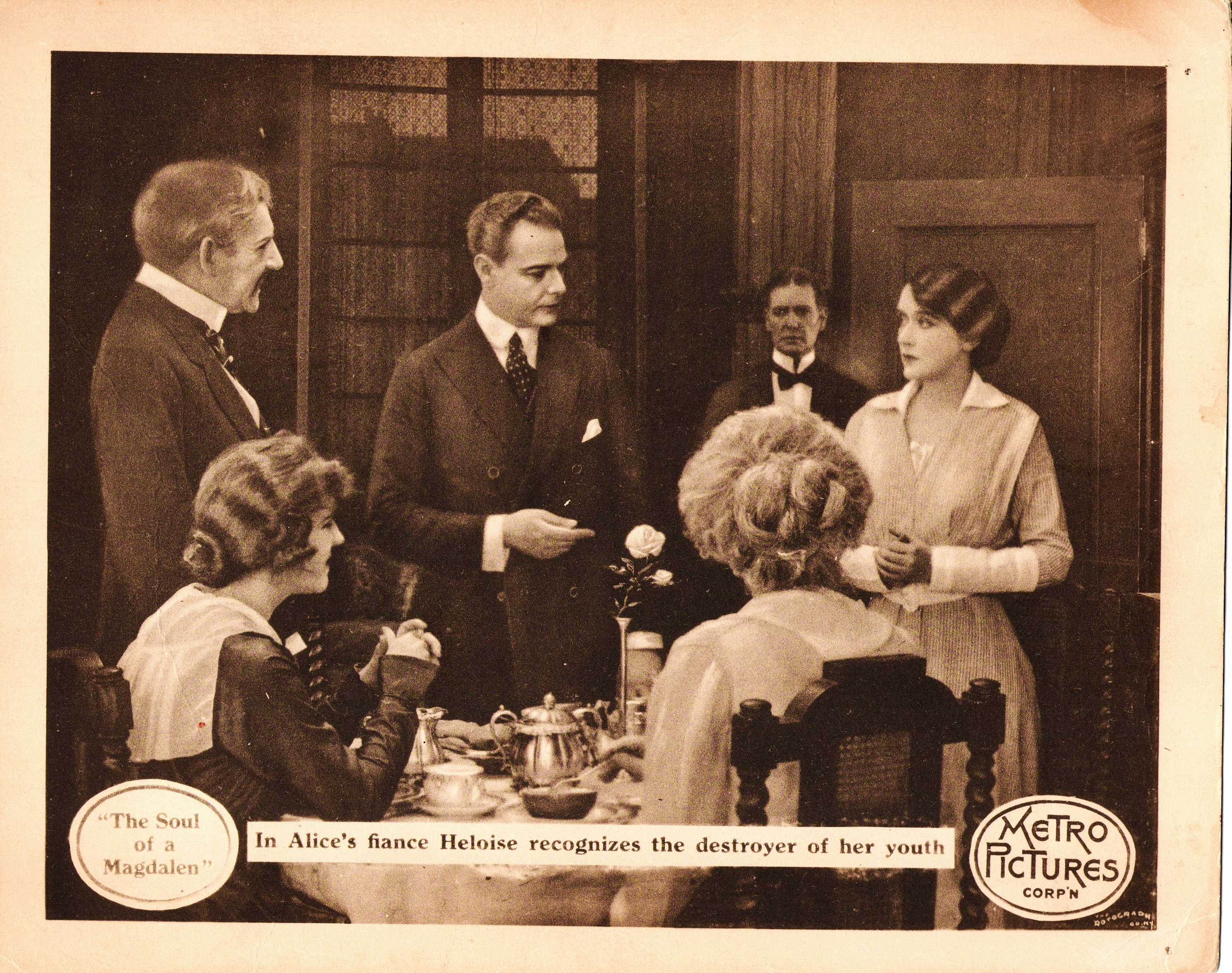
Cult cinema is defined not by its budget or its box office, but by its relationship with its audience. It is a cinema of devotion, often centered on films that were too strange, too dark, or too unconventional for the mainstream. In the early 20th century, these outliers existed in the form of social dramas and experimental shorts. Consider the 1920 film The Soul of a Magdalen. It tells the story of Heloise Broulette, a woman forced into a life of sacrifice and social ostracization to save her family. This narrative of the "fallen woman" or the social pariah is a cornerstone of the cult ethos—the celebration of the marginalized figure fighting against a judgmental society.
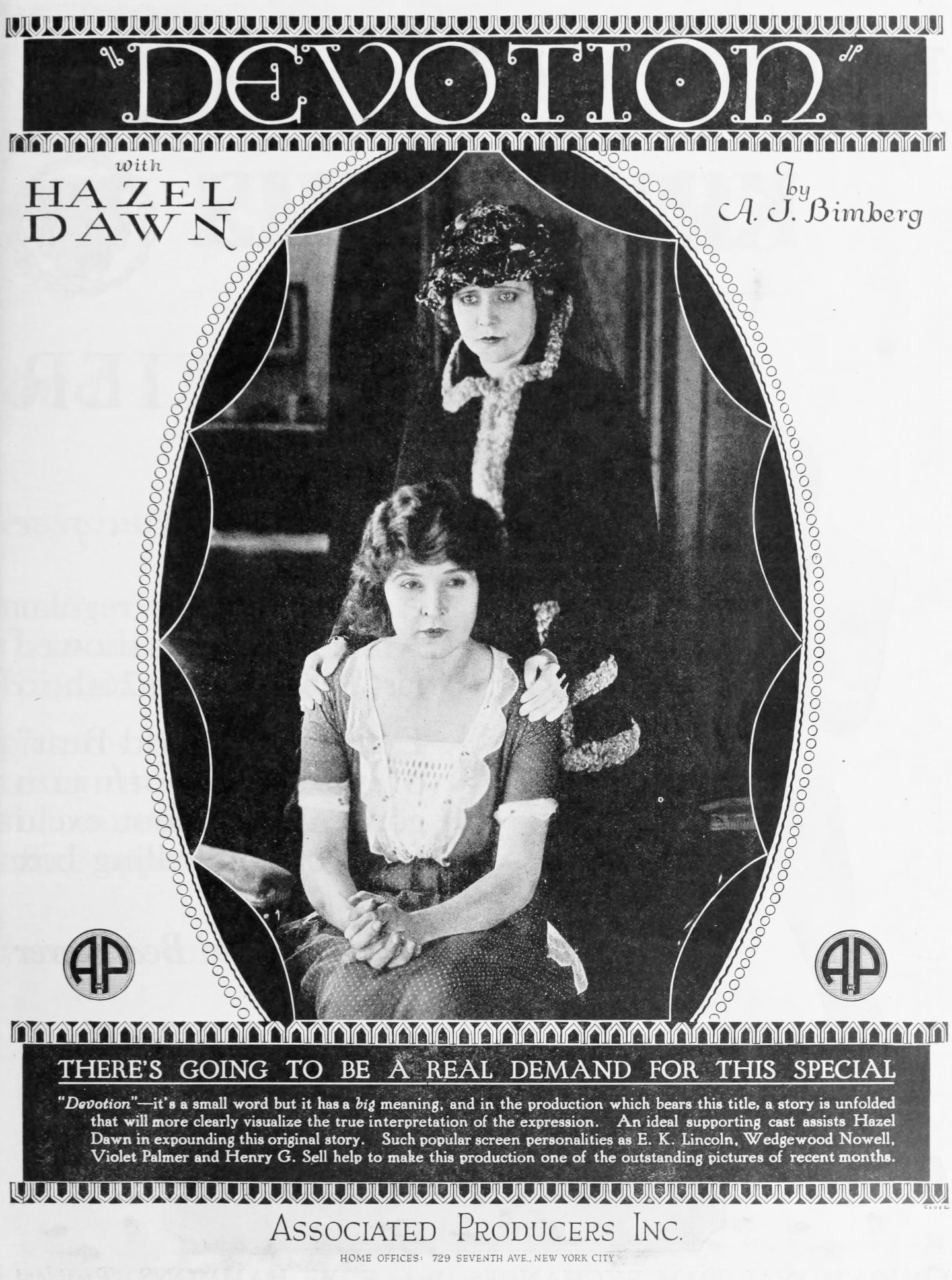
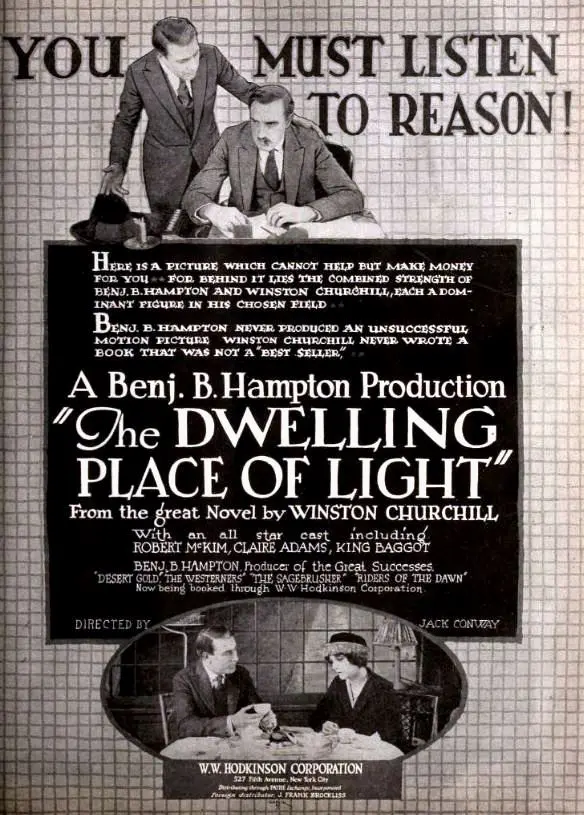
Similarly, The Dwelling Place of Light (1920) delved into the malevolent power dynamics of the workplace, touching on sexual harassment and class struggle long before these themes were safely codified into modern drama. These films weren't just entertainment; they were provocations. They invited the viewer into a world of moral gray zones, a space where cult fandom thrives. When we watch a modern cult classic, we are often looking for that same sense of raw, unfiltered truth that these early silent rebels captured.

Transgression and the Moral Underground
The Psychological Edge of Early Melodrama
One of the most potent elements of cult cinema is its willingness to explore the "taboo." In 1914, The Spirit of the Poppy offered a psychological study of drug addiction, a subject that would later become a staple of underground and cult narratives. By treating addiction with a sense of gravity and psychological depth, the film bypassed simple moralizing to offer something far more haunting. This is the same impulse that drives audiences toward films like Requiem for a Dream or Trainspotting—a desire to see the human condition at its most fractured.
The silent era also mastered the art of the "high-stakes" moral dilemma. In The Conflict (1916), the tension between love, spirit, and wealth is played out with a ferocity that mirrors the obsessive quality of later cult romances. The film pits two women against each other in a battle for the same man, exploring themes of pride and spirited poverty versus the cold comfort of money. This kind of emotional extremity is what transforms a standard narrative into a cult object; it is the "too-muchness" of the performance and the plot that invites repeated viewings and fanatical analysis.
The Outlaw Archetype: From the Frontier to the Fringe
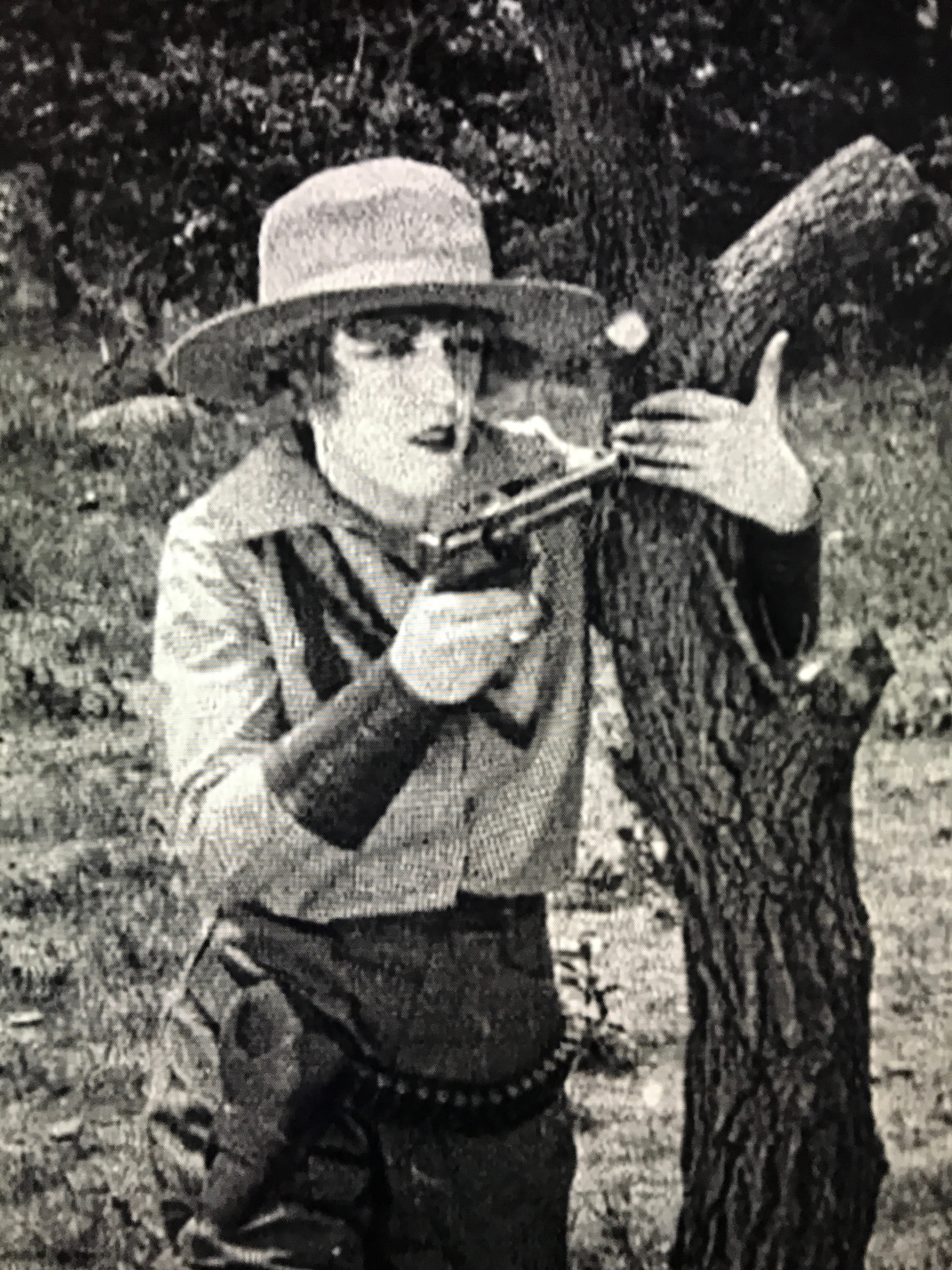
If cult cinema has a patron saint, it is the Outlaw. The silent era’s Westerns and action dramas provided the perfect blueprint for the "anti-hero" who would later dominate the cult landscape. Take The Testing Block (1920), starring the legendary William S. Hart as "Sierra" Bill. Bill is a tough outlaw who forces a traveling violinist into marriage, only to find his life of domesticity shattered by a gambler named Ringo. The film is a masterclass in the rebel narrative—the story of a man who lives by his own rules, outside the law, yet possesses a jagged, personal code of honor.
This archetype is echoed in films like Bare Fists (1919), where Cheyenne Harry must navigate the cycle of gun violence that claimed his father. The tension between the desire for peace and the necessity of violence is a recurring motif in cult cinema, from the spaghetti westerns of Sergio Leone to the neo-noirs of Quentin Tarantino. Even international outliers like Dan Morgan (1911), which chronicled the violent life of the Australian bushranger, contributed to this global fascination with the man on the run. These films established the visual and thematic language of the cinematic renegade, a figure that continues to captivate the cult imagination.
Genre-Bending and the Surreal
Cult films often defy easy categorization, blending genres in ways that confuse the mainstream but delight the devotee. The silent era was rife with such anomalies. The Iced Bullet (1917) presents a mystery that feels almost surreal in its execution, blending high-society New York with the isolation of the Adirondacks. Then there are the short-form experiments like By Golly! (1920), a comedy that descends into the absurdity of a stag party where a watch is dropped into a cuspidor. This kind of low-brow, chaotic humor is the direct ancestor of the "gross-out" and "weird-com" genres that would later define late-night television.
Animation, too, played a role in this early "midnight" energy. Sound Your 'A' (1917), a Mutt and Jeff cartoon, was designed to interact with the live orchestra in the theater, breaking the fourth wall and creating a meta-textual experience. This disruption of the cinematic frame—the acknowledgment that the audience is part of the performance—is a key element of the cult movie experience, most famously seen in the ritualized screenings of The Rocky Horror Picture Show.
Global Shadows: The International Cult Gaze
The cult impulse was never limited to Hollywood. In Europe and beyond, filmmakers were exploring the darker corners of the human psyche with a boldness that still resonates. Satanas (1920), a three-part historical epic featuring a young Bela Lugosi, explored the influence of evil across different eras, from ancient Egypt to the Russian Revolution. Lugosi, who would later become the ultimate cult icon as Dracula, was already inhabiting the space of the supernatural outsider.
In Hungary, films like Az utolsó éjszaka (1917) told stories of primadonnas who abandoned their families for the cabaret and the stage, embodying the "bohemian" lifestyle that has always been central to cult subcultures. In Greece, O aniforos tou Golgotha (1917) offered a religious vision that bordered on the ecstatic, showing a young woman’s visions of the passion of Christ. These films were not merely telling stories; they were attempting to capture heightened states of being—the spiritual, the demonic, and the erotic—which are the primary colors of the cult palette.
The Architecture of the Unconventional
Why do these films matter now? Because they represent the first time cinema was used to explore the "unconventional." Whether it was the swashbuckling adventure of Aladdin from Broadway (1917) or the gritty family survivalism of A Sister of Six (1916), these stories prioritized the emotional truth of the "other" over the polished expectations of the elite. Even a film like The Crab (1917), which centers on a wealthy man who rules his town through fear, speaks to the cult fascination with the "villain as protagonist"—the exploration of the dark heart of power.
Cult cinema is also about the "discovery." Finding a film like The Secret Formula or the bizarre historical drama The Destruction of Carthage (1914) feels like uncovering a lost civilization. These films were often lost, suppressed, or simply forgotten, only to be resurrected by historians and cinephiles who recognized their unique spark. This process of rediscovery and re-evaluation is what fuels the modern cult community. We aren't just watching a movie; we are participating in a rescue mission for the strange.
The Enduring Legacy of the Misfit
As we look at the 50 films that define this early period, we see a pattern. We see the "fibbers" and the "magdalens," the "apaches of Paris" and the "gentlemen of leisure." We see a world where The Brief Debut of Tildy (1919) can highlight the plight of the overlooked waitress, and where Every Mother's Son (1918) can explore the devastating personal toll of war. These are the narratives of the misfit, the overlooked, and the transgressive.
The modern cult film is a direct descendant of these silent outliers. When we celebrate the weirdness of David Lynch or the transgressive energy of John Waters, we are echoing the same spirit found in The Hinges on the Bar Room Door or Hit or Miss. These early films proved that cinema could be a home for the eccentric, a place where the "hit or miss" nature of experimentation was more important than the safety of the mainstream. They taught us that the most enduring images are often the ones that flicker in the shadows, waiting for a devoted audience to bring them back into the light.
In conclusion, the "midnight mutation" was not a sudden event in film history. It was a slow-burn evolution that began in the nitrate reels of the 1910s. By embracing the moral rebels, the genre-defying oddities, and the international misfits of the silent era, we gain a deeper appreciation for the rich, subversive history that continues to drive cinematic obsession today. The next time you sit down for a midnight screening, remember that the ghosts of the silent fringe are right there with you, flickering in the darkness, forever defiant.
Community
Comments
Log in to comment.
Loading comments…