
Cult Cinema
The Midnight Precursor: Unearthing the Primal Transgressions and Visual Anarchy of Cinema's First Century of Misfits
“Dive into the forgotten depths of early cinema to discover how the silent era's most bizarre and transgressive works laid the foundation for modern cult movie obsession.”
The concept of the cult film is often tethered to the 1970s—a decade defined by midnight screenings of leather-clad rebels and psychedelic nightmares. However, to understand the true genetic makeup of cinematic obsession, one must look further back into the flickering shadows of the silent and early sound eras. Long before the term "cult" was codified by critics, there existed a subterranean world of genre mutations, moral outliers, and visual experiments that defied the rigid structures of mainstream storytelling. These were the films that didn't just entertain; they haunted, confused, and radicalized their audiences.
The Genesis of the Cinematic Outlier
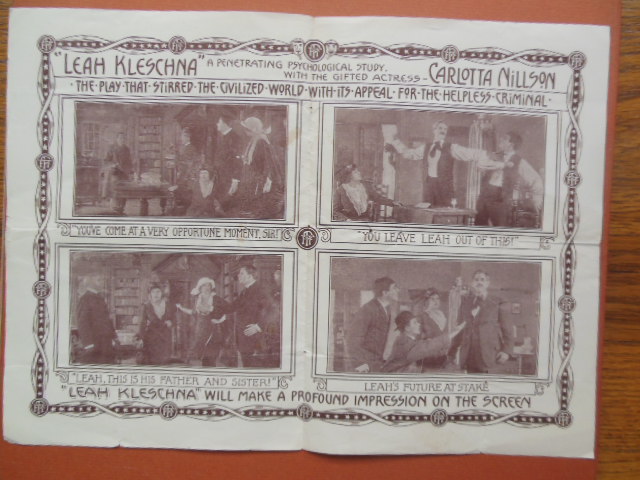
Cult cinema is, at its core, a cinema of the "other." It is the territory of the misunderstood, the transgressive, and the aesthetically radical. When we examine early works like Leah Kleschna (1913), we see the seeds of the anti-heroine archetype. A story about a girl taught to steal by her father, it bypasses simple moralizing to explore the complexities of redemption and social conditioning. This is the same spirit that would later fuel the noir obsession of the 1940s and the counter-culture movements of the 1960s. These films were not merely "bad" or "unpopular"; they were narrative provocations that demanded a different kind of spectatorship.
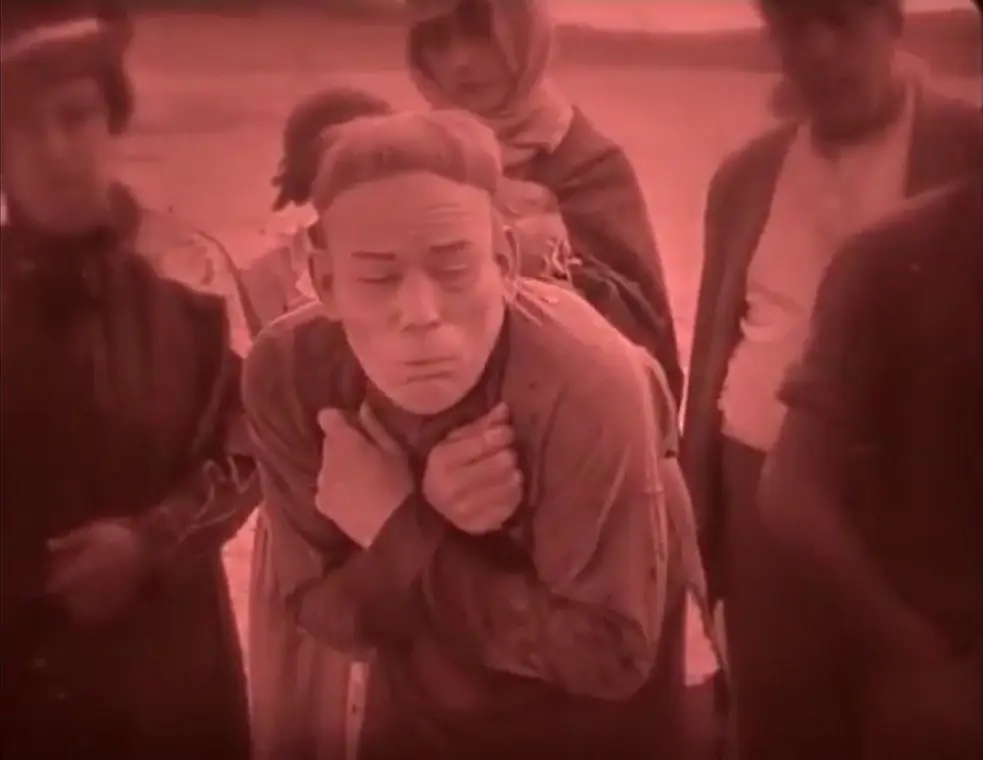
Consider the 1920 film The Wandering Image (Das wandernde Bild). Directed by Fritz Lang before he became a titan of German Expressionism, it features a woman who surrenders herself to a disciple of "free love" and later marries the Doppelgänger of her lover. Such themes of fractured identity and sexual liberation were decades ahead of their time, creating a template for the psychological thrillers that would eventually become cult staples. These early films were the first to realize that cinema could be a mirror for the subconscious, a place where the uncanny and the taboo could coexist.
The Architecture of Body Horror and the Fantastic
Before David Cronenberg or Clive Barker, there was The Island of the Lost (1921). An unofficial and loose adaptation of H.G. Wells' The Island of Dr. Moreau, this film represents the primal roots of cinematic body horror. By exploring the blurred lines between man and beast, it tapped into a deep-seated cultural anxiety about science and evolution. This type of genre-bending—mixing sci-fi, horror, and social commentary—is exactly what defines the cult experience. It creates a space where the audience is forced to confront the grotesque and find a strange, transgressive beauty within it.
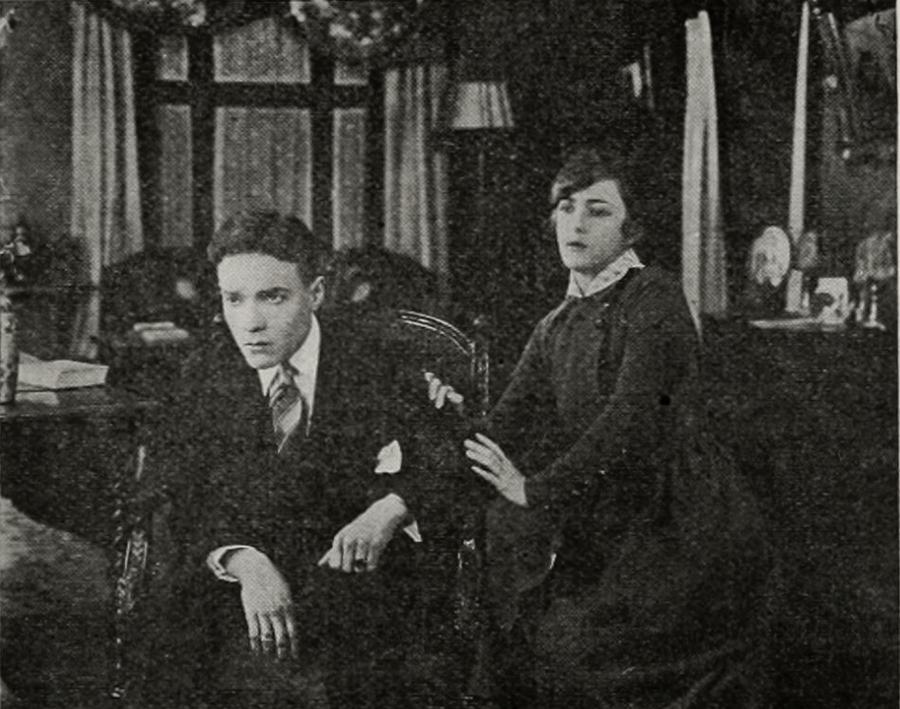
Equally bizarre is the 1917 curiosity The Dream Doll. Centered on a "cracked-brain chemist" who discovers an elixir to bring dolls to life, the film prefigures the surrealist movements that would later dominate the avant-garde. The imagery of inanimate objects gaining sentience is a recurring motif in cult cinema, from Child’s Play to Puppet Master. By grounding these fantastical elements in the mundane setting of a toy factory, The Dream Doll established a tradition of suburban surrealism that continues to resonate with fans of the weird and the wonderful.
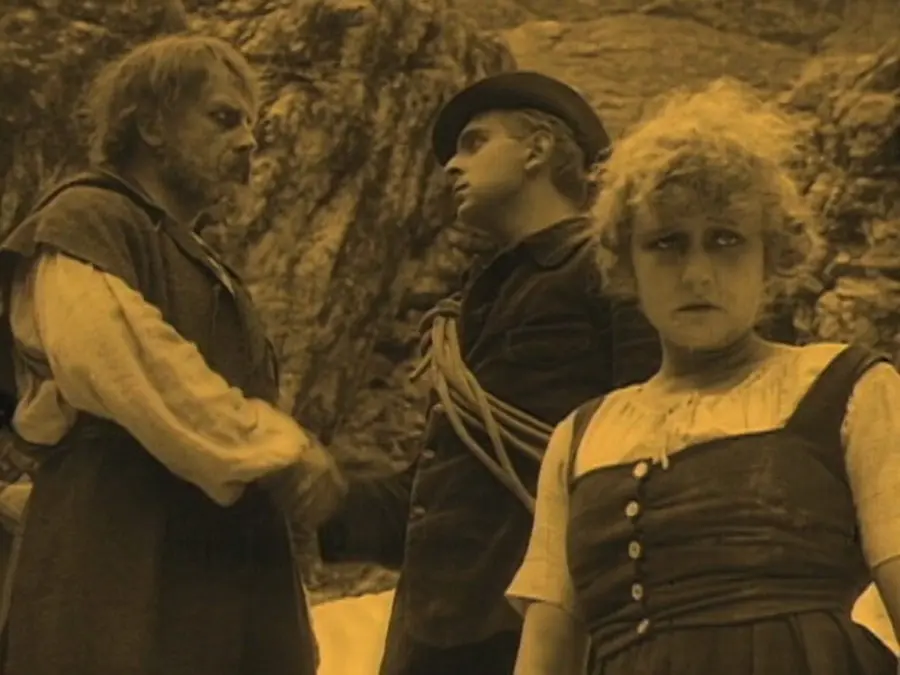
Morality on the Fringe: The Transgressive Spirit
One of the hallmarks of a cult classic is its willingness to spit in the face of conventional morality. In the early 20th century, films like Thou Shalt Not Covet (1916) and Her Double Life (1916) pushed the boundaries of what was permissible on screen. The former, a tale of a scientist envying his neighbor's happiness and falling for his wife, explored the darker impulses of the human heart without the safety net of a traditional "happy ending." The latter, starring the legendary Theda Bara, utilized the "vamp" archetype to subvert expectations of female domesticity. These films were the original "bad influence," providing a blueprint for the rebellious cinema of the future.
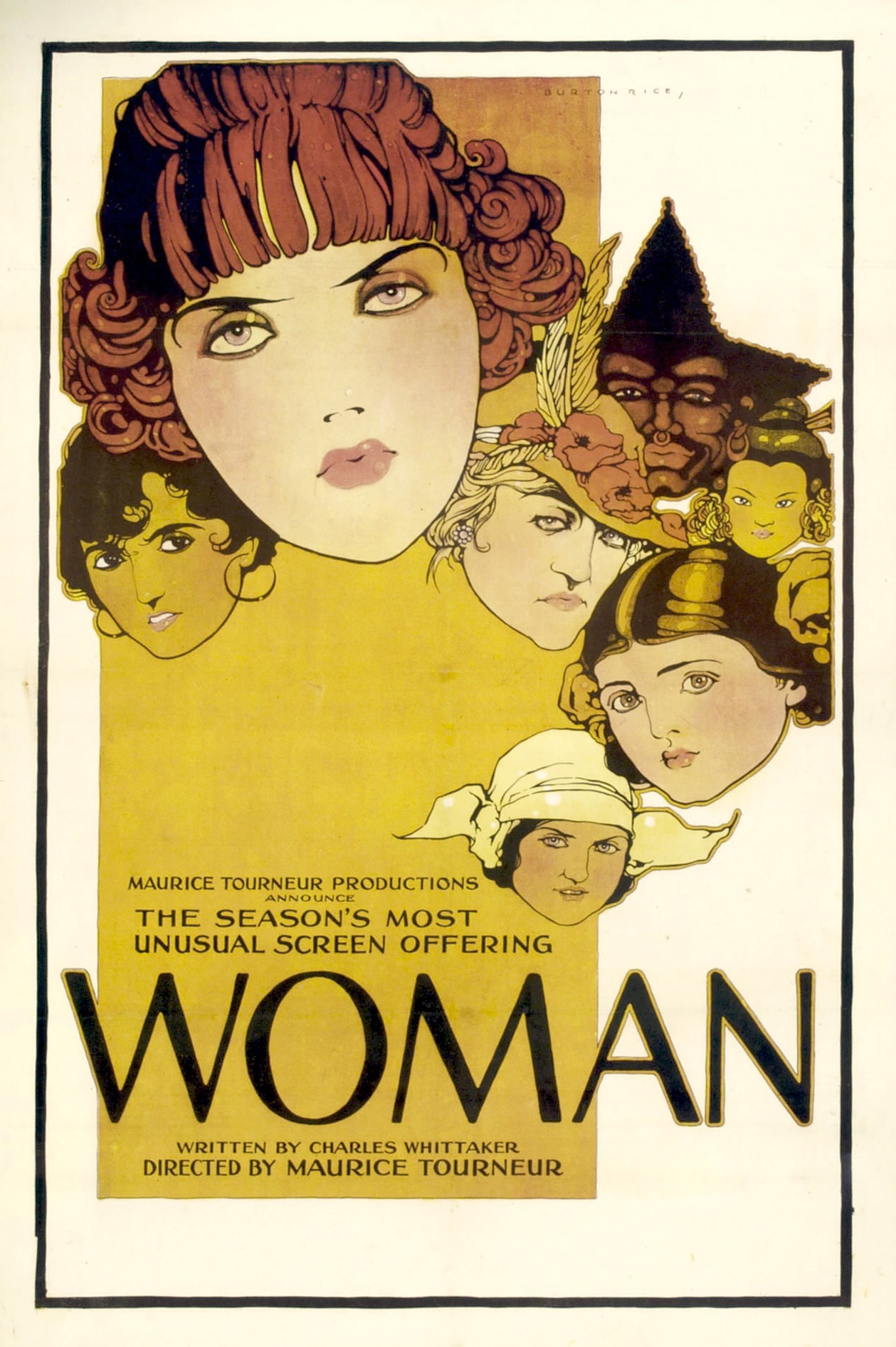
In Food for Scandal (1920), we see the intersection of class struggle and personal desire. The story of an orphaned aristocrat navigating the pitfalls of San Francisco society offers a biting critique of the American Dream. This thread of social subversion is a vital component of the cult DNA. Whether it’s the punk-rock energy of the 1980s or the digital nihilism of the 2000s, cult films have always been a refuge for those who feel alienated by the status quo.
The Absurd, the Camp, and the Shimmy
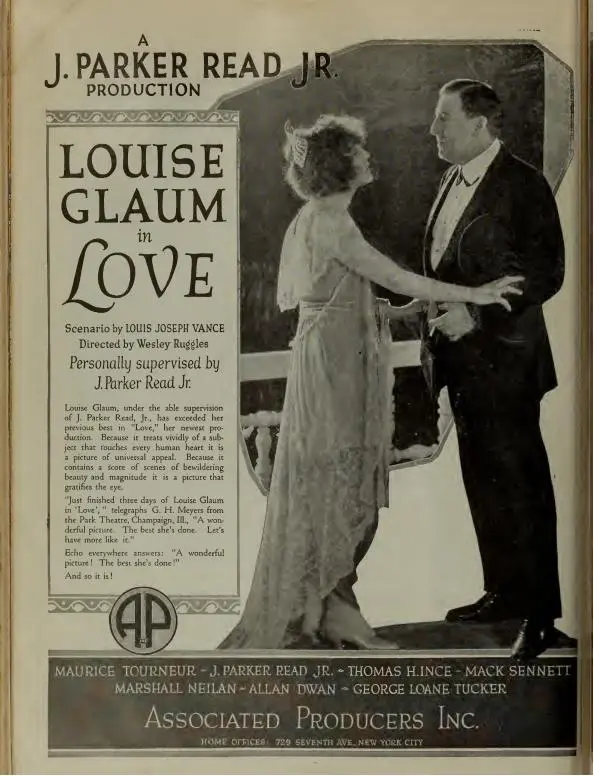
Cult cinema is not always grim and transgressive; it is also a celebration of the absurd. The silent era was rife with physical comedy that bordered on the hallucinogenic. Everybody's Doing It (1919) features Mutt and Jeff running a "Jazz-Shimmy school" where a man shimmies until he shrinks to the size of a boy. This level of unhinged creativity is the ancestor of the "camp" aesthetic. It embraces the ridiculous and elevates it to a form of high art, much like the works of John Waters or the Zucker brothers.
Similarly, The Shimmy Gym (1920) and The Broadway Sport (1917) utilized the fads of the day to create high-energy, often nonsensical narratives that prioritized spectacle over logic. The Broadway Sport, featuring a clerk who locks criminals in a safe and makes off with their loot, plays with the idea of the "accidental hero," a trope that remains a favorite in cult action and comedy circles. These films remind us that the cult audience has always had an appetite for the kinetic and the chaotic.
Atmospheric Dread and the Silent Macabre
Atmosphere is the invisible hand that guides many cult obsessions. The Bells (1914), set on a snowy Christmas Eve in a tavern, uses its environment to build a sense of impending doom. The tinkling of sleigh bells becomes a harbinger of guilt and madness, a technique that would be perfected by later masters of suspense. This focus on sensory storytelling—where the mood of the film is just as important as the plot—is a defining characteristic of the midnight movie.
In the realm of mystery, A Voice in the Dark (1921) offered a unique structural conceit: a murder solved by a deaf woman and a blind man. This reliance on sensory deprivation and unconventional perspectives is a hallmark of the experimental narrative. By forcing the audience to experience the world through limited or altered senses, the film creates a sense of intimacy and unease that is central to the cult experience. It turns the act of watching a movie into a participatory puzzle.
The Legacy of the Forgotten Archive
Many of these films, such as The Last Egyptian (1914) or Le diamant noir (1913), exist today as fragments or footnotes in cinematic history. Yet, their influence is undeniable. The Last Egyptian, with its tale of ancestral vengeance and imperial dishonor, contains the melodramatic intensity that would later define the gothic horror genre. Le diamant noir, a story of wrongful accusation and stolen jewels, laid the groundwork for the procedural thrillers that dominate modern television and film.
Even the shorter, more ephemeral works like The Baseball Revue of 1917 or The Land of the Pygmies (1920) contributed to the cult landscape by catering to niche interests and documenting the fringes of human experience. They prove that the desire for specialized content—the very thing that drives modern fandom—has been a part of the cinematic experience since its inception.
Conclusion: The Eternal Return of the Strange
As we look back at the first century of cinema, we see a landscape populated by misfits, rebels, and visionaries. From the high-speed car chases of Scamps and Scandals (1919) to the secluded, narrow-minded world of The Stolen Kiss (1920), these films represent a vast and largely untapped reservoir of creative rebellion. They are the "midnight precursors," the silent ghosts that continue to haunt our screens and inspire our obsessions.
To be a fan of cult cinema is to be an archaeologist of the odd. It is to seek out the films that were too strange for the masses, too bold for the censors, and too unique to be forgotten. By honoring the legacy of films like The Exquisite Thief (1919) and Jack Chanty (1915), we are not just looking at history; we are participating in a sacred ritual of discovery. The cult cinema of today is built on the bones of yesterday's anomalies, and as long as there are filmmakers willing to take risks, the tradition of the strange and the transgressive will never die. In the end, the true power of these films lies in their ability to find their tribe—to reach across the decades and speak to the souls of the disenfranchised and the dreamers.
Community
Comments
Log in to comment.
Loading comments…