
Cult Cinema
The Neon Afterglow: Decoding the Primal Anarchy and Subversive Soul of Early Cinema’s Misfit Masterpieces
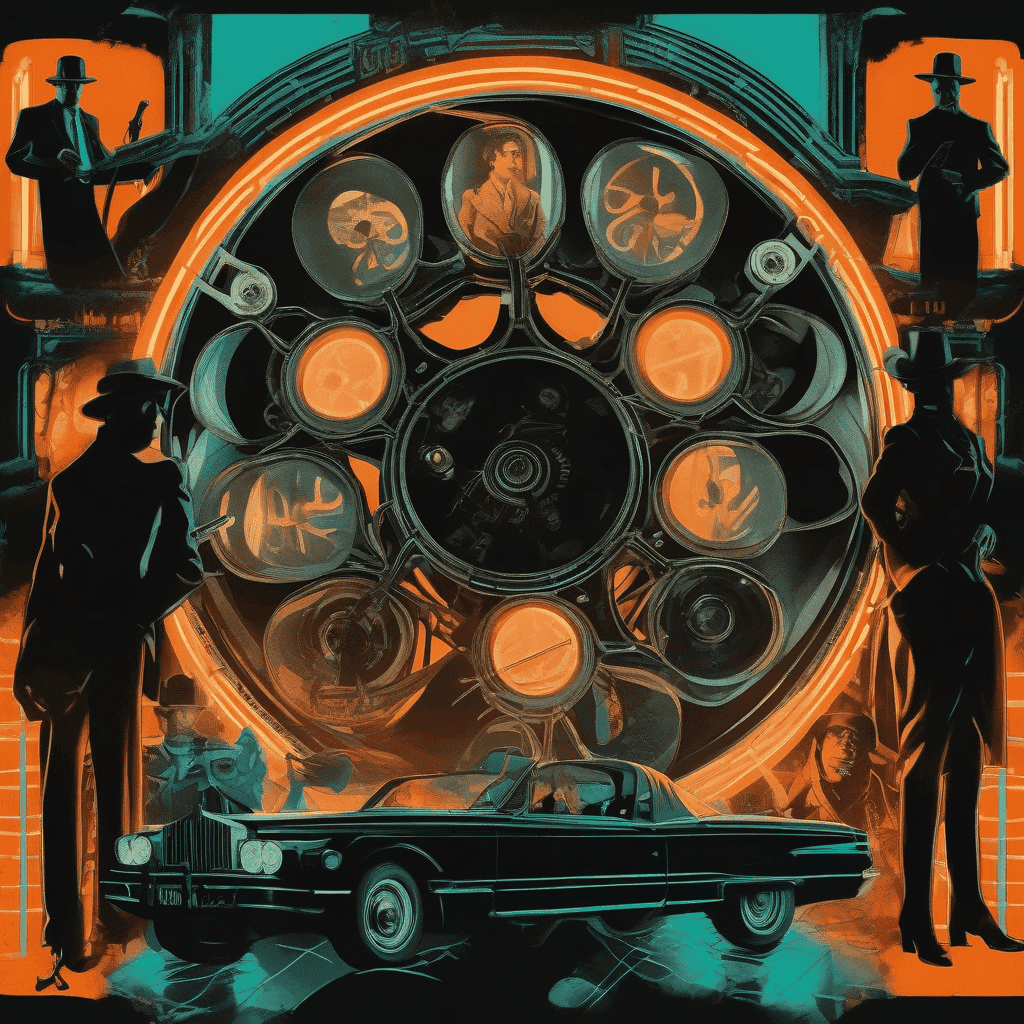
“A deep dive into the silent era's most unconventional reels, exploring how forgotten comedies and transgressive dramas laid the genetic foundation for modern cult obsession.”
Cult cinema is often defined by its fringes—the midnight screenings, the shouted callbacks, and the obsessive deconstruction of every frame. However, the DNA of this rebellion was not born in the 1970s with the rise of the counter-culture; it was forged in the flickering shadows of the 1910s and 1920s. To understand the modern obsession with the unconventional, we must look back at the original misfits: the silent era anomalies that defied the burgeoning Hollywood machine before the ink on the studio system's contract was even dry. These films, ranging from the burlesque parodies of Salome vs. Shenandoah to the moral complexities of The Sin Woman, represent a primal anarchy that continues to resonate with audiences who seek the strange and the transgressive.
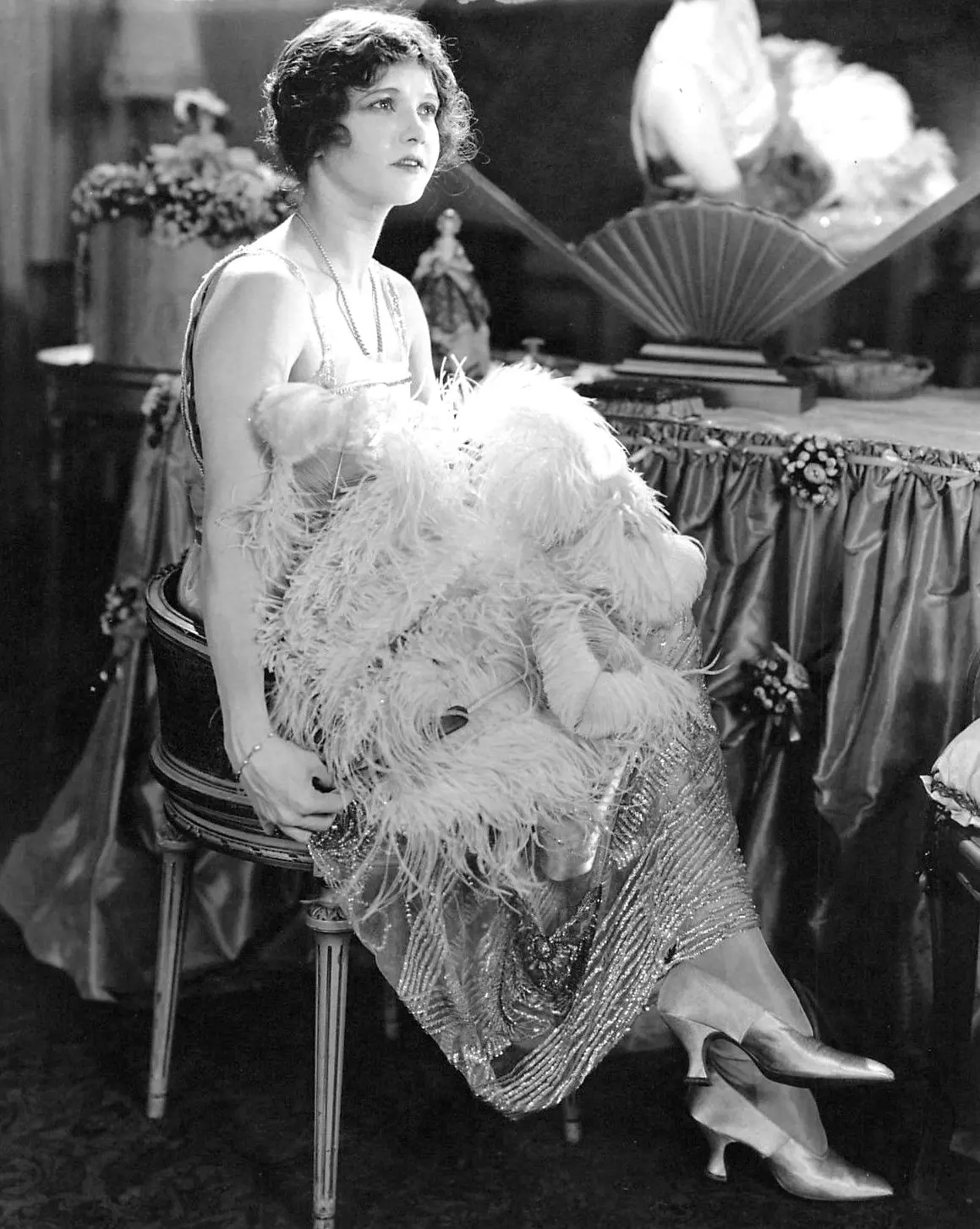
The Genesis of the Meta-Narrative: Prehistoric Parody and Self-Reflexion
Long before the modern meta-commentary of contemporary cult hits, early filmmakers were already dismantling the fourth wall. Take, for instance, the 1922 short The Original Movie. Set within the prehistoric 'Stonehenge Film Company,' it offers a satirical look at the filmmaking process itself. By depicting a writer dropping off a script in the Neolithic age, it suggests that the frustrations and absurdities of the industry are eternal. This kind of self-reflexive humor is a hallmark of cult cinema, appealing to an audience that is 'in on the joke.' It transforms the viewer from a passive observer into a co-conspirator in the cinematic process.
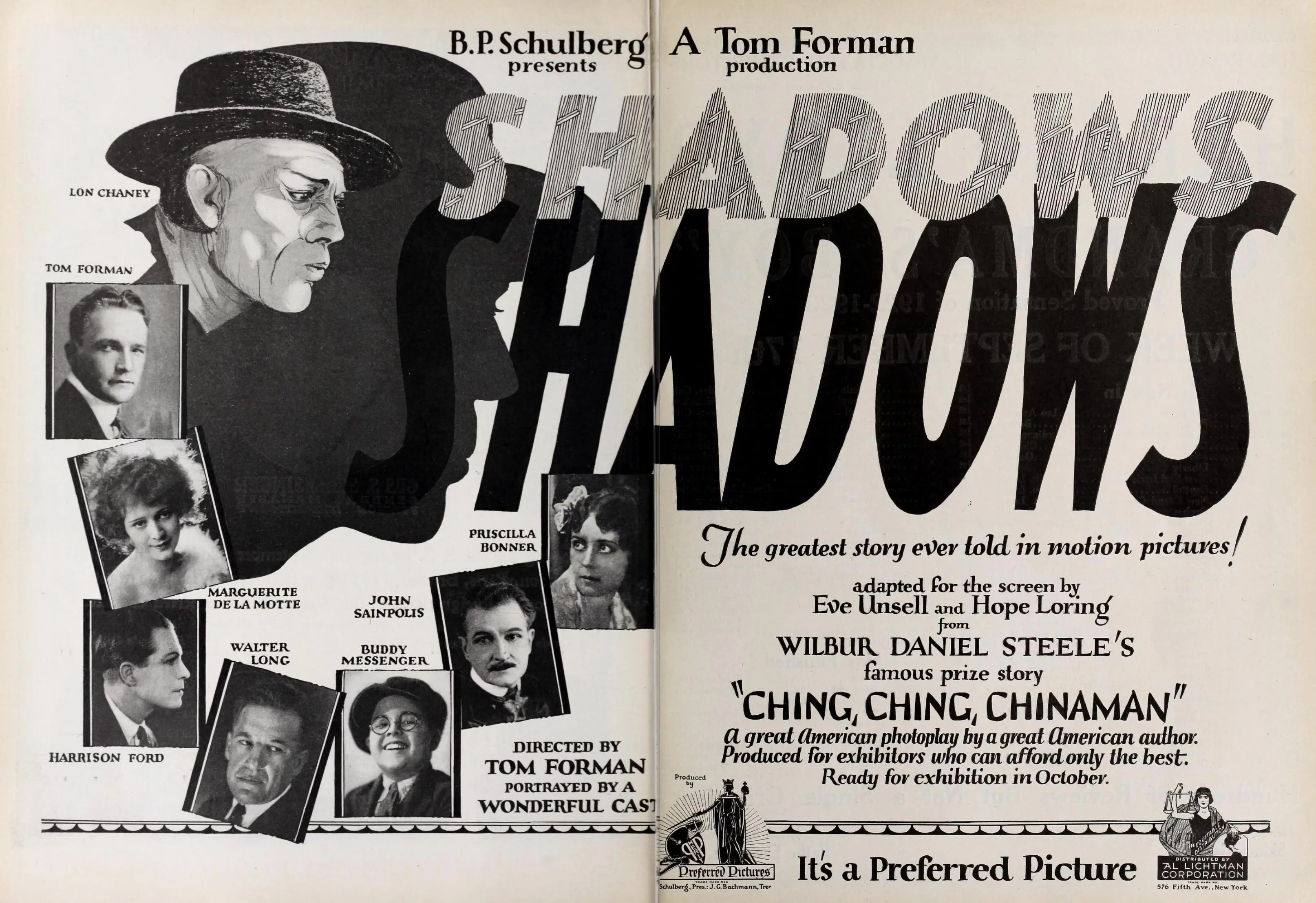
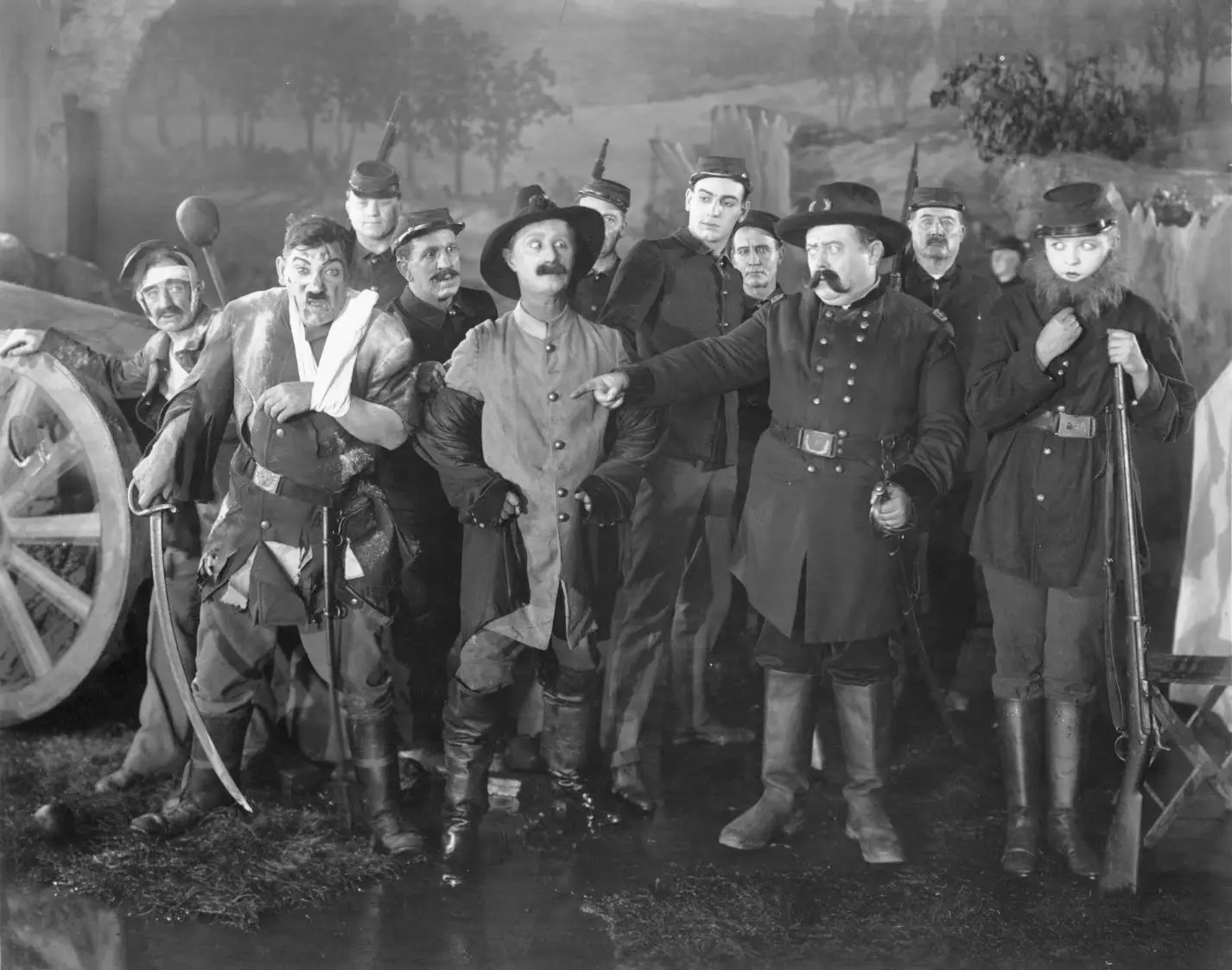
Similarly, Salome vs. Shenandoah (1919) operates as a burlesque of the popular stage dramas of the time. By presenting an inept theatrical troupe struggling through two vastly different genres—biblical drama and Civil War tragedy—it mocks the very idea of high art. This irreverence toward the 'sacred' is the lifeblood of cult status. It is the same spirit that would later fuel the success of films that thrive on their own perceived technical failures or 'so-bad-it-is-good' aesthetic. When we watch a country youth and a city chap fight for a girl in On with the Show, we are seeing the early archetypes of the rivalry that would become a staple of niche comedy, often elevated by an audience that finds the earnestness of the performance more compelling than the plot itself.
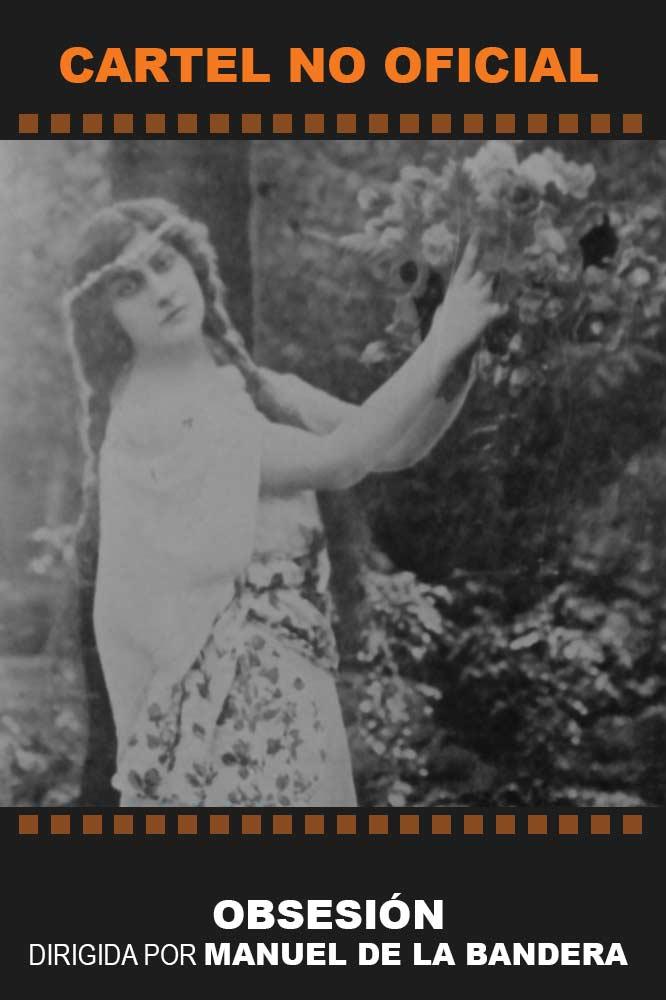
The Vamp, the Villain, and the Subversion of the Social Order
One of the most potent elements of cult cinema is its willingness to explore moral ambiguity and the 'forbidden.' In the early 20th century, this was often embodied by the 'vamp'—a woman who used her sexuality to subvert patriarchal control. The lost film The Sin Woman (1917) remains a legendary piece of cult history, despite only its trailer surviving. It opens with Eve’s temptation in the Garden of Eden and depicts her evolution into a modern vampire. This transgressive narrative, which links ancient myth to contemporary vice, is a precursor to the gothic and horror elements that dominate midnight movie circuits today.
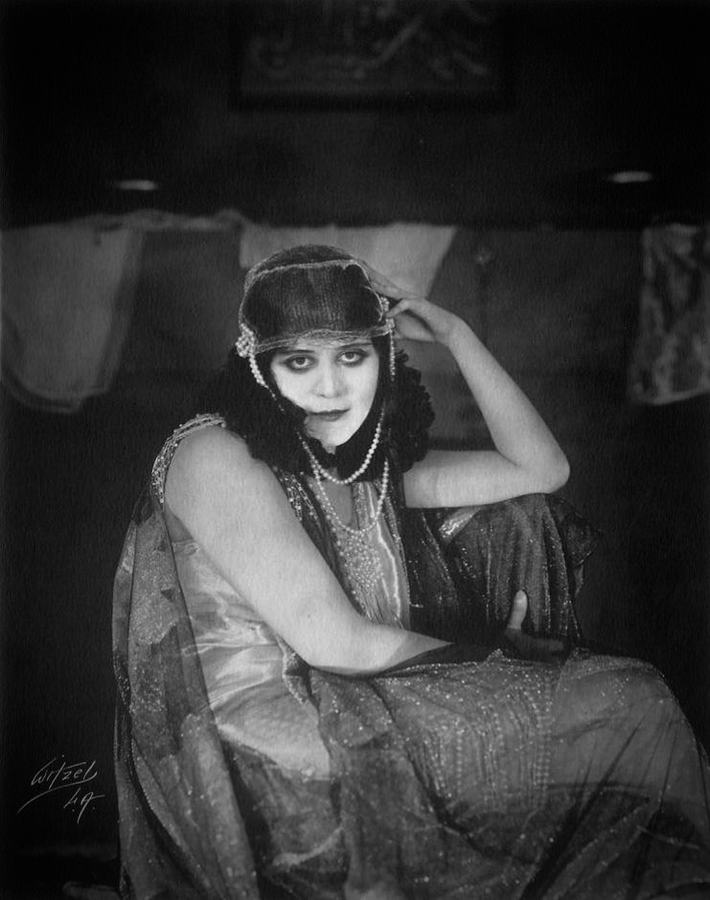
Films like The Eternal Sappho and Heedless Moths pushed these boundaries even further. In The Eternal Sappho, a sculptor's former lover returns to find him transformed, a narrative that explores the destructive power of obsession and the failure of social schemes. Heedless Moths (1921), featuring a model attempting to save a sculptor's marriage by assuming the identity of his wife, touches upon themes of identity and performance that are central to the cult experience. These films didn't just entertain; they challenged the moral status quo of their time, creating a space for those who felt outside the mainstream to see their own complexities reflected on screen.
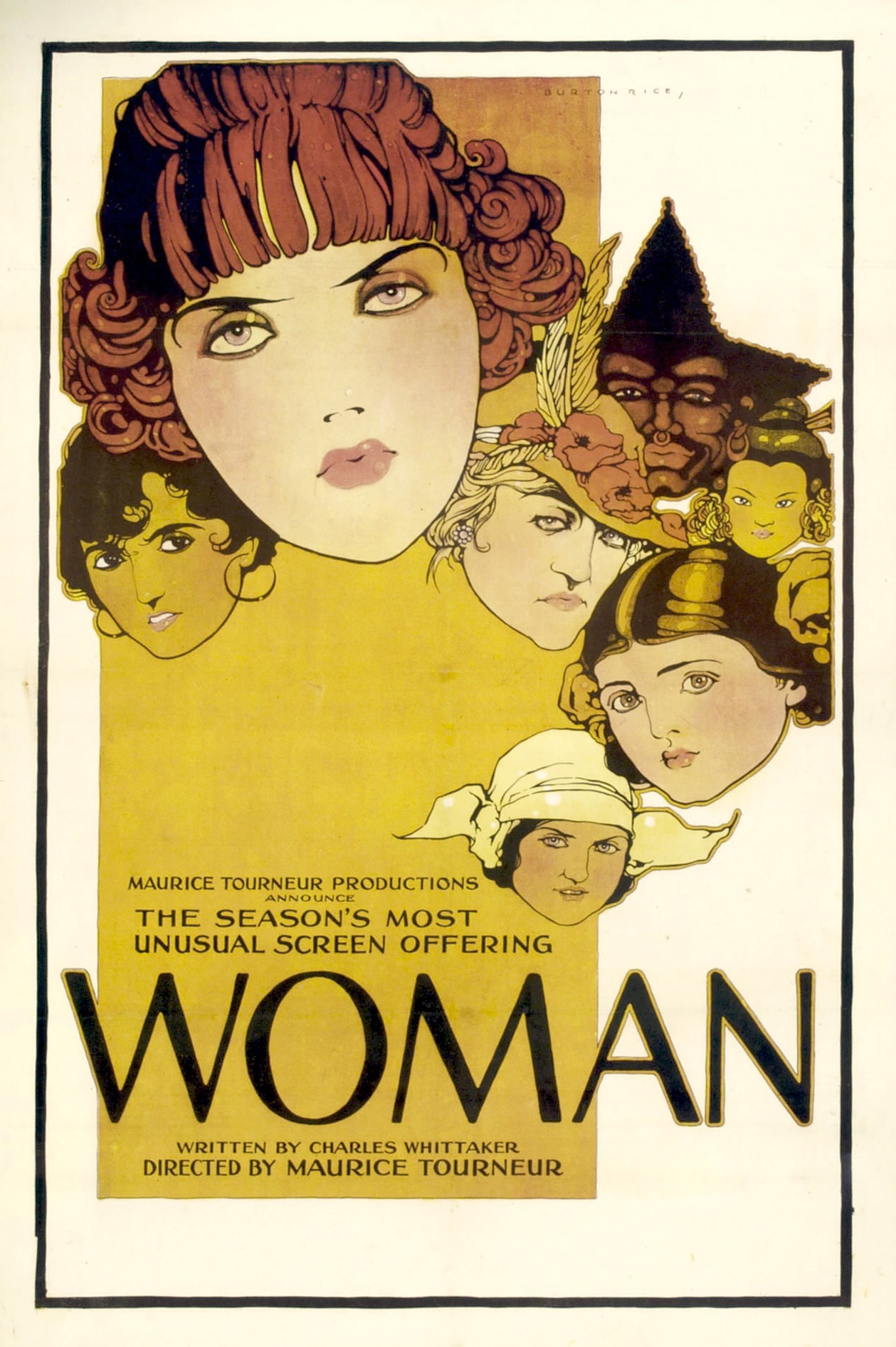
The Anti-Hero and the Frontier of Defiance
The Western genre is often seen as the backbone of American cinema, but within its early iterations, there were cracks of subversion that allowed for the birth of the cult anti-hero. The Gun Fighter (1917), starring William S. Hart, features Cliff Hudspeth, a leader of outlaws who wins his place through violence. Unlike the clean-cut heroes of later eras, Hudspeth is a man of the shadows, a character whose loyalty is to his band of misfits rather than the law. This archetype—the noble outlaw—is a foundational pillar of the cult ethos.
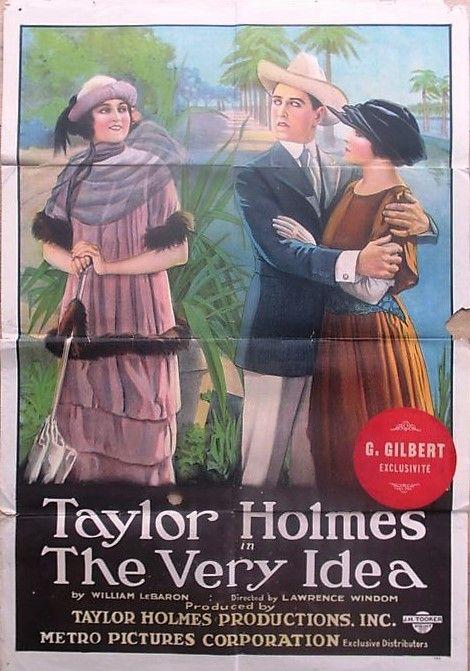
We see this again in The Cold Deck, where a gambler named 'On-the-Level' Leigh gives up his trade for the sake of his sister's health, only to find himself entangled with a 'fiery dance hall girl.' The tension between personal morality and social expectation is a recurring theme in films that gain a following for their refusal to provide easy answers. Even the comedic Westerns, like Mama’s Cowpuncher, subvert expectations. The protagonist, a concert pianist forced into a Western dance hall, is hazed and abused until he finds his own path to redemption. This narrative of the 'misfit finding his place' is the ultimate cult story, resonating with anyone who has ever felt like a piano player in a room full of gunslingers.
Technical Anarchy and the Charm of the Unpolished
Cult cinema often thrives on a sense of 'unpolished' reality—a feeling that the film is a raw, unmediated expression of its creator's vision. In the early era, this was often a necessity of the medium. The Chauffeur (1921) depicts the struggles of a taxi driver against rivals and the law, using physical comedy and a sense of frantic energy that feels more 'real' than the polished dramas of the time. This raw energy is what draws fans to films like Blue Blood and Bevo or Pure and Simple, where the humor is derived from social embarrassment and the breakdown of class barriers.
In Pure and Simple, the protagonist borrows a 'funny looking suit' from an immigrant and proceeds to disgrace his relatives at a social affair. This use of the 'outsider' to disrupt the high-society status quo is a classic cult trope. It speaks to a desire for rebellion against the rigid structures of society. When we watch Are Married Policemen Safe?, we see a crusade against abbreviated clothing that results in the law being captivated by their captives—a cheeky subversion of authority that feels remarkably modern in its cynicism.
The Mystery of the Lost Reel: Fandom and the Unseen
A significant part of the cult phenomenon is the hunt for the 'lost' or 'unseen.' The fact that films like The Sin Woman or Die Teufelsanbeter are largely lost to time only adds to their mystique. Fandom thrives on the unknown, the legendary screening that only a few people attended, or the trailer that hints at a masterpiece we may never see. This 'phantom pulse' of cinema history keeps the community engaged, as they piece together narratives from fragments and production stills.
Even films that survive, like The Wall Street Mystery or Money Mad, carry an aura of the forbidden. Money Mad features an East Indian servant and a plot to poison a widow for her pearls—a sensationalist narrative that would have been viewed as 'pulp' in its day. Today, these films are studied for their stylistic choices and their willingness to embrace the melodramatic and the macabre. They represent a time when the rules of cinema were still being written, and anything was possible.
The Global Underground: From Moscow to Budapest
The cult spirit was never confined to Hollywood. The early 20th century saw a global explosion of experimental and genre-defying cinema. From the Soviet agitation of Na krasnom fronte to the Hungarian bohemianism of Az utolsó bohém and Vengerkák, filmmakers across the world were using the medium to express radical ideas. These films often dealt with the fallout of war, the shifting of social classes, and the struggle for national identity.
In Yehuda Hameshukhreret, we see the early stirrings of a new cinematic language in the Middle East, while Maciste innamorato shows the Italian muscleman archetype being used in a romantic context, subverting the expectations of the action hero. Even promotional films, such as the Swedish Konsumtionsföreningen Stockholm med omnejd featuring a young Greta Garbo, have become cult artifacts. Fans deconstruct these early appearances, looking for the 'spark' of the icon before they became a star. It is the ultimate act of cinematic archeology.
Conclusion: The Enduring Legacy of the Maverick Soul
What links a 1910s short like Circus Day to a modern midnight movie? It is the spirit of the maverick—the refusal to conform to the expectations of the 'masses.' Whether it is the Cockney parents being saved in My Old Dutch or the illegitimate son of a Kaiser acting as a spy in Kaiser’s Finish, these films prioritized the strange, the emotional, and the transgressive over the safe and the predictable.
Cult cinema is a sanctuary for the disenfranchised, a place where the 'misfits and moral mutants' of history find a home. By studying the early century’s maverick visions—from The Fuel of Life to Southern Pride—we realize that the 'cult' has always been with us. It is not a modern invention but a primal human need to see the world through an unconventional lens. As we continue to unearth these forgotten gems, we aren't just watching old movies; we are participating in a century-old ritual of rebellion, a neon afterglow that refuses to fade into the darkness of history. The silent era's genre anarchy didn't just birth the modern cult obsession; it provided the blueprint for how we use cinema to challenge, to mock, and ultimately, to understand the beautiful weirdness of the human condition.
Community
Comments
Log in to comment.
Loading comments…