
Cult Cinema Deep Dive
The Neon Afterlife of the Silent Outlier: Why Early Cinema's Misfits Still Rule the Cult Consciousness

“An in-depth exploration of how the transgressive narratives and rogue spirits of the 1910s and 20s laid the foundational DNA for modern cult cinema obsession.”
In the flickering shadows of the early twentieth century, a specific kind of cinematic magic was born—not the polished, mass-marketed glamour of the burgeoning studio system, but a raw, often transgressive energy that we now recognize as the bedrock of cult cinema. Long before the midnight movie became a countercultural staple, the silent era was teeming with outliers, genre-bending experiments, and moral provocations that dared to look into the abyss of the human condition. These films, often dismissed as mere novelties or melodramas at the time, possess a subversive DNA that continues to resonate with modern audiences who seek the strange, the forbidden, and the misunderstood.
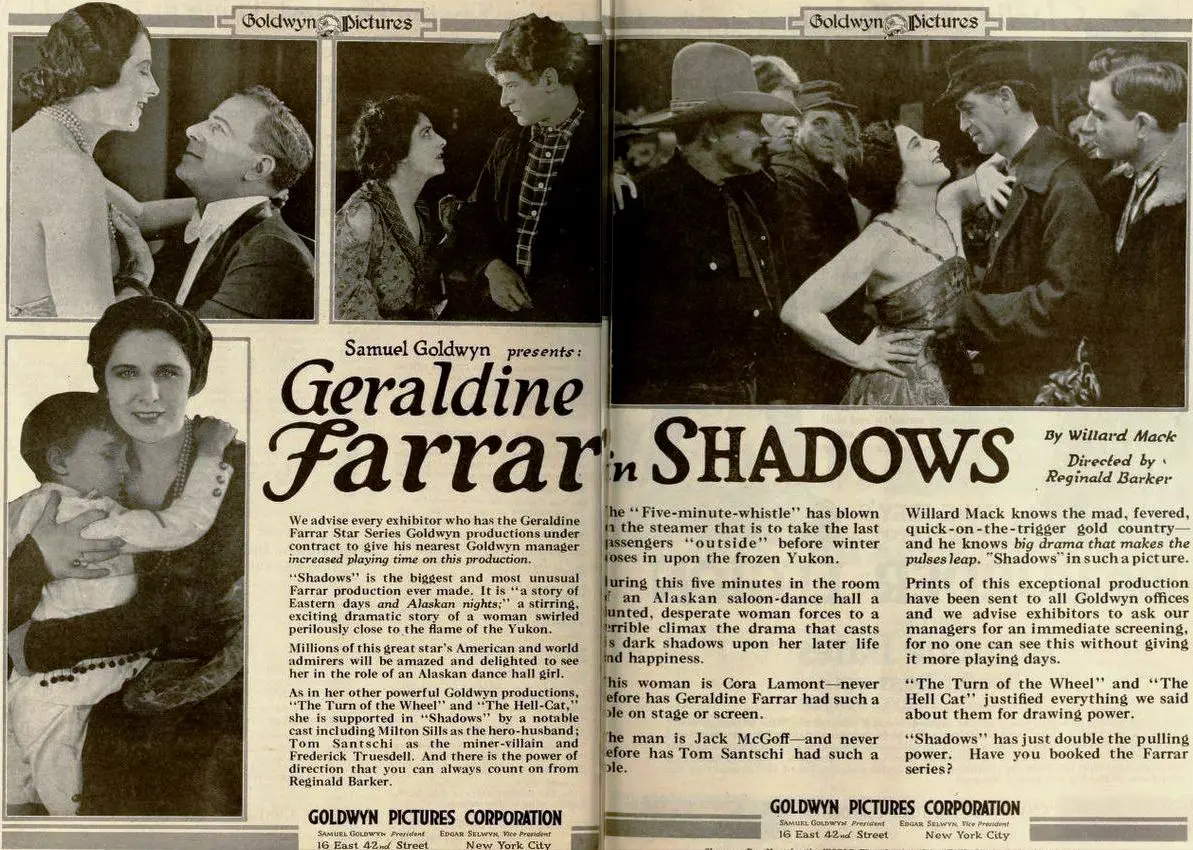
The Genesis of the Cinematic Outlaw
To understand the modern cult obsession, one must look back at the 1910s, a decade where the rules of storytelling were still being written and, more importantly, being broken. Films like Tigris (1913) offered a blueprint for the cat-and-mouse thriller, pitting a renowned detective against a criminal gang with a theatrical flair that prefigured the stylized villainy of later noir classics. This wasn't just a simple crime story; it was a dive into the aesthetic of the underworld, a theme that remains a cornerstone of cult fandom.
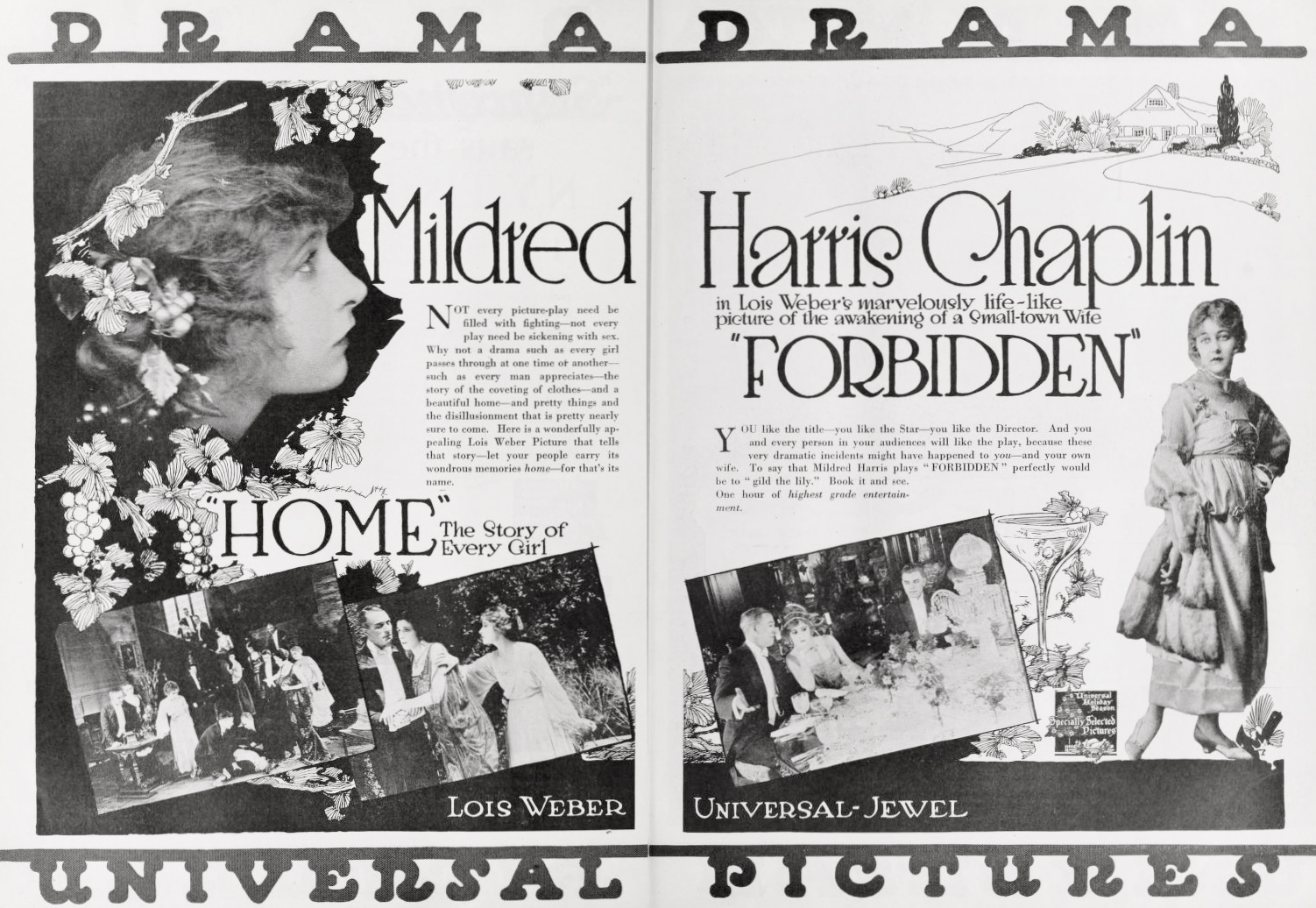
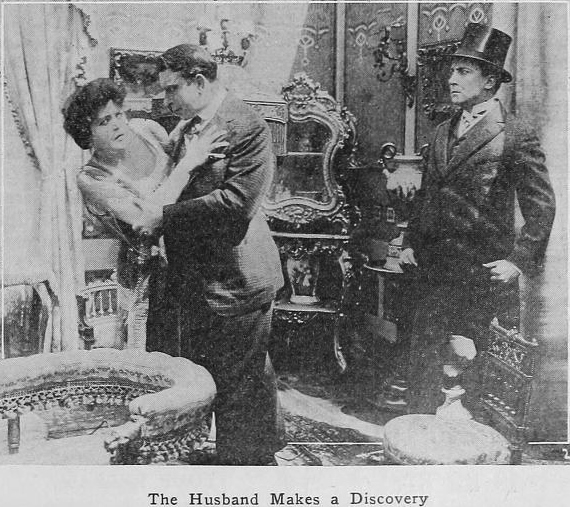
Similarly, the 1918 film Loaded Dice presented a grim, uncompromising look at ambition and its bloody consequences. When a crooked promoter commits double murder only to repent on his deathbed after being shot on his election night, the narrative isn't just moralistic—it's visceral. It challenges the viewer to witness the decay of the soul in real-time. This fascination with the moral mutation of the protagonist is a recurring motif in cult cinema, where the line between hero and villain is perpetually blurred.
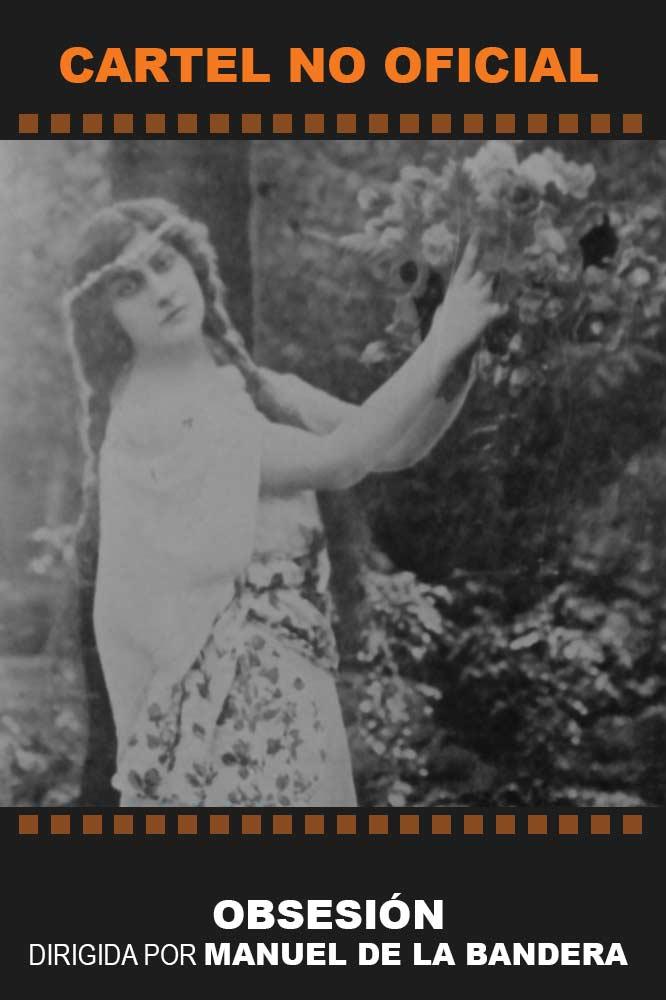
Social Taboos and the Transgressive Heroine
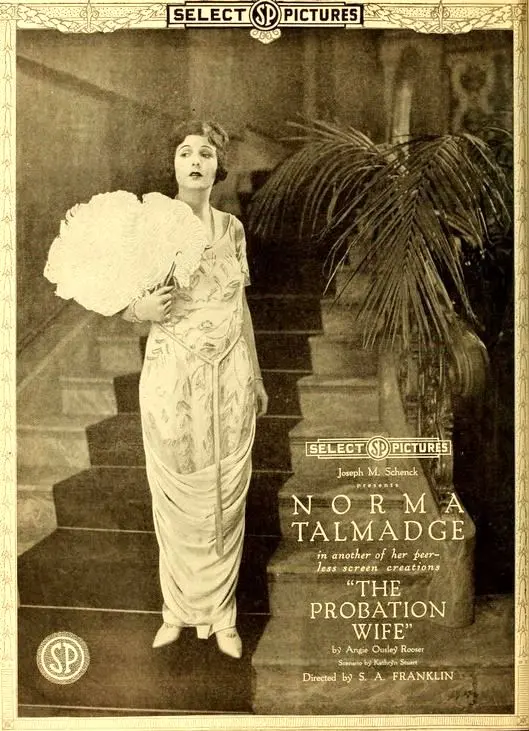
Cult cinema has always been a sanctuary for stories that the mainstream found too uncomfortable to handle. In the early era, this often manifested in films that tackled social hypocrisy and the plight of the marginalized. Take The Probation Wife (1919), which tells the story of a woman raised in an "infamous dive" and taught to steal, only to navigate the complexities of a judgmental society. It’s a narrative of resilience that refuses to sanitize the character’s origins, much like the grit we admire in contemporary indie cult hits.

The film Bought (1917) pushed these boundaries even further, dealing with the transactional nature of marriage and the heavy price of social climbing. By focusing on a woman who is essentially "purchased" to cover a scandal, the film exposed the rot beneath the gilded surface of high society. These early transgressive narratives provided a voice for the voiceless, creating a bond between the screen and the viewer that was rooted in shared recognition of systemic injustice—a hallmark of the cult experience.
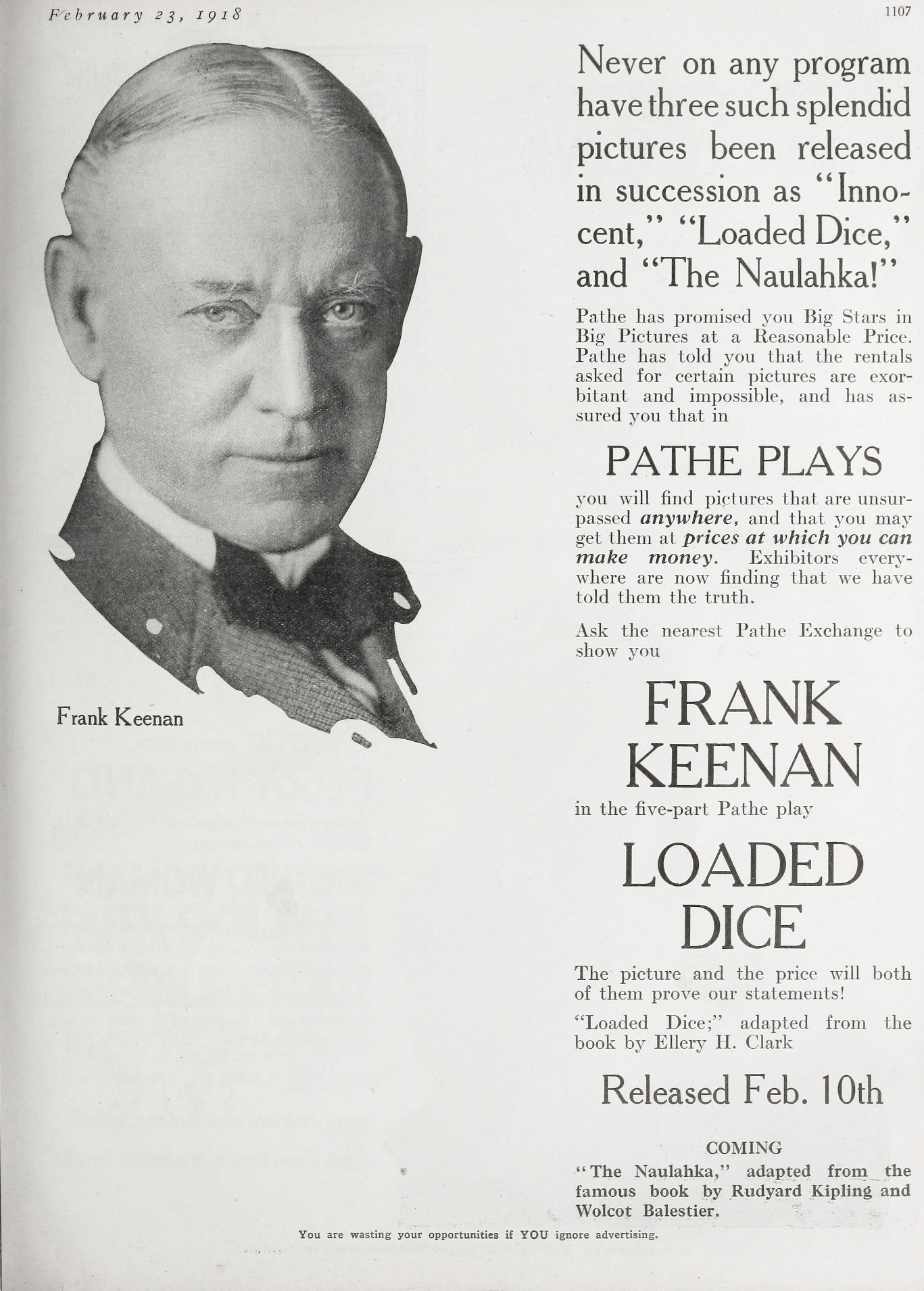
The Spectacle of the Other: Epics and Icons
While some cult films find their power in grit, others find it in the overwhelming scale of the spectacle. The 1917 production of Cleopatra is a prime example of the "cult of the icon." The fabled queen's disastrous affair with Marc Antony became a canvas for opulent costume design and grand emotional gestures. In cult circles, the visual language of a film often outweighs its narrative coherence; we worship the image, the costume, and the sheer audacity of the production.
On the other end of the spectrum, Life and Passion of Christ (1903) demonstrated how a film could transcend secular entertainment to become a communal ritual. As one of the earliest milestones of cinema, it won world fame not just for its subject matter, but for its status as a shared experience. Cult films often function as a secular liturgy, where audiences return to the same frames repeatedly, finding new meaning in the familiar light of the projector.
The Maverick Western and the Lawless Fringe
The Western genre, often seen as the most traditional of American forms, has a secret history of cult subversion. Beyond the Law (1918) subverted the archetype of the noble lawman by showing the Dalton brothers—initially appointed as Marshals—turning to crime after discovering corruption in the higher echelons of power. This narrative of the "outlaw by necessity" strikes a chord with the rebel spirit of cult audiences who harbor a healthy skepticism of authority.
Even shorter works like Beauty and the Bandit (1916) toyed with the expectations of the frontier, introducing familial twists and moral ambiguities that were far ahead of their time. These films weren't just about gunfights; they were about the unstable identity of the American West, a place where a geologist could strike gold and a bandit could be your own brother. This sense of unpredictability is exactly what draws a devoted following to a film—the feeling that anything can happen in the lawless space of the frame.
Identity, Doubling, and the Psychological Maze
Perhaps the most enduring theme in cult cinema is the exploration of the fractured self. The 1921 film The Mask utilized the trope of the wayward twin to explore the duality of man. When Kenneth Traynor investigates a diamond mine only to encounter his troubled brother Jack, the film moves beyond a simple crime mystery into the realm of the psychological uncanny. Cult fans have long been obsessed with the idea of the double—the shadow self that represents our repressed desires and fears.
Similarly, The Black Night (1916) features a lord changing places with a dead jewel thief to reclaim incriminating letters. This theme of fluid identity and the masks we wear to navigate society is a rich vein that cult cinema has mined for decades. Whether it's through literal disguises or metaphorical transformations, these early films understood that the most terrifying and fascinating thing a viewer can witness is the dissolution of the ego.
The Industrial Ghost and the Loss of Innocence
Cult cinema often mourns what is lost in the march of progress. The Little Minister (1913) captures the tension between the simple life of Scottish weavers and the encroaching threat of industrialization. It’s a theme that resonates in the "eco-cult" films of today—a yearning for a primal, rural existence that is being systematically dismantled by the gears of modernity. The character of Babbie, frolicking with the locals while a Lord plots against their livelihood, embodies the spirit of resistance that defines the cult hero.
This sense of a world in transition is also present in A Small Town Idol (1921), which parodies the very fame and artifice that the film industry was beginning to manufacture. By framing a young man as a thief to keep him away from his love, the film critiques the small-mindedness and manipulative nature of the "community." Cult cinema thrives on this outsider perspective, validating the experiences of those who feel alienated by the town square or the corporate boardroom.
The Alchemical Bond: Why We Still Watch
Why do we continue to return to these silent-era anomalies? It is because they represent the alchemical origins of our cinematic obsession. In these films, we see the first attempts to capture the weirdness of the human experience on celluloid. They are not polished products; they are experiments in light and shadow, often surviving only in fragmented form, which only adds to their mystique.
A film like The Seventh Noon (1921), where a lawyer chooses to represent only the poor and the "right," reflects a radical idealism that is as much a part of the cult ethos as any transgressive horror film. It is about the rejection of the status quo. Whether it is a comedy like A London Bobby (1919) or a historical drama like Anna Karenina (1920), the films that endure in the cult consciousness are those that refuse to be easily categorized.
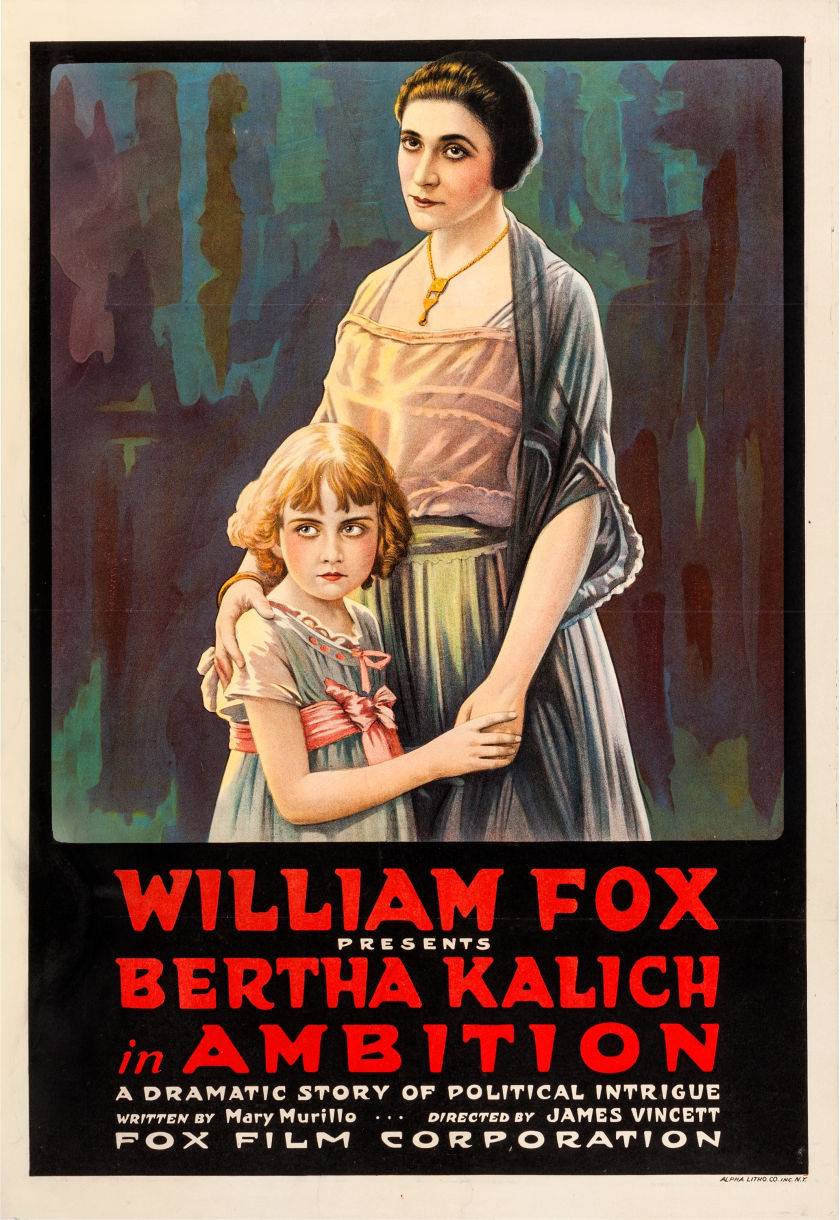
Ultimately, cult cinema is a testament to the power of the unconventional reel. It is a celebration of the misfits, the rebels, and the dreamers who saw the camera not just as a tool for recording reality, but as a weapon for challenging it. From the swashbuckling adventures of the 1910s to the psychological thrillers of the 1920s, the silent era provided the genetic code for every midnight movie that followed. As we look back at these forgotten masterpieces, we aren't just watching history; we are witnessing the birth of our own obsession.
The Legacy of the Forgotten
As we conclude this deep dive, it is worth noting that the survival of these films is often a miracle in itself. Many exist only in the archives of devoted collectors or within the programming of niche festivals. This rarity is a key component of cult status; the act of seeking out and preserving these films is a form of devotion. When we watch Mrs. Balfame (1917) or The Two Sergeants (1913), we are participating in a tradition of cinematic archeology, unearthing the primal screams and silent whispers of a generation that refused to play by the rules.
The cult gaze is one of empathy for the flawed, the broken, and the bizarre. It finds beauty in the slovenly soldier of The Two Sergeants and the frivolous young Zoie in Baby Mine. It understands that the most profound truths are often found in the most unlikely places—on the fringes of the frame, in the heart of a bandit, or in the silent flicker of a century-old screen.
Community
Comments
Log in to comment.
Loading comments…