
Cult Cinema Deep Dive
The Neon Grimoire: How the Silent Era’s Genre Mutants and Moral Outlaws Birthed the Cult Cinema Cultus
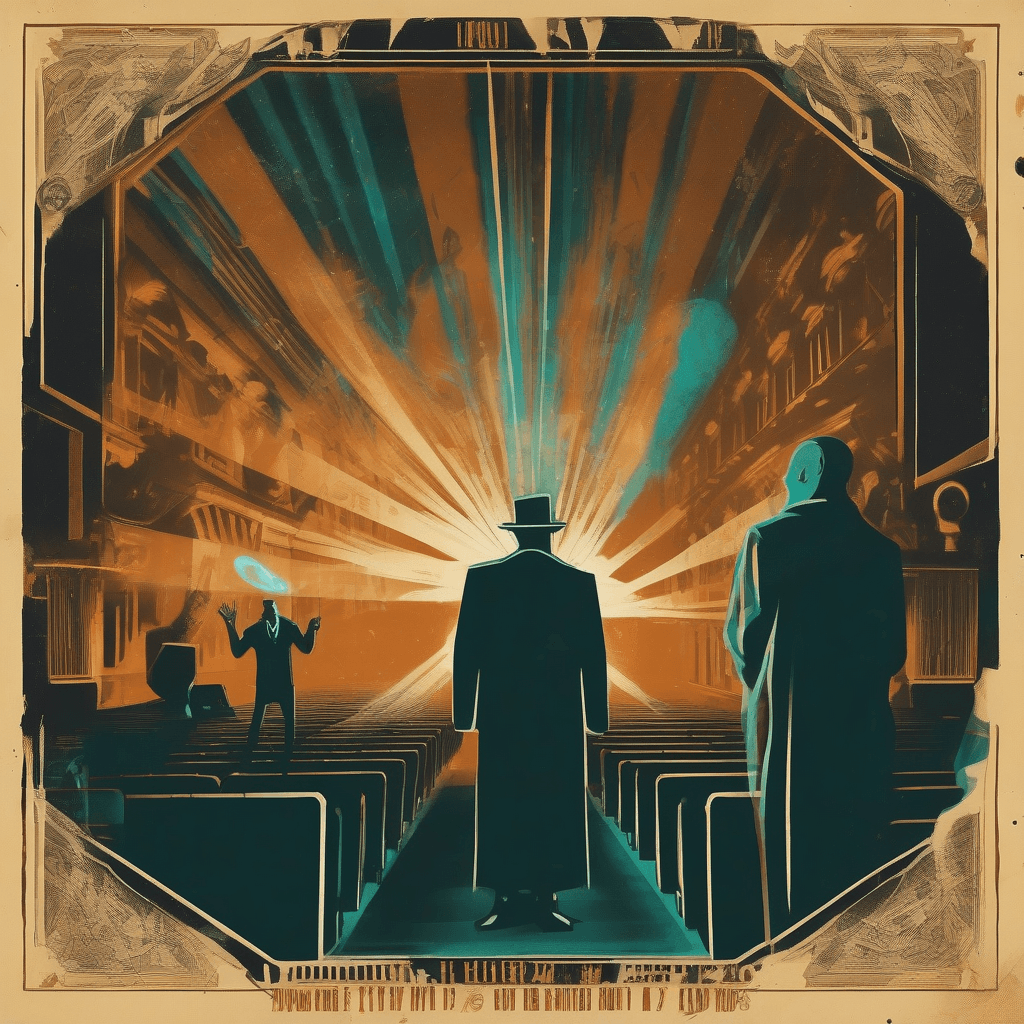
“An exploration into the primal origins of cult cinema, tracing how the transgressive themes and narrative anomalies of the silent era established the blueprint for modern midnight movie devotion.”
Cult cinema is rarely a product of the present; it is a ghost that haunts the future. While modern audiences often associate the "midnight movie" with the neon-drenched 1970s or the VHS-warped 1980s, the true DNA of the cult aesthetic was forged in the nitrate fires of the early 20th century. Long before the term "cult" was codified by critics, a rogue's gallery of genre mutants, moral outlaws, and narrative anomalies was already laying the groundwork for a century of obsession. From the expressionistic shadows of Europe to the gritty, unpolished Westerns of the American frontier, these films existed on the periphery of the burgeoning mainstream, offering a sanctuary for the weird, the transgressive, and the misunderstood.
The Architecture of the Abnormal: Why the Silent Era Endures
The appeal of cult cinema lies in its resistance to the homogenous. In the silent era, this resistance was often born of necessity or experimentation. Directors were still inventing the grammar of the moving image, and in that lawless period, films like Destiny (1921) emerged as monumental works of the fantastic. When Death gives a woman three chances to save her fiancé, we aren't just watching a drama; we are witnessing the birth of the cinematic séance. The visual language of Fritz Lang’s early work provided a template for the surreal and the macabre, elements that would eventually define the cult horror genre. This is the root of the "cultus"—a devotion to imagery that speaks to the subconscious rather than the rational mind.
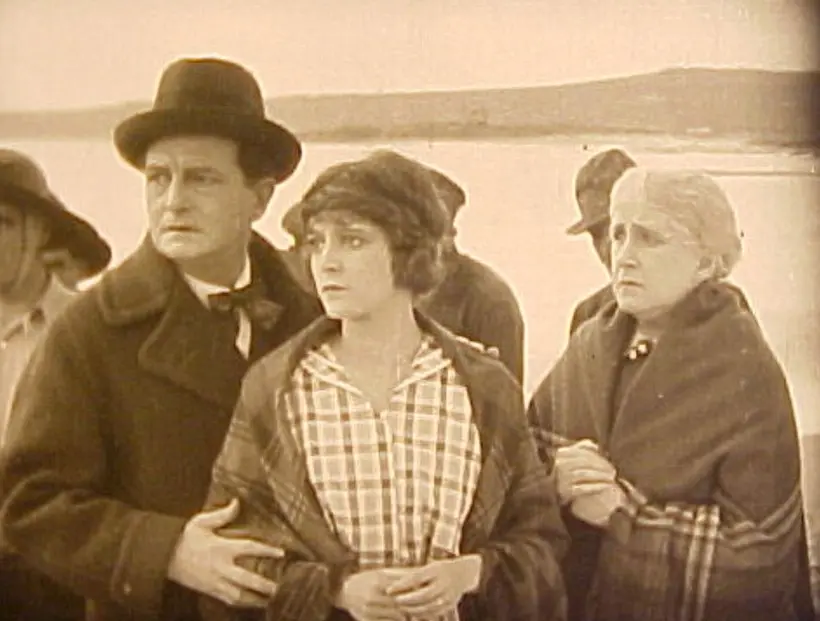
But the cult impulse isn't just about the supernatural. It is about the subversion of the social order. Consider the film Love, Honor and Obey, which centered on a young author of radical sexual theories. In an era of burgeoning censorship, such themes were the ultimate taboo. By documenting the collision between progressive (or radical) thought and traditional morality, these films became artifacts of rebellion. They spoke to the "outcast"—the viewer who felt out of step with the Victorian hangovers of the early 1900s. This is the same spirit that would later fuel the fire of underground cinema in the 1960s.
The Moral Mutant and the Transgressive Hero
Every cult movement needs an icon, a figure that transcends the screen to become a symbol of something larger. In the early 20th century, this was often found in the "strongman" or the "misfit." The character of Maciste, appearing in films like Maciste poliziotto and Maciste und die Javanerin, represents a proto-superhero archetype that thrived in the niche markets of Europe. Maciste wasn't just a hero; he was a physical manifestation of power and justice that resonated with an audience hungry for spectacle. Similarly, the work of Snub Pollard in shorts like Raise the Rent and Cash Customers showcased a brand of frantic, mechanical comedy that felt distinct from the more polished slapstick of the era’s giants. These performers built a devoted following because they felt like "ours"—performers who belonged to the fringe rather than the factory.
The "moral mutant" also appears in the form of the jilted lover or the vengeful aristocrat. In The Vengeance of Durand, the insane jealousy of a French nobleman leads to tragedy, a narrative that leans into the darker, more obsessive corners of the human psyche. Cult cinema thrives in these shadows. It asks us to empathize with the monster, the jealous husband, or the social pariah. When we look at The Mother of His Children, where a princess meets a sculptor in a Parisian whirlwind, we see the early stirrings of the melodramatic excess that would later define the works of Douglas Sirk or the camp masterpieces of the 70s. These are films that wear their hearts—and their neuroses—on their celluloid sleeves.
The Genre Deviant: Westerns and Noir Before the Code
Before the Hays Code stifled the creative impulses of Hollywood, the Western and the Crime drama were far more fluid and dangerous. Films like The Kickback and The Loaded Door (starring the legendary Hoot Gibson) weren't just simple tales of good versus evil. They were gritty, often cynical explorations of the frontier. In The Loaded Door, the return of a rider to a ranch taken over by a notorious villain provides a template for the "stranger in town" trope that would be perfected by Sergio Leone decades later. The cult of the Western is built on this rugged individualism, a rejection of the civilizing forces of the city in favor of a personal, often violent, code of ethics.
Crime films of the era, such as The Bootleggers, captured the zeitgeist of Prohibition-era America with a raw, almost documentary-like energy. By focusing on the leader of a gang of bootleggers and his designs on a shop girl, the film tapped into the underworld fascination that has always been a cornerstone of cult fandom. We are drawn to the forbidden. Whether it is the illegal trade of alcohol or the radical theories of Love, Honor and Obey, cult cinema acts as a mirror to our collective desires and fears regarding the "wrong" side of the law.
The Global Fringe: From Russia to South Africa
Cult cinema has always been a global language. The silent era was uniquely positioned to facilitate this, as the lack of spoken dialogue allowed films to travel across borders with ease. The Russian film Grekh (Sin) and the South African-set Man and Beast demonstrate the breadth of early cinematic experimentation. In Man and Beast, the conflict between families over a cattle spring during a drought provides a harsh, naturalistic backdrop for a budding romance. This is the cinema of the elements—films that use the environment as a character, a technique that would later be adopted by cult directors like Werner Herzog.
In the East, films like Lyubov statskogo sovetnika explored the stifling nature of provincial life and the yearning for artistic freedom, embodied by a young ballerina. This theme of the stifled soul is a recurring motif in cult cinema. Whether it is the ballerina in Russia or the heiress in Made in Heaven entering a marriage of convenience, the struggle for autonomy against a rigid social structure is a universal cult narrative. It is the story of the individual against the machine, a theme that resonates as much in 1920 as it does in 2024.
The Aesthetics of Obsession: The Nitrate Ghost
Why do we return to these flickering, grainy images? There is a certain nitrate necromancy at play. The physical degradation of early film adds a layer of unintended surrealism to the viewing experience. A film like Die Gespensterstunde (The Ghostly Hour) becomes even more haunting when viewed through the lens of time. The noble family at castle Medan, the lost heir, the fear of inheritance—these are Gothic tropes that are amplified by the spectral quality of the silent medium. To watch these films is to engage in a ritual, a midnight congregation where the past and the present collide.
Even the more lighthearted fare, like Little Miss No-Account or Winning a Widow, possesses an eccentric charm that defies modern narrative logic. The sheer earnestness of The Patriot, featuring a veteran of the Spanish-American War, or the high-concept pacifism of Civilization (where Christ himself takes the form of a count), showcases a level of thematic ambition that is often missing from contemporary blockbusters. Cult audiences prize this unfiltered vision. We want to see the director’s obsession on the screen, no matter how bizarre or unpolished it may be.
Conclusion: The Eternal Flame of the Misfit Reel
The legacy of the silent era’s misfits is not just a matter of historical record; it is a living, breathing influence on the way we consume art. When we watch a modern cult classic, we are seeing the echoes of The Criminal, with its tenement-life grit, or A Law Unto Himself, with its striking doppelgänger themes. These early films taught us how to be obsessive viewers. They taught us to look for meaning in the shadows, to find beauty in the grotesque, and to value the perspective of the outsider.
As we continue to unearth lost reels like Die Diktatur des Lebens or the adventurous Soldiers of Fortune, we are not just preserving history—we are expanding the boundaries of the cult canon. The Neon Grimoire of the silent era is still being written, one flickering frame at a time. For the devoted disciple of the strange, the journey into the past is the ultimate transgressive act, a way to reclaim the soul of cinema from the clutches of the mundane. Long live the midnight maverick; long live the nitrate ghost.
Community
Comments
Log in to comment.
Loading comments…