
Cult Cinema
The Neon Heretic: Unveiling the Transgressive DNA and Cult Devotion of Cinema’s Early Outliers
“An exploration of how the fringes of early cinema—from futurist experiments to moral outcasts—laid the foundation for the modern cult movie obsession.”
The concept of the "midnight movie" is often tethered to the 1970s—a decade of grindhouse grit and psychedelic rebellion. However, the soul of cult cinema was forged much earlier, in the flickering nitrate of the silent era and the experimental dawn of the talkies. To understand why we worship at the altar of the strange, we must look back at the Neon Heretics: those films that defied the burgeoning Hollywood machine to offer something primal, weird, and utterly singular. From the surrealist antics of a mouse betting against himself to the futuristic chains of a modern Prometheus, the roots of cinematic obsession are deep, dark, and delightfully deviant.
The Logic of the Impossible: Surrealism and the Early Cartoon Cult
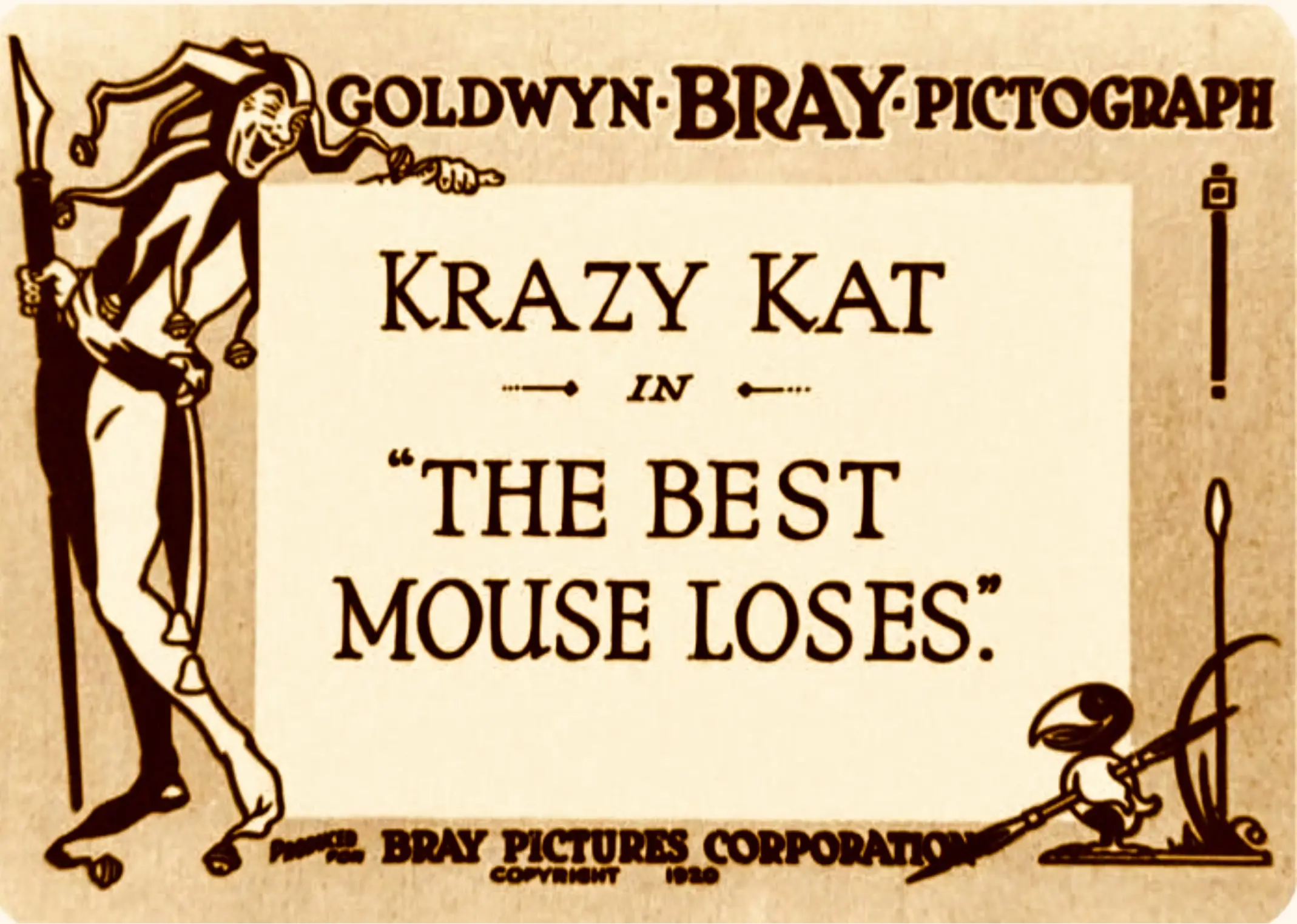
Long before the avant-garde movements of the mid-century, animation provided a sandbox for the transgressive. Consider the sheer narrative anarchy of Felix in the Swim. Here, a mouse is not merely a pest but a facilitator of escape, a tiny agent of chaos who aids Felix in defying domestic gravity. This same spirit of absurdity is amplified in The Best Mouse Loses, where Ignatz Mouse engages in a match-fixing scheme that feels like a precursor to the cynical noir tropes of later decades. These shorts weren't just for children; they were experiments in visual subversion, proving that the medium could bend reality to the will of the animator's most fevered dreams.
This defiance of logic is the cornerstone of cult devotion. When we watch Ignatz bet against himself, we are watching the birth of the "anti-hero"—a character who operates on a moral plane entirely separate from the audience’s expectations. It is this same magnetic pull that draws modern viewers to the fringes: the desire to see the world reflected through a cracked lens.
The Moral Outcasts: Femmes Fatales and Social Disruptors
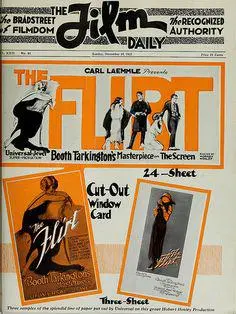
Early cinema was obsessed with the figure of the disruptor. In the 1919 classic The Flirt, Cora Madison embodies the prototype of the social predator, a woman who collects suitors like trophies only to be challenged by the arrival of a mysterious newcomer. This isn't just a romance; it’s a study in the power of the individual to upend the status quo. Similarly, in Destruction, we see Fernande, a woman whose machinations for wealth and her eventual attempt to eliminate an heir echo the dark heart of the cult thriller. These characters—the Cora Madisons and the Fernandes—are the ancestors of the modern cult icon: magnetic, dangerous, and unapologetically selfish.
The tension between social expectation and personal desire is a recurring theme in these early outliers. In Should a Woman Tell? (1919), the narrative grapples with shame and the weight of the past, themes that would later be explored in the transgressive "weepies" and underground melodramas of the 1950s. These films asked questions that the mainstream was often too timid to answer, creating a secret dialogue with the audience—a "secret handshake" that defined the cult experience.
Genre Mutations: From Futurist Bankers to Radio Kings
The boundaries of genre were fluid in the early 20th century, leading to some of the most fascinating mutations in film history. Prométhée... banquier is a prime example of this genre-bending spirit. By updating Greek tragedy to feature a modern banker chained to his desk, the film used the language of Futurism to critique the industrial age. It is a film that demands effort from its audience, a hallmark of cult cinema. It doesn't spoon-feed its meaning; it forces the viewer to engage with its aesthetic radicalism.
On the other end of the spectrum, we find the high-adventure serials like The Radio King. This wasn't just entertainment; it was a proto-science fiction masterpiece that pitted a master detective against a brilliant, warped inventor. The obsession with technology and the "mad scientist" archetype found in The Radio King would go on to fuel decades of B-movie obsession. These films provided a template for the "niche" interests that define modern fandom—the love of gadgets, the fear of the unknown, and the thrill of the cliffhanger.
The Sacred and the Profane: Epic Scale and Divine Spark
Cult cinema often flirts with the divine, seeking a transcendental experience through the screen. The Photo-Drama of Creation was an ambitious, four-part multimedia event that sought to map God's plan for humanity. Its scale and devotion are unparalleled, creating a collective experience that borders on the religious. This same sense of historical weight is found in Joan of Arc, where the tale of the maid of Domremy is rendered with a fervor that transcends mere storytelling.
Yet, for every sacred epic, there was a film like The Spark Divine, where Marcia Van Arsdale’s icy disdain for love serves as a counterpoint to the sentimentalism of the era. Or Kismet, where the rascally beggar Hajj schemes his way through the court of Baghdad. These films remind us that the cult spirit is just as likely to be found in the gutter as it is in the heavens. The "rascally beggar" is just as vital to the cinematic pantheon as the "saint," for both represent a departure from the mundane middle ground of the average life.
The Architects of the Underground
We must also recognize the craftsmen who built the foundations of the underground. Future directorial giant Ernst Lubitsch, appearing in The Pride of the Firm, played a bumbling provincial who eventually conquers the high-fashion world of Berlin. This narrative of the "misfit making good" is a foundational myth of cult cinema. It speaks to the disenfranchised, the weirdos, and the provincial dreamers who see themselves in the bumbling protagonist.
Even the short-form comedies of the era, like Start Something featuring Snub the traffic cop, or A Penny Reward with its clever, dollar-stealing monkey, contributed to the cult aesthetic. They prioritized the gag, the physical anomaly, and the sudden burst of violence or humor over the polished narrative arcs of the major studios. They were the ancestors of the "midnight short," the palate cleansers that kept the audience on their toes.
The Cultural Fringe: Jazz Hounds and Lost Heiresses
Cult cinema has always been a refuge for marginalized voices and subcultures. The Jazz Hounds is a vital artifact in this regard, capturing the vibrant African American jazz culture of the Bronx in the early 1920s. By centering a narrative on a cabaret set, the film offered a glimpse into a world that was often ignored or caricatured by the mainstream. This is the essence of the cult film: it provides a platform for the "other," a space where the rhythm of the fringe becomes the heartbeat of the story.
Similarly, films like Diane of the Green Van and Her Five-Foot Highness explored the archetype of the rebellious heiress. Diane Westfall, bored with her wealth and fleeing in a green van, is a proto-road movie hero, a woman seeking adventure outside the gilded cage of her inheritance. Ellen, the ranch owner in Her Five-Foot Highness, must navigate the treachery of unscrupulous attorneys to claim her rightful place as a Duchess. These films tapped into a primal desire for escape and transformation—a desire that remains the primary motivator for cult film fans today.
Nitrate Shadows: Mystery, Forgery, and the Unseen
The mystery genre provided the perfect shadow-play for early cult experiments. Jim the Penman utilized the tension of forgery and financial ruin to create a high-stakes drama that felt dangerously close to the real-world anxieties of the time. The Peddler of Lies took this a step further, using a power failure at a high-society party to mask the theft of a diamond. These films understood the power of what is not seen—the secrets held in the dark, the lies told in the light.
Even in the realm of history and biography, the cult spirit persisted. Ashoka and Kaiserin Elisabeth von Österreich (directed by her own niece!) offered glimpses into the lives of the powerful, but often through a lens of tragedy or war. Zhizn i smert leytenanta Shmidta (The Life and Death of Lieutenant Schmidt) brought the weight of Russian history to the screen, reminding audiences that the struggle for justice is often a lonely, doomed endeavor. This embrace of the tragic and the obscure is what separates the cult film from the blockbuster. The cult film is not afraid of the dark; it thrives in it.
The Enduring Legacy of the Early Misfits
As we look at the diverse array of films that constitute the early fringe—from the Western grit of Wolves of the Border and The Raiders of Sunset Gap to the domestic dramas of The Heart of Midlothian and Thora van Deken—we see a common thread. These were films that dared to be different. They were often the products of independent spirits working on the margins of the industry, fueled by a desire to tell stories that didn't fit the mold.
In Lotus Blossom, the inventor of the first clock is sentenced to life imprisonment for disrupting the sacred rhythm of the village. This is perhaps the ultimate metaphor for the cult filmmaker: the individual who introduces a new way of seeing, a new way of measuring time and reality, only to be cast out by the authorities. But like the inventor in the film, the cult spirit always finds a way to hide, to survive, and eventually, to be rediscovered by a new generation of seekers.
Conclusion: Why the Fringe Still Matters
The films of the early 20th century—whether they were shorts like The Porters and At the Old Stage Door or epics like The Pioneers—weren't just precursors to modern movies; they were the architects of our cinematic subconscious. They taught us how to love the weird, how to find beauty in the bumbling provincial, and how to see the divine in the flickering light of a projector.
Cult cinema is more than just a collection of "bad" or "obscure" movies. It is a testament to the enduring power of the Neon Heretic. It is the belief that the most interesting stories are found at the edges of the map, in the green vans of heiresses, the cabaret sets of jazz hounds, and the laboratories of radio kings. As long as there are filmmakers willing to "start something" and audiences willing to follow them into the dark, the cult will never die. It will simply wait for the next power failure, the next stolen diamond, and the next midnight screening to reveal its true, transgressive soul.
So, the next time you find yourself in a darkened theater, watching a film that defies explanation or easy categorization, remember the Pioneers. Remember Little Orphant Annie narrating her tales, and Michael Strange leaving the fishing village for the bright lights of Broadway. They were the first to walk this path, and their echoes still resonate in every frame of the strange and the beautiful.
Community
Comments
Log in to comment.
Loading comments…