
Deep Dive
The Neon Primal: Unearthing the Subversive Soul of Cinema’s Earliest Genre Mutants

“A deep dive into the transgressive roots of cult cinema, exploring how early 20th-century anomalies and narrative misfits forged the DNA of modern niche devotion.”
The history of cinema is often written by the victors—the blockbusters, the Oscar-winners, and the technological marvels that defined industry standards. However, beneath the polished surface of the mainstream lies a jagged, shimmering undercurrent known as cult cinema. While many associate the "cult" phenomenon with the midnight movie madness of the 1970s, the true genetic markers of this rebellion were encoded much earlier. To understand the modern obsession with the weird and the transgressive, we must look back at the cinematic mutants of the early 20th century, where the seeds of niche worship were first sown among the flickering shadows of the silent and early sound eras.
The Architecture of Anarchy: Beyond the Mainstream Frame
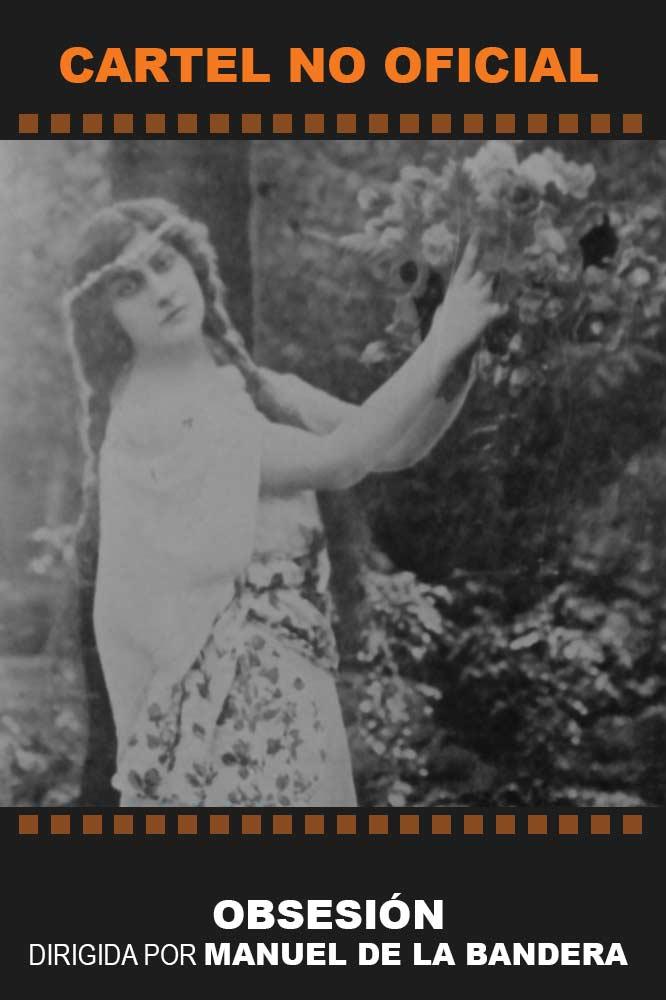
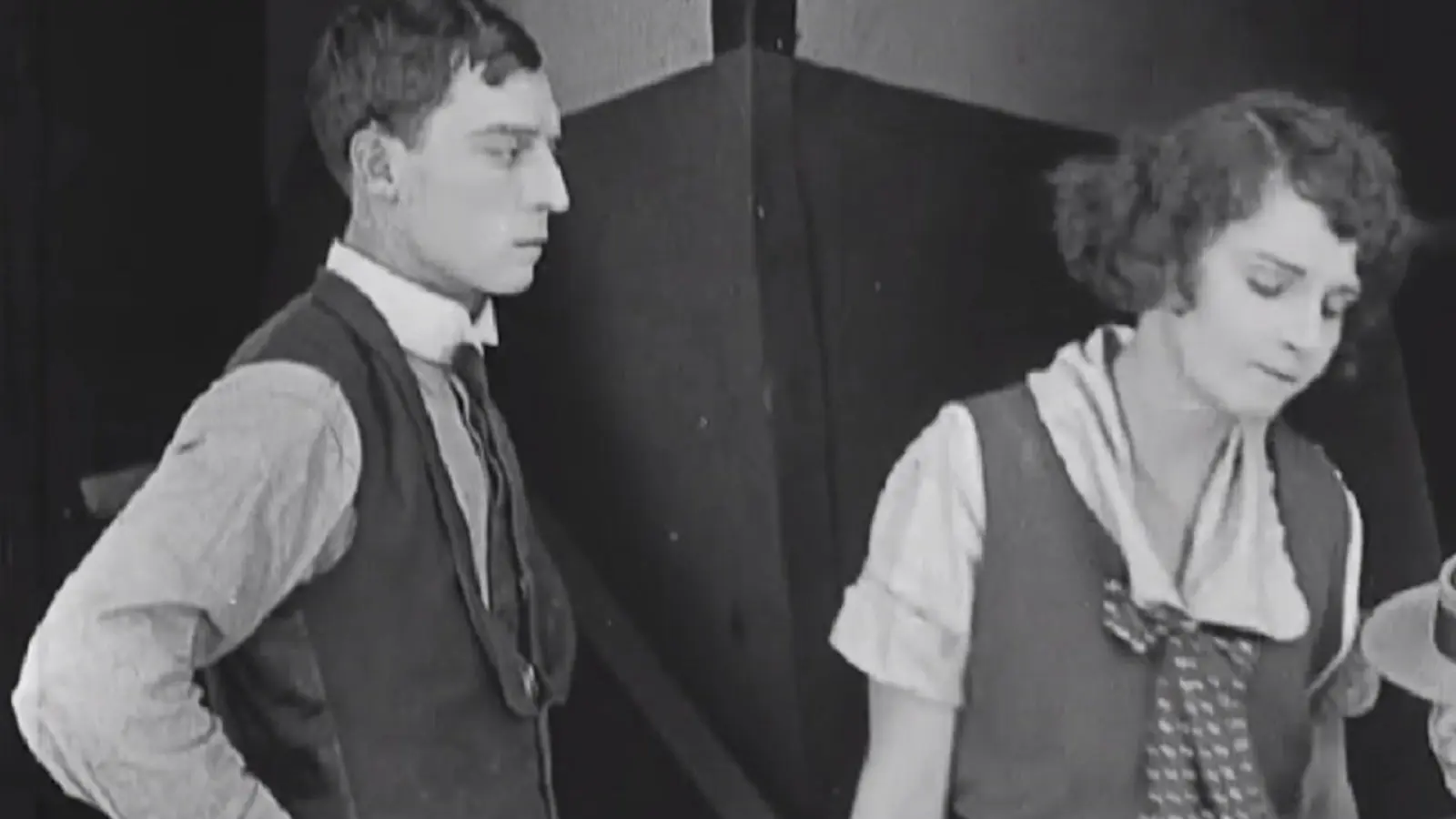
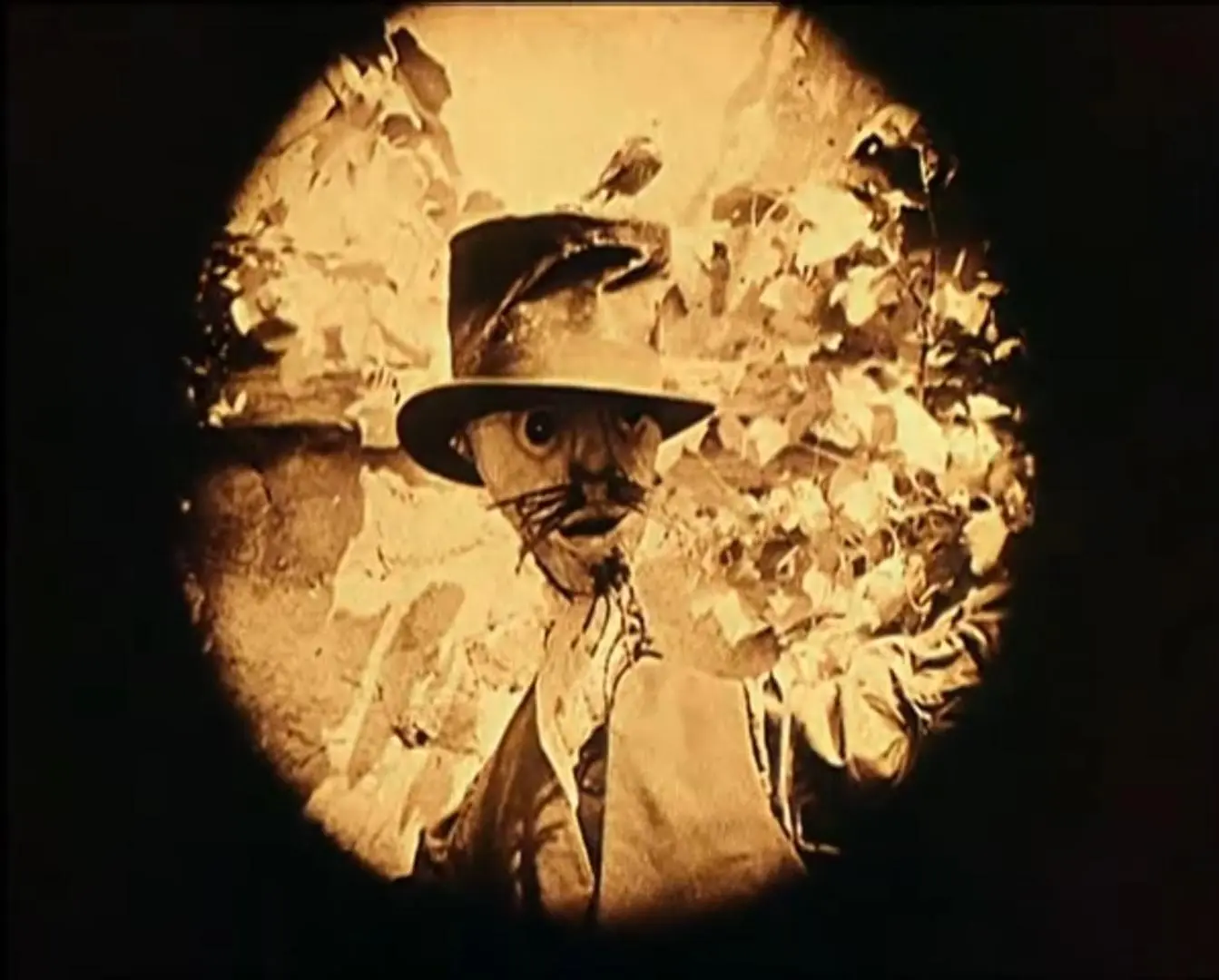
Cult cinema is defined by its relationship with the audience. It is not merely a genre but a sacred pact between a film and those who refuse to let it disappear into the void of history. This pact was often born out of narrative friction—films that didn't quite fit the moral or structural expectations of their time. Consider the early shorts that prioritized chaos over cohesion. Works like The Boat (1921) and The Scarecrow (1920) were not just comedies; they were surrealist experiments in physical impossibility. In The Boat, Buster Keaton’s homemade vessel becomes a site of perpetual disaster, a metaphor for the fragile nature of human ambition that resonates with the same existential dread found in later cult classics.

These early "misfit" reels often showcased a level of inventive anarchy that the rigid studio systems would later try to suppress. The sheer absurdity of Their Dizzy Finish (1921), where a car reverts into a pile of tin cans, reflects a proto-Dadaist sensibility that would eventually find a home in the avant-garde and cult circles of the late 20th century. This was the Neon Primal—the raw, unfiltered energy of a medium still figuring out its own boundaries.
The Transgressive Feminine and the Moral Outlaw
One of the most potent drivers of cult devotion is the subversion of social norms, particularly regarding gender and morality. Early cinema was rife with characters who dared to step outside the prescribed roles of the era. Films like Broadway Love (1918) and Vanity Fair (1915) introduced audiences to the "party girl" and the social climber—women who navigated the urban underbelly with a mixture of desperation and defiance. Becky Sharp in Vanity Fair is the ultimate proto-antihero, an orphan who manipulates her way through a fashionable school for girls, embodying a transgressive spirit that modern cult audiences find irresistible.
Similarly, The Nightingale (1914) explores the grit of New York’s poor districts, featuring a protagonist who sings to a street piano’s accompaniment while surrounded by the notorious "Red Galvin Gang." These narratives did not offer the easy comfort of Victorian morality. Instead, they leaned into the complexity of survival. The tension between purity and corruption in films like Babette (1917), where a hangman’s daughter meets a criminal in a castle-jail, creates a liminal space where the "cult" identity thrives. These are stories of the Maverick Soul, where the hero is often as flawed as the villain.
The Power of the Macabre: Rasputin and the Dark Monk
Cult cinema has always had a flirtation with the dark, the occult, and the historically deviant. Rasputin, the Black Monk (1917) is a prime example of early cinema’s fascination with figures who operated on the fringes of sanity and power. By dramatizing the rise and fall of the "mad monk" who dominated the Russian court, the film tapped into a collective obsession with the grotesque and the manipulative. This fascination with the Shadow Archetype is a cornerstone of cult fandom—we are drawn to the characters who disrupt the status quo, even if their methods are monstrous.

Genre Mutations: From Ninja Magic to Western Wooing
The fluidity of genre in the early century provided a fertile ground for cult-like experimentation. Gôketsu Jiraiya (1921), featuring the legendary ninja with toad-summoning powers, represents the birth of the action-fantasy cult. Its blend of folklore and early special effects created a sense of wonder that transcended cultural barriers. On the other side of the world, Vanishing Trails (1920) and Rustling a Bride (1919) were pushing the Western genre into more intimate, sometimes bizarre, territories. In Rustling a Bride, a cowboy writes to a girl based on a second-hand book inscription, leading to a narrative that feels more like a quirky indie romance than a traditional gunslinger tale.

These mutations are essential to the cult experience. When a film like Li Ting Lang (1920) tackles interracial romance and social defiance, it creates a point of friction that forces the audience to engage on a deeper, more personal level. The story of a Chinese student and a socialite in defiance of their peers is a narrative misfit that challenges the homogeneity of the era's output. Cult films are often those that refuse to be categorized, existing in the gaps between established genres.
The Comedy of the Uncomfortable
Humor in the early cult canon often stemmed from the uncomfortable or the absurdly specific. The Jail Bird (1920) features a protagonist who began his life of crime at one year old by forging his nurse's name for a bottle of milk. This kind of heightened, satirical logic is a precursor to the deadpan humor of modern cult directors. Similarly, One Terrible Day (1922) and The Big Show (1923) utilize children as agents of chaos, disrupting the social order of high-society matrons and creating a spectacle of miniature anarchy. These films found their power in the Eccentric Rhythm—a pacing and logic that felt alien to the mainstream but perfectly synchronized with the misfit mind.
The Poverty of Riches: Social Critique and the Underdog
Many early films that have achieved a cult-like status among historians and cinephiles are those that deal with the disillusionment of the American Dream. The Poverty of Riches (1921) and The Spenders (1921) investigate the hollow nature of financial success. In The Spenders, a Montana family comes into money and moves to New York, only to find that the experience is not what they imagined. This theme of the "disillusioned outsider" is a recurring motif in cult cinema, from the noir losers of the 40s to the slackers of the 90s.
The underdog narrative is further explored in The Heart of a Child (1920), where a poverty-stricken Cockney girl rises to become the wife of a nobleman. While it sounds like a fairytale, the "incredible adventures" she undergoes suggest a darker, more complex journey that appealed to those living on the margins. Cult cinema often serves as a sanctuary for these stories—the ones that acknowledge the struggle, the failure, and the occasional, miraculous escape from the mundane.
International Echoes: The Global Fringe
The cult impulse was never restricted to Hollywood. The early 20th century saw a global explosion of maverick visions. Portugal’s Os Fidalgos da Casa Mourisca (1920) and Germany’s Die Kwannon von Okadera (1920) brought unique cultural textures to the screen, blending melodrama with local folklore and social critique. These films often feel like Celluloid Esoterica, offering a window into worlds that were simultaneously familiar and utterly alien. The frigid princess in Italy’s Il potere sovrano (1916) or the legendary Tabaré in Uruguay’s Tabaré (1918) represent the diverse ways in which early cinema explored the "Other."
This international fringe is crucial to the development of the cult aesthetic because it introduced the concept of the "exotic" and the "untranslated" into the cinematic lexicon. For a cult audience, the pleasure often lies in the discovery of something that feels like a secret—a transmission from a distant time or place that speaks a language only they can understand.
Conclusion: The Eternal Flame of the Misfit Reel
The films we have discussed—from the pajama pranks of The Little Rowdy (1919) to the tragic infatuations of Thou Shalt Not (1919)—are more than just historical curiosities. They are the primary documents of a rebellion. They prove that the urge to create something different, something slightly "off," and something deeply personal has been present since the dawn of the medium. The Neon Primal is the light that refuses to go out, the flickering reminder that cinema’s greatest power lies not in its ability to reflect the world, but in its power to distort it into something new, strange, and beautiful.
As we continue to navigate the digital age of cinema, where everything is available but little feels truly "found," the lessons of these early outliers are more important than ever. They teach us that the most enduring films are often the ones that were once considered failures, oddities, or outcasts. In the end, the cult is not about the size of the audience, but the depth of the devotion. And that devotion began over a century ago, with a group of dreamers, misfits, and rebels who dared to look at the screen and see something that no one else did.
Community
Comments
Log in to comment.
Loading comments…