
Cult Cinema Deep Dive
The Primal Cipher: Unlocking the Arcane Rhythms and Rebel DNA of Cinema’s Early Fringe Masterpieces
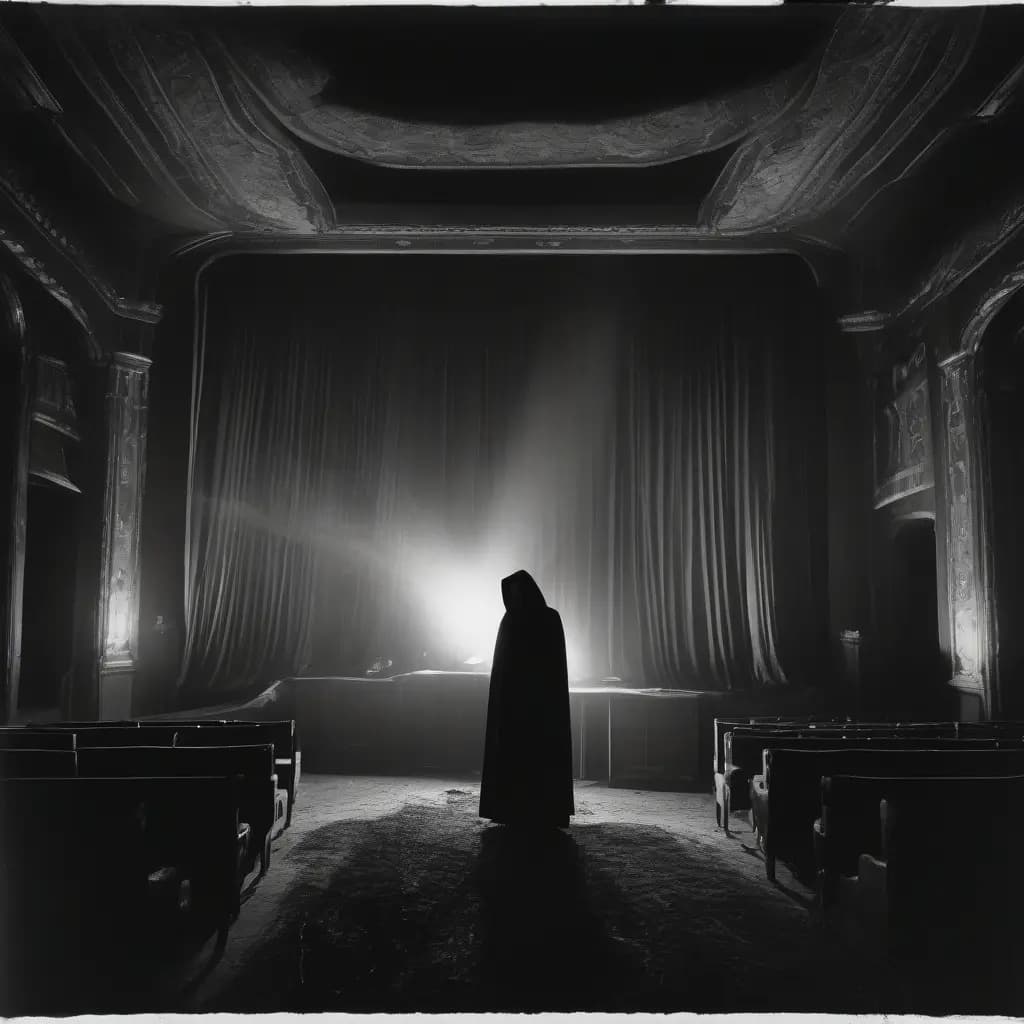
“An exploration into the pre-history of cult cinema, tracing how early 20th-century anomalies and genre-defying experiments laid the foundation for modern midnight movie devotion.”
The history of cinema is often told through the lens of the victors—the massive studios, the blockbuster hits, and the technical milestones that moved the medium toward realism. However, beneath the surface of the mainstream narrative lies a jagged, flickering undercurrent. This is the realm of the cult anomaly, a space where the rules of narrative logic and commercial viability were discarded in favor of something far more potent: the raw, unadulterated expression of the strange. Long before the term "midnight movie" was coined in the 1970s, the silent era was already producing works that functioned as a primal cipher for what would become cult devotion.
The Absurdist Spark: Beyond the Boundaries of Logic
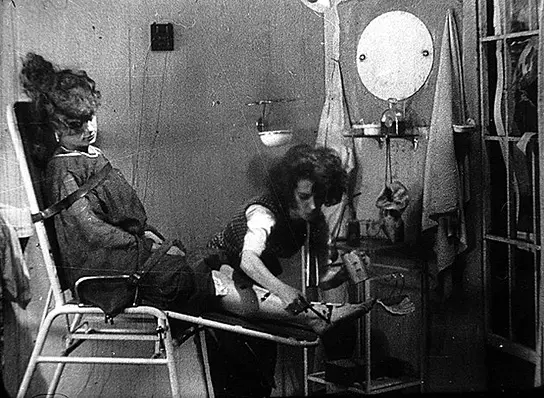
In the early 1920s, the boundaries of comedy were frequently pushed into the realm of the surreal, creating a template for the absurdist cult films of later decades. Consider the sheer, chaotic energy of The Mysteries of a Hairdresser's Shop (1923). In this short, Karl Valentin transforms a mundane setting into a theater of the grotesque, where surgery is performed with hammers and chisels. This isn't just slapstick; it is a subversion of the body, a precursor to the transgressive humor that would later define the works of John Waters or the early French New Wave. It challenges the viewer to find humor in the violent and the illogical, a hallmark of the cult experience.
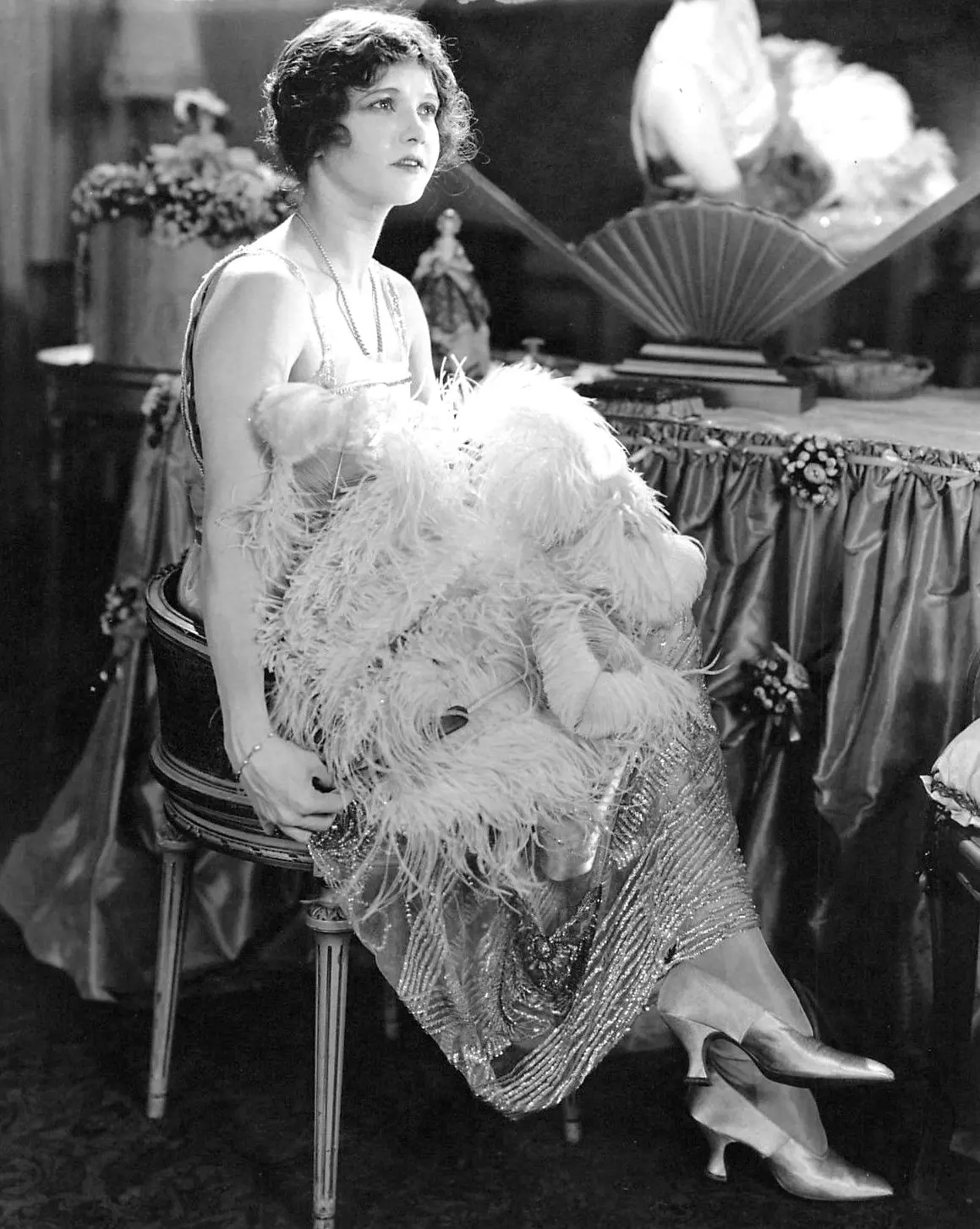
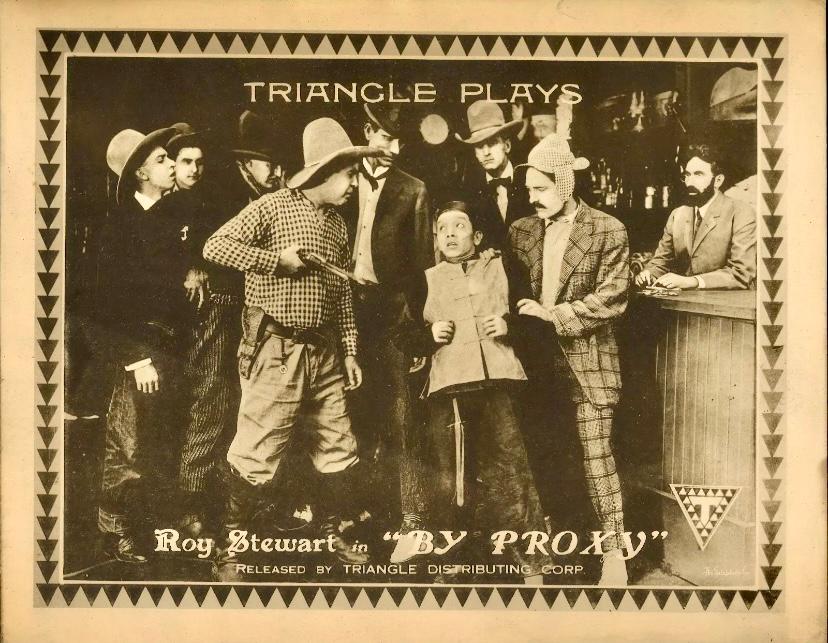
Similarly, Burglar by Proxy (1919) takes a simple premise—a toothache—and spins it into a narrative of mechanical obsession and accidental crime. The use of an automatic pump as a plot device highlights the era's fascination with the intrusion of technology into human life, a theme that resonates through the history of science fiction cult classics. These films were not merely trying to elicit a laugh; they were exploring the unstable relationship between the individual and a rapidly modernizing world.
The Occult and the Hypnotic: Cinematic Trances
Cult cinema has always been obsessed with the "other"—the paranormal, the occult, and the psychological depths of the human mind. The silent era’s flirtation with these themes provided the genetic material for the horror and fantasy genres. The Sleep of Cyma Roget (1920) serves as a haunting example. The dynamic between the beautiful Cyma and the evil Hindu scientist Chandra Dak, who holds her in a state of death-like hypnosis, taps into the primal fear of losing agency. This theme of psychological entrapment is a recurring motif in cult cinema, from the mesmerism of early German Expressionism to the mind-bending narratives of the late 20th century.
The Ghost in the Machine: True Events and Urban Legends
The fascination with the "true" paranormal is another pillar of cult devotion. The Guyra Ghost Mystery (1921), based on reported events in Australia, bridged the gap between reality and the supernatural. By dramatizing a family plagued by a poltergeist, the film invited the audience to participate in a collective mystery. This "based on a true story" hook, often used in cult horror, creates a bridge between the screen and the viewer's own reality, fostering a deeper, more obsessive level of engagement. It’s the same impulse that drives fans to research the lore behind their favorite genre pieces today.
Furthermore, The Temptations of Satan (1914) utilized allegorical figures to explore moral decay. When Satan assumes human form to ruin an innocent opera singer, the film moves beyond simple morality play into a stylized exploration of temptation. The visual representation of evil and the theatricality of the "Everygirl" character foreshadow the camp sensibility and the archetypal character studies that populate the cult canon.
Social Subversion and the Dark Melodrama
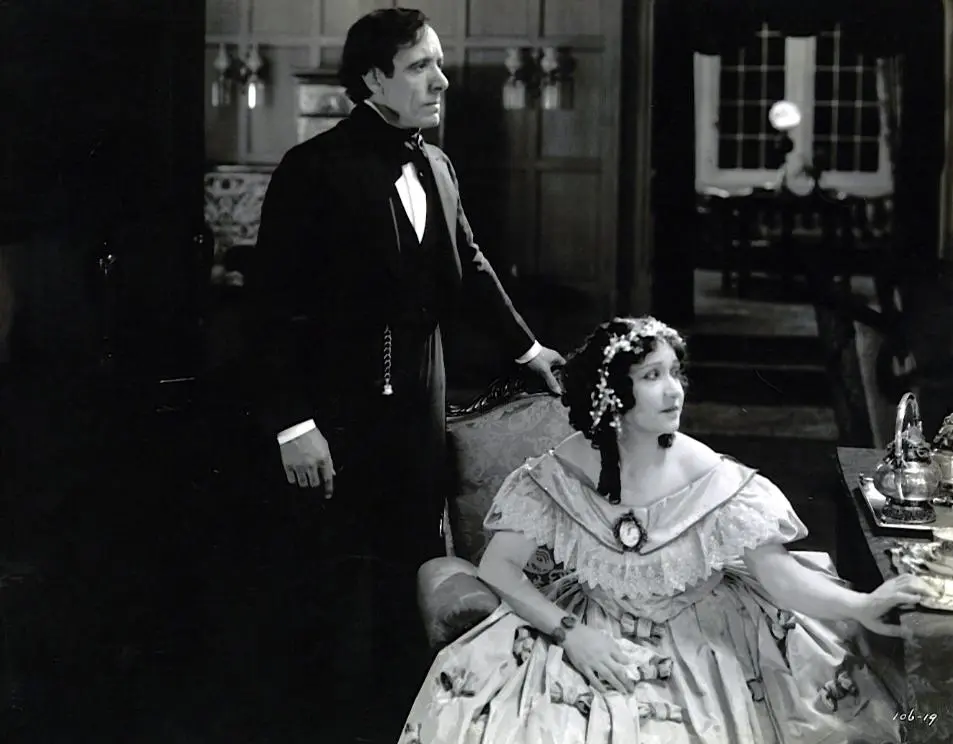
While many silent films sought to reinforce societal norms, the films that endure as cult objects often did the opposite. They peered into the cracks of the social facade. Bought and Paid For (1922) is a chilling exploration of power dynamics within marriage, fueled by wealth and alcoholism. By depicting a husband who treats his wife as a commodity, the film challenged the idealized versions of romance prevalent at the time. This darker, more cynical view of the domestic sphere is a precursor to the "suburban gothic" and the transgressive melodramas that would later find a home in the cult underground.
The struggle for survival in the urban jungle is another recurring theme. The Bitter Truth (1917) and The House of Mirth (1918) showcase the cruelty of class structures and the devastating impact of social ambition. These films didn't offer easy resolutions; instead, they wallowed in the complexities of human failure. Cult audiences are often drawn to these "unpleasant" truths—the stories that the mainstream would rather forget. The desperation of Social Ambition (1918), where a playwright loses everything to satisfy his wife's vanity, speaks to a universal anxiety about status and identity that remains a core component of the cult ethos.
Gender Rebels and the Western Fringe
The subversion of gender roles also found a home in the early fringe. Nugget Nell (1919), starring Dorothy Gish, presents a tomboyish heroine running a hash house in a mining town. She is a figure of agency and grit, refusing the traditional romantic overtures of the sheriff. This rejection of standard feminine tropes is mirrored in films like The Gun Woman (1918), where a saloon owner takes matters into her own hands after being betrayed. These "outlaw" women provided a blueprint for the strong, unconventional female leads that would eventually populate the action and exploitation genres of the cult world.
The Aesthetic of the Exotic: The Sheik and Beyond
Cult cinema is often defined by its stars—performers who possess a magnetic, almost otherworldly quality. Rudolph Valentino in The Sheik (1921) is the ultimate example of this. The film’s blend of adventure, romance, and an intense, stylized exoticism created a fervor that transcended mere popularity; it was a form of secular worship. The obsession with the persona of the Sheik, and the modern-thinking Englishwoman he abducts, highlights the cult audience's attraction to the forbidden and the geographically distant. It is an aesthetic of longing and fantasy that bypasses the rational mind.
Even in less iconic works, the search for the exotic was a driving force. The Land of the Rising Sun (1913) and Alas abiertas (1921) brought the "elsewhere" to audiences who were hungry for a world beyond their own borders. This desire for the unfamiliar is what drives the modern cult fan to seek out foreign genre films, from J-horror to Italian Giallo. The roots of this global cinematic curiosity were firmly planted in the silent era’s travelogues and international dramas.
Genre Hybridity: The Birth of the Mutant Narrative
One of the defining characteristics of a cult film is its refusal to stay within a single genre. The early 20th century was a laboratory for these mutant narratives. The Last Moment (1923) blends elements of drama and horror as characters are shanghaied onto a mysterious ship. The Jackeroo of Coolabong (1920) mixes the "new chum" comedy with high-stakes Australian drama and action. These films didn't follow a prescribed formula; they were experiments in tone and atmosphere.
Even the world of animation was not immune to this subversive spirit. Cats at Law (1914) depicts burglar cats outsmarting a canine cop—a dark, anthropomorphic take on the crime genre that feels surprisingly modern. By imbuing animals with human vices, the film created a layer of abstraction that allowed for a sharper critique of authority. This lineage of transgressive animation can be traced through the decades to the adult-oriented cartoons that are now staples of the cult circuit.
Conclusion: The Enduring Power of the Shadow Canon
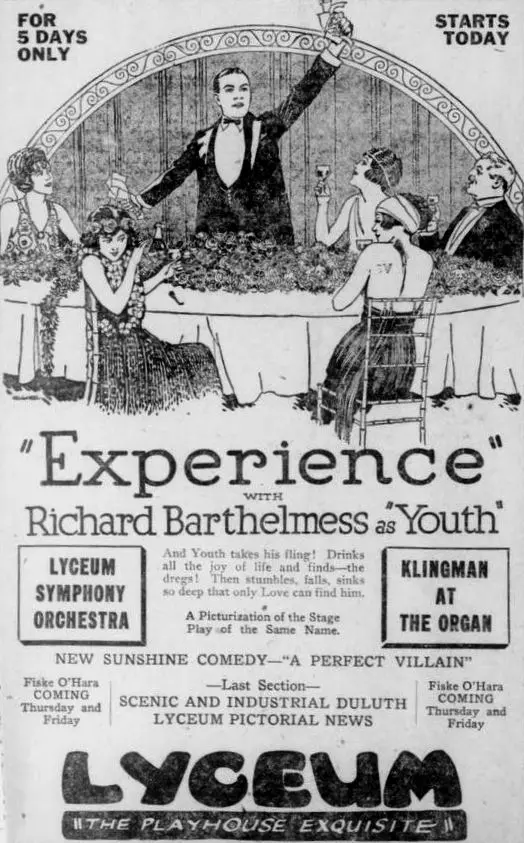
Why do we return to these flickering, often damaged relics of the past? It is because they represent the unfiltered soul of the medium. Before the industry became a well-oiled machine, it was a wild frontier. The films mentioned here—whether they were absurdist comedies like The Bride-to-Be (1915) or dark dramas like The Mark of Cain (1917)—were all, in their own way, acts of rebellion. They were the first to suggest that cinema could be more than just a distraction; it could be a mirror for our deepest fears, our strangest desires, and our most irrational impulses.
The cult cinema of today is not a new invention; it is a continuation of a conversation that began over a century ago. When we watch a midnight movie, we are participating in a ritual that traces its lineage back to the darkened theaters of the 1910s, where audiences first felt the magnetic pull of the unconventional. By unlocking the primal cipher of the silent era, we gain a deeper understanding of why we continue to worship at the altar of the misfit masterpiece. These films are the ghosts in our projectors, the rebel DNA that ensures cinema will always have a place for the strange, the deviant, and the divine.
Community
Comments
Log in to comment.
Loading comments…