
Cult Cinema Deep Dive
The Primal Fever: How Early Cinema’s Forgotten Misfits and Moral Outlaws Birthed the Cult Obsession
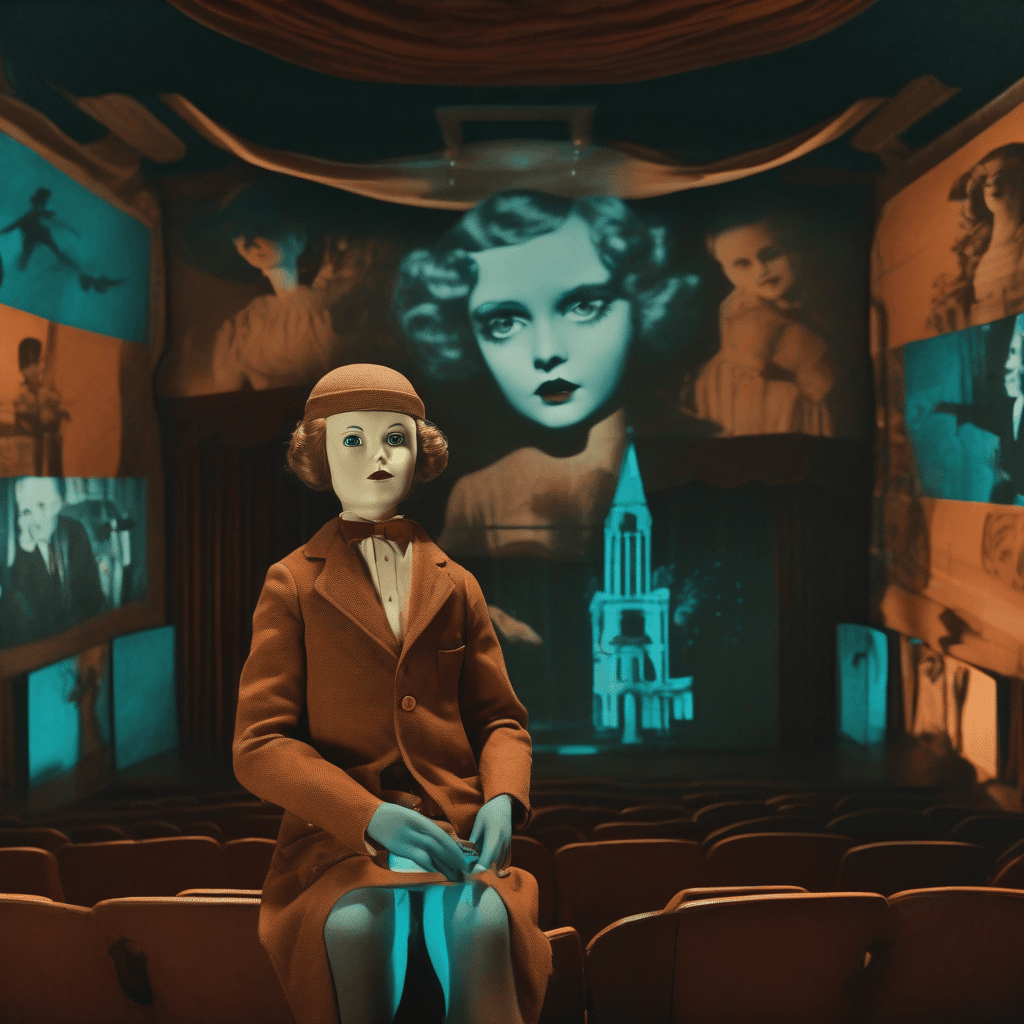
“A deep dive into the hidden ancestry of cult cinema, tracing the lineage of obsession from the transgressive reels of the 1910s to the modern midnight movie phenomenon.”
When we speak of cult cinema, the mind often drifts toward the neon-soaked midnight screenings of the 1970s or the grainy VHS tapes of the 1980s. We think of the communal chanting at The Rocky Horror Picture Show or the bewildered silence following a screening of Eraserhead. However, the genetic code of the cult phenomenon—the celebration of the strange, the embrace of the transgressive, and the obsessive devotion to the niche—was written much earlier. To understand the modern cultist, one must travel back to the flickering, hand-cranked shadows of the 1910s and 1920s, where a cadre of forgotten misfits and moral outlaws first challenged the boundaries of the frame.
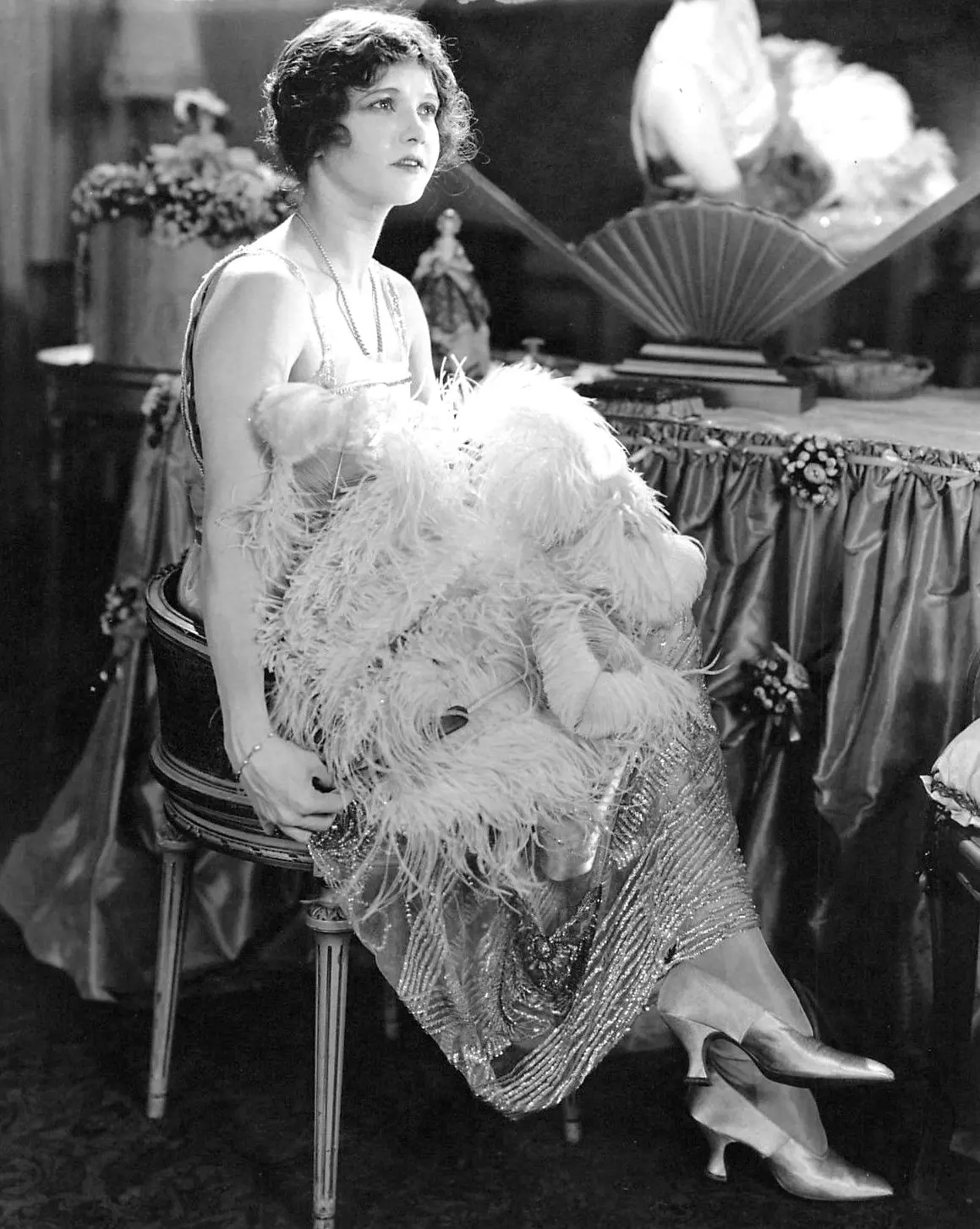
The Transgressive Seed: Violence and Vengeance in the Silent Era
Cult films are often defined by their willingness to go where mainstream cinema fears to tread. In the early 20th century, this rebellion manifested in visceral, often shocking explorations of human depravity and vengeance. Consider the 1919 masterpiece Behind the Door. This wasn't merely a naval drama; it was a proto-exploitation film that featured a German-American officer exacting a gruesome, skin-crawling revenge against a submarine commander. The sheer intensity of its themes—brutality, betrayal, and the psychological toll of war—prefigured the "grindhouse" aesthetic decades before the term existed. It is in these moments of cinematic extremity that the cult spirit finds its first home.
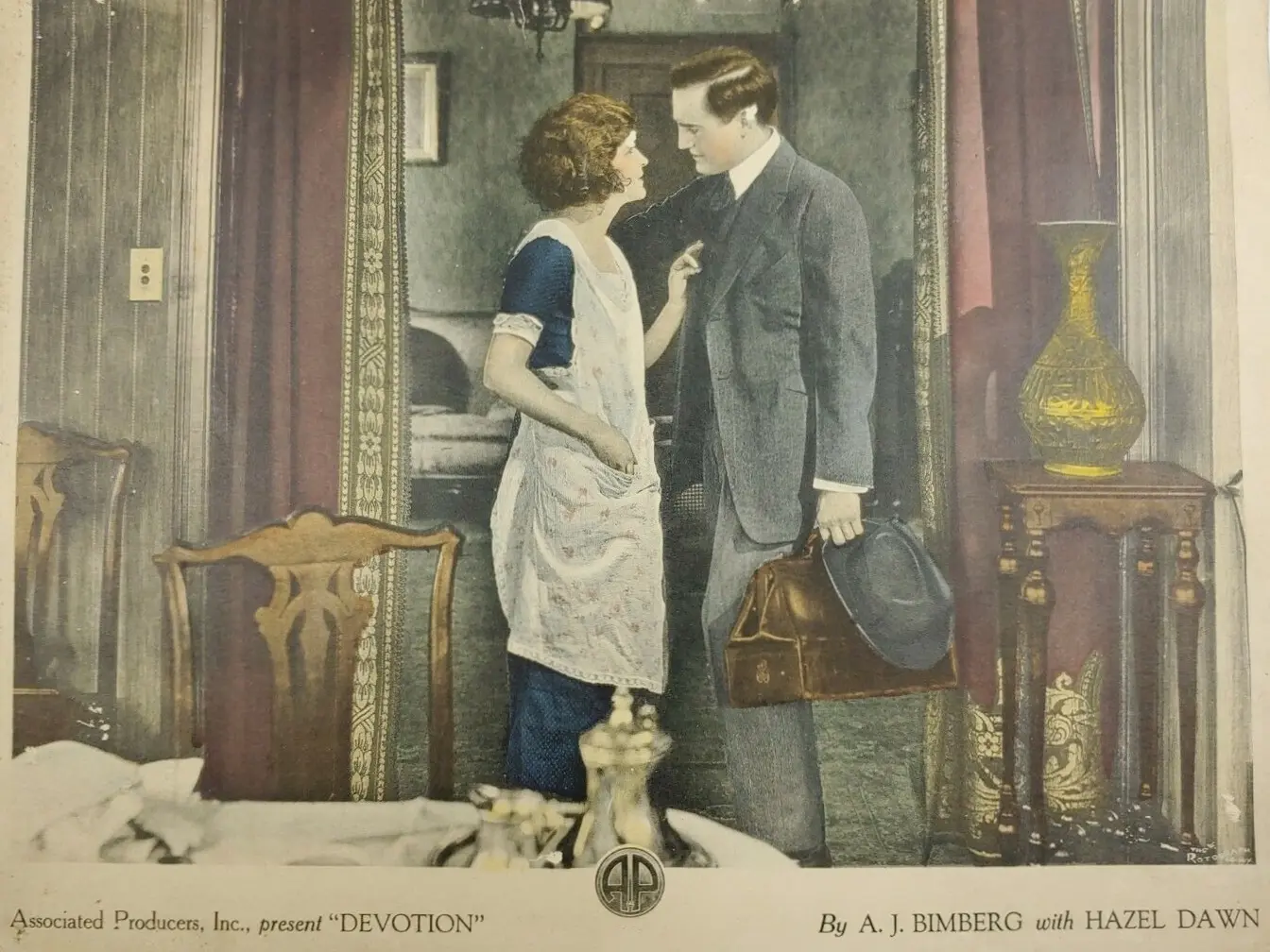
Similarly, The Spirit of '76 (1917) offered a vision of history so subversive and controversial that it led to its producer's imprisonment under the Espionage Act. By depicting British atrocities during the American Revolution at a time when the U.S. was allied with Britain in WWI, the film became a forbidden object—the ultimate hallmark of cult status. When a film is suppressed by the state, it gains a forbidden allure that transforms it from a mere product into a relic of rebellion.
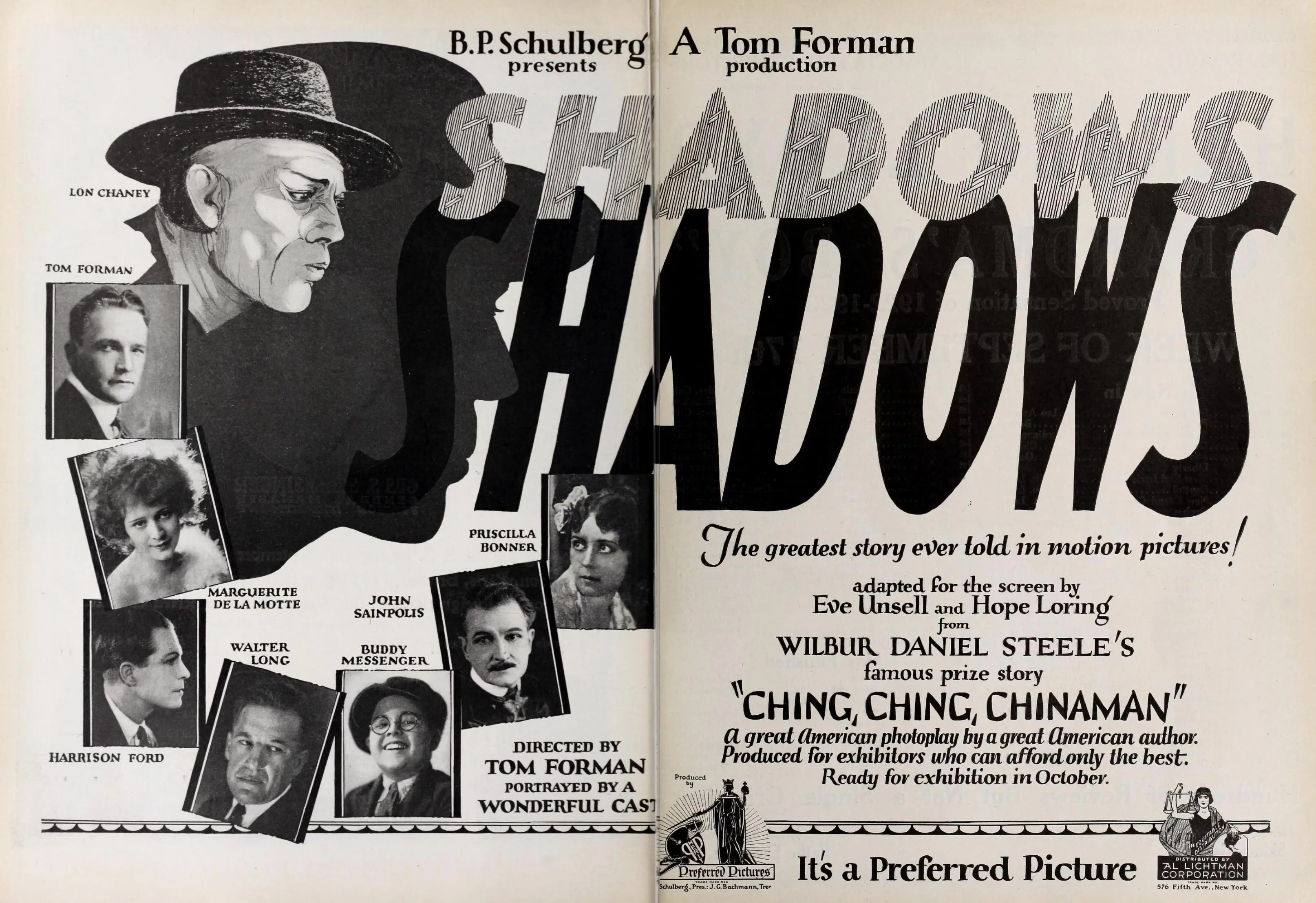
The Surreal and The Absurd: When Comedy Becomes Cult
The Logic of the Life-Size Doll
Cult cinema thrives on the "weird for the sake of weird," a sensibility that finds an early ancestor in the 1920 short Oh, Baby!. The premise—two men winning a life-size baby doll and being forced to bring it to a high-society reception—is a masterclass in the uncanny. This is the kind of narrative absurdity that would later define the works of John Waters or the absurdist theater of the 1950s. The doll serves as a cinematic totem, a bizarre object of focus that disrupts the social order, much like the strange artifacts in modern cult classics.
Physical comedy of this era often pushed into the realm of the surreal. In Short and Snappy, the conceit of two men sharing a single dress suit until the trousers are destroyed is more than just a gag; it is a commentary on social performance and the fragility of dignity. These films, often overlooked by academic historians, were the underground pulses of their time, offering audiences a reprieve from the stifling morality of the Victorian hangover through pure, unadulterated chaos.
The Melodrama of the Damned: Gothic Souls and Moral Mutants
The cult of the "tragic icon" began with the intense, often overwrought melodramas that explored the darker side of the human heart. Films like The Chalice of Sorrow (1916) and The Blood Barrier (1920) delved into themes of fanatical jealousy, obsession, and the destructive power of love. In The Chalice of Sorrow, the setting of Mexico City and the captivating presence of an American opera singer create an atmosphere of exotic fatalism that would later be mirrored in the noir and gothic cult films of the mid-century.
The moral ambiguity of these characters is what makes them so enduring. In Maria Rosa (1916), we see a narrative of murder and false imprisonment that refuses to provide easy catharsis. When Ramon uses a rival's knife to commit murder, he isn't just a villain; he is a narrative mutant, a character who subverts the expected hero's journey. This complexity is exactly what draws cult audiences—the desire to see the world not in black and white, but in the murky, fascinating grays of the human experience.
Folk Horror and Fantasy: The Roots of the Weird
Long before the term "folk horror" was coined, early cinema was mining the depths of local folklore and pagan imagery to create unsettling visions. The 1916 film Rübezahls Hochzeit (Rübezahl's Wedding) brought the legendary mountain spirit of the Giant Mountains to the screen. The infatuation of a supernatural being with a human tutor is a classic trope of the fantastic cult, blending the magical with the mundane in a way that feels both ancient and avant-garde.
In the Norwegian hills of Kaksen på Øverland (1920), we find a story of fiddle players, rich farms, and mysterious deaths. The connection between music, nature, and tragedy in this film creates a haunted atmosphere that resonates with the same energy as modern cult hits like The Wicker Man or Midsommar. These films were the original "midnight movies," tapping into the primal fears and folk-memories of their respective cultures, creating a shared language of the strange that transcended borders.
The Dreamers and the Sleepwalkers: Proto-Surrealism
The cult obsession with the subconscious and the dream state is perhaps best represented in the 1921 film Children of the Night. The story of a lowly shipping clerk who falls asleep and dreams of himself as an aggressive man of the world is a direct precursor to the identity-bending narratives of David Lynch or Richard Kelly. It explores the divide between the mundane reality of the working class and the vibrant, dangerous world of the imagination. This "flicker of the subconscious" is what makes cult cinema so potent; it allows the audience to step into a dream-logic where the rules of the waking world no longer apply.
Even in more traditional dramas like A Woman's Experience or The Flame of Youth, there is a palpable sense of restlessness—a desire to escape the confines of tradition and explore the "temptations of the city" or the "opal mines of lower California." This spirit of cinematic wanderlust is the heartbeat of the cult fan, who is always searching for the next hidden gem, the next film that will transport them to a world they never knew existed.
The Documentary of the Divine and the Damned
Cultism isn't limited to fiction; it often attaches itself to the "event" or the "curiosity." The early 20th century saw the rise of the spectacle film, such as The Joe Gans-Battling Nelson Fight or His Holiness, the Late Pope Pius X, and the Vatican. These were not just recordings; they were windows into worlds that the average viewer could never access. The obsession with "real" violence or "sacred" access is a recurring theme in cult subcultures, from the fascination with mondo films to the reverent study of obscure historical footage.
Moreover, films like The Greatest Gift, a documentary on the Red Cross, showed that cinema could be used to evoke a communal emotional response to real-world suffering and disaster. This communal catharsis is a key component of the cult experience—the shared recognition of a profound truth, whether that truth is found in a religious figure, a brutal boxing match, or a fictional tragedy.
Conclusion: The Eternal Flicker of the Fringe
The films of 1910-1925, from the comedic antics of The Jockey to the dark secrets of The Wine Girl, were more than just entertainment. They were the building blocks of a new kind of devotion. They proved that cinema could be a vessel for the strange, the transgressive, and the obsessive. When we watch a modern cult classic today, we are witnessing the latest evolution of a fever that began over a century ago.
The midnight mindset is not a modern invention; it is an ancestral trait, passed down from the silent era’s genre mutants and moral outcasts. As long as there are filmmakers willing to explore the "hidden menace" of the human psyche and audiences willing to follow them into the dark, the primal fever of cult cinema will never truly break. We are all, in a sense, children of the night, forever searching for the next beautiful, bizarre, and broken masterpiece to call our own.
Community
Comments
Log in to comment.
Loading comments…