
Cult Cinema
The Renegade's Reel: How Silent Era Subversions Birthed the Cult Movie Obsession
“Explore the hidden DNA of cult cinema through the forgotten masterpieces of the early 20th century, where genre-bending and moral defiance first took root.”
Cult cinema is often defined by its relationship with the audience—a bond forged in the fires of shared obscurity and a mutual appreciation for the unconventional. While many film historians point to the midnight movie craze of the 1970s as the birth of the cult phenomenon, the genetic markers of this obsession were actually present at the very dawn of the medium. Long before The Rocky Horror Picture Show or Eraserhead, there were silent reels and early talkies that dared to defy the burgeoning studio norms, offering audiences a glimpse into the transgressive, the weird, and the socially defiant. To understand the modern cult landscape, we must look back at the renegades of the early 20th century, whose work laid the groundwork for the niche devotion we see today.
The Domestic Subversion: Defying the Moral Compass
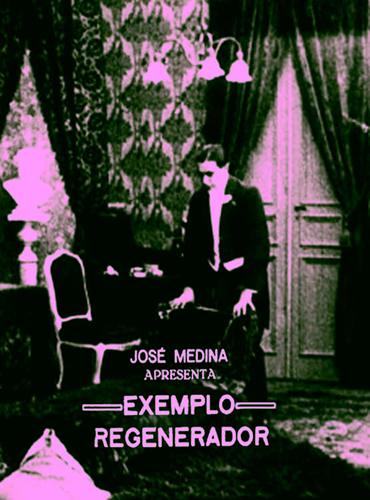
In the early days of cinema, films were often expected to be moral guideposts, reinforcing traditional values of family and sobriety. However, a strain of rebellious storytelling began to emerge that questioned these very foundations. Take, for instance, the 1911 film Exemplo Regenerador. On the surface, it might seem like a simple moral play, but its depiction of a woman drinking and smoking languorously with a butler while her husband is out gambling is a startling subversion of domestic expectations. This early exploration of marital ennui and social taboo is exactly the kind of material that modern cult enthusiasts gravitate toward—narratives that peek behind the curtain of 'polite' society.
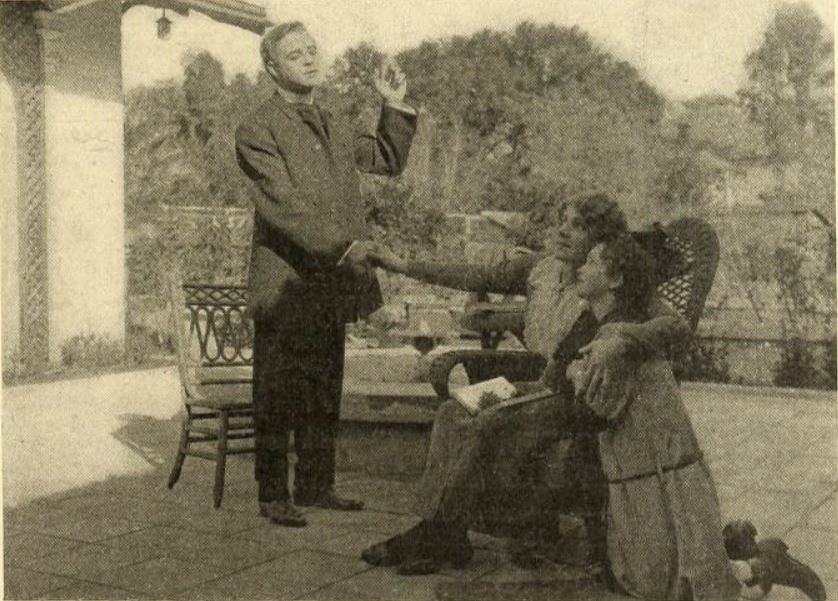
Similarly, The Return of Helen Redmond (1914) presents a protagonist who tires of the suffocating nature of domestic life. When a chorus girl marries into a clergyman’s family and subsequently rejects the 'ideal' life of a mother and wife, the film taps into a primal sense of restlessness. Cult cinema has always been a sanctuary for characters who don't fit the mold, and Helen Redmond’s rejection of the status quo is a direct ancestor to the 'rebel without a cause' archetype that would later define the genre.
The Politics of the Fringe: Birth Control and Social Reform
True cult cinema is often deeply political, albeit in a way that feels raw and unfiltered compared to mainstream propaganda. The silent era was no stranger to radical activism. The Hand That Rocks the Cradle (1917) stands as a monumental example of cinematic subversion. Centered on a woman who runs a birth control information bureau in defiance of the law, the film highlights a stark class divide: the wealthy have access to medical knowledge that the poor are denied. By turning a social issue into a gripping narrative of arrest and advocacy, the film did more than just entertain; it challenged the legal and moral structures of its time. This 'forbidden' quality—the sense that you are watching something the authorities would rather you didn't—is a cornerstone of the cult experience.
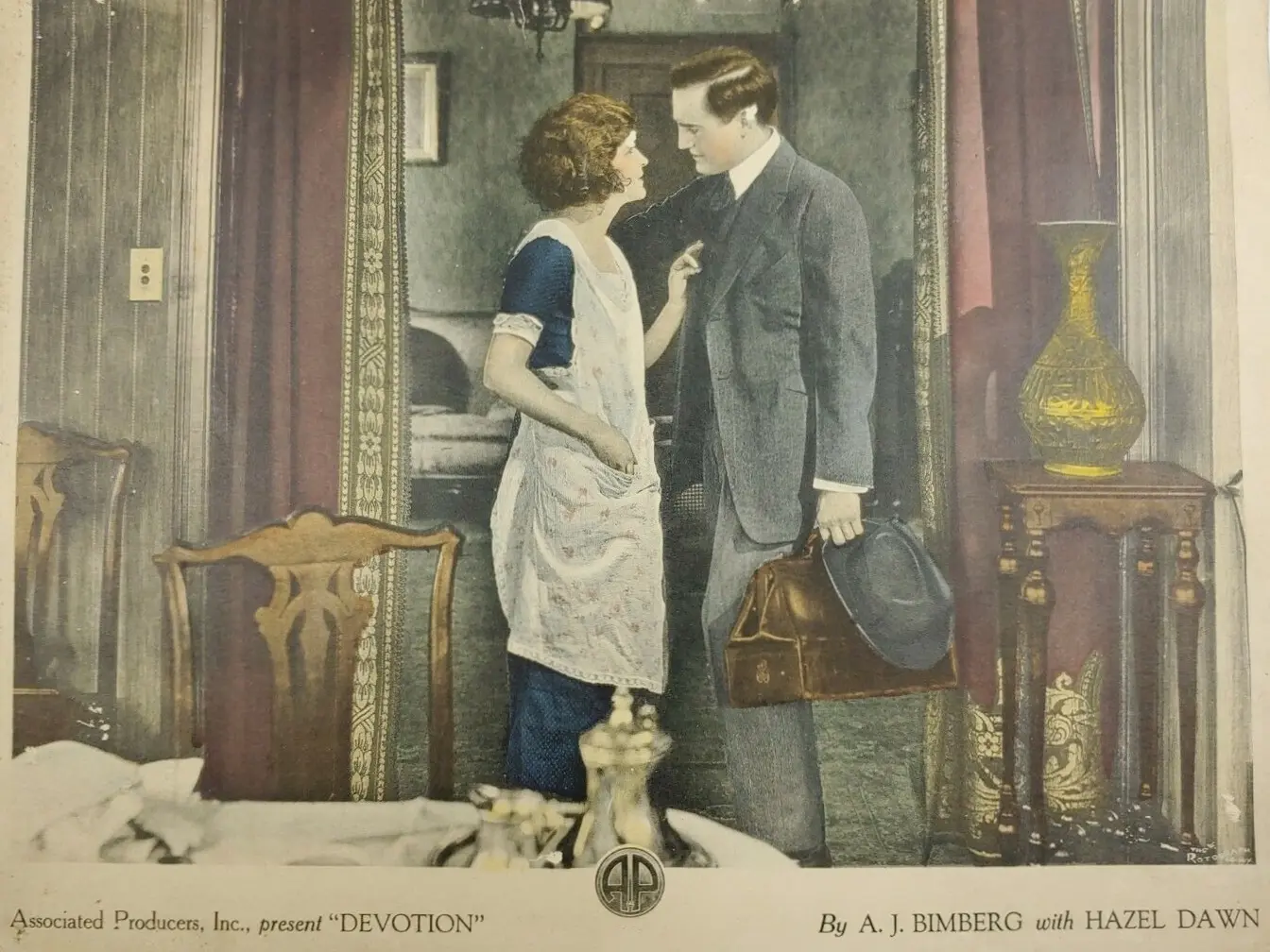
This theme of social struggle is also reflected in Shattered (1921), a drama that strips away the glamour of the era to show the grinding poverty of a track checker’s family. By focusing on the marginalized and the destitute, these films gave voice to the 'other.' Cult audiences have historically been composed of those who feel marginalized themselves, finding solace in stories like The Two Orphans or L'orpheline, where the struggle for survival in a cruel world is depicted with unflinching honesty.
Genre Mutation: The Birth of the Weird Western
The Western is perhaps the most quintessentially American genre, yet even in its infancy, it was being twisted into strange new shapes. The Devil Dodger (1917) introduced the concept of the 'sagebrush parson'—a man of God who settles disputes with blazing revolvers. This blending of religious iconography with violent frontier justice created a surreal, almost mythological tone that predates the 'acid westerns' of the 1960s. When we see a character like Cheyenne in Straight Shooting (1917), a hired gun who finds redemption at a newly dug grave, we are seeing the birth of the anti-hero—a figure that cult fans would later worship in the works of Sergio Leone or Sam Peckinpah.
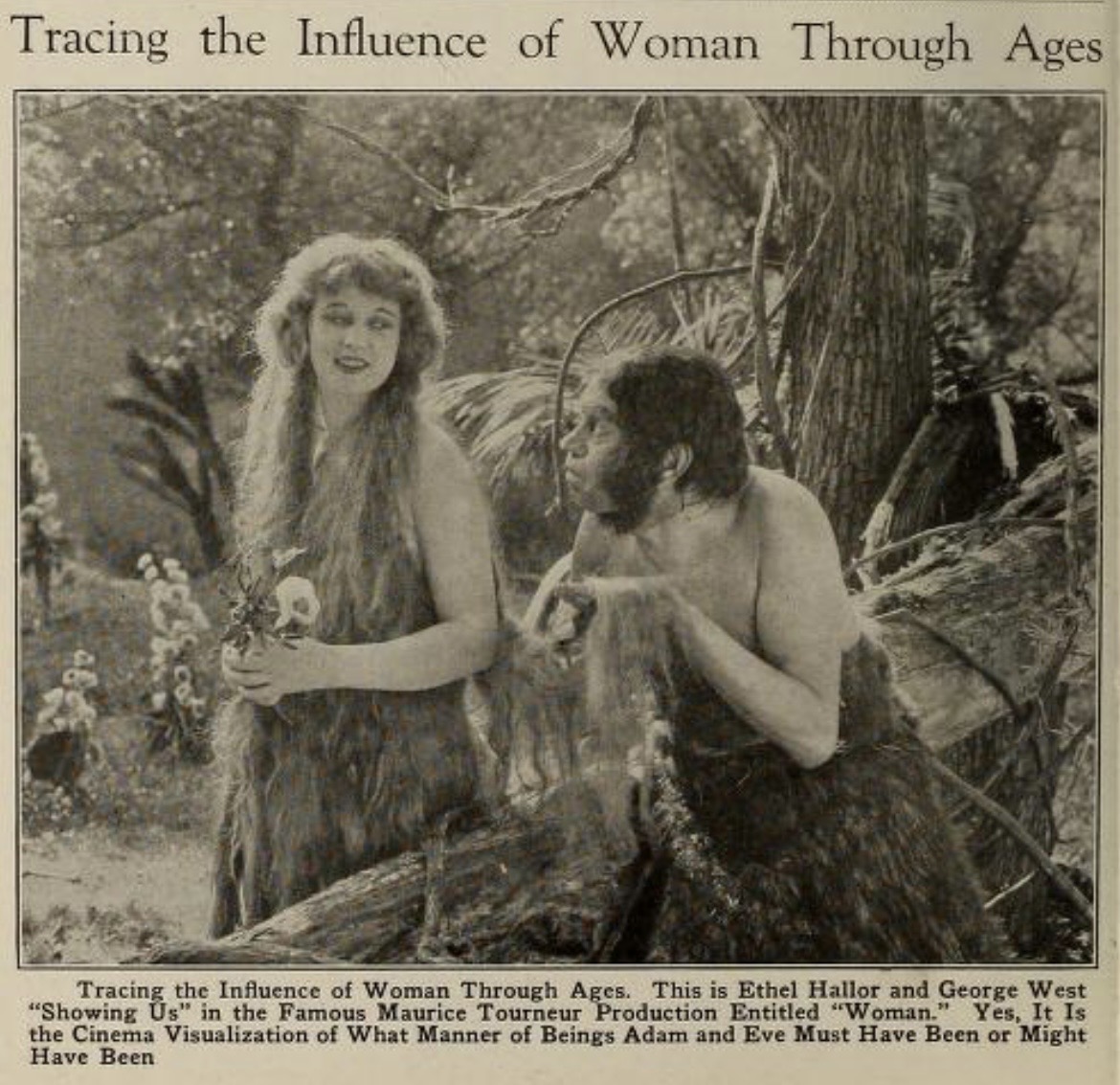
These early Westerns weren't just about white hats and black hats. They explored the 'open places' of the human psyche. Rounding Up the Law (1922) and The Man from Nowhere (1917) used the lawless frontier as a backdrop for stories of identity, loss, and the corruption of justice. The 'cult' appeal here lies in the ambiguity; these aren't simple tales of triumph, but complex explorations of men and women pushed to their absolute limits in a land that offers no easy answers.
Surrealism and the Meta-Narrative: Breaking the Fourth Wall
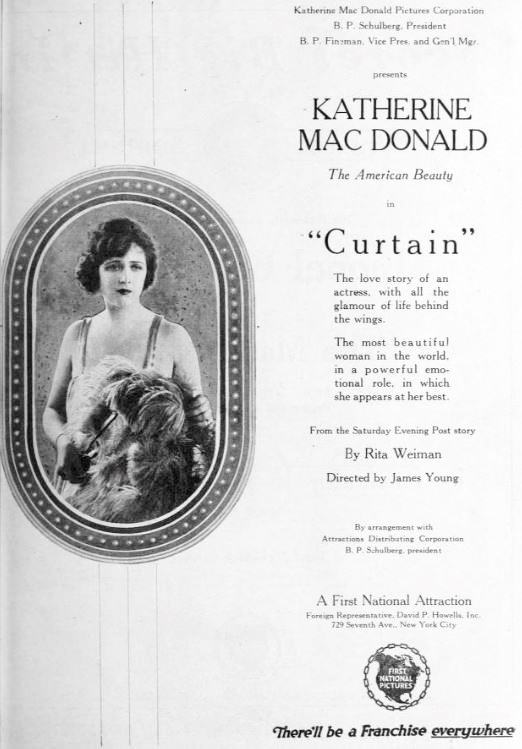
If there is one thing that defines a cult classic, it is a sense of self-awareness or a willingness to embrace the bizarre. The 1920 short Invisible Ink is a masterclass in early meta-fiction. A hand-drawn clown begins to interrupt the very animator who is trying to draw him, leading to a frantic battle between creator and creation. This kind of surrealist experimentation is the lifeblood of cult cinema. It breaks the 'immersion' of the film to remind the audience of the artifice of the medium, a technique that would be used decades later by filmmakers like Terry Gilliam or David Lynch.
The early 20th century was a time of intense technical experimentation. Films like Aladdin (1917), which features a tailor using a dog to tear men's clothes to drum up business, showcase a penchant for the absurd and the darkly comedic. This 'sacred weirdness' is what allows a film to survive the passage of time. While 'prestige' films of the era might feel dated, these eccentric shorts remain vibrant and hilarious because they don't rely on the conventions of their time—they actively mock them.
The Gothic and the Grotesque: Precursors to Horror Cults
The roots of the horror cult can be found in the early depictions of the uncanny and the supernatural. Rumpelstiltskin (1915) transformed a fairy tale into a nightmare of greed and magic, featuring a 'wicked little dwarf' whose covetous nature feels genuinely threatening. The use of shadow and distorted sets in these early productions created an atmosphere of dread that would later be refined by German Expressionism. Even in more grounded stories like The Ghost Flower (1918), where a Neapolitan girl becomes the mistress of a gangster, the haunting title and the tragic, violent undertones suggest a world where the past is never truly dead.
The fascination with the 'ghostly' is also seen in The Ghost of Rosy Taylor (1918), where a woman assumes a false identity to survive in a new country. This theme of the 'imposter' or the 'double' is a recurring motif in cult cinema, reflecting a deep-seated anxiety about the stability of the self. Whether it’s through literal ghosts or metaphorical ones, these films tapped into a collective subconscious that yearned for the eerie and the unexplained.
Devotion Beyond the Screen: The Audience as Tribe
What makes a film 'cult' isn't just the content on the screen, but the ritual of the audience. In the early 1900s, films like The Romance of the Utah Pioneers (1913) or A magyar föld ereje (1917) spoke to specific communities with a fervor that transcended simple entertainment. These films were part of a shared identity, a way for people to see their own histories—however mythologized—reflected back at them. This sense of 'ownership' over a film is the essence of cult fandom.
Even the comedies of the era, such as Off the Trolley (1919) starring Harold Lloyd or the Musty Suffer series (like Keep Moving, 1915), fostered a unique kind of devotion. These weren't just jokes; they were anarchic disruptions of the social order. When Musty Suffer eats the artificial grapes off a customer's hat as revenge, he is acting out the frustrations of every service worker who has ever been mistreated. Cult cinema has always been about this kind of catharsis—a way for the audience to vicariously experience the rebellion they cannot perform in their daily lives.
The Enduring Legacy of the Misfit Reel
As we look at the vast landscape of cinema today, it is easy to forget that the 'weird' was there from the beginning. The 50 films that serve as the context for this exploration—from the revolutionary agitators of Stormfågeln (1914) to the spendthrift sons of Pleasure Seekers (1920)—all contribute to a legacy of defiance. They represent a time when the rules of cinema were still being written, and because of that, anything was possible. They were the original 'midnight movies,' screened in drafty theaters for audiences who wanted something more than just a happy ending.
The cult movie soul is not a modern invention; it is a primal rhythm that has been beating since the first hand-cranked cameras began to roll. It is found in the 'hole in the wall' feuds of 1914 and the 'invisible ink' of 1920. It is the voice of the outcast, the vision of the maverick, and the heartbeat of the renegade. By studying these early anomalies, we don't just learn about film history; we learn about the enduring human desire to find beauty in the strange, meaning in the marginalized, and a community in the dark.
In conclusion, the journey from the silent fringe to the modern cult pantheon is a continuous line of subversion. The films of the early 20th century were the catalysts, the 'regenerative examples' that proved cinema could be more than just a mirror of reality—it could be a weapon, a dream, and a sanctuary for the misfits of the world. As long as there are filmmakers willing to break the rules and audiences willing to follow them into the unknown, the spirit of cult cinema will never die. It will simply continue to mutate, evolve, and find new ways to haunt our collective imagination.
Community
Comments
Log in to comment.
Loading comments…