
Cult Cinema
The Anatomy of Obsession: Deconstructing Cult Cinema's Enduring Power and Maverick Appeal
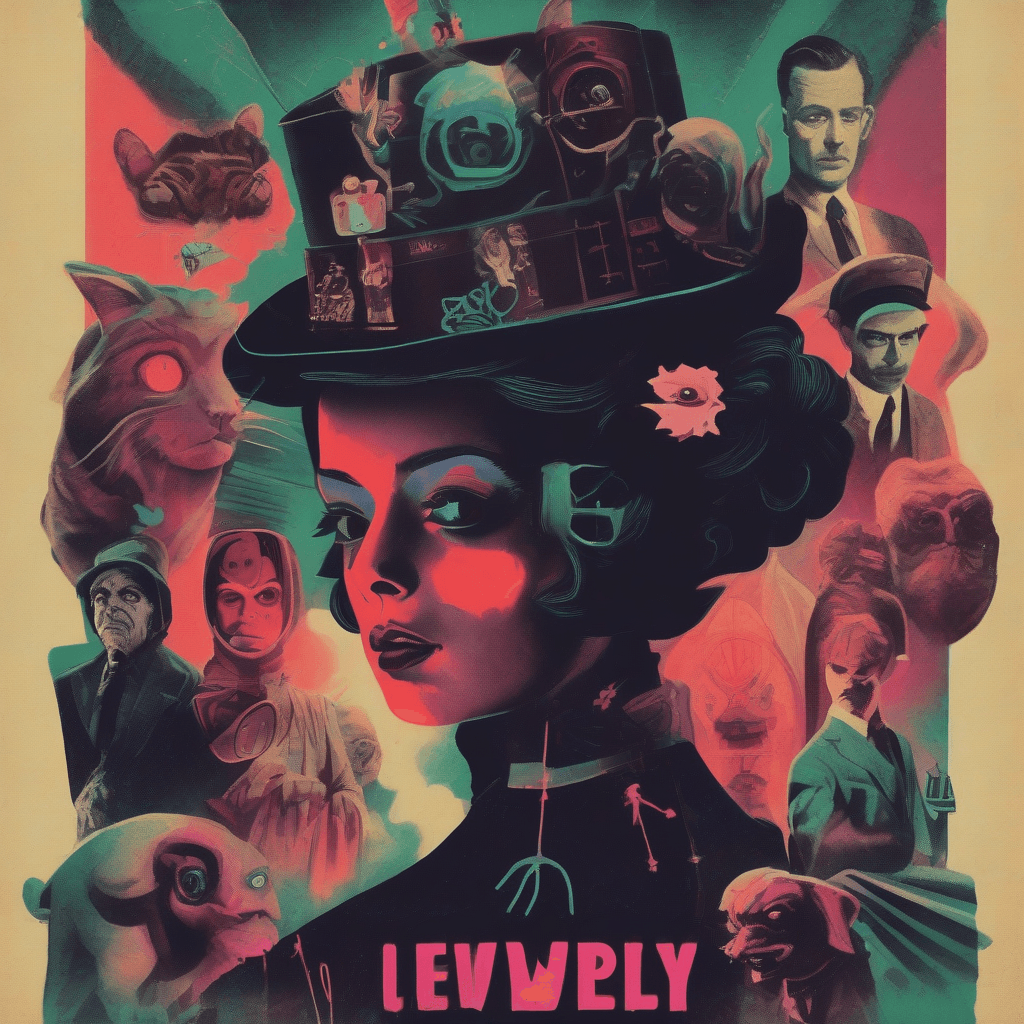
“Cult cinema thrives on the fringes, captivating audiences with its unique vision and transgressive spirit. This deep dive explores how these unconventional films, from silent-era curiosities to modern midnight masterpieces, forge indelible connections and define the very essence of cinematic obsessi…”
In the vast, glittering galaxy of motion pictures, there exists a unique constellation known as cult cinema. These aren't merely films; they are phenomena, existing beyond the ephemeral glare of the mainstream, drawing devoted followers into their orbit. What transforms a cinematic offering, often overlooked or misunderstood upon its initial release, into an object of fervent, almost religious, devotion? It's a complex alchemy of subversion, artistic rebellion, emotional resonance, and a communal spirit that transcends mere viewership, fostering a profound sense of belonging among its niche fandoms. Cult films defy easy categorization, reject conventional narratives, and often push the boundaries of taste and aesthetics, leaving an indelible mark on those who dare to venture into their enigmatic realms.
The Genesis of the Genuinely Peculiar: Early Cinema's Unconventional Echoes
While the term 'cult film' might conjure images of midnight screenings in the 1970s or VHS-era oddities, the spirit of cinematic rebellion and the magnetism of the unusual have roots stretching back to the very dawn of cinema. Even in the silent era, amidst melodramas and grand historical epics, films emerged that hinted at the qualities we now associate with cult status. These were not always intentional provocations, but rather works that, through their unique vision, intense emotionality, or sheer peculiarity, stood apart.

Consider the melodramatic intensity of films like The Right to Love or Up from the Depths. Though perhaps conventional for their time, their exploration of societal taboos, moral quandaries, and heightened human drama could create a powerful, almost overwhelming experience for audiences. Such films, in their raw emotionality, laid groundwork for later works that would deliberately amplify these feelings to create a sense of discomfort or fascination. Similarly, early genre experiments, like the proto-horror elements in Anita, or the grand scale of Cleopatra (1917), demonstrated a willingness to explore narratives and visuals that transported viewers beyond their everyday lives, offering a potent form of escapism that often appeals to those seeking something 'more' from cinema.
Even early comedies, such as The Frozen North or Bath Day, with their slapstick absurdity and often surreal scenarios, showcased a playful disregard for realism that can be seen as a precursor to the deliberate strangeness embraced by later cult films. These early cinematic efforts, whether by design or accident, often contained the genetic code for what would become a maverick aesthetic, a foreshadowing of cinema's capacity to transcend simple entertainment and become something truly singular.

The Auteur's Anomaly: Visionary Directors and Their Uncompromising Art
At the heart of many cult films lies an uncompromising artistic vision, an auteur's singular perspective that refuses to bend to commercial pressures or critical consensus. These are the films that feel deeply personal, often idiosyncratic, and sometimes even confrontational. Directors of cult films aren't just telling stories; they're creating worlds, manifesting obsessions, and inviting audiences to experience cinema on their own terms.
While many early films were studio-driven, there were always those with a distinct voice. Consider the experimental newsreel format of Kino-pravda no. 5, a radical departure from conventional filmmaking that sought to capture 'film-truth.' Such a bold approach, though not 'cult' in its contemporary reception, embodies the spirit of challenging norms that is central to the cult phenomenon. Similarly, the dramatic narratives of films like Shame (1921) or The Menace, with their intricate character studies and social commentary, could be seen as early examples of filmmakers using the medium to explore deeper, often uncomfortable, truths.

This iconoclastic spirit is crucial. Cult films are often the products of filmmakers who dare to be different, who craft narratives and visuals that might initially alienate mainstream audiences but ultimately resonate profoundly with a dedicated few. It's a testament to the power of a unique voice, proving that true artistry often finds its audience, even if it takes time.
Narrative Anarchy and Genre Transgression: The Thrill of the Unexpected
One of the most defining characteristics of cult cinema is its willingness to shatter narrative conventions and blend genres in audacious ways. These films often defy easy classification, moving seamlessly between horror, comedy, drama, and fantasy, creating a viewing experience that is both unpredictable and exhilarating. They don't just tell a story; they present a puzzle, a dream, or a nightmare that demands active engagement from the viewer.

Even in early cinema, we see hints of this genre fluidity. Films like The Wolver, an adventure-drama with elements of frontier justice, or Die Luftpiraten, an early adventure film that likely flirted with proto-sci-fi elements, showcased a willingness to explore new narrative territories. While not as overtly transgressive as later cult classics, these films represented a departure from purely realistic storytelling, embracing imaginative concepts that could ignite the spark of fascination.
The peculiar charm of cult films often lies in their refusal to conform to predictable structures. They might feature non-linear timelines, ambiguous endings, or characters that defy traditional heroic archetypes. This narrative anarchy is not a flaw but a feature, inviting multiple viewings and endless interpretation, fostering a vibrant ecosystem of discussion and analysis among their devotees.

The Midnight Mirror: Fandom, Community, and Reappraisal
Perhaps the most vital ingredient in the cult cinema recipe is its audience. Cult films are not merely watched; they are experienced, discussed, dissected, and often ritualistically re-watched. The communal viewing experience, particularly the legendary 'midnight movie' phenomenon, transformed isolated appreciation into a shared, almost sacred, event. This collective embrace often begins years after a film's initial release, a testament to the power of reappraisal and rediscovery.
Many films that now enjoy cult status were initially commercial failures or critical duds. Their journey from obscurity to icon often involves a dedicated grassroots effort from fans who recognize something profoundly resonant in a film that the mainstream overlooked. Imagine the initial reception of a film like The Secret Code, a drama with espionage elements. While not a cult film itself, its complex narrative and potential for hidden meanings could inspire a level of engagement that, in a different context, might lead to cult devotion. The same could be said for films like Il processo Clémenceau or The Woman Who Walked Alone, whose intense dramatic narratives might have resonated deeply with specific audiences, even if not universally acclaimed.

The internet and digital platforms have only amplified this phenomenon, allowing niche audiences to connect globally, sharing their love for obscure gems and forgotten masterpieces. This global fandom transforms mere viewers into active participants, creating fan art, theories, and entire subcultures dedicated to celebrating these rebel films. It's a powerful demonstration of how art can forge identity and community, proving that cinema's most profound impact often happens on the fringes.
The Enduring Allure of Transgression and Taboo
Cult cinema frequently thrives on its willingness to confront, disturb, and provoke. It delves into the uncomfortable, the forbidden, and the grotesque, challenging societal norms and pushing the boundaries of what is considered acceptable onscreen. This transgressive spirit is a core component of its enduring appeal, drawing viewers who are tired of sanitized narratives and predictable morality tales.
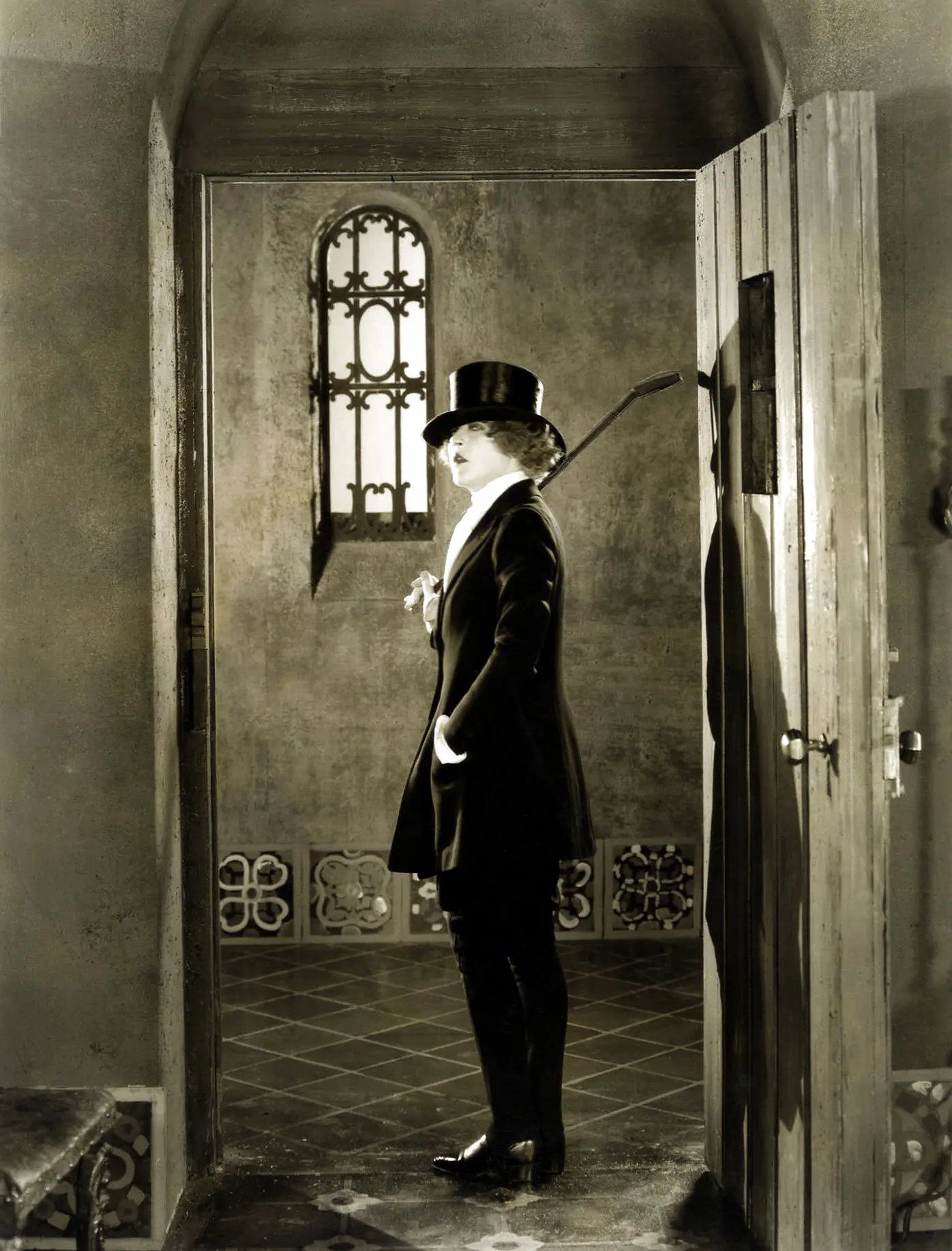
Even in early cinema, hints of this transgressive impulse can be found. Films like Drankersken, which tackled the then-sensitive subject of alcoholism and its impact on a family, or That Sort, a drama exploring marital infidelity and its consequences, dared to touch upon themes that were perhaps considered scandalous or uncomfortable for mainstream audiences. While these films operated within the moral frameworks of their time, they demonstrated an early cinematic capacity to engage with the darker, more complex aspects of the human condition.
Later cult films would expand on this, exploring themes of violence, sexuality, identity, and social decay with an unflinching gaze. They offer a cathartic release, a safe space to explore the darker corners of the human psyche, and a challenge to conventional thought. This daring approach ensures their longevity, as they continue to shock, inspire, and resonate with new generations of viewers seeking films that truly dare to be different.

From Obscurity to Oracle: The Cult Film's Transformative Power
The journey of a cult film is often one from initial obscurity to becoming an 'oracle' for its devoted followers. These films, once dismissed, become sources of profound meaning, artistic inspiration, and even personal transformation. They offer perspectives rarely found in mainstream fare, speaking directly to those who feel marginalized, misunderstood, or simply hungry for something authentically unique.
Films like The Great Cattle War, a drama about power struggles, or The Ploughshare, which explored social hierarchies, might not be cult films themselves, but they exemplify how cinema, even in its early forms, could capture societal tensions and human struggles with an intensity that resonates. This ability to capture a specific mood, a particular worldview, or an intense emotional state is a common thread throughout cult cinema's history.

The transformative power of cult cinema lies in its capacity to challenge, entertain, and unite. It’s a testament to the democratic nature of art, where audiences ultimately decide what endures and what fades into oblivion. The films on the periphery, the ones that defy easy classification, often hold the most profound and lasting power, continuing to inspire debate, adoration, and a sense of shared identity among their dedicated underground communities.
The Enduring Legacy: A Century of Maverick Movies
From the silent-era dramas that hinted at deeper human complexities to the most outlandish midnight movies, cult cinema represents a vibrant and essential facet of film history. It's a continuous thread of maverick visions, artistic defiance, and passionate audience engagement. Whether it's the epic scale of Titanenkampf, the dramatic intensity of The Dead Line, the quirky humor of Her Bridal Night-Mare, or the historical grandeur of When Rome Ruled, each film, in its own way, contributes to the rich tapestry of cinematic expression that cult audiences cherish.

The enduring appeal of cult cinema is not just about nostalgia; it’s about the timeless human desire for authenticity, for art that dares to be different, and for stories that resonate on a deeply personal level. These films offer an escape from the mundane, a challenge to the conventional, and a home for those who find solace in the unconventional. As long as there are filmmakers willing to push boundaries and audiences eager to explore the uncharted territories of the cinematic landscape, cult cinema will continue to thrive, forever illuminating the unseen magic of the silver screen.
The journey from a forgotten reel to a revered classic is a testament to the dynamic relationship between art and its beholders. Cult films remind us that greatness isn't always found in blockbusters or critical darlings, but often in the overlooked, the misunderstood, and the defiantly unique. They are the secret language of shadows, speaking volumes to those who listen closely, inviting them into a shared universe of unconventional worship and enduring cinematic love.
Community
Comments
Log in to comment.
Loading comments…