
Cult Cinema
The Loom of Legends: Weaving the Enduring Tapestry of Cult Cinema's Maverick Spirit

“Cult cinema isn't merely a genre; it's a vibrant cultural phenomenon where overlooked or unconventional films weave an enduring tapestry of devotion, subversion, and communal identity. This article explores the unique alchemy that transforms cinematic outliers into beloved icons, fostering deep-seat…”
In the vast, ever-shifting landscape of motion pictures, certain films resist easy categorization. They bypass critical acclaim, sidestep blockbuster status, and yet, they refuse to fade into obscurity. Instead, they burrow deep into the collective consciousness of dedicated audiences, sparking a fervent, almost religious devotion. This is the enigmatic realm of cult cinema, a cultural phenomenon far richer and more complex than its often-misunderstood moniker suggests. It's a space where the marginalized become celebrated, the bizarre becomes beautiful, and the unconventional finds its most passionate advocates.

Cult films are not born; they are made, forged in the crucible of audience reception, often years or even decades after their initial release. They thrive on a unique blend of narrative audacity, stylistic peculiarity, and a profound ability to speak to a specific, often disenfranchised, segment of the viewing public. From the early days of cinema, when films were still finding their voice, there were always those narratives that dared to push boundaries, to linger outside the comfortable confines of conventional storytelling, laying the groundwork for the midnight movie phenomenon and the enduring legacy of cinematic rebellion.

The Genesis of the Unconventional: Early Sparks of Rebellion
Long before the term 'cult film' entered common parlance, the seeds of this cinematic movement were being sown. Early cinema, with its nascent storytelling techniques and evolving moral codes, occasionally produced works that, intentionally or not, hinted at the transgressive spirit that would later define cult classics. Consider films like The Woman of Mystery, where a dancer receives a peculiar, dangerous gift, or The Divine Sacrifice, which delves into unhappy marriages and illicit affairs. These narratives, while perhaps mainstream for their time, toyed with themes of hidden identities, moral ambiguity, and the dark undercurrents of human desire—elements that resonate deeply within the cult canon.

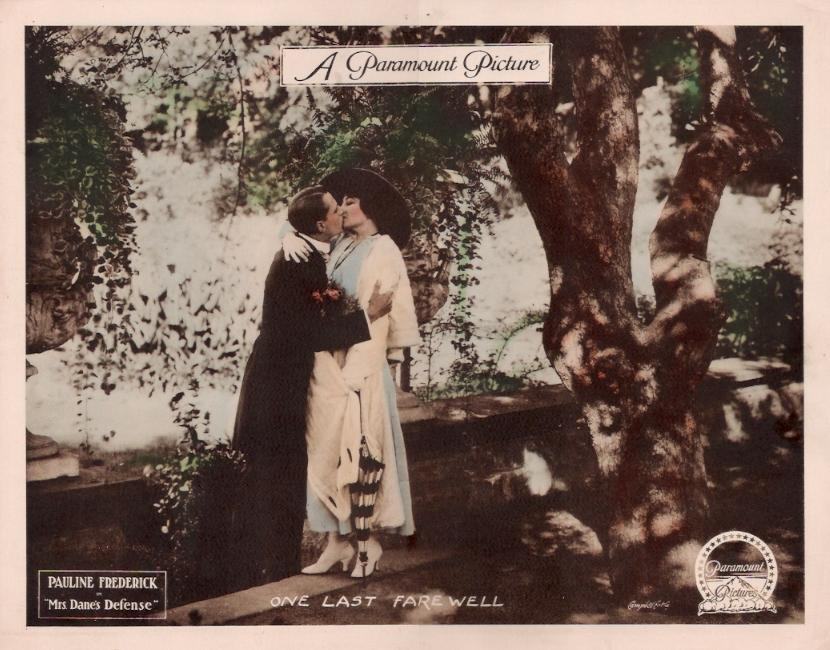
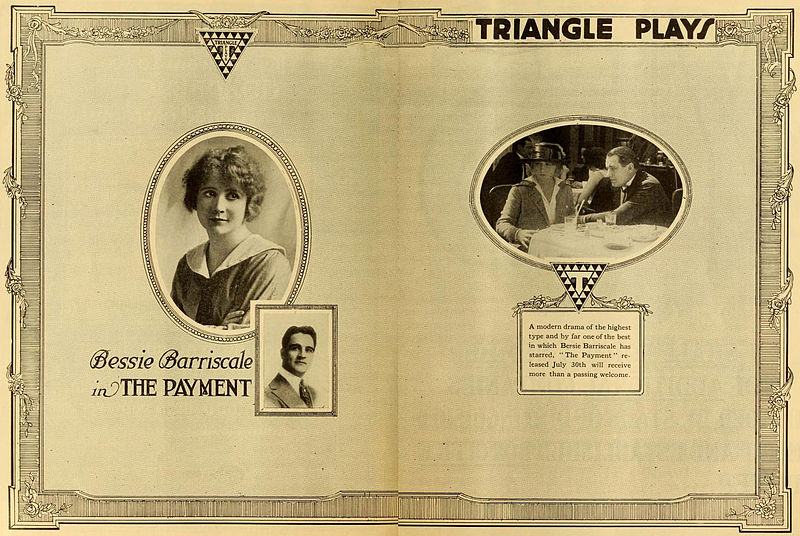
The very idea of a 'secret' or 'forbidden' narrative had an early appeal. Mrs. Dane's Defense, with its protagonist paying for hidden indiscretions, or The Payment, where a wealthy patron's interest in an artist is far from purely philanthropic, explored societal taboos and the consequences of stepping outside rigid norms. These films, even in their melodrama, touched upon a sense of otherness, a world just beneath the surface of polite society, where true passions and darker motives resided. This exploration of the veiled and the vulnerable laid crucial groundwork for future cinematic subversions.
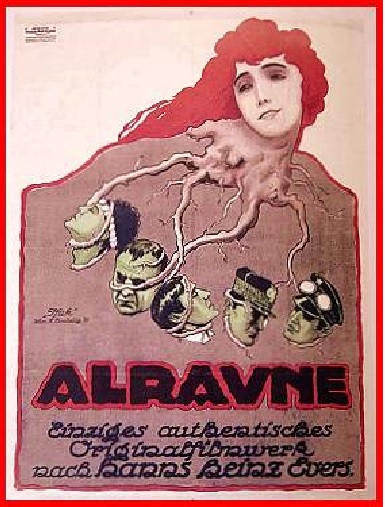
Narrative Anarchy and Stylistic Eccentricity
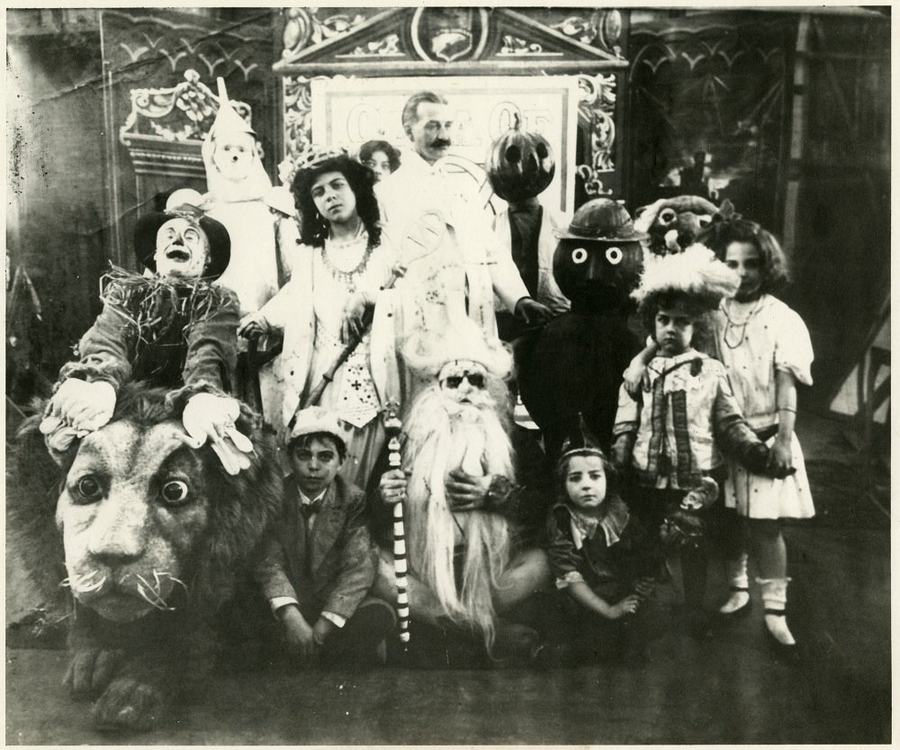
Cult cinema often revels in narrative structures that defy straightforward interpretation or embrace a unique, often unsettling, aesthetic. While many early films were constrained by technical limitations, some still managed to break free from conventional molds. Think of the lost experimental nature of The Fairylogue and Radio-Plays, an ambitious adaptation that combined live action, animation, and stage performance, highlighting a willingness to experiment with form. Such daring approaches, even if not fully realized or widely seen, paved the way for future artists to challenge established cinematic language.
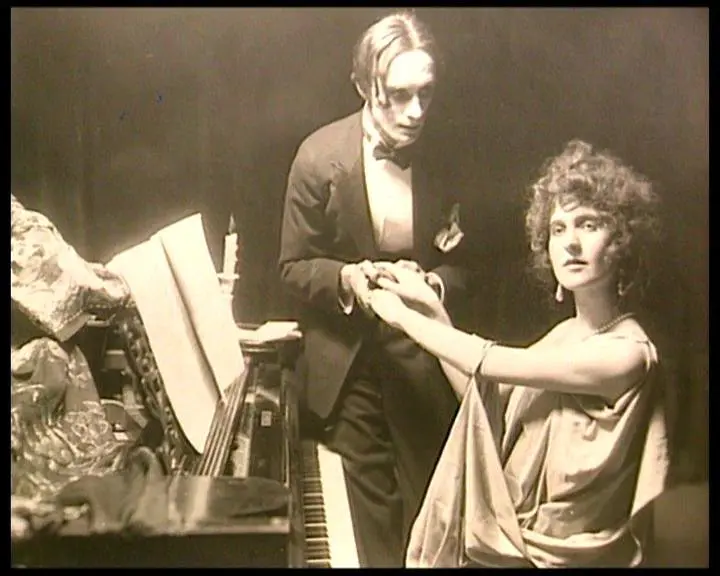
Even in seemingly mundane genres, a peculiar spirit could emerge. The inherent spectacle and often-unsettling characters of the circus in a film like The Biggest Show on Earth, or the raw, emotional intensity suggested by titles like Isterzannye dushi ('Torn Souls'), speak to a fascination with the extreme and the emotionally charged. These are the narratives that linger, not necessarily because of their widespread appeal, but because they offer something distinct, something that scratches an itch the mainstream often ignores. The melodramatic intensity of The Waxen Doll, for instance, might have been dismissed by critics but could have captivated niche audiences with its heightened emotional stakes and unique visual storytelling for its time.

The Embrace of the Outcast: Finding Your Tribe
Perhaps the most defining characteristic of cult cinema is its ability to foster a profound sense of community among its adherents. These aren't just fans; they are a congregation, a tribe united by a shared appreciation for the peculiar, the profound, and the profoundly weird. Films that initially struggled to find an audience often discover their true home among those who feel similarly out of step with mainstream tastes. This phenomenon is hinted at even in early social dramas and comedies.

Consider Number 13, a story about low-income residents, or After the Show, focusing on struggling artists. These narratives, by centering on characters and communities on the fringes, inadvertently mirrored the experience of future cult film audiences. They offered a glimpse into lives less ordinary, struggles less glamorous, and dreams often deferred. This foundational resonance—the feeling of being seen, understood, or simply entertained by something that others overlook—is the bedrock of cult fandom.
Challenging Norms and Redefining Morality
Many cult films gain their status by directly confronting or subverting societal norms. They present characters who defy expectations, narratives that question authority, or moralities that are far from black and white. She Couldn't Help It, with its orphaned protagonist falling in with a den of crooks, explores moral ambiguity and the complex choices individuals make when faced with limited options. Similarly, The Puppet Crown, where a princess lives as a commoner to understand true freedom, challenges the rigid structures of class and expectation.
The very titles of some early films suggest a playful or provocative defiance. Satan Junior, while likely a light comedy, carries an intriguing, slightly rebellious undertone. Films like Her Temptation or Just a Wife, which deal with the complexities of wealth, desire, and marital arrangements, hint at the social commentary that cult films often champion. They dissect the hidden hypocrisies and unspoken rules that govern society, offering a mirror to those who feel alienated by its dictates. This willingness to explore the uncomfortable, the controversial, or the simply different is a hallmark of the cult sensibility.
The Alchemy of Endurance: Why Some Films Never Die
What is it about certain films that allows them to transcend their initial reception and achieve enduring cult status? It's often an alchemical blend of factors: a singular vision, accidental genius, or simply being ahead of its time. These films possess a magnetic quality that compels audiences to revisit them, to dissect them, and to share them. They become touchstones, points of reference, and even rites of passage within specific subcultures.
The concept of a journey, a quest for identity or purpose, is often central. Mile-a-Minute Kendall, about a young man struggling for his wealthy father's acceptance, or Dick Whittington and his Cat, a classic rags-to-riches tale, speak to universal themes of aspiration and overcoming adversity. When these narratives are presented with a distinctive flair, they can resonate on a deeper, more personal level, fostering a connection that ordinary blockbusters rarely achieve. Even short, comedic pieces like Wanted, a Girl! or The Chinese Honeymoon, if they possessed a unique charm or quirky humor, could have sparked a lasting fondness among those who appreciated their particular brand of entertainment.
The Power of the Unseen and the Overlooked
Many cult films were initially ignored, misunderstood, or even reviled by mainstream critics and audiences. Their genius lay dormant, waiting to be discovered by a more receptive viewership. Films dealing with complex emotional landscapes, such as Blind Youth or Tangled Fates, which explore abandonment, sacrifice, and the consequences of moral choices, often find their true appreciation among those who seek depth beyond surface-level entertainment. The raw human drama in Lady Rose's Daughter or Dollars and Sense, depicting destitution and desperate measures, could resonate with audiences looking for emotional authenticity and powerful storytelling.
Sometimes, a film's cult status stems from its sheer oddity or its accidental prescience. Consider Beresford and the Baboons, a fantastical tale of a boy raised by primates, or the dramatic spy thriller Dangerous Days. These films, by virtue of their unusual premises or their reflection of contemporary anxieties (like wartime espionage), offered something distinct. They became conversation starters, objects of fascination, and ultimately, beloved curiosities that continue to captivate those drawn to the unconventional. The narrative of The Moonstone, a classic mystery involving a stolen diamond and pursuing priests, exemplifies the enduring appeal of suspense and intrigue, elements that can fuel cult fascination.
The Ritual of Revelation: Midnight Screenings and Shared Secrets
The midnight movie phenomenon is intrinsically linked to the rise of cult cinema. These late-night screenings transformed passive viewing into an active, communal ritual. Audiences would gather, often dressed as characters, reciting lines, and interacting with the screen. This shared experience solidified the bonds of the cult, turning films into living, breathing entities. While many of the earliest films were not part of this specific tradition, their themes and unconventional approaches laid psychological groundwork.
Even seemingly simple shorts like The Skipper's Narrow Escape (dealing with Prohibition) or Blue Sunday (a 'bootleg wedding' to avoid a bachelor tax) reveal a playful subversion of rules and authority. This spirit of playful defiance, of finding joy in the illicit or the overlooked, is a core component of cult appeal. It speaks to an audience that delights in breaking away from the expected, in celebrating the underdog, and in finding profound meaning in the most unlikely of places. The very act of watching a film like Lahoma, an outlaw tale of rescue and violence, might have sparked intense discussions or debates among its viewers, deepening their engagement with its themes.
The Unseen Threads: Connecting Disparate Visions
What unites a disparate collection of films, from early melodramas to animated shorts, under the banner of cult cinema? It's the invisible threads of shared experience, thematic resonance, and a certain undefinable 'weirdness' that binds them. Films like My Own United States, exploring patriotism and personal conviction, or Revelation, about an artist and his muse, might seem far removed from modern cult fare. Yet, they touch upon profound human struggles, artistic passion, and societal pressures, themes that are endlessly reinterpreted and celebrated within the cult sphere.
The spirit of adventure and discovery, whether literal as in The Venturers, or metaphorical as in the moral journeys of characters in Who Knows?, is a constant. The quest for something more, something different, mirrors the audience's own search for cinematic experiences that challenge and reward. Even historical or documentary shorts like Britain's Bulwarks, No. 1: Women Munitioners of England or Thrills, could, in their unique snapshot of a time or event, offer a peculiar fascination that endures.
The often-unseen struggles of characters, whether it's a desperate situation in The Closing Net, a romantic entanglement in Ett farligt frieri, or a mysterious identity in The Secret of the Marquise, all contribute to the rich tapestry of human experience that cult films tap into. They showcase the extraordinary within the ordinary, the rebellion within conformity, and the enduring power of stories that refuse to be forgotten.
Conclusion: The Enduring Allure of the Maverick Vision
Cult cinema is a testament to the idea that true artistic merit isn't always immediately recognized, nor is its impact measured solely by box office receipts or critical consensus. It's a living, breathing testament to the power of film to forge deep, personal connections, to challenge perceptions, and to create communities out of shared appreciation for the unorthodox. The films, whether they are grand epics like Joseph or Lulu, or more intimate dramas like Periwinkle, contribute to this sprawling, interconnected narrative.
From the earliest cinematic experiments to the most modern midnight marvels, the thread that connects cult films is their maverick spirit. They are the cinematic outliers, the misunderstood masterpieces, the films that, for whatever reason, speak directly to the soul of a devoted few. They invite us to look closer, to think deeper, and to find beauty in the unconventional. In a world saturated with fleeting trends, the enduring appeal of cult cinema reminds us that some legends are woven slowly, patiently, thread by defiant thread, into the very fabric of cinematic history.
Community
Comments
Log in to comment.
Loading comments…