
Cult Cinema
The Unseen Genesis: Cult Cinema's Rebel Roots and Enduring Allure
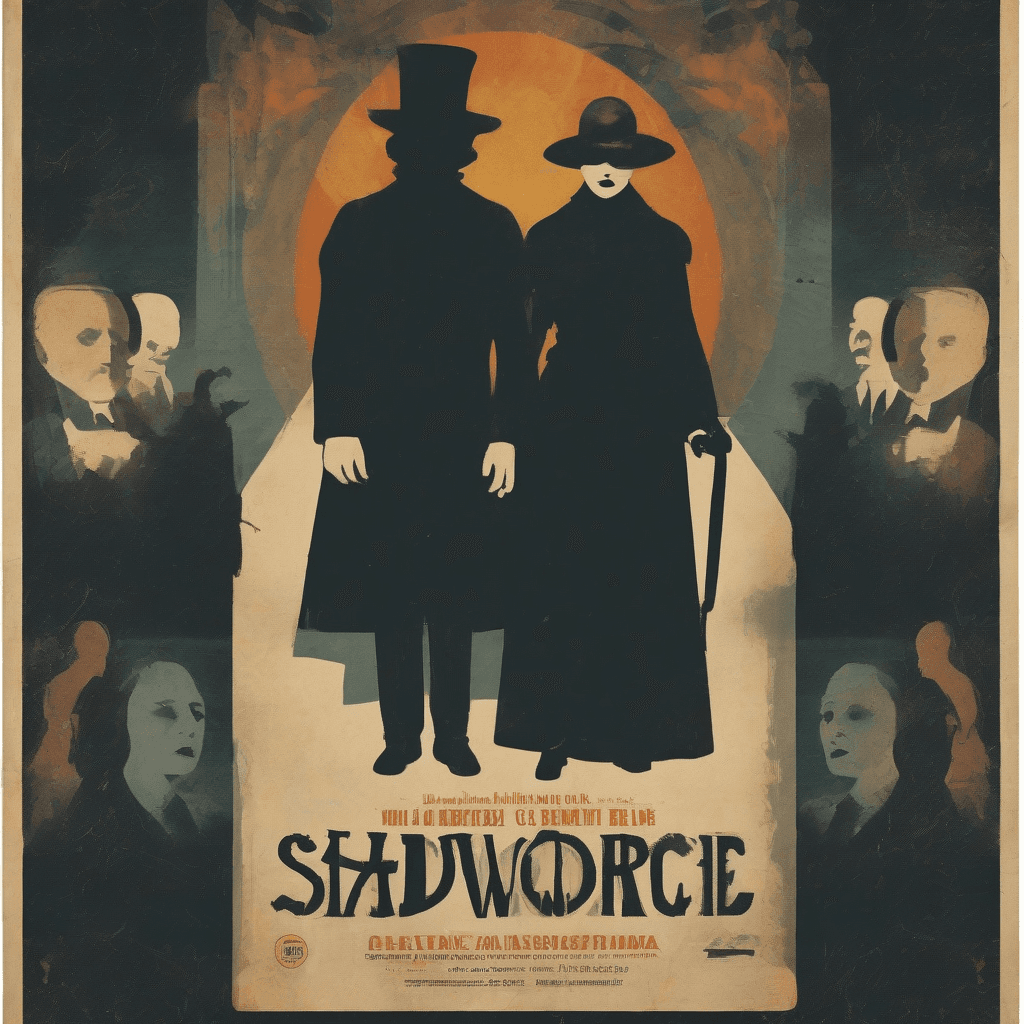
“Delve into the enigmatic world of cult cinema, tracing its rebellious spirit from the early days of film to its enduring magnetic pull on dedicated audiences. This editorial explores how unconventional narratives and maverick visions forge cinematic immortality.”
In the vast, ever-evolving landscape of motion pictures, certain films transcend mere entertainment to become something more profound: cultural touchstones, secret handshakes, and objects of fervent devotion. These are the cult films, cinematic anomalies that defy mainstream expectations, often finding their true audience years, even decades, after their initial release. What is it about these unconventional masterpieces that compels such unwavering loyalty, transforming casual viewers into passionate disciples? The answer lies in a complex alchemy of rebellion, artistic audacity, and a unique connection forged between the film and its discerning admirers, roots of which can be traced back to the very dawn of cinema.
Cult cinema is not a genre; it's a phenomenon, a state of being achieved through a confluence of factors: critical initial reception (often negative or indifferent), transgressive themes, unique visual styles, and a narrative that resonates deeply with a specific, often marginalized, audience. These are films that speak in a secret language, whispered from screen to soul, creating communities bound by shared understanding and appreciation for the bizarre, the beautiful, and the utterly unconventional.

The Maverick's Midnight: Early Sparks of Cinematic Rebellion
To understand the enduring allure of cult cinema, we must journey back to its nascent period, an era where the very language of film was being invented. Even in the early 20th century, amidst nascent Hollywood and European studios, there were films that, for various reasons, deviated from the expected. While the term 'cult film' itself is a later invention, the seeds of cinematic rebellion were sown in these early, often overlooked, productions.
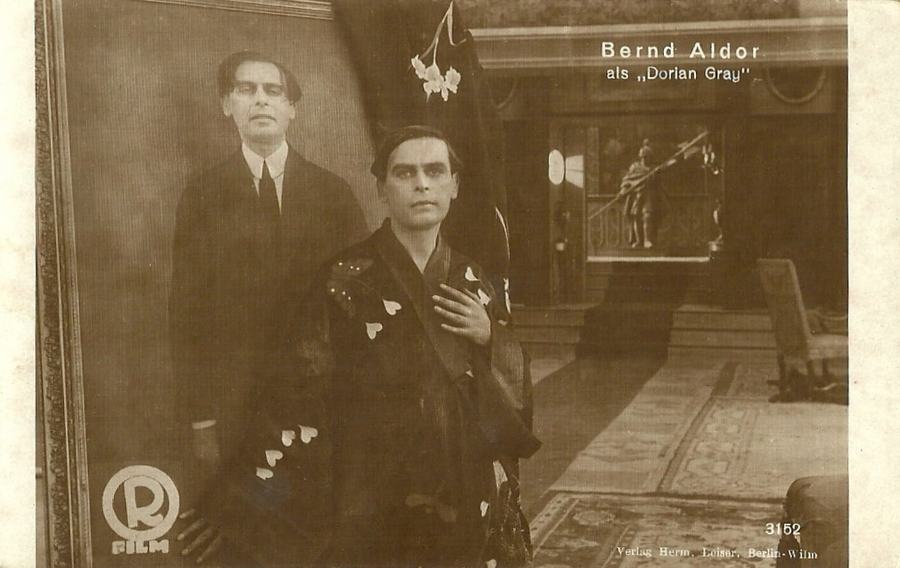
Consider the silent era, a time of grand melodrama, slapstick comedy, and pioneering visual storytelling. Films like 'Das Bildnis des Dorian Gray' (1917), an early German adaptation of Oscar Wilde's gothic novel, or 'Die Rache einer Frau' (1921), a tale of a woman's extreme revenge, dared to explore darker psychological themes and moral ambiguities that challenged the prevailing sensibilities. These narratives, often pushing societal boundaries, laid the groundwork for future transgressive cinema. They weren't just stories; they were explorations of human nature's shadowy corners, offering audiences a glimpse into forbidden desires and complex motivations, far removed from simplistic morality plays.

The very structure of early cinema also allowed for experimentation. Shorts like 'Sound Your 'A'' (1918), a Mutt and Jeff cartoon, or Snub Pollard's comedic 'You're Pinched' (1919), while seemingly innocuous, showcased a willingness to play with form and audience interaction (as in 'Sound Your 'A''s intended live orchestra accompaniment) that hinted at a future of meta-narratives and unconventional presentations. These films, through their very novelty and sometimes crude charm, could foster a unique, almost proprietary, appreciation amongst those who sought them out.
Narrative Anarchy and Unconventional Storytelling
Many cult films thrive on narrative structures that defy convention, refusing to adhere to predictable arcs or easy resolutions. This tendency toward narrative anarchy was present even in early cinema. Films like 'The Man Who Had Everything' (1920), a drama about a heartless man cursed by a beggar, or 'A Dream or Two Ago' (1918), a complex tale of a neglected child's journey, explored themes of fate, consequence, and social critique with a depth that often went unappreciated by mass audiences. Their willingness to confront difficult truths or present morally ambiguous characters set them apart.

The melodrama of films like 'A Hungry Heart' (1917) or the intense romance of 'Blood and Sand' (1922), starring Rudolph Valentino, while popular in their day, often featured exaggerated emotions and dramatic flourishes that, in retrospect, could be seen as precursors to the heightened realities embraced by later cult classics. Valentino's charismatic, almost otherworldly screen presence in 'Blood and Sand' created a fervent, almost religious, following among his fans, a phenomenon that mirrors the intense devotion seen in modern cult fandoms.
Even early genre experiments, such as the Western serial 'Liberty' (1916) or the crime drama 'A mala nova' (1917), offered narratives that could be seen as challenging the status quo. These films, with their episodic nature and focus on outlaws or societal fringes, often presented a world less polished and more morally complex than mainstream fare. They captured a raw energy, a glimpse into characters living on the edge, which has always been a draw for audiences seeking something beyond the ordinary.

The Allure of the Outcast: Characters That Resonate
A defining characteristic of many cult films is their focus on characters who are themselves outsiders, rebels, or misfits. These cinematic outcasts often reflect the feelings of alienation or non-conformity in their audience. From the grimly malevolent outlaw in 'Riders of Vengeance' (1919) to the troubled Count Greven in 'Fear' (1919), early cinema offered a gallery of complex individuals whose struggles and moral quandaries transcended simple good-versus-evil narratives.
Stories of redemption and transformation, like the easy-going tramp in 'Jubilo' (1919) who gets involved in a farmer's life, or the reformed criminal in 'The Silver Car' (1921) seeking to hide his past, explored the nuances of identity and societal perception. These characters, often flawed and vulnerable, invite a deeper empathy and identification from viewers who might feel similarly misunderstood or judged.
The exploration of societal issues and the lives of those on the margins was also evident. 'The Ragamuffin' (1916), depicting the stark contrast between children born in wealth and poverty, or 'The Toll of Mammon' (1917), about a wife rebelling against poverty, delved into social stratification and the pressures it exerted on individuals. These films, by shining a light on uncomfortable truths, invited audiences to confront and question the world around them, a core tenet of cult cinema's appeal.
The Aesthetic of the Anomalous: Visuals That Stick
Beyond narrative and character, the visual style of a film plays a crucial role in its cult status. Early cinema, particularly the German Expressionist movement exemplified by films like 'Das Bildnis des Dorian Gray' (though not strictly Expressionist, it shares thematic and atmospheric qualities), experimented with shadow, light, and distorted sets to create distinctive and often unsettling aesthetics. This willingness to manipulate reality for artistic effect created memorable images that lingered in the mind long after the credits rolled.

Even seemingly straightforward dramas or comedies possessed unique visual signatures. The cinematic portrayal of a bullfighter's world in 'Blood and Sand', or the stark desert landscapes in 'Marked Men' (1919), an early version of the 'Three Godfathers' narrative, contributed to a distinct atmosphere. These visual choices, whether intentional artistic statements or pragmatic limitations of the era, inadvertently fostered a sense of uniqueness that would later become a hallmark of films embraced by cult followings.
The sheer novelty of seeing certain stories brought to life on screen, from the fantastical elements in 'The Fly God' (1921) to the political satire of 'Paz e Amor' (1919), also contributed to their distinctiveness. These films pushed the boundaries of what audiences expected from the cinematic medium, offering experiences that were, for their time, truly anomalous.
The Birth of Fandom: From Obscurity to Reverence
What truly solidifies a film's cult status is the audience. Initially, many cult films are either ignored, misunderstood, or even reviled by critics and the general public. Their unconventional nature often clashes with prevailing tastes, leading to poor box office performance. However, a small, dedicated group of viewers discovers these films, recognizing their unique genius, hidden messages, or sheer audacity. This initial group becomes the vanguard of the cult.
Think of films that, despite their artistic merit, might have struggled for mainstream acceptance. A complex drama like 'Hamlet, Prince of Denmark' (1921), an early adaptation of Shakespeare, or the intricate legal suspense of 'Bleak House' (1922), might have appealed to a more intellectual or niche audience, rather than the masses seeking simple entertainment. Their depth and challenging themes would naturally foster a more engaged, analytical viewership.
The journey from obscurity to reverence is often slow and organic. Word-of-mouth, repeated viewings, and the formation of fan communities, often around midnight screenings or specialized film societies, allow these films to find their footing. This process creates a shared experience, a collective decoding of the film's meaning, and a sense of belonging among fans. The film becomes more than just a movie; it becomes a shared ritual.
Films that explore themes of identity and societal roles, such as 'What's Wrong with the Women?' (1922) or 'Blind Wives' (1920), which touches upon marital discord and consumerism, might have sparked conversations and debates that extended far beyond the cinema hall. These discussions, questioning societal norms and gender roles, are precisely the kind of intellectual engagement that fuels cult followings.

The Enduring Legacy: Why Cult Films Persist
Cult films possess an enduring legacy because they tap into something fundamental about human experience: the desire for authenticity, the thrill of subversion, and the comfort of belonging. They offer alternative perspectives, challenge authority, and celebrate the weird and wonderful. They are often ahead of their time, their messages becoming more relevant as society evolves.
The sheer variety of early films that could potentially spark such devotion is striking. From the straightforward drama of 'The Triumph of Love' (1918) to the adventurous 'An Adventuress' (1922), or even a film like 'Victory' (1919) based on a Joseph Conrad novel, each offered a distinct narrative voice and thematic depth that could resonate with specific audiences. These films, whether intentionally or not, provided a counter-narrative to the prevailing cinematic trends.

Moreover, cult films often gain new life through re-evaluation. What was once dismissed as strange or amateurish is later hailed as visionary or groundbreaking. This retrospective appreciation allows films like 'Moderne Töchter' (1919) or 'Godsforvalteren' (1915), whose original contexts are now historical, to be viewed through a contemporary lens, revealing layers of meaning and artistry previously unseen.
The communal aspect of cult cinema is also vital to its persistence. Fans don't just watch these films; they interact with them, quote them, dress up as characters, and participate in rituals surrounding their viewing. This active engagement transforms passive consumption into a vibrant, shared culture. The devotion to a film like 'Susie Snowflake' (1916), a story of a music hall entertainer changing a stodgy town, might have started with simple admiration for its star or story, but could evolve into a deeper connection among fans who appreciate its unique charm and message.
The Cinematic Underground: A Continuous Thread
From the early silent era's audacious dramas and experimental shorts to the midnight movies of the 70s and beyond, the cinematic underground has always been a fertile ground for cult films. They challenge, provoke, entertain, and ultimately, unite audiences in a shared appreciation for cinema that dares to be different. The films on our list, like 'The Sheriff' (1918), 'The Railroader' (1919), or 'For Husbands Only' (1917), represent the diverse tapestry from which this phenomenon emerged. Each, in its own way, contributed to the evolving language of film and the growing appetite for stories that pushed boundaries.
Whether it’s the dark romance of 'Mad Love' (1920), the crime-ridden narrative of 'On the Trail of the Spider Gang' (1915), or the historical drama of 'The Heart of a Hero' (1917), these films, and many others of their era, laid the groundwork for the rich and varied landscape of cult cinema we celebrate today. They remind us that true cinematic impact isn't always measured by initial box office success or critical acclaim, but by the unseen power to connect, to challenge, and to endure in the hearts and minds of those who truly understand them.
Cult cinema is a testament to the idea that art, in its most potent form, is often found on the fringes, whispered in the dark, and cherished by those who seek something more than the obvious. It's a continuous conversation between creators and their most devoted interpreters, a rebel alliance of film and fandom that continues to redefine what it means for a movie to truly matter.
Community
Comments
Log in to comment.
Loading comments…