
Cult Cinema
The Transgressive Tapestry: Unraveling the Proto-Cult Threads of Cinema’s Most Daring Early Outliers
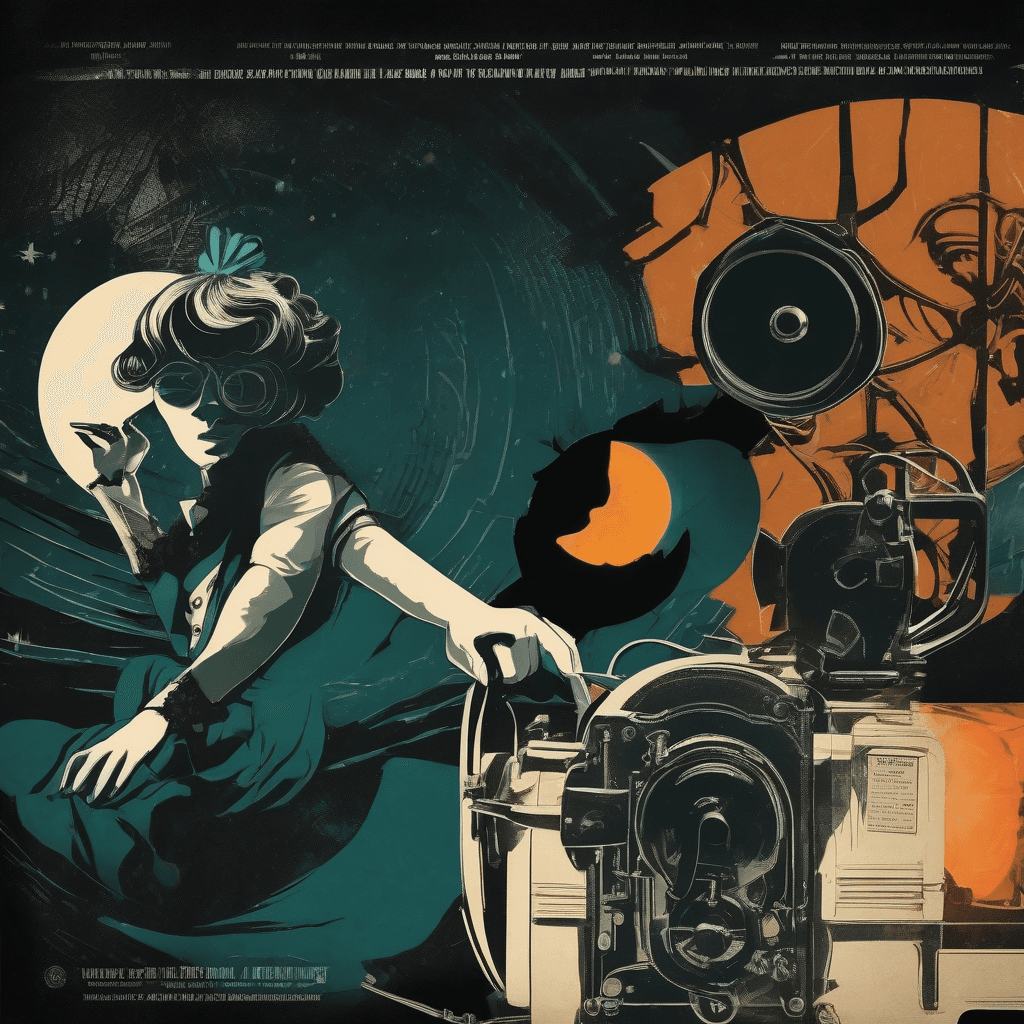
“A deep-dive exploration into how the silent era’s most experimental, controversial, and overlooked films laid the genetic foundation for modern cult cinema devotion.”
The concept of the 'cult movie' is often associated with the midnight screenings of the 1970s or the neon-soaked VHS era of the 1980s. However, the true DNA of cult cinema—that peculiar mixture of transgressive themes, narrative anarchy, and obsessive fandom—was actually forged in the flickering shadows of the silent era. Long before The Rocky Horror Picture Show or Pink Flamingos, there were the outliers: films that dared to subvert Ibsen, films that turned hunters into the hunted, and films that explored the dark alchemy of the human soul. To understand the modern cult obsession, we must look back at the proto-cult masterpieces of the early 20th century.
The Subversion of the Classic: Rewriting the Social Script
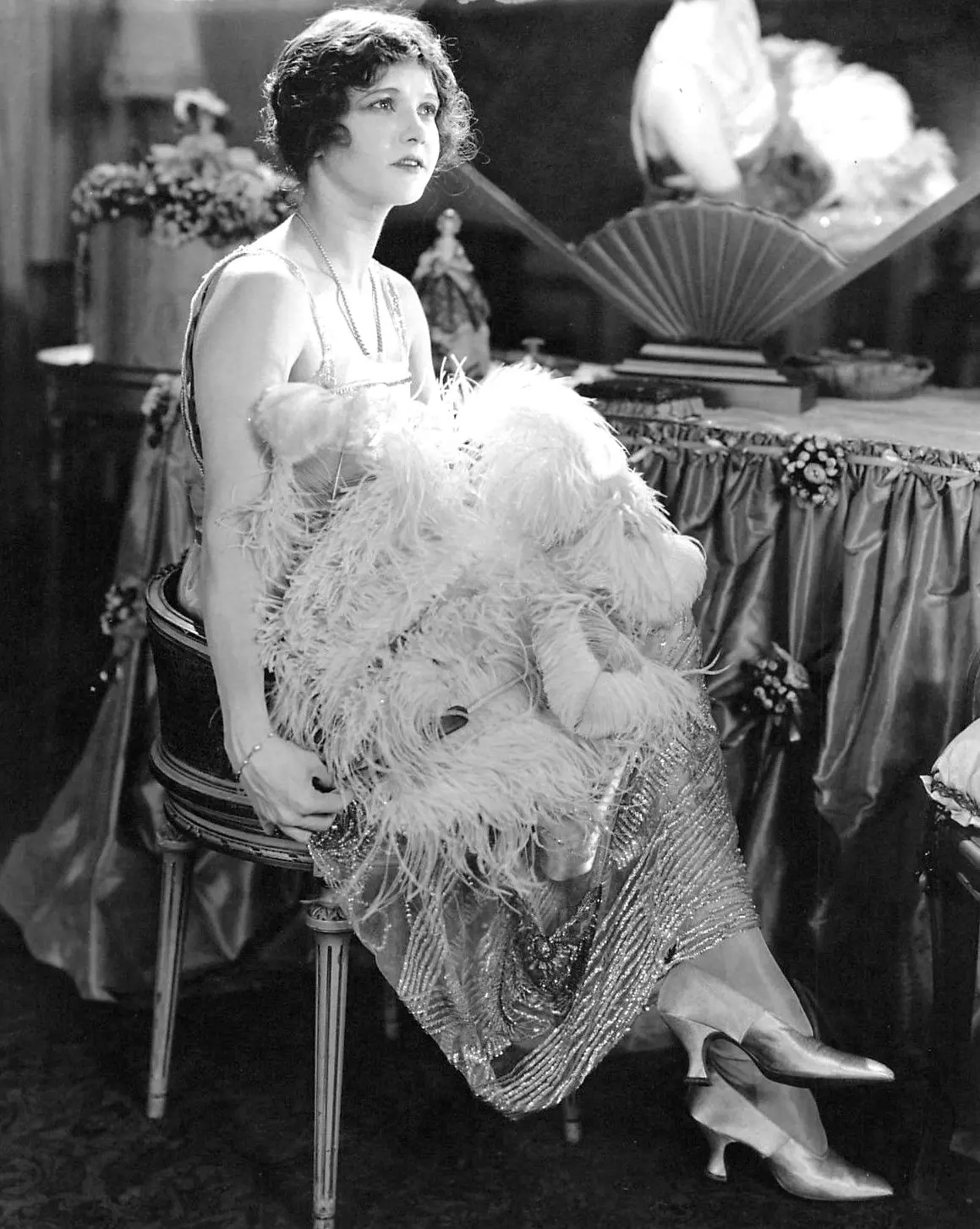
One of the hallmarks of a cult classic is its willingness to take a known narrative and twist it into something unrecognizable or challenging. Consider the 1918 adaptation of A Doll's House. While Henrik Ibsen’s play is a foundational feminist text, this early cinematic version differed considerably, focusing intensely on the visceral grief and the legal peril of a woman who forges her father's name. By shifting the focus from social critique to a high-stakes drama of survival, the film created a template for the 'woman in peril' subgenre that would later dominate cult thrillers. Similarly, The Prince and the Pauper utilized the identity-swap trope not just for comedy, but to explore the jarring reality of socioeconomic displacement—a theme that resonates deeply with the 'outsider' status often celebrated by cult audiences.
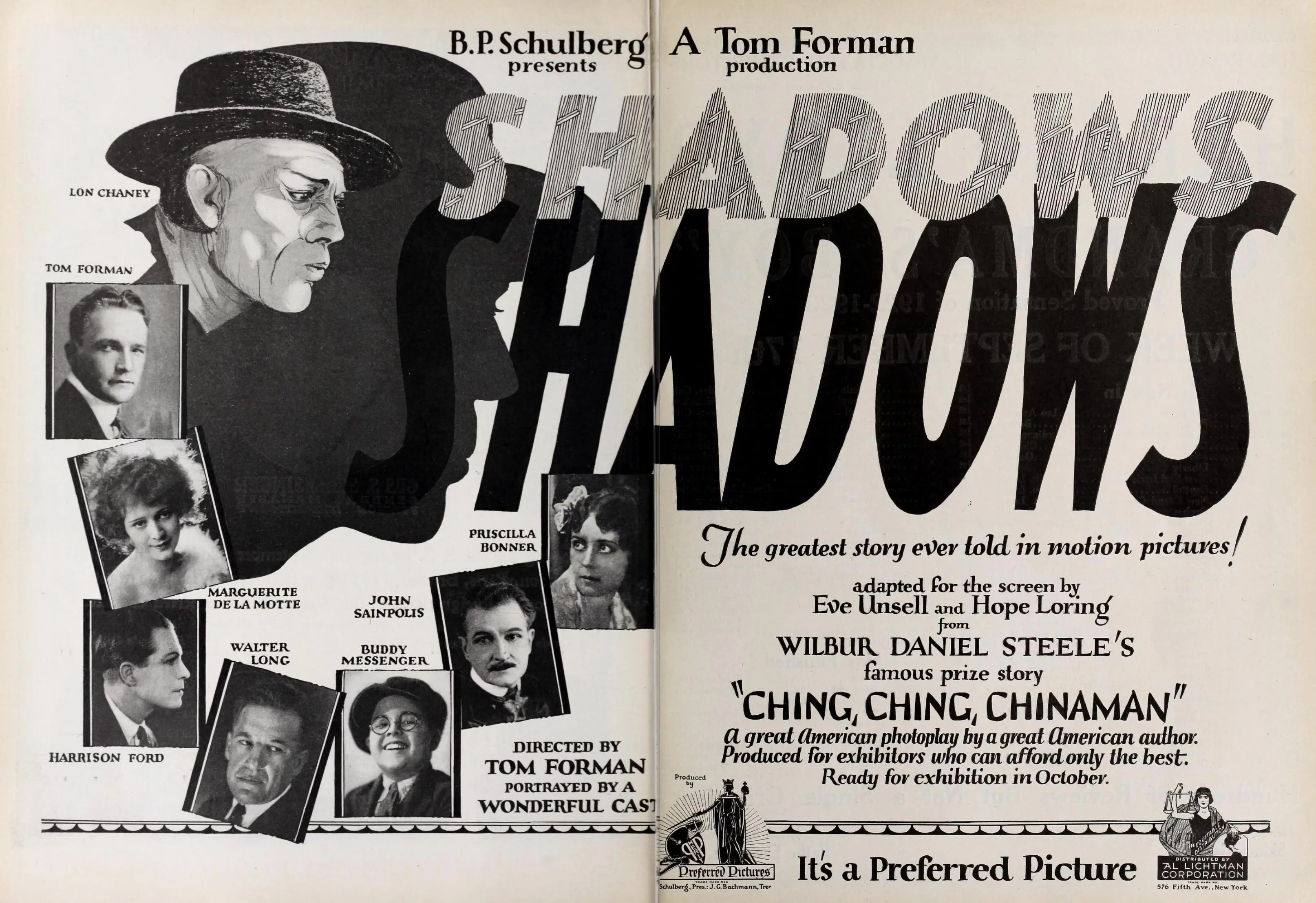
These films functioned as early experiments in narrative subversion. They took the comfortable and made it uncomfortable. In Those Who Pay, we see a heartbreaking narrative of theft driven by desperation—a sister stealing a doll for her dying sibling. It is this raw, emotional extremity that attracts a cult following; the audience gravitates toward stories that refuse to provide easy moral answers. When we look at Love's Outcast, we see a 'cross-eyed Romeo' being sued for divorce, a comedic short that utilized physical deformity and social humiliation for laughs, prefiguring the 'cringe comedy' that would later define much of the alternative cinema landscape.
The Birth of the Genre Mutant: Sci-Fi and Horror Origins
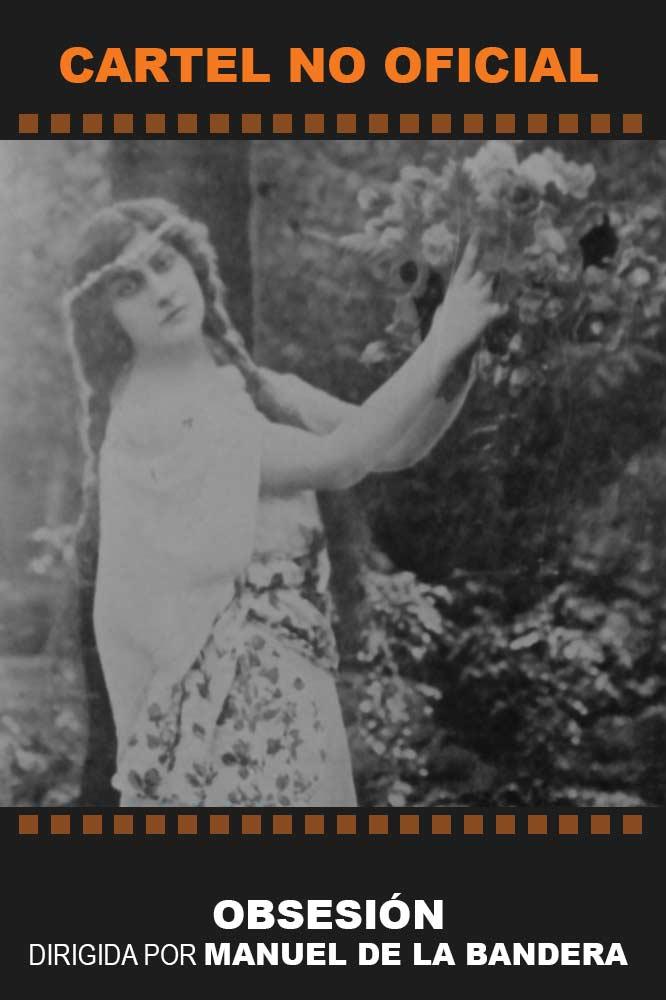
Cult cinema thrives on the 'genre mutant'—films that don't quite fit into one box. 1919’s The First Men in the Moon is a prime example. Featuring an inventor of a space sphere marooned by a crooked financier, it blended early science fiction with a cynical critique of capitalism. This 'marooned' aesthetic—the feeling of being trapped in a hostile, alien environment—is a foundational pillar of the cult sci-fi tradition. It mirrors the feeling of the cult viewer themselves: someone isolated in a world that doesn't understand their interests.
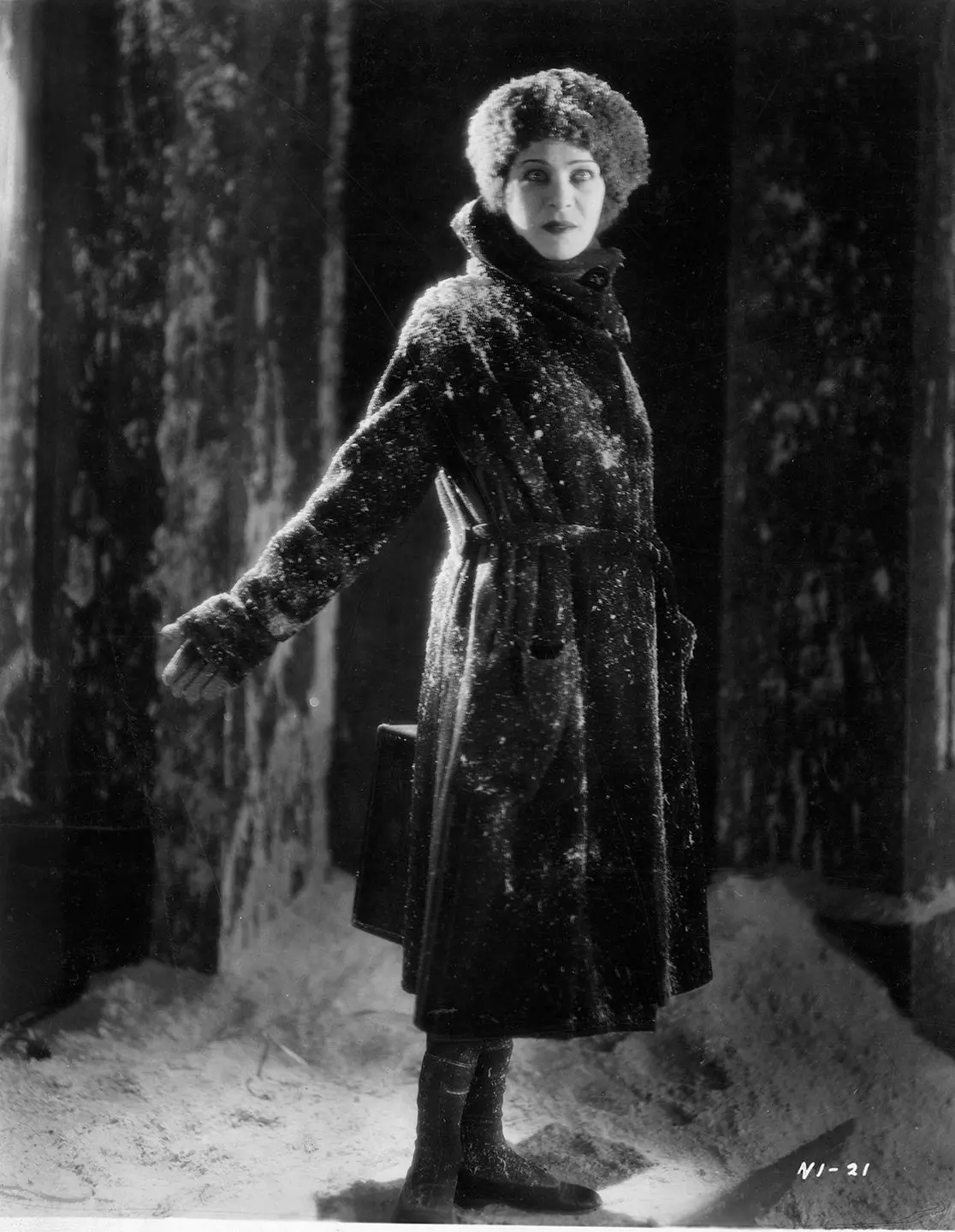
Then there is The Beast, a film that flipped the script on the hunting genre. A young man goes on a hunting trip only to find himself the prey of a 'savage hunger Beast.' This reversal—the hunter becoming the hunted—is a primal narrative hook that has been recycled in countless grindhouse and survivalist cult films. It taps into a deep-seated existential dread that the mainstream often shies away from. Similarly, The Young Diana introduced the trope of the 'elixir of youth,' a scientist’s obsession that leads to moral decay. This obsession with immortality and the grotesque side of science would eventually blossom into the 'mad scientist' subgenre, a staple of midnight movie marathons.
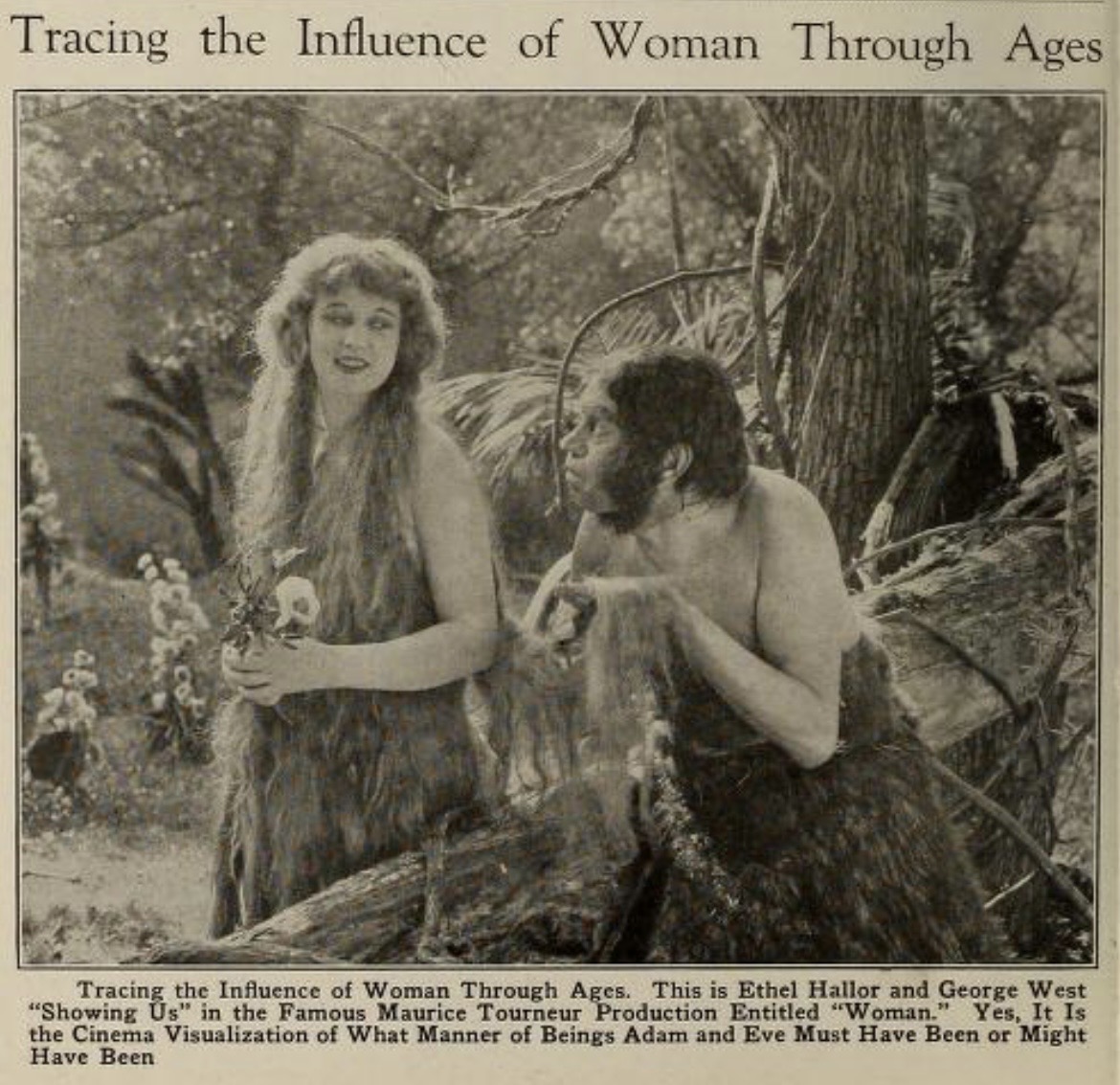
The Noir Precursors: Moral Ambiguity and the Underworld
Before the term 'Film Noir' was even coined, early cinema was already playing with the shadows of the human psyche. Carmen of the North presents a detective, Joz, who is young, insecure, and on the verge of marriage when he is assigned the case of a murdered prostitute. The psychological toll of the investigation and the threat to his domestic stability are pure noir. This interest in the fractured detective and the dark underbelly of the city is a key component of the cult aesthetic. It is further explored in Carmen of the Klondike, where vaudeville artists and gold rush tricksters inhabit a world of 'Silk' McDonald and deceptive dance hall owners.
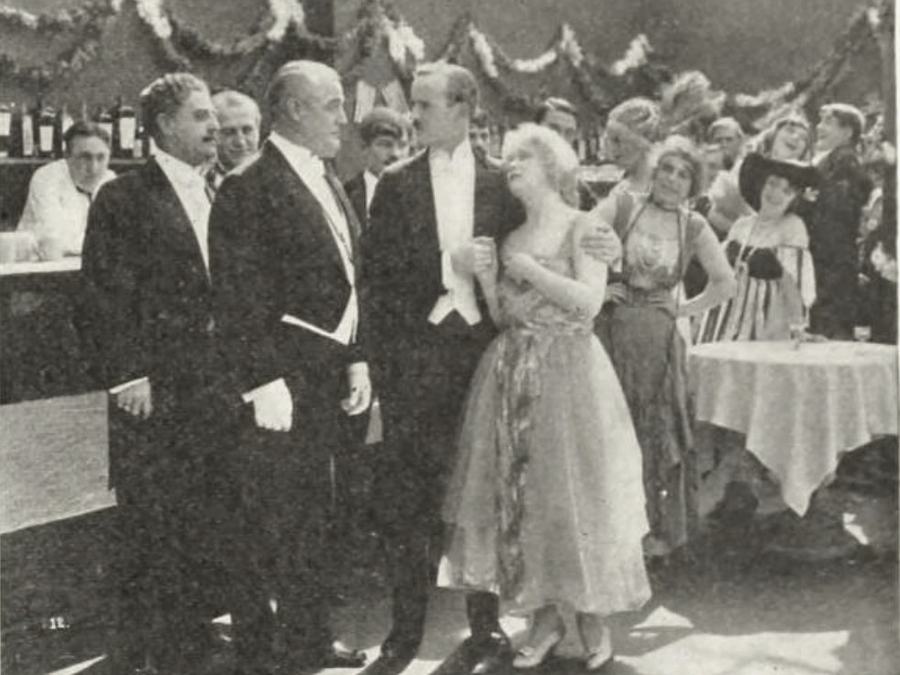
The underworld figure seeking redemption is another recurring cult archetype. In White and Unmarried, we see a criminal inheriting a fortune and trying to go straight, only to be pulled back into the fray by dishonest types in Paris. This cycle of recidivism and the struggle for respectability is mirrored in The Jail Bird, a comedy that follows a criminal who 'forged his nurse's name to a bottle of milk' at one year old. By turning criminality into a lifelong, almost absurd destiny, these films created a space for the anti-hero—a figure that cult audiences have championed for decades.
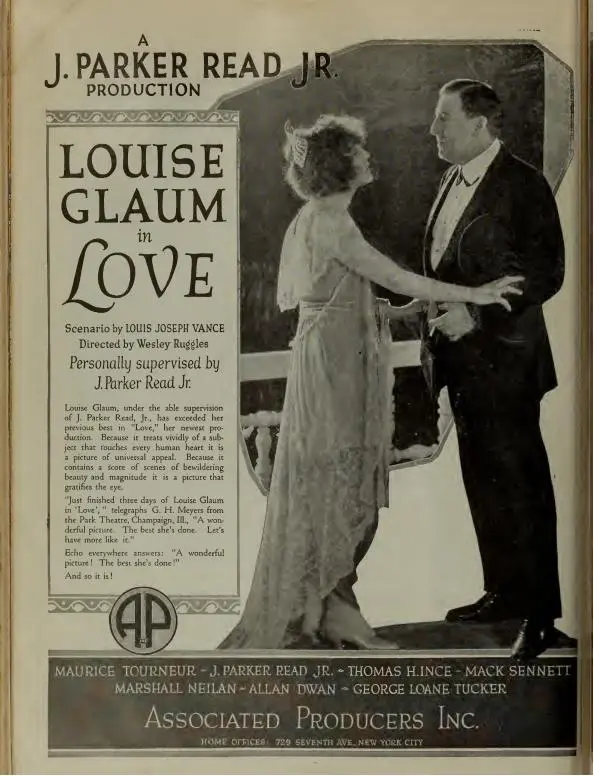
The Surreal and the Absurd: Early Animation and Shorts
Cult cinema is often defined by its 'weirdness,' and the early 20th century had weirdness in spades. The Tooth Carpenter, an animated short about prehistoric dentistry, or The Pousse Cafe, where a literal kitten is placed in a drink, resulting in a riot, showcase a level of surrealism that feels remarkably modern. These shorts weren't just filler; they were experiments in visual anarchy. They challenged the audience's perception of reality and logic, much like the works of David Lynch or Jodorowsky would do decades later.
Even the newsreels of the time had a cult-like quality. Felix Hits the North Pole, documenting the popularity of the cartoon cat, shows the birth of the first truly global 'fandom.' People weren't just watching a character; they were obsessed with it. This fervor is the same energy that drives modern cult conventions. In The Bomb Idea, we see a man gripped by the paranoia of 'Bolsheviks on the loose,' mistaking a pipe for a bomb. This exploration of social paranoia and the 'odd acting stranger' is a precursor to the political thrillers and 'red scare' cult films of the Cold War era.
The Global Perspective: Transgressions Across Borders
The cult phenomenon is not limited to Hollywood. Early international films like the French epic Les Misérables (1913) or the Polish liberation drama Doch isterzannoy Pol'shi brought a sense of grand scale and political urgency to the screen. Les Misérables, released in four parts like a serial, demanded a level of long-term commitment from its audience—a precursor to the 'binge-watching' and deep-lore obsession of modern cult fandoms. Meanwhile, Pageantry in India offered a documentary glimpse into 'cultural and religious aspects' that were, to Western audiences of the time, exotic and mysterious, often being viewed with the same 'othering' fascination that leads certain international films to become 'cult' hits abroad.
Mysticism and the occult also found their way into the early frame. Voodoo Vengeance and Miraklet: Tavlor ur det katolska samfundslivet (The Miracle) explored religious fervor, seaside resorts, and disguised abbots. These films dealt with the sacred and the profane, often blurring the lines between them. Cult cinema has always been a sanctuary for the spiritual outcast, and these early explorations of 'voodoo' and 'miracles' provided the foundation for the folk-horror and religious-themed cult classics of the future.
The Legacy of the Forgotten: Why These Outliers Matter
Why do we still talk about films like The Silent Witness or Riders of the Night? Because they represent the raw, unpolished beginnings of cinematic rebellion. The Silent Witness, with its themes of children born out of wedlock and presumed deaths in fires, touched on social taboos that the mainstream would eventually try to sanitize. Riders of the Night, featuring a band of 'night riders' breaking down toll-gates, captured the spirit of vigilante justice that would later define the cult Western and the 'outlaw' hero.
The endurance of cult cinema lies in its ability to speak to the disenfranchised. Whether it's the 'good-for-nothing hired hand' in Her First Kiss or the 'small-town banker' in David Harum who affects everyone's lives without them realizing it, these films focus on the individuals who exist on the periphery. They celebrate the 'misfit,' the 'jail bird,' and the 'siren of the sea.' They remind us that cinema is at its most powerful when it is at its most unconventional.
In conclusion, the 'Transgressive Tapestry' of cult cinema is a long and complex one. It is woven from the threads of early comedy shorts like Ambrose's Winning Ways, the dramatic tableaus of From the Manger to the Cross, and the experimental sci-fi of The First Men in the Moon. By studying these early outliers, we don't just learn about film history; we learn about the enduring human desire to see the world through a different, more distorted lens. The midnight movie didn't start in the 70s—it started the moment the first projector flickered to life and showed us something we weren't supposed to see.
Community
Comments
Log in to comment.
Loading comments…