
Cult Cinema
The Unseen Tapestry: Weaving the Enduring Allure of Cult Cinema from its Earliest Threads
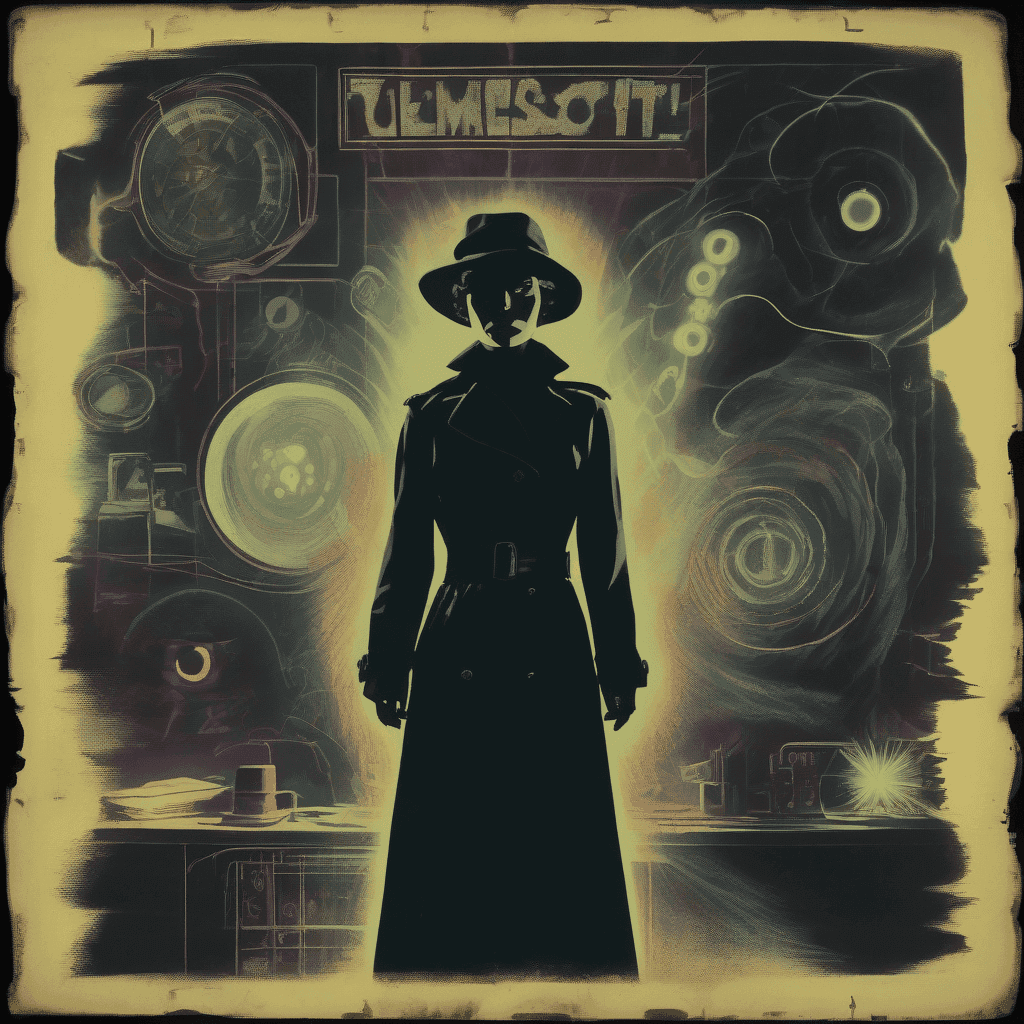
“Cult cinema, often celebrated for its boundary-pushing narratives and devoted fanbases, boasts a history far richer and deeper than commonly perceived. This article delves into the foundational elements of the cult film phenomenon, tracing its primal pulse back to the experimental, often transgressi…”
In the vast, ever-evolving landscape of cinematic art, certain films refuse to be confined by the conventional. They linger, whisper, and eventually roar from the fringes, gathering fervent disciples and forging communities bound by shared, sometimes peculiar, obsessions. This is the realm of cult cinema, a vibrant counter-culture where the overlooked become revered, the strange becomes sublime, and the initially dismissed transform into iconic touchstones. While the term 'cult film' might evoke images of midnight screenings, interactive participation, and decades of re-evaluation, the intrinsic spirit of what defines cult cinema—its transgressive narratives, its embrace of the outcast, its genre-defying audacity—can be traced back to the very dawn of the moving picture. Long before the 'midnight movie' circuit solidified its reputation, the seeds of cinematic rebellion were sown in the silent era, in films that dared to be different, to challenge, and to linger in the collective subconscious of niche audiences.
The Genesis of Cinematic Transgression: Pushing Boundaries from the Start
Cult cinema thrives on challenging norms, and this instinct for transgression was present in filmmaking from its earliest days. Even within the nascent constraints of early 20th-century storytelling, filmmakers explored themes that skirted or outright defied societal expectations. Consider the dramatic and often morally ambiguous narratives that captivated audiences. Films like Mr. Wu (1919), with its stark tale of cultural clash, revenge, and familial honor, delved into themes of justice and retribution that were far from simple morality plays. Similarly, the shadowy intrigues of serials like The Vampires: The Thunder Master, with its enigmatic criminal mastermind and relentless pursuit, hinted at a fascination with the darker corners of human nature and organized crime, a fascination that would become a hallmark of many later cult classics.

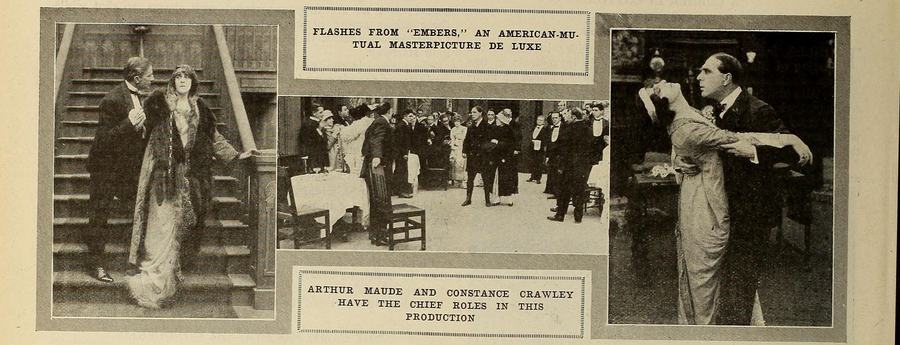
The very act of depicting crime, moral failing, or social deviance often placed these early works on the precipice of acceptability, drawing in viewers who sought narratives beyond the saccharine or overtly didactic. Ashes of Embers, for instance, wove a complex web of mistaken identity and selfish acts, exploring the consequences of deceit and the fragility of reputation. Such storytelling, rather than offering neat resolutions, often left audiences grappling with uncomfortable truths, fostering a deeper, more reflective engagement that is characteristic of cult devotion. This willingness to confront the unsettling, to portray characters navigating profound moral quandaries, laid crucial groundwork for the audacious themes that would define cult films for generations to come. The initial discomfort these films might have caused, paradoxically, contributed to their enduring, if underground, appeal.
Narrative Anomalies and The Unconventional Gaze: Embracing the Bizarre
A defining characteristic of cult cinema is its embrace of the unusual, the absurd, and the outright bizarre. Long before directors like David Lynch or John Waters made their mark, early filmmakers experimented with unconventional narratives that defied easy categorization. These were films that, intentionally or not, carved out their own peculiar niches, speaking to audiences who appreciated a departure from the predictable. Take, for example, the charmingly surreal premise of The Guilty Egg, a short comedy where newlyweds expect a rooster to lay eggs, or the animated antics of Love's Labor Lost, a whimsical short featuring an elephant cop and a hippopotamus girl. These films, far from being mainstream blockbusters, showcased a playful irreverence and a willingness to explore narratives purely for their novelty or comedic potential.
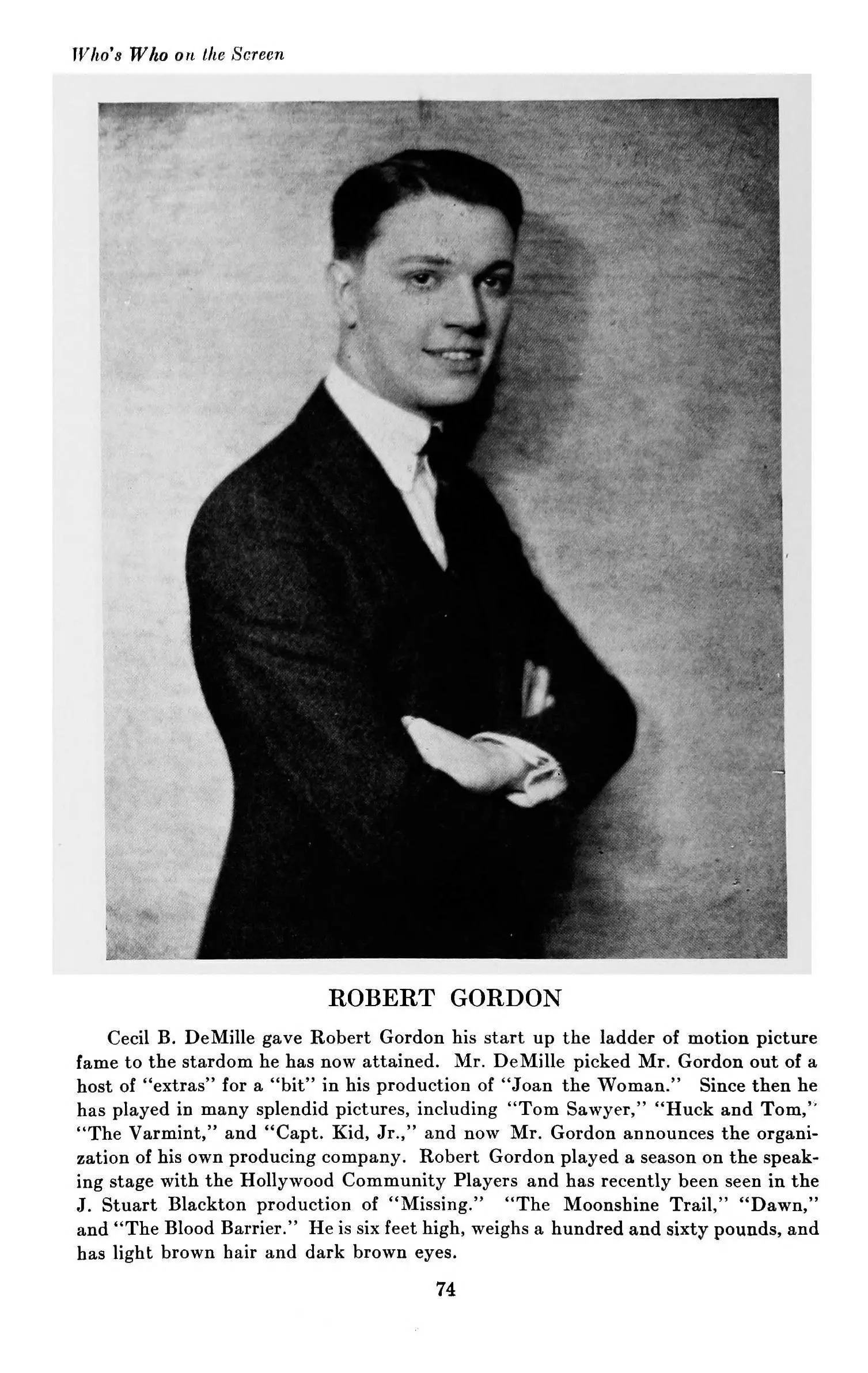
The spirit of embracing the unconventional also manifested in human stories that leaned into awkwardness or unexpected situations. Now or Never, a short comedy about a young man unaccustomed to children forced to chaperone a girl on a train, finds its humor in relatable discomfort and escalating chaos. Such narratives, though simple in premise, offered a refreshing alternative to grand melodramas, appealing to a sensibility that appreciated quirky character dynamics and lighthearted absurdity. These early excursions into the strange and the silly, often overlooked by mainstream critics, resonated with specific audiences who found joy in their unique perspectives, foreshadowing the dedicated fanbases that would later champion films like Eraserhead or Pink Flamingos for their singular visions. The 'unconventional gaze' of these films was not just about shock value, but about offering different ways of seeing the world, a core tenet of cult appreciation.
The Misfit and the Maverick: Heroes from the Fringe
At the heart of many cult films lies a deep empathy for the outcast, the rebel, and the misunderstood. Audiences drawn to cult cinema often see themselves reflected in these cinematic misfits, finding solace and validation in stories that celebrate individuality over conformity. This powerful connection to the outsider archetype has roots stretching back to cinema's infancy. Films like The Triumph of the Weak, which follows an ex-convict mother striving to reclaim her child and her life, tapped into raw themes of societal judgment and the struggle for redemption. Her journey, fraught with prejudice, speaks to the enduring human desire for acceptance and the resilience of the marginalized.
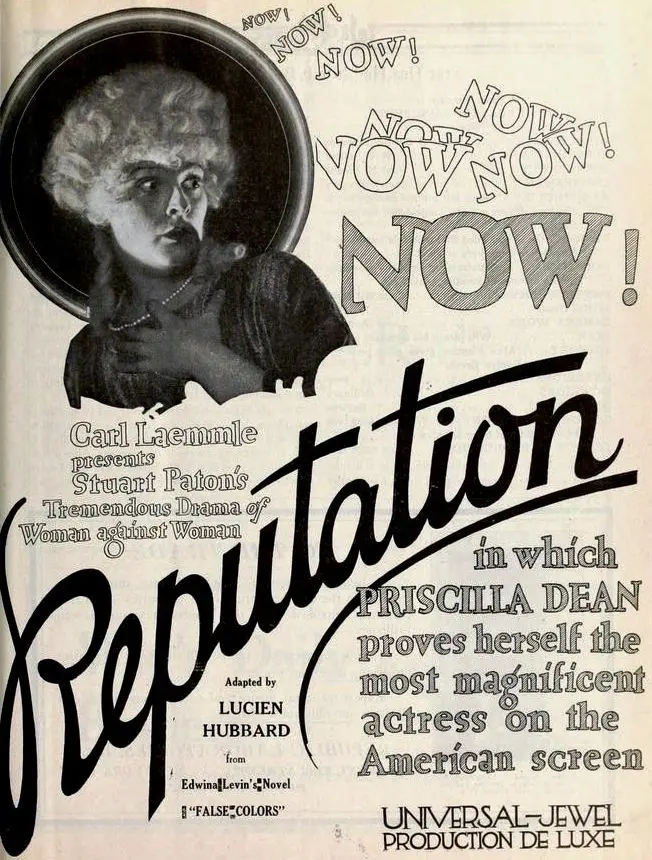
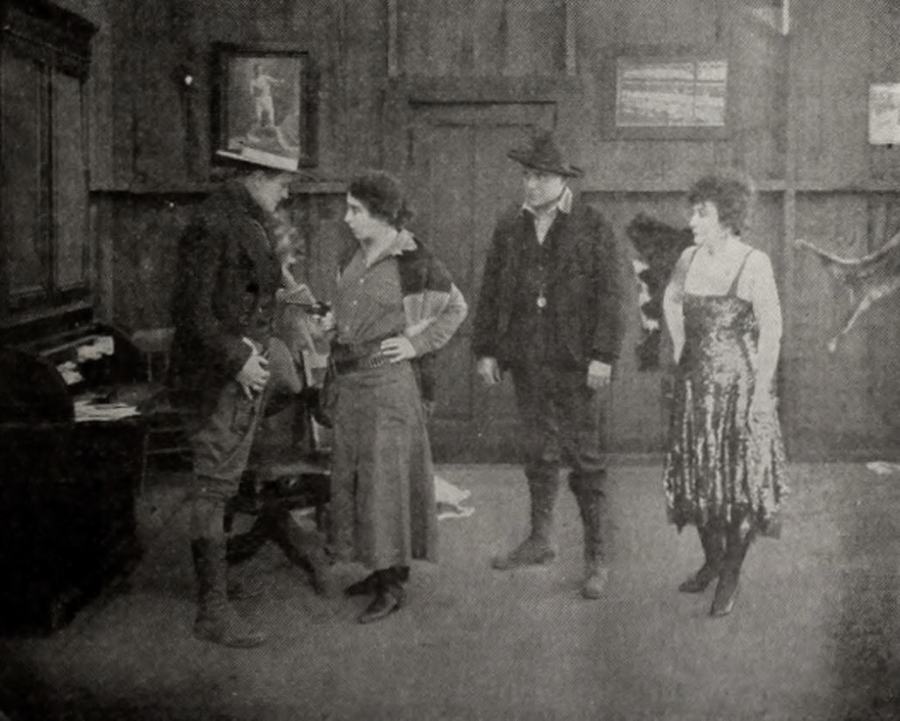
Similarly, the poignant innocence of Sadie Goes to Heaven, depicting a tenement child's vision of paradise, offered a glimpse into the hopes and dreams of those on the fringes of society. These narratives often highlighted characters who, despite their circumstances, possessed an undeniable spirit and inner strength. In Gatans barn (Children of the Streets), the willful personality of a young woman from an impoverished background causes conflict, but also asserts her agency in a world that seeks to define her. Even non-human protagonists, like the part-wolf dog in The Silent Call, falsely accused and forced to flee, embody the archetype of the noble outcast fighting against injustice. Then there's the definitive maverick, Tempest Cody Rides Wild, featuring a female chief peace officer in a 'wild western town' – a role that shattered gender norms and presented a powerful, independent woman long before such portrayals were common.
These early cinematic explorations of characters who defy expectations, battle societal forces, or simply exist outside the conventional spotlight, laid the emotional groundwork for cult film appreciation. They fostered a sense of kinship between the audience and the cinematic other, a bond strengthened by shared understanding and admiration for those who walk their own path. This connection is not merely passive viewing; it's an active identification, a recognition of shared struggles and triumphs that transcends the screen, creating the devoted communities synonymous with cult cinema.
Genre Alchemy and Artistic Freedom: The Wild West of Early Filmmaking
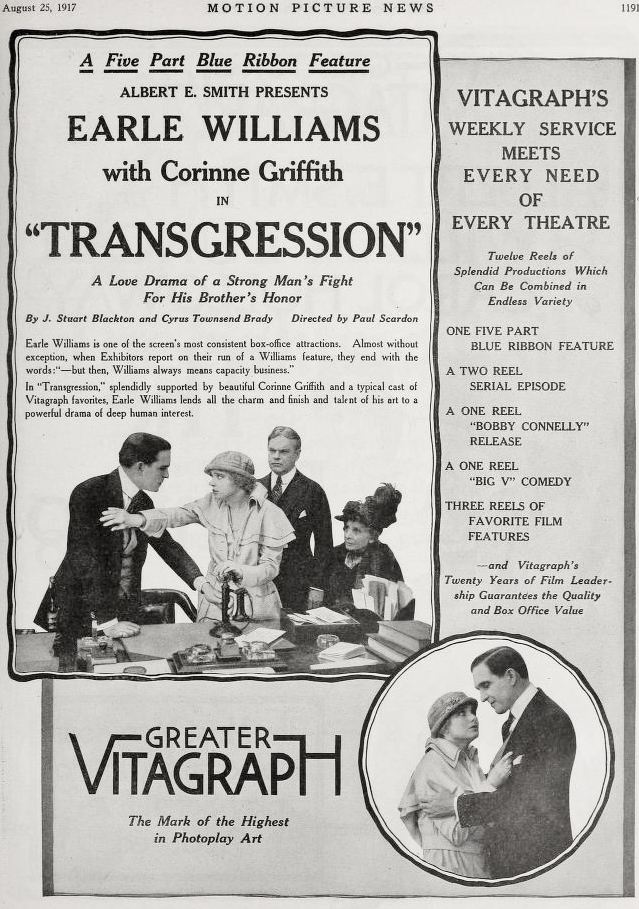
The early decades of cinema were a veritable Wild West of artistic experimentation, where filmmakers, unburdened by rigid studio systems or established genre conventions, enjoyed a remarkable degree of creative freedom. This fertile ground was perfect for the kind of genre alchemy and stylistic innovation that would later become a hallmark of cult cinema. Many films of this era refused to be neatly categorized, often blending elements from disparate genres to create something entirely new and unexpected.
Consider a film like Fighting Fate, a title that, even from its brief description, suggests a thrilling amalgamation of 'Thriller, Western, Drama, Romance, Action'. Such a blend, while perhaps born of necessity or nascent storytelling conventions, perfectly embodies the genre-defying spirit that cult audiences adore. It’s a refusal to play by the rules, an eagerness to throw everything at the screen and see what sticks. This raw, untamed approach to filmmaking allowed for narratives that felt genuinely fresh, even if sometimes chaotic.

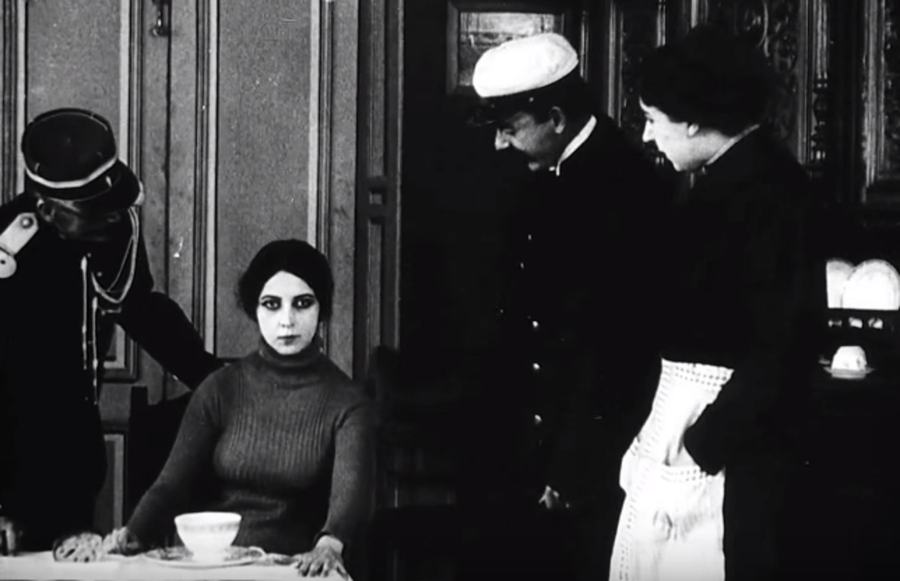
Beyond genre fusion, early cinema also explored the fantastical and the mysterious with a raw, almost primal energy. Films like Die Maske (The Mask) or The Invisible Ray, with its tale of a scientist's deadly discovery and the hunt for its key, tapped into nascent scientific anxieties and the thrill of the unknown. These were stories that pushed the boundaries of what was visually and narratively possible at the time, captivating audiences with their innovative concepts and imaginative spectacle. The visual language of German Expressionism, for instance, heavily influenced films like Die Maske, creating a distinctive, eerie aesthetic that continues to resonate with fans of atmospheric, unconventional horror and psychological thrillers.
This period of artistic freedom, where filmmakers were inventing the grammar of cinema as they went along, fostered an environment ripe for the kind of singular, uncompromised visions that cult audiences cherish. It was a time when the sheer novelty of moving pictures allowed for a wide berth of creative exploration, laying the foundation for future generations of renegade filmmakers who would similarly prioritize artistic expression over commercial viability. The raw energy, the bold experimentation, and the uninhibited spirit of these early works form a vital part of cult cinema's ancestral blueprint.
The Social Mirror, Darkly: Reflecting and Challenging Society
Cult films often serve as a distorted, yet revealing, mirror to society, reflecting its anxieties, challenging its conventions, and sometimes even predicting its future fault lines. This subversive streak, far from being a modern phenomenon, was evident in cinema's earliest years, particularly in films that grappled with contemporary social and political issues. The global upheaval of World War I, for instance, found its way onto the screen, albeit sometimes obliquely. Me und Gott, with its premise of a former Prussian officer running a delicatessen in Hoboken during America's declaration of war on Germany, undoubtedly touched upon sensitive themes of national identity, loyalty, and cultural tension. Such films, by engaging with contentious public sentiments, offered a complex lens through which to view a rapidly changing world.
Furthermore, historical dramas and adventure tales, while seemingly straightforward, often carried implicit social commentary. The Symbol of Sacrifice, a dramatization of the 1879 Anglo-Zulu War, while likely presented from a colonial perspective, nonetheless depicted a significant historical conflict, exposing audiences to the brutality and complexities of warfare. Similarly, films set in exotic locales or distant pasts, such as Captain Alvarez, which plunged audiences into a 'hotbed of revolution' in the Argentine Republic, or The Captive God, a story of a Spanish boy cast ashore in Aztec Mexico, implicitly explored themes of cultural clash, power dynamics, and the human cost of empire. Even a film like Ashoka, an early historical biography, would have presented a narrative that challenged or reinforced contemporary understanding of power, morality, and leadership.
These early cinematic ventures, by tackling subjects of war, revolution, cultural difference, and moral ambiguity, provided a platform for audiences to confront uncomfortable realities or to see their own world reflected in allegorical forms. The initial reception of such films might have been mixed, perhaps even controversial, but it is precisely this ability to provoke thought and discussion that fuels the enduring appeal of cult cinema. They invited viewers to question, to debate, and to connect with narratives that dared to venture beyond simplistic entertainment, thus planting the seeds for the counter-cultural impact that cult films would later wield.
The Enduring Echo: From Obscurity to Obsession
Perhaps the most magical aspect of cult cinema is its capacity for resurrection. Films that might have been ignored, misunderstood, or even lambasted upon their initial release often find their true audience years, or even decades, later. This process of rediscovery, of a film slowly accumulating a devoted following, is a testament to the enduring power of unique artistic visions and the collective human desire for meaningful connection outside the mainstream. Many of the 50 films referenced here, obscure relics from a bygone era, embody this potential for an 'enduring echo,' a latent resonance waiting to be activated by the right audience at the right time.
The very act of unearthing these 'forgotten gems' from cinema's early archives, much like an archaeologist sifting through ancient ruins, reveals a rich tapestry of creativity and experimentation. Films like Courage, a Scottish drama exploring a husband's struggles with invention and financial hardship, or Heart and Soul, a story of sisterly devotion amidst plantation life, might not have achieved widespread acclaim, but they undoubtedly connected deeply with segments of their contemporary audience. Their thematic depth, their emotional honesty, or their particular stylistic choices would have resonated with certain viewers, creating a proto-cult following even without the widespread communication networks of today.
This 'slow burn' phenomenon, where initial obscurity gives way to fervent admiration, is a core component of the cult film narrative. It speaks to the idea that true artistic merit is not always immediately recognized, and that some works require time, distance, or a specific cultural context to be fully appreciated. The collective obsession that develops around a cult film is a powerful force, transforming a mere viewing experience into a shared ritual, a communal celebration of the unconventional. From the early days of cinema, when films like The Man Who Took a Chance or Making the Grade offered escapism and humor, to the more dramatic narratives of The Greater Woman or Other Men's Shoes, each film, however minor in the grand scheme of history, contributed a thread to the intricate, diverse tapestry of cinematic expression. Each had the potential to ignite a spark in a viewer, a spark that could, over time, grow into the enduring flame of cult devotion.
The Unseen Cultivar: Nurturing Rebel Seeds
The journey of cult cinema, from its earliest flicker to its modern, multifaceted manifestations, is a continuous narrative of rebellion and resonance. It's about films that, for whatever reason—be it their unique aesthetic, their challenging themes, their unconventional characters, or simply their sheer oddity—found a special place in the hearts of a dedicated few. These early films, often produced independently or on the fringes of emerging studio systems, were the 'unseen cultivar,' nurturing the rebel seeds of cinematic devotion. They demonstrated that there was an audience hungry for something different, something that spoke to their own outsider sensibilities.
Whether it was the domestic farce of Why Trust Your Husband or A Shocking Night, subtly subverting marital conventions through humor, or the more earnest romantic dramas like At First Sight and Made in Heaven, each film, regardless of its initial intent, contributed to the broader cinematic conversation. Even seemingly innocuous comedies like The Paper Hanger or The Grocery Clerk, with their slice-of-life narratives and character-driven humor, offered a distinct flavor that might have resonated deeply with a particular segment of viewers. The sheer diversity of these early works, from the action-packed Lightning Bryce to the more introspective Gatans barn, showcases a burgeoning artistic landscape where experimentation was rife and genres were fluid.
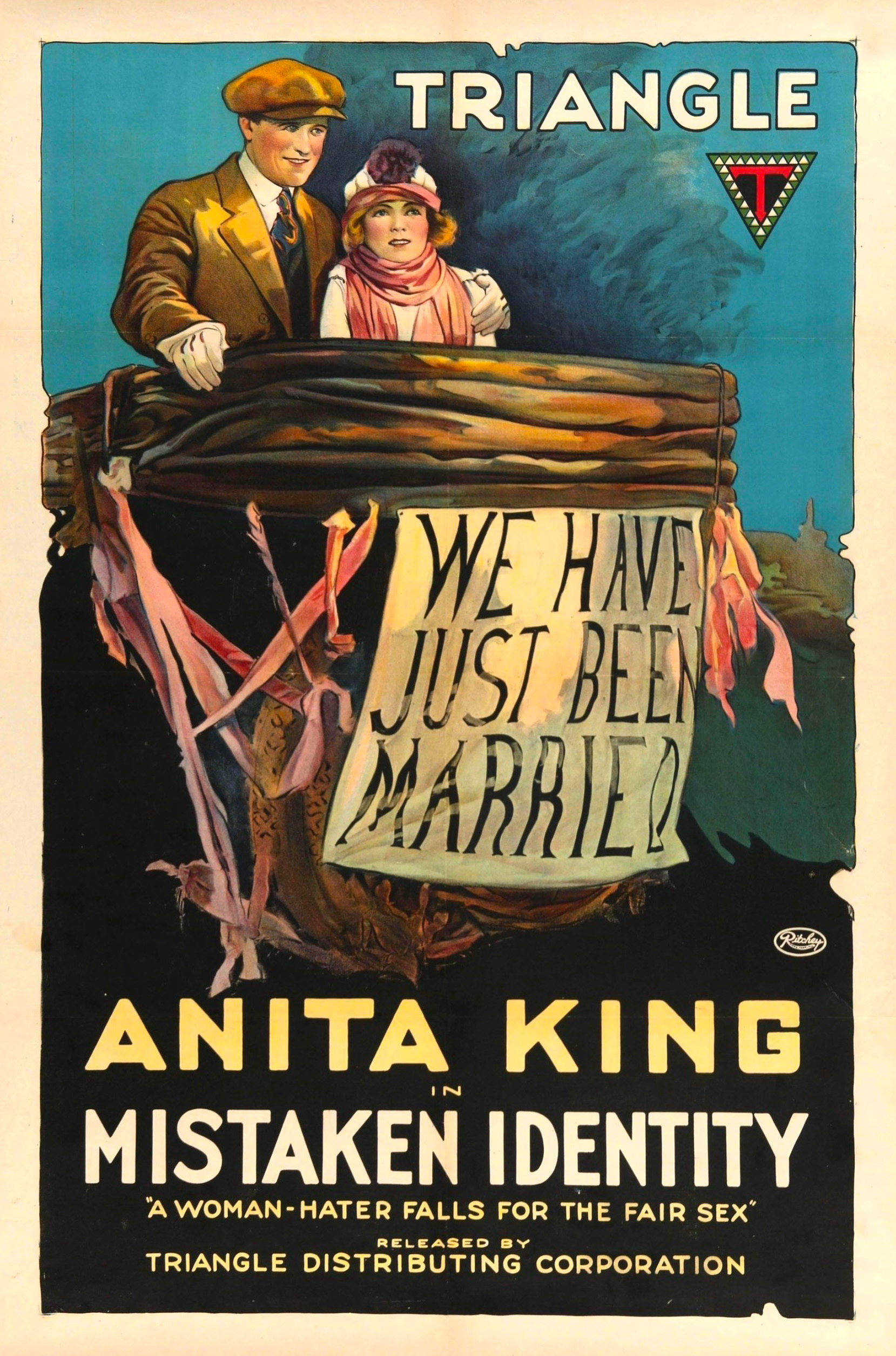
The ability of these films to forge identity and defy the mainstream is not merely a retrospective analysis; it’s an inherent quality embedded in their DNA. They proved that a cinematic experience could be more than just mass entertainment; it could be a personal revelation, a shared secret, a communal gathering point for those who felt disenfranchised by dominant cultural narratives. This enduring magnetism, this primal allure of the unconventional, is what allows cult cinema to continuously evolve, drawing new generations into its orbit and forever celebrating the maverick visions that dared to dream beyond the marquee.
Conclusion: The Enduring Power of the Fringe
Cult cinema, therefore, is not merely a collection of films; it is a profound sociological and aesthetic phenomenon, a testament to the enduring power of outsider art and niche communities. Its roots delve deep into the annals of cinematic history, intertwining with the experimental spirit and transgressive narratives of the early 20th century. From the compelling moral ambiguities of silent dramas to the whimsical absurdities of early comedies, these foundational works laid the groundwork for a cinematic tradition that cherishes originality, challenges the status quo, and fosters unparalleled fan devotion.
The films that inspire cult followings, whether from the silent era or contemporary independent cinema, share a common thread: an unapologetic commitment to their unique vision, regardless of commercial pressures or critical consensus. They speak to a primal human need for stories that resonate on a deeper, often more personal, level. By understanding the 'unseen tapestry' woven by these early cinematic experiments, we gain a richer appreciation for the complex, vibrant, and always rebellious heart of cult cinema, a heart that continues to beat strong, drawing in new adherents to its unconventional canon. The enduring allure of cult cinema is a powerful reminder that sometimes, the most profound and lasting impacts come not from the center, but from the glorious, defiant fringe.
Community
Comments
Log in to comment.
Loading comments…