
Cult Cinema
The Anatomy of the Anomalous: How Silent Era Misfits Defined the Midnight Mindset
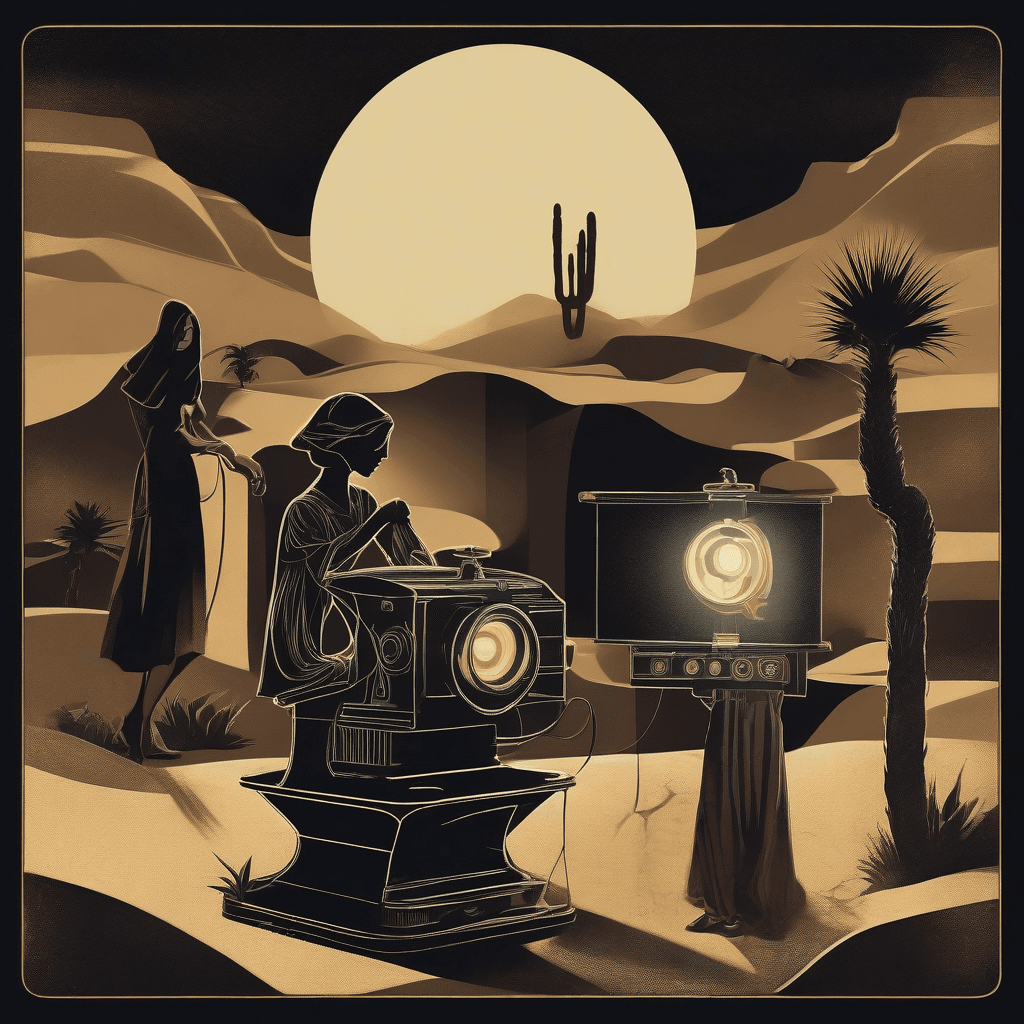
“An expansive investigation into the forgotten silent masterpieces and genre-defying anomalies that established the transgressive DNA of modern cult cinema.”
Cult cinema is often mistakenly categorized as a modern phenomenon, a product of the 1970s midnight movie circuit that birthed icons of the counter-culture. However, to truly understand the magnetism of the marginal, one must look back to the dawn of the celluloid age. The DNA of the transgressive, the bizarre, and the obsessive was not invented in a vacuum; it was forged in the silent era by a collection of narrative outliers that defied the burgeoning conventions of the studio system. These films—ranging from surreal fantasies to moral provocations—established the Anatomy of the Anomalous, creating a blueprint for the niche devotion that defines the cult experience today.
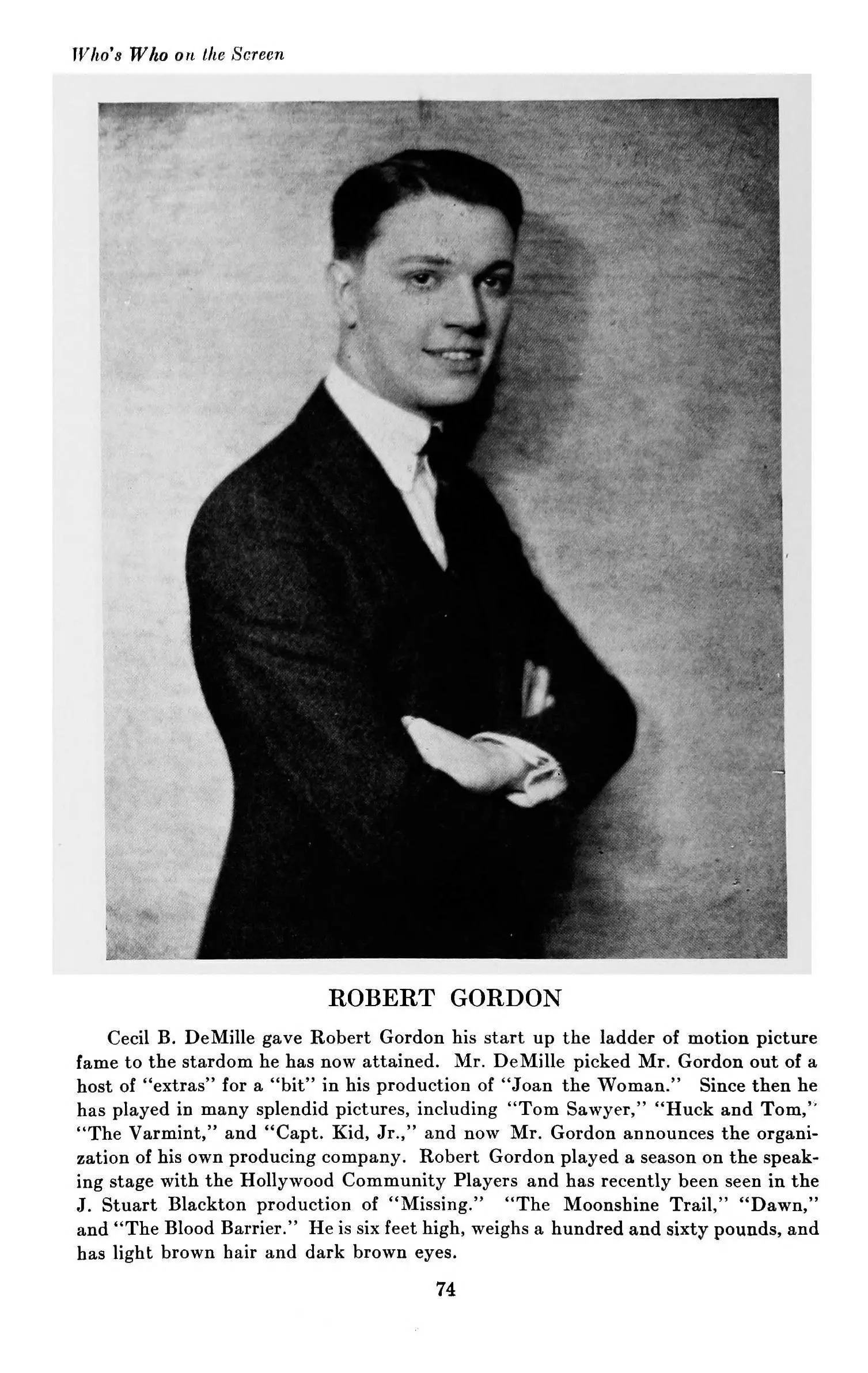
The Occult Roots of Cinematic Satire
Perhaps the most potent ingredient in the cult cinema cauldron is the subversion of social and religious norms. Long before modern filmmakers explored the darker corners of the psyche, the 1912 short The New Member (slug: the-new-member) offered a startlingly surreal take on the secret society. By depicting the 'Royal Order of the Wriggle Fingers'—a bizarre Satanic cult run by the police and endowed with magical powers—the film utilized a street fight and a secret hand signal to dismantle the authority of the law through the lens of the absurd. This early foray into the occult-as-comedy prefigured the irreverent spirit of underground cinema by decades.
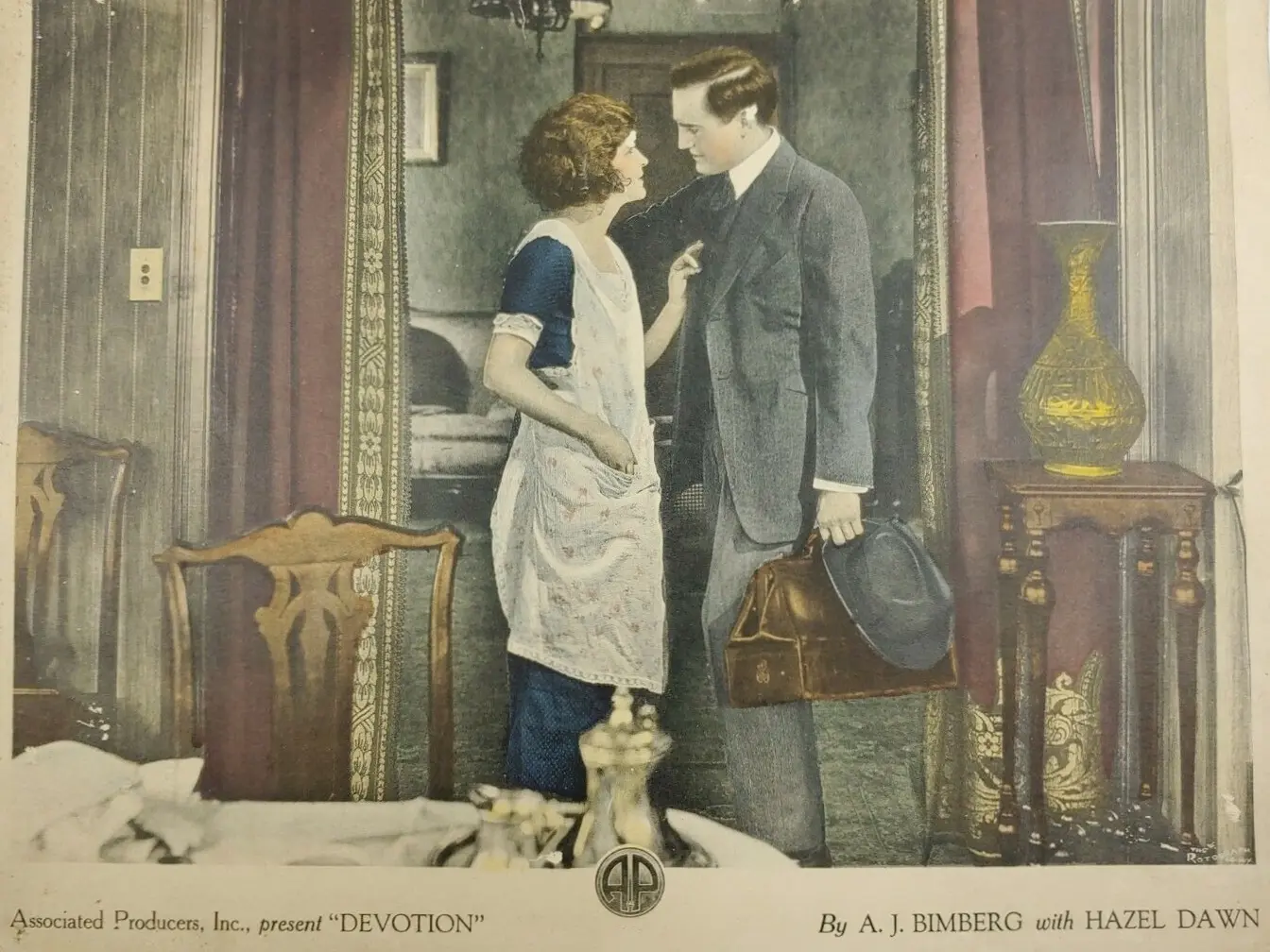
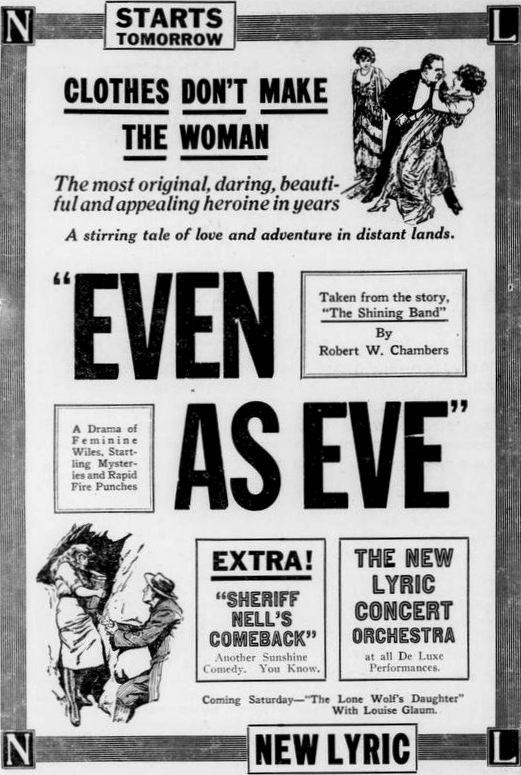
Similarly, the 1920 production Even as Eve (slug: even-as-eve) took audiences into a remote retreat in the Adirondacks, where a cult led by an embittered man lived in isolation. This narrative of a woman caught between a rigid, fringe society and the infidelities of the outside world highlights the 'outsider' status that is central to the cult ethos. The film explores the tension between the sanctuary of the fringe and the corruption of the mainstream, a recurring theme for those who find solace in the 'otherness' of cult narratives.
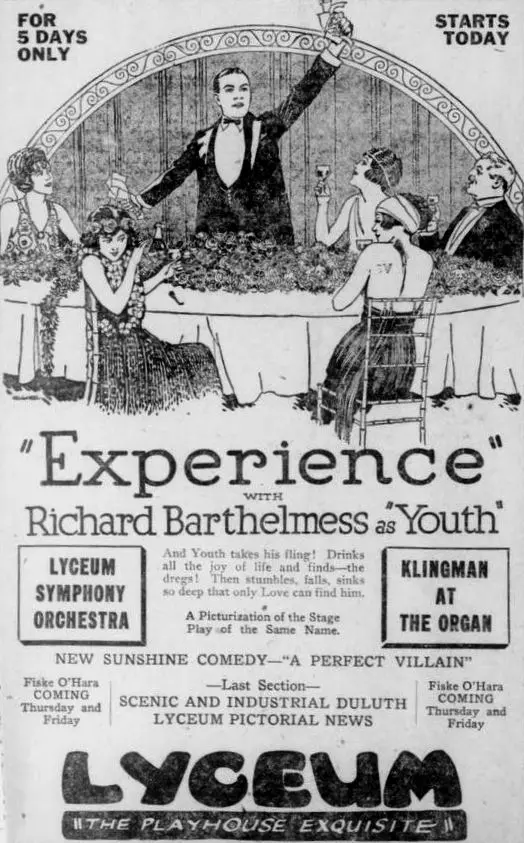
The Surreal and the Spectacular: Building Dream Worlds
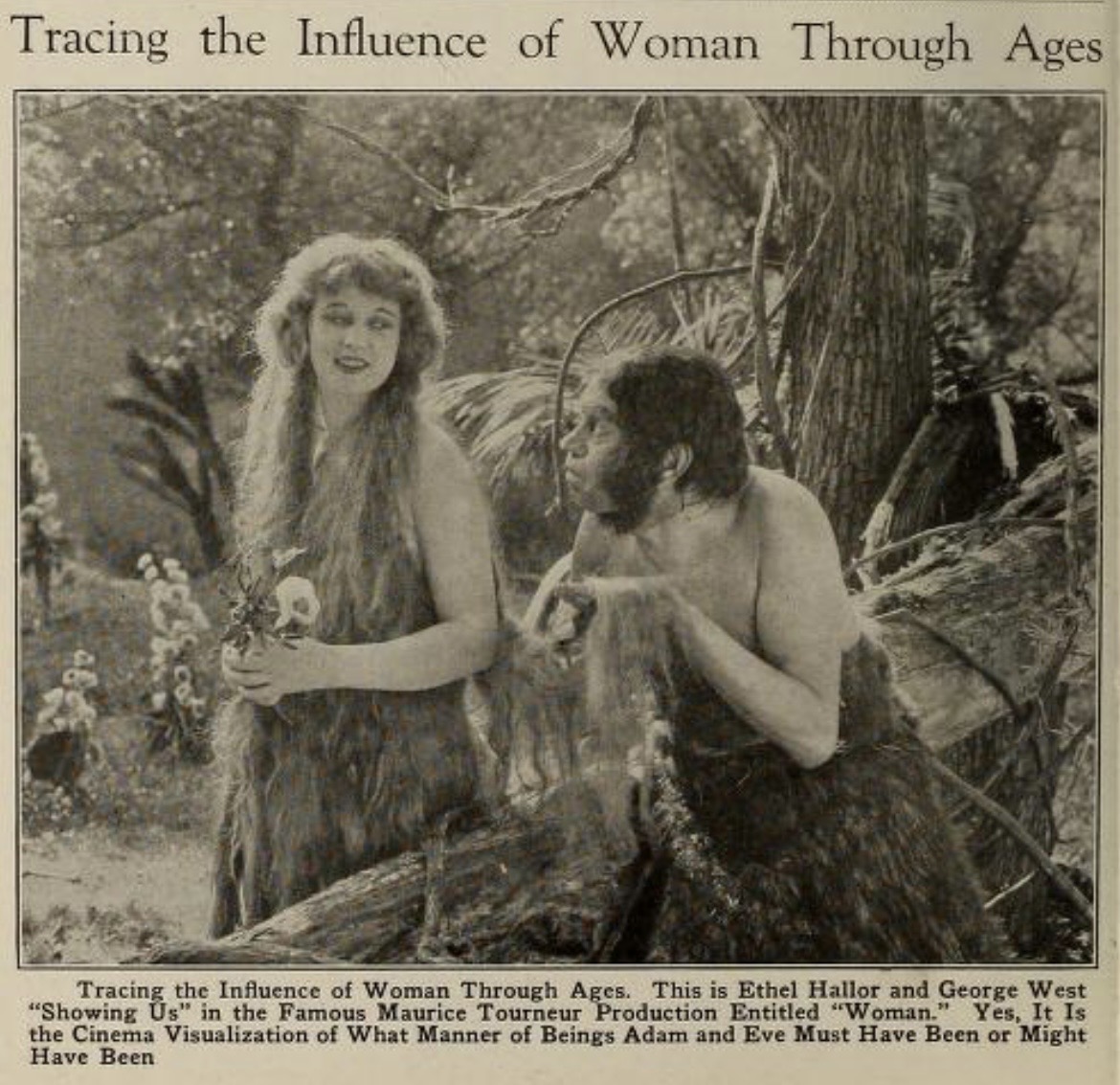
Cult cinema thrives on visual excess and the logic of the dream. In the early 20th century, few films captured this as vividly as A Daughter of the Gods (slug: a-daughter-of-the-gods). Featuring an elaborate plot involving a sultan, a wicked witch, and a mysterious young lady, the film is a masterclass in the cinematic spectacle. The sultan’s deal with the witch to bring his son back from the dead through magic serves as a primal example of the 'deal with the devil' trope that permeates cult horror. Its ambition—and its status as a lost masterpiece for many years—only adds to its legendary status among film historians.
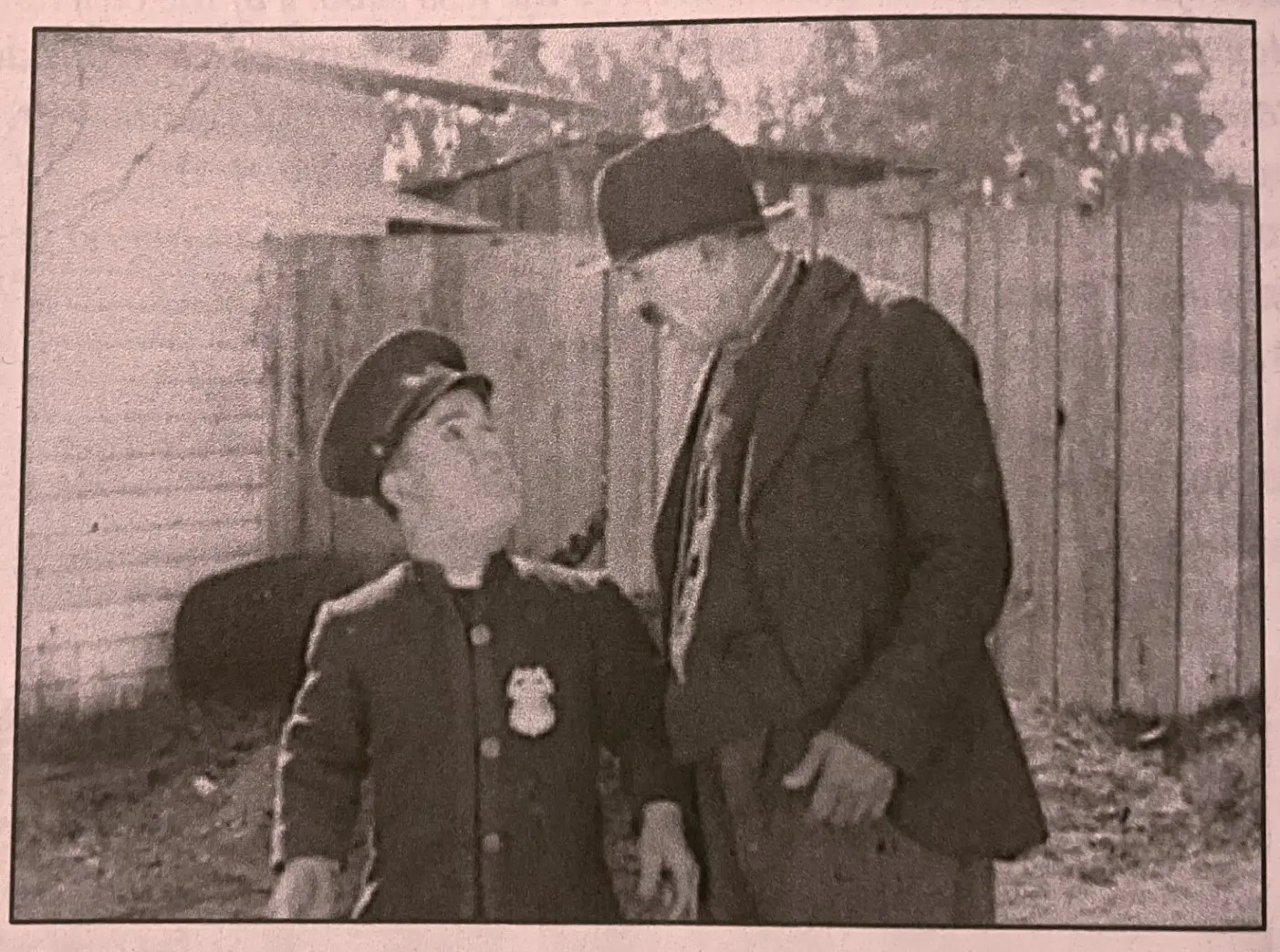
Parallel to this high-fantasy spectacle was the whimsical and often unsettling world of The Patchwork Girl of Oz (slug: the-patchwork-girl-of-oz). Produced by L. Frank Baum himself, the film’s journey to the Emerald City to escape starvation is filled with the kind of uncanny costuming and practical effects that would later define the aesthetic of cult icons like Jim Henson or Terry Gilliam. These films weren't just stories; they were immersive experiences that prioritized the weird and the wonderful over the mundane demands of realism.
Identity and the Art of the Masquerade
The cult audience has always been drawn to stories of fluid identity and the 'double.' The Masquerader (slug: the-masquerader-1922) presents a classic scenario of a distinguished British statesman who, having ruined his life through indulgence, finds a struggling journalist who is his exact double. The ensuing swap of lives is a precursor to the many 'stolen identity' thrillers that populate the midnight circuit. This fascination with the mask is further explored in Society for Sale (slug: society-for-sale), where a model convinces a down-and-out nobleman to pass her off as gentry. These narratives of social climbing and identity theft resonate with the cult viewer’s own desire to transcend their social reality through the medium of film.
This theme of the 'idle millionaire' looking for excitement is echoed in Officer 666 (slug: officer-666-1920). When Travers Gladwyn decides to guard his own home against an art thief by bribing a policeman, he engages in a comedic subversion of class and duty. The film’s blend of crime and humor, coupled with the protagonist's desire to 'amuse himself' through danger, reflects the playful nihilism often found in cult classics.
The Moral Grey: Crime, Punishment, and Social Decay
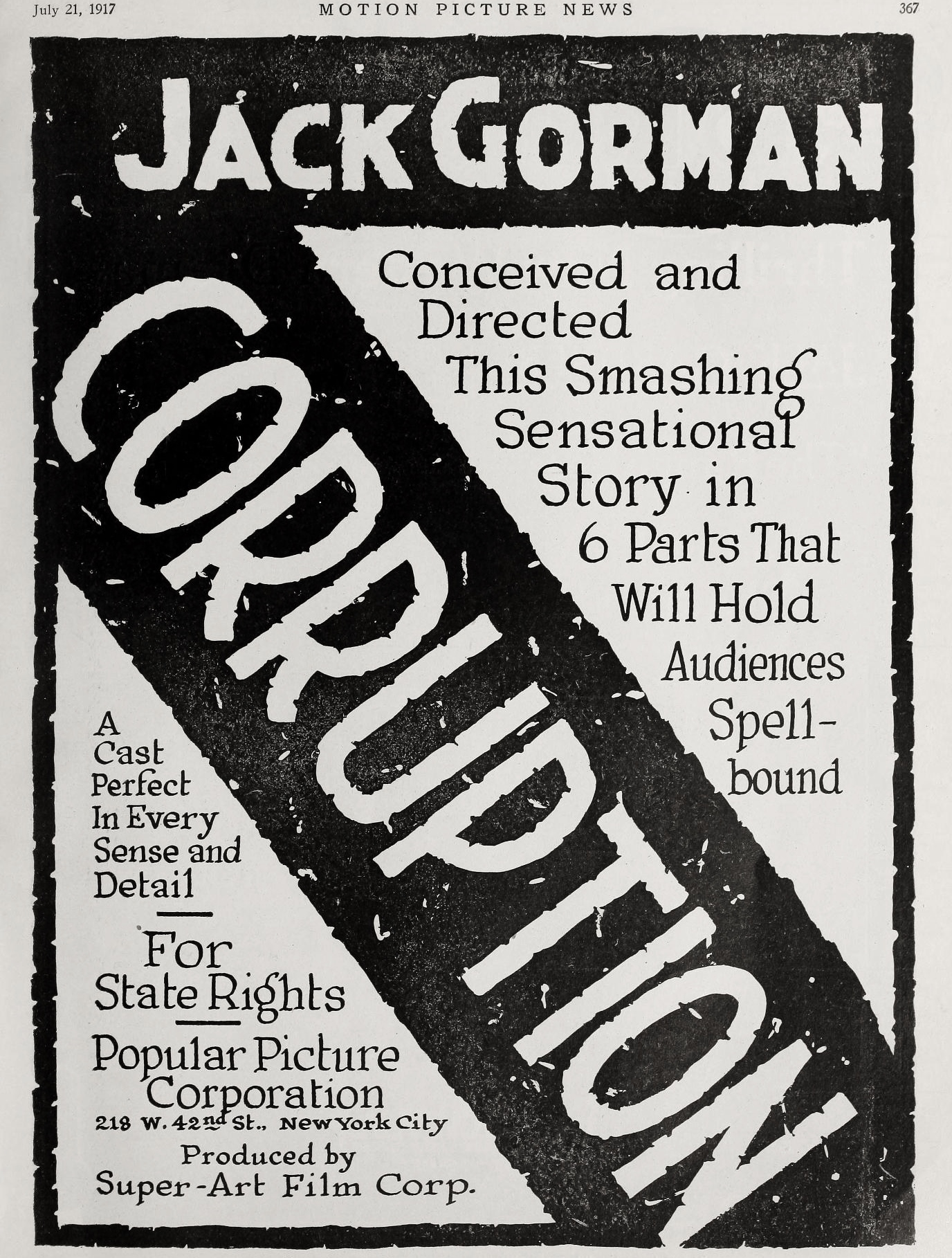
Cult cinema is rarely black and white in its morality. It often resides in the 'grey zones' of the human condition. The Third Degree (slug: the-third-degree-1919) offered a scathing expose of police methods used to extract confessions, regardless of guilt. This early critique of the justice system provided a voice for the disenfranchised, a key demographic for cult fandom. Similarly, The President (slug: the-president) presents a haunting moral dilemma where a judge must preside over the trial of his own illegitimate daughter for the murder of her child. These films didn't offer easy answers; they offered a mirror to the societal hypocrisies of their time.
The corruption of the law is a persistent thread. In Rounding Up the Law (slug: rounding-up-the-law), the protagonist Larry Connell wins a ranch in a poker game, only to be systematically dismantled by a judge and the former owner. The struggle of the individual against a rigged system is a fundamental cult narrative. This is further emphasized in The Wheel of the Law (slug: the-wheel-of-the-law), where the clash between a Broadway star and an attorney reveals the fragility of justice when personal emotions are involved.
The Grasp of Greed and the Industrial Nightmare
As the world modernized, early cinema began to reflect the anxieties of the industrial age. The Grasp of Greed (slug: the-grasp-of-greed) tells the heartbreaking story of an author who signs away her rights to a greedy publisher. It is a tale of exploitation that remains relevant today, particularly within the independent film circles that birth cult hits. The publisher's nephew eventually falling for the author adds a layer of romantic redemption, but the core message remains a critique of the 'business is business' mentality.
This critique is made explicit in the aptly titled Business Is Business (slug: business-is-business), where Isidore Lechat’s obsession with commerce blinds him to the emotional needs of his children. The film’s exploration of the soul-crushing nature of wealth is a recurring motif in cult cinema, which often champions the 'hobo' or the 'misfit' over the tycoon. For instance, Fresh from the Farm (slug: fresh-from-the-farm-1921) follows a 'hick' who comes to the city only to be relieved of his valuables by a slicker. His subsequent suspicion of everyone is a comedic but poignant look at the outsider's alienation in the urban jungle.
The Transgressive Body and the Romantic Grotesque
The cult of the 'beautiful death' is a recurring aesthetic in the fringes of film history. The Danish film En Død i Skønhed (slug: en-dd-i-sknhed) follows an artist who, unable to bring life to a portrait of his deceased wife, seeks a way to process his grief through his art. This intersection of death, beauty, and obsession is the very heart of the 'romantic grotesque.' It finds a companion in The Garden of Allah (slug: the-garden-of-allah), where a woman seeks to forget her family’s curses in the Sahara, only to fall in love with a man with a dark secret. The desert, much like the cult film, becomes a place of transformation and hidden truths.
Even in more traditional genres like the Western, the 'cult' spirit manifests in characters like the 'brute.' In The Brute Master (slug: the-brute-master), the dynamics of power on a schooner in the tropics provide a raw, visceral look at human nature stripped of its civilized veneers. This raw energy is what cult fans crave—a departure from the polished, sanitized versions of life presented by mainstream media. Whether it is the 'sultry gypsy' in Carmen (slug: carmen) seducing an officer into murder or the 'staff artist' in The Light That Failed (slug: the-light-that-failed) struggling with blindness and lost love, these stories prioritize the intensity of the experience over the comfort of the audience.
Conclusion: The Enduring Legacy of the Early Maverick
From the bizarre Satanic rituals of The New Member to the high-stakes moral drama of The Law Decides (slug: the-law-decides), the silent era was far more experimental than it is often given credit for. These 50 films—and many more like them—represent a period of 'genre anarchy' where the rules were still being written. This lack of a rigid formula allowed for the creation of narrative mutants that would eventually evolve into the cult classics we celebrate today. By exploring the Guile of Women (slug: guile-of-women) or the 'hunch' of a man waking up in a bathtub in The Hunch (slug: the-hunch), we are not just looking at history; we are looking at the foundations of our own cinematic obsessions.
The cult cinema of today owes its existence to these early renegades. They taught us that the most memorable stories are often the ones that exist on the fringe, the ones that challenge our perceptions, and the ones that—despite their age—continue to flicker with a rebellious, untamed light. As we continue to unearth these forgotten reels, we find that the Anatomy of the Anomalous is a living, breathing map of the human spirit’s eternal desire to see the unseen and celebrate the strange.
Community
Comments
Log in to comment.
Loading comments…