
DbcultAccessing Vault...
Cult Cinema
Archivist John
Senior Editor

The history of cinema is often written by the victors—the blockbusters that shattered box office records and the prestige dramas that swept the early award ceremonies. However, beneath the polished surface of the mainstream lies a jagged, subterranean history: the lineage of the cult movie. While the term "cult" didn't enter the cinematic lexicon until the midnight movie craze of the 1970s, the DNA of the transgressive, the weird, and the misunderstood was being spliced into the celluloid as early as the first flickers of the silent era.
What defines a cult film? It is an elusive alchemy of failure and fervor. A cult film is often a work that was rejected by the masses upon its initial release, only to be reclaimed by a niche audience that finds beauty in its perceived flaws or radical departures from convention. This phenomenon didn't begin with Rocky Horror or Pink Flamingos; it began when early filmmakers dared to explore the fringes of human experience, often bypassing the moral guardians of their time. These silent era deviants provided the blueprint for the subversive narratives we worship today.

Take, for instance, the 1917 film Fear Not. Long before the gritty realism of the 1970s, this film tackled the harrowing subject of cocaine addiction through the lens of two brothers. It wasn't just a cautionary tale; it suggested a hereditary darkness, a concept that felt dangerously avant-garde for its time. This willingness to stare into the abyss is a hallmark of the cult sensibility—a refusal to offer the easy comforts of a happy ending in favor of a more jagged, uncomfortable truth.
Cult cinema is frequently defined by its visual idiosyncrasies. When we look at the Pathé Review: Monsters of the Past (1923), we see the early seeds of the creature feature and the obsessive attention to detail that would later define the work of Ray Harryhausen. Featuring sculptor Virginia May at work and stop-motion dinosaur footage, this short film represents the intersection of science, art, and the uncanny. It is this fascination with the "unnatural" and the laboriously constructed that draws cult audiences—the sense that we are watching something that shouldn't exist, brought to life by a singular, perhaps even obsessive, vision.
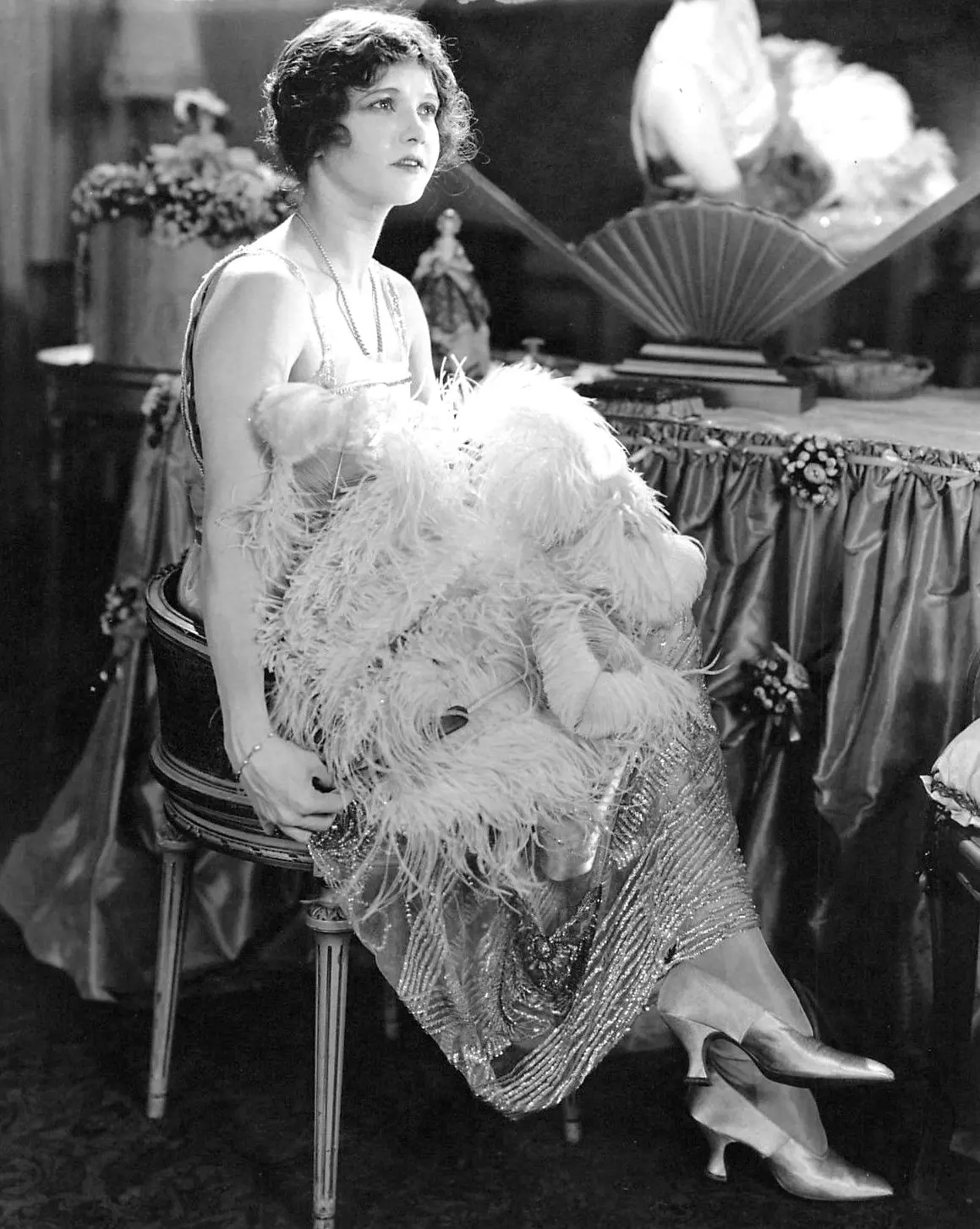
Similarly, the atmosphere of mystery and the "haunted house" trope found its footing in films like The Ghost House. By using a gardener to manufacture superstitions to hide a band of thieves, the film plays with the audience's desire to believe in the supernatural while grounding it in a cynical, criminal reality. This layer of deception—the film within a film, the lie within the truth—is a recurring motif in cult classics that reward multiple viewings and deep analytical dives.
The concept of the "Double" or the fractured identity is a cornerstone of psychological cult thrillers. In the silent era, this was often explored through the use of identical twins or characters leading double lives. The Yellow Typhoon presents a fascinating study in contrast, with Hilda and Berta Nordstrom—identical in appearance but polar opposites in temperament. One is a deserting wife searching for adventure in the Orient, while the other remains a pillar of domesticity. This exploration of the "shadow self" prefigures the complex character studies found in the works of David Lynch or Brian De Palma.
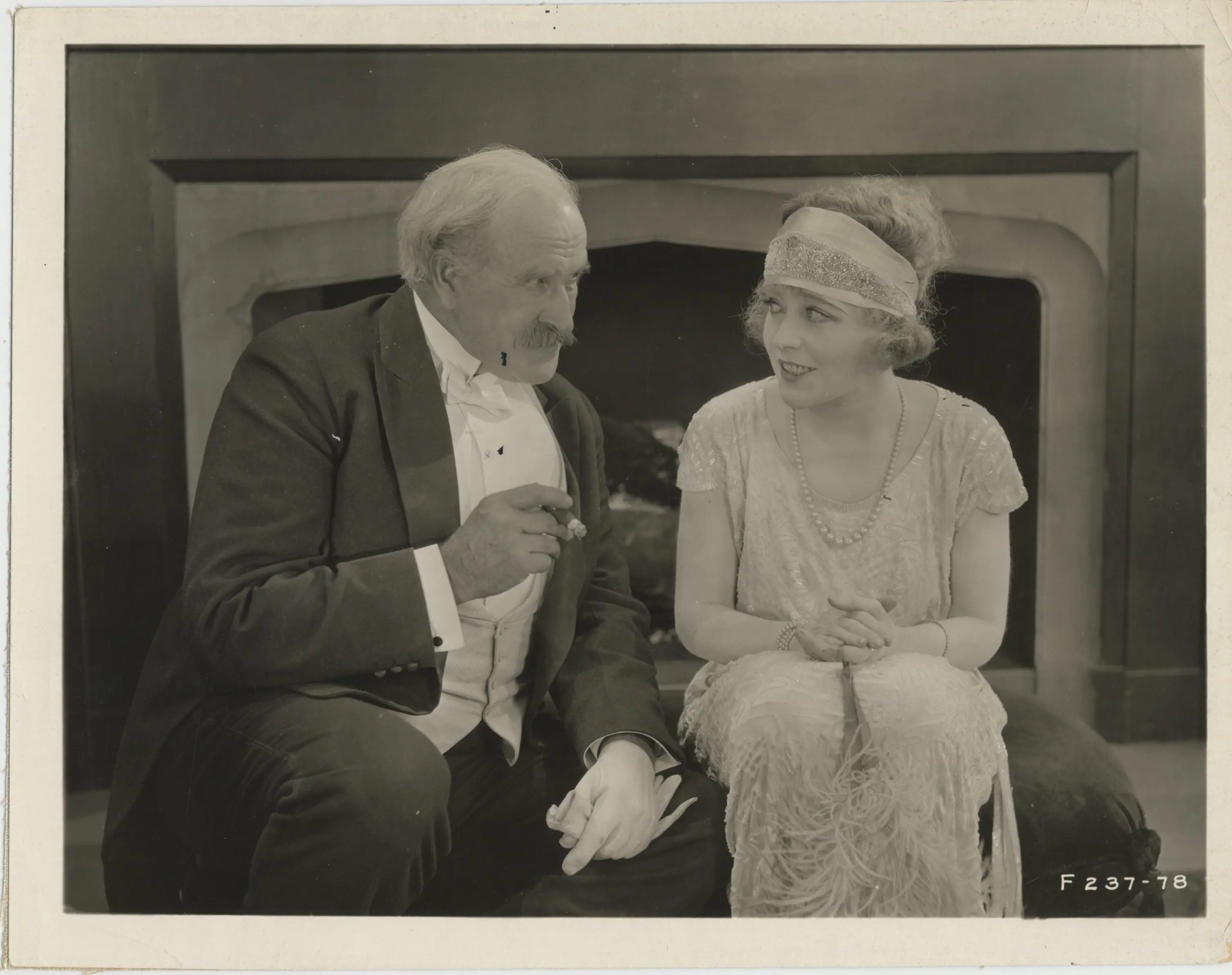
We see a more comedic but equally subversive take on identity in Cinderella Cinders. An unemployed cook and a butler impersonating upper-class guests at a party is more than just a slapstick premise; it is a sharp critique of class structures and the performative nature of social standing. Cult cinema often thrives on this kind of "punching up," using absurdity to dismantle the rigid hierarchies of the status quo.
If cult cinema has a patron saint, it is the Outlaw. Whether it’s the literal outlaws of the Western genre or the social outcasts of the urban drama, these characters represent a rejection of the mainstream path. In Driven, we are introduced to Essie, a mountain girl living among bootleggers. The film’s focus on the harsh, violent reality of the moonshine trade—where a father’s death at the hands of federal agents is just another day in the mountains—offers a gritty, unvarnished look at the American fringe. This is the same spirit that would later fuel the biker films of the 1960s and the neo-noirs of the 1990s.
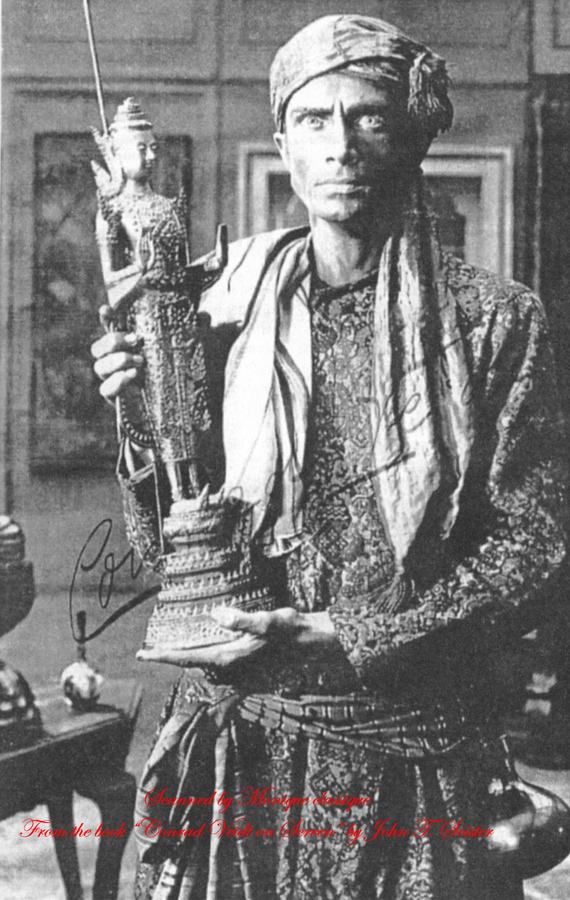
The physicality of the outcast is also a recurring theme. In The Egg Crate Wallop, a rural youth uses the strength gained from manual labor to find success in the boxing ring. This narrative of the "physical underdog" who fights his way out of obscurity resonates deeply with cult audiences who often feel like underdogs themselves. The boxing ring, like the cinema screen, becomes a space where the marginalized can exert power and demand to be seen.
Many of the most radical experiments in early cinema occurred within the short film format. These bite-sized narratives allowed for a level of experimentation that feature-length films, with their higher budgets and greater need for mass appeal, could rarely afford. One Dark Night, where a man is mistaken for an escaped convict because of his masquerade costume, uses a simple comedic misunderstanding to touch on themes of police fallibility and the precariousness of social identity. It is this ability to pack a subversive punch into a limited runtime that makes these early shorts so vital to the history of the midnight mindset.
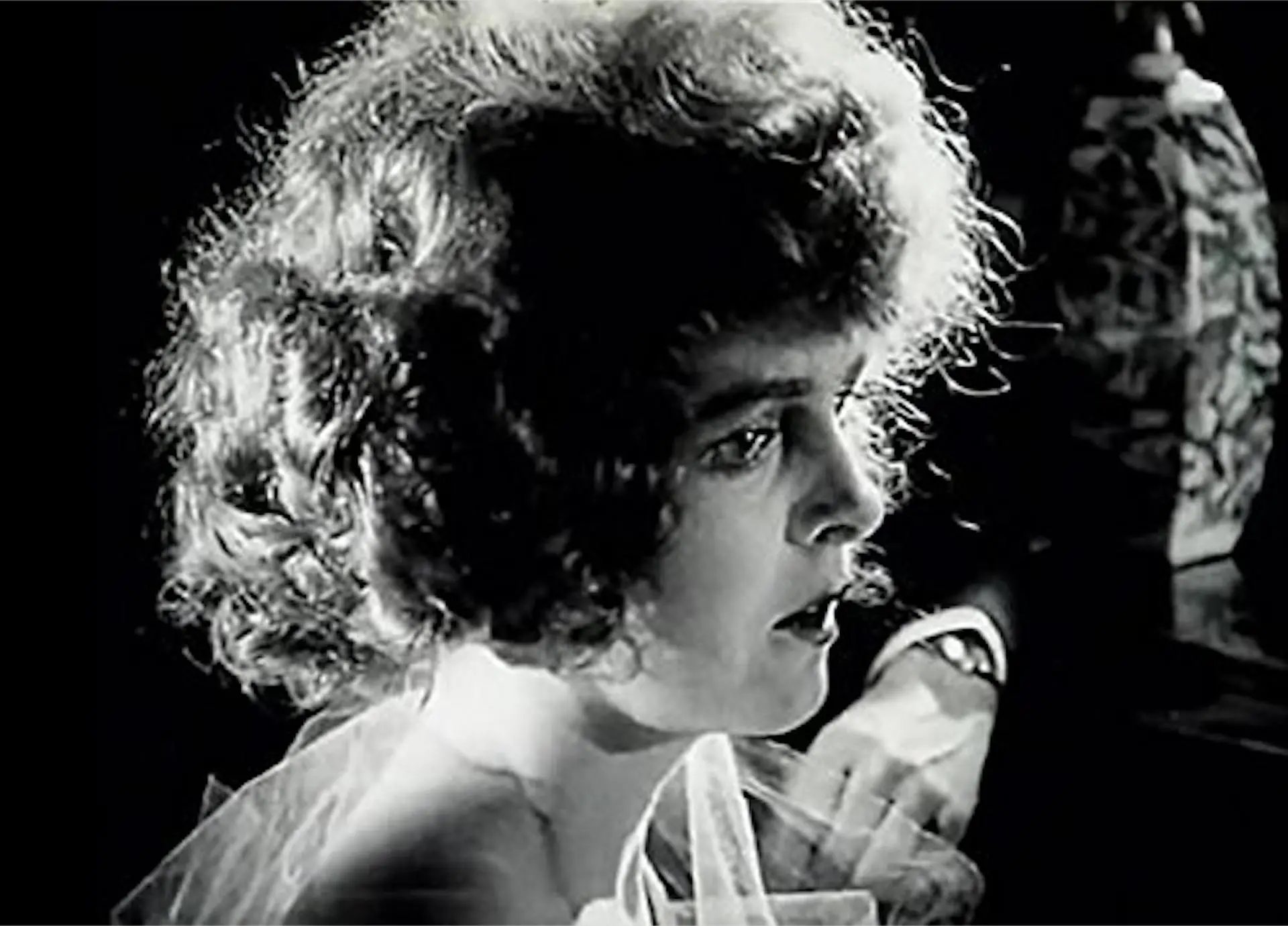
Even seemingly straightforward documentaries like Auckland: The Metropolis of New Zealand or Return to Zion contributed to the cult ethos by bringing the "exotic" and the "other" to audiences who had never traveled beyond their own small towns. For a 1920s viewer, these films were a window into a world that felt as alien as a science fiction landscape. This sense of discovery—of finding a piece of the world that others have overlooked—is exactly what drives the modern cult film collector.
In the mainstream cinema of the early 20th century, the moral lines were usually drawn in stark black and white. However, the films that have endured as cult curiosities often played in the gray areas. The Money Master features John J. Haggleton, an "oil king" whose unscrupulous methods bring him success but destroy his personal life. By centering the story on a protagonist who is fundamentally unlikable, the film challenged the audience to find empathy for a villain—a precursor to the "anti-hero" obsession that would later dominate cult television and film.
Similarly, The Undertow explores the consequences of a man marrying a woman "void of ambition" and her association with questionable characters. The film’s focus on domestic stagnation and the "undertow" of social decay provides a bleak counterpoint to the era's more optimistic narratives. Cult cinema has always been the home for these stories of failure, regret, and the slow erosion of the American Dream.
Why do we return to these films? Why does a film like The Peddler of Lies, with its mystery of a missing diamond during a power failure, still hold a certain magnetism? Perhaps it is because these films represent a time when the rules of cinema were still being written. Every camera angle was a discovery; every narrative twist was a gamble. When we watch Seven Keys to Baldpate, a film about a writer trying to finish a novel in 24 hours in a closed inn, we are seeing a meta-commentary on the creative process itself—a theme that remains a favorite among the cinephile crowd.
The cult movie is not just a film; it is a ritual. It is the act of seeking out the obscure, the forgotten, and the maligned. Whether it is the adventure of Miss Nobody, where a shipwrecked girl grows up as a thief on Devil’s Island, or the romantic tension of The Valley of the Moon, these stories offer a sanctuary for the unconventional. They remind us that cinema is a vast, untamable wilderness, and that the most interesting things are often found far off the beaten path.
As we move further into the digital age, the physical relics of the silent era become even more precious. The scratches on the film, the tinting of the frames, and the frantic energy of the performances all contribute to an aesthetic that feels both ancient and radical. The silent era genre rebels—from the con-men of Get-Rich-Quick Wallingford to the desperate spies of Behind the Lines—were the original architects of the cult mindset. They taught us that cinema doesn't have to be perfect to be powerful; it just has to be honest, even if that honesty is wrapped in a lie.
The next time you find yourself at a midnight screening or scrolling through a boutique Blu-ray catalog, remember that you are participating in a tradition that is over a century old. You are part of the unholy congregation of the overlooked, keeping the spirit of the celluloid outlaw alive for another generation of dreamers, deviants, and devotees.