
Cult Cinema
The Celluloid Outlaw's Creed: Unearthing the Primal Weirdness and Enduring Fervor of Early Cinema’s Misfits
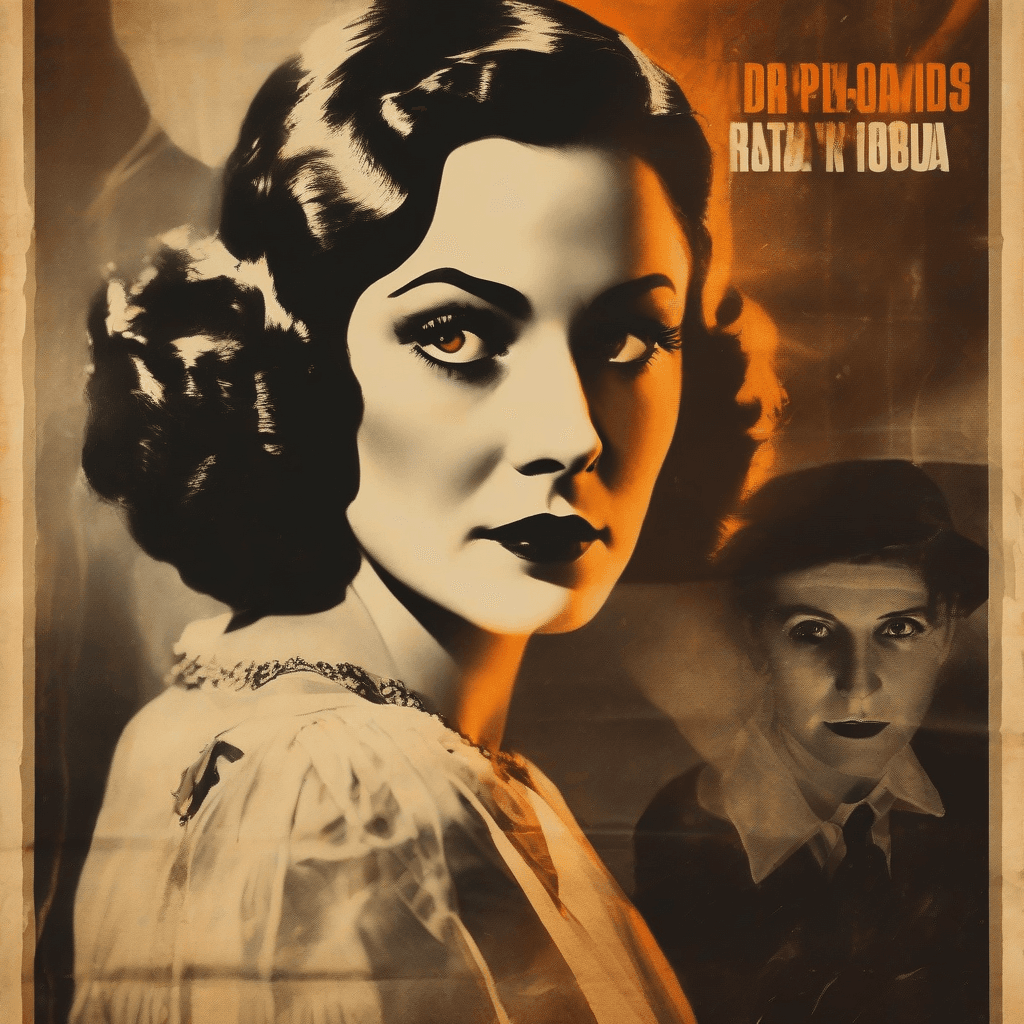
“Explore the forgotten roots of cult cinema through the lens of early 20th-century misfits, moral outcasts, and genre-bending anomalies that paved the way for modern midnight movie worship.”
The history of cinema is often written by the victors—the blockbusters, the Oscar winners, and the sanitized classics that fit neatly into the hallowed halls of academia. But beneath the surface of the mainstream narrative lies a jagged, electric undercurrent: the world of cult cinema. While many associate the term with the midnight movies of the 1970s or the neon-soaked aesthetics of the 1980s, the true genetic markers of the cult phenomenon were forged in the flickering shadows of the early 20th century. This was an era of narrative anarchy, where the rules of storytelling were still being written and often gleefully broken by mavericks and misfits.
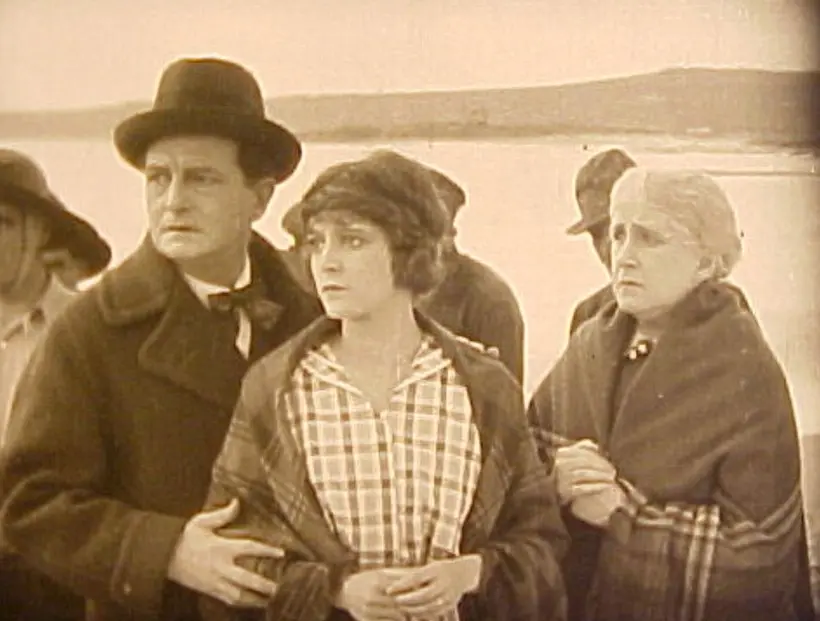
The Architecture of the Outcast: Defining the Early Cult Spirit
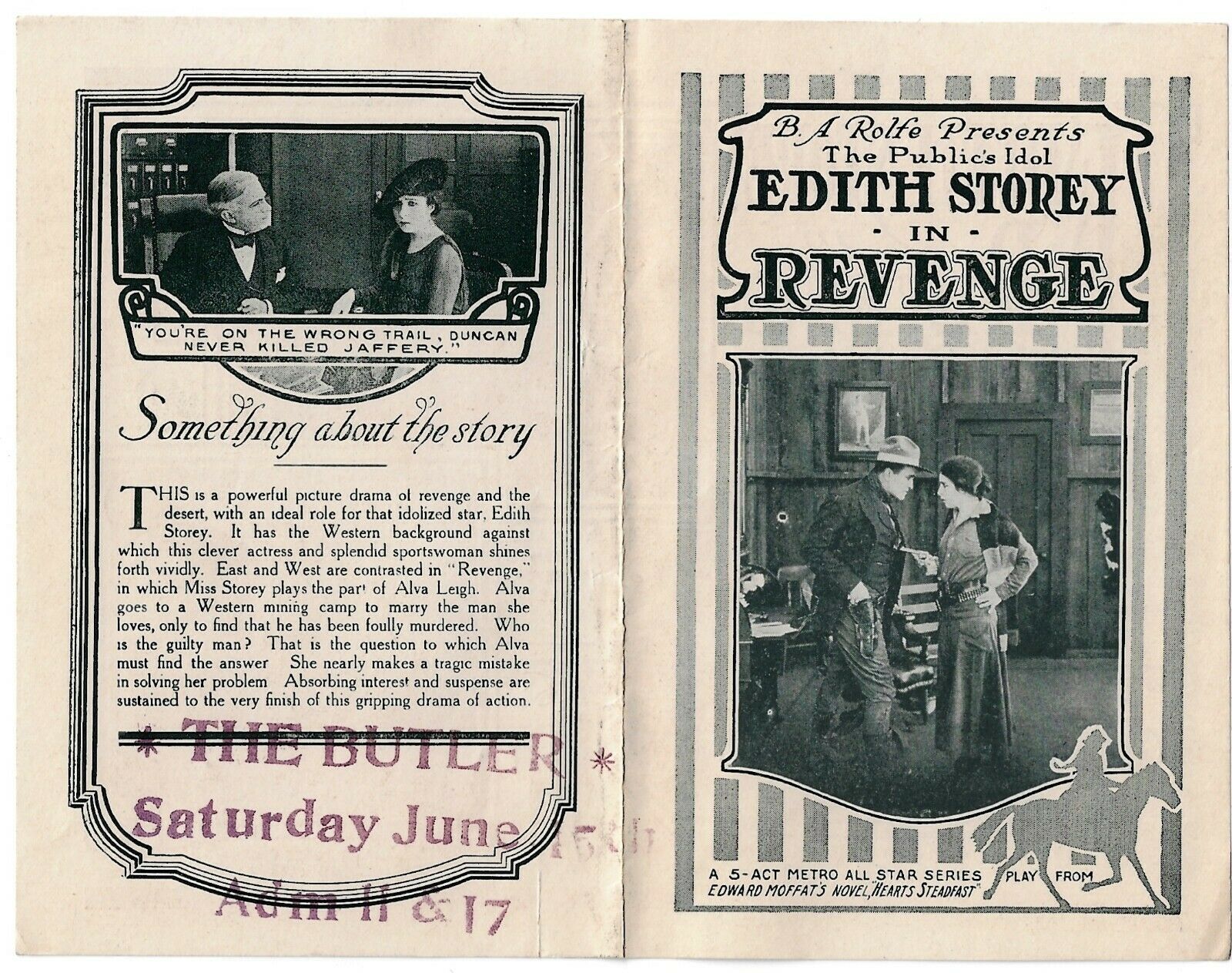
Cult cinema is defined by its ability to inspire a devotion that transcends mere entertainment. It is a cinema of the marginalized, the misunderstood, and the bizarre. In the silent and early sound eras, this spirit was embodied by films that refused to conform to the burgeoning Hollywood moral codes or narrative structures. Consider the 1917 film The Test of Honor. On its surface, it is a drama of revenge, but its core—a man seeking vengeance after being framed—resonates with the primal sense of injustice that fuels many cult masterpieces. It is the story of the individual against a corrupt system, a theme that would later define the anti-heroes of cult classics like Mad Max or Escape from New York.
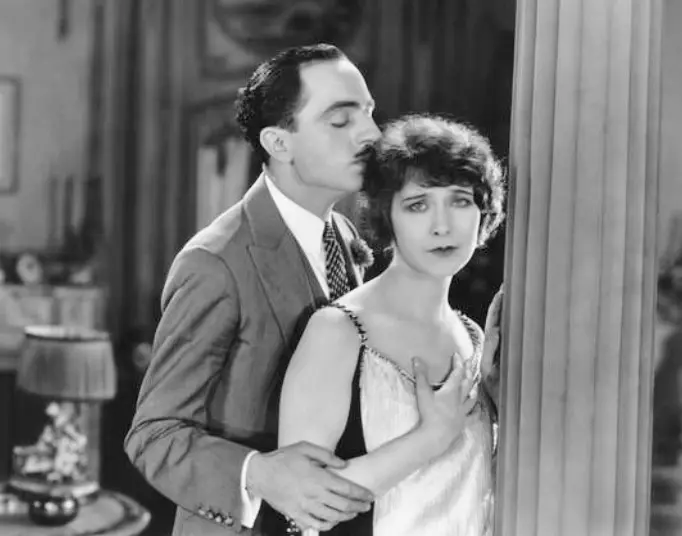
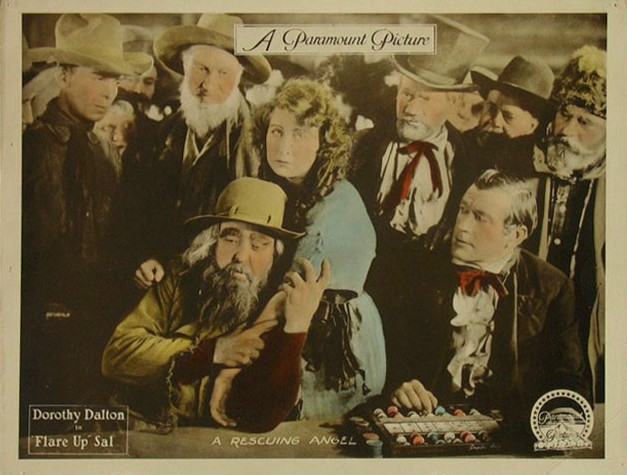
Similarly, Flare-Up Sal (1918) presents us with a heroine who is not a damsel in distress but a force of nature. Her determination to right the wrongs done to her father, letting no one stand in her way, mirrors the fierce independence of the modern cult icon. These early films weren't just stories; they were blueprints for a specific kind of cinematic rebellion. They invited the audience to side with the transgressor, the person who exists on the fringe of polite society.
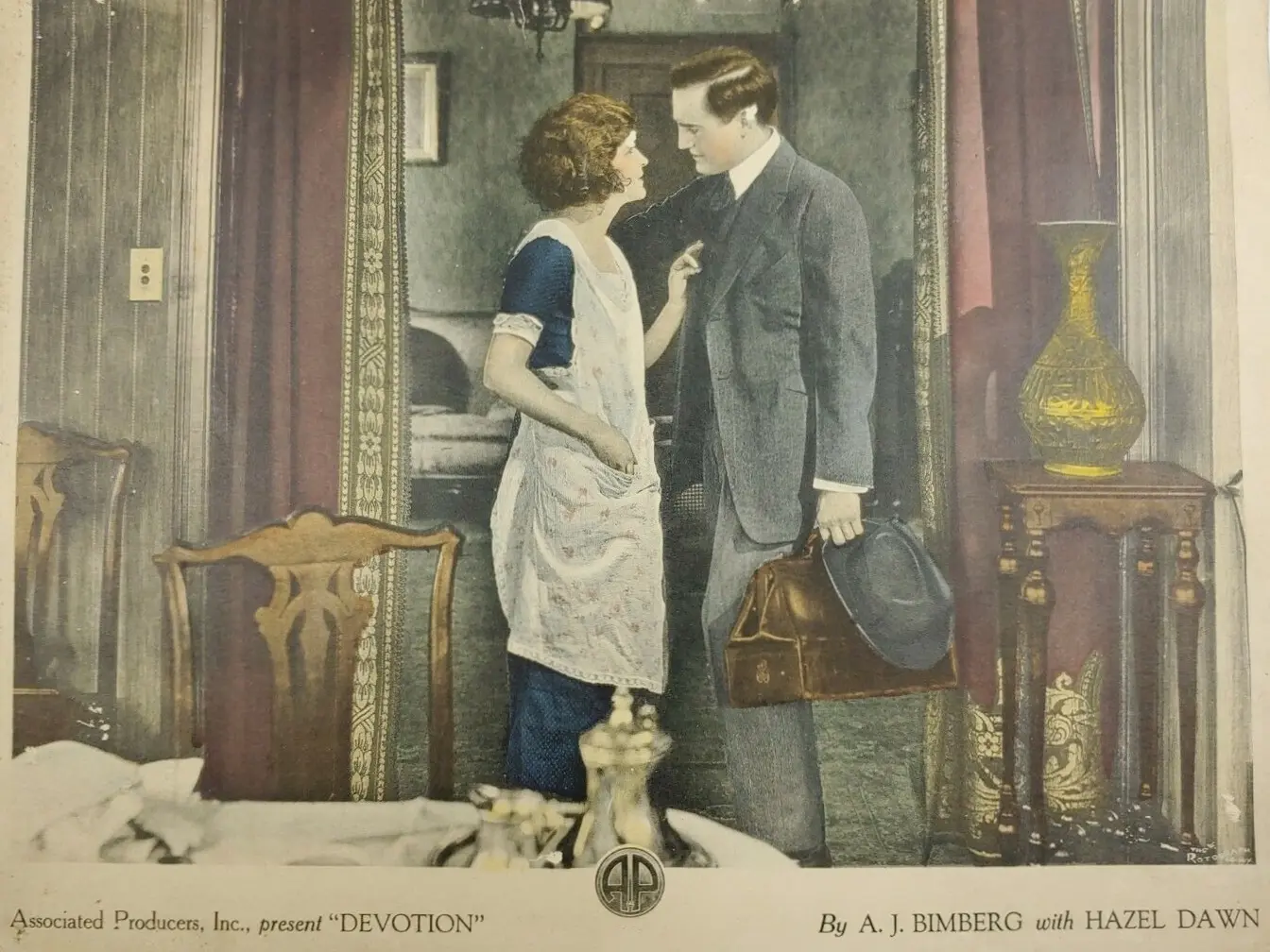
Moral Ambiguity and the Transgressive Lens
One of the hallmarks of cult cinema is its willingness to delve into the murky waters of morality. Early cinema was rife with these explorations, often hidden under the guise of melodrama. Le Scandale (1923) is a perfect example, depicting a woman who leaves her husband for a fling, only to fall into ill repute. The question it poses—will her husband forgive her?—was a radical provocation for its time. It challenged the audience’s preconceived notions of virtue and vice, much like the transgressive works of John Waters or David Lynch would decades later.
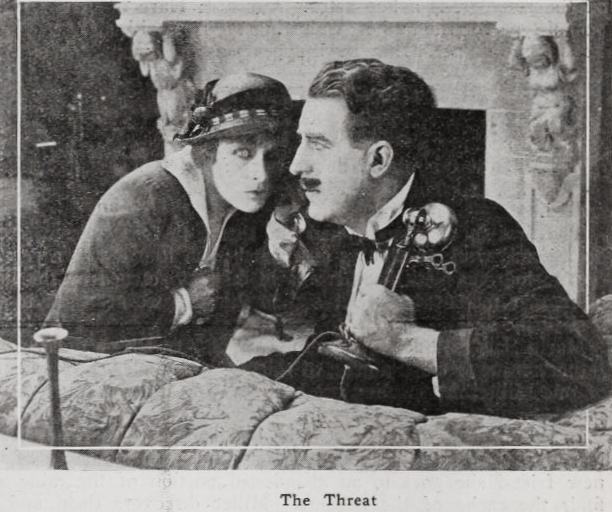
This moral complexity is also found in The Cost of Hatred (1917), a brutal tale of domestic violence and forbidden love. By portraying a "Justice Graves" who is anything but just, the film subverts the very concept of authority. This distrust of the establishment is a recurring motif in cult circles. When we watch these early works, we see the first sparks of a cinematic fire that would eventually consume the traditional boundaries of taste and decency. The "tarnished reputation" became a badge of honor for the cult filmmaker, a sign that they were touching upon truths too raw for the mainstream.
The Weird and the Wonderful: Surrealism in the Silent Era
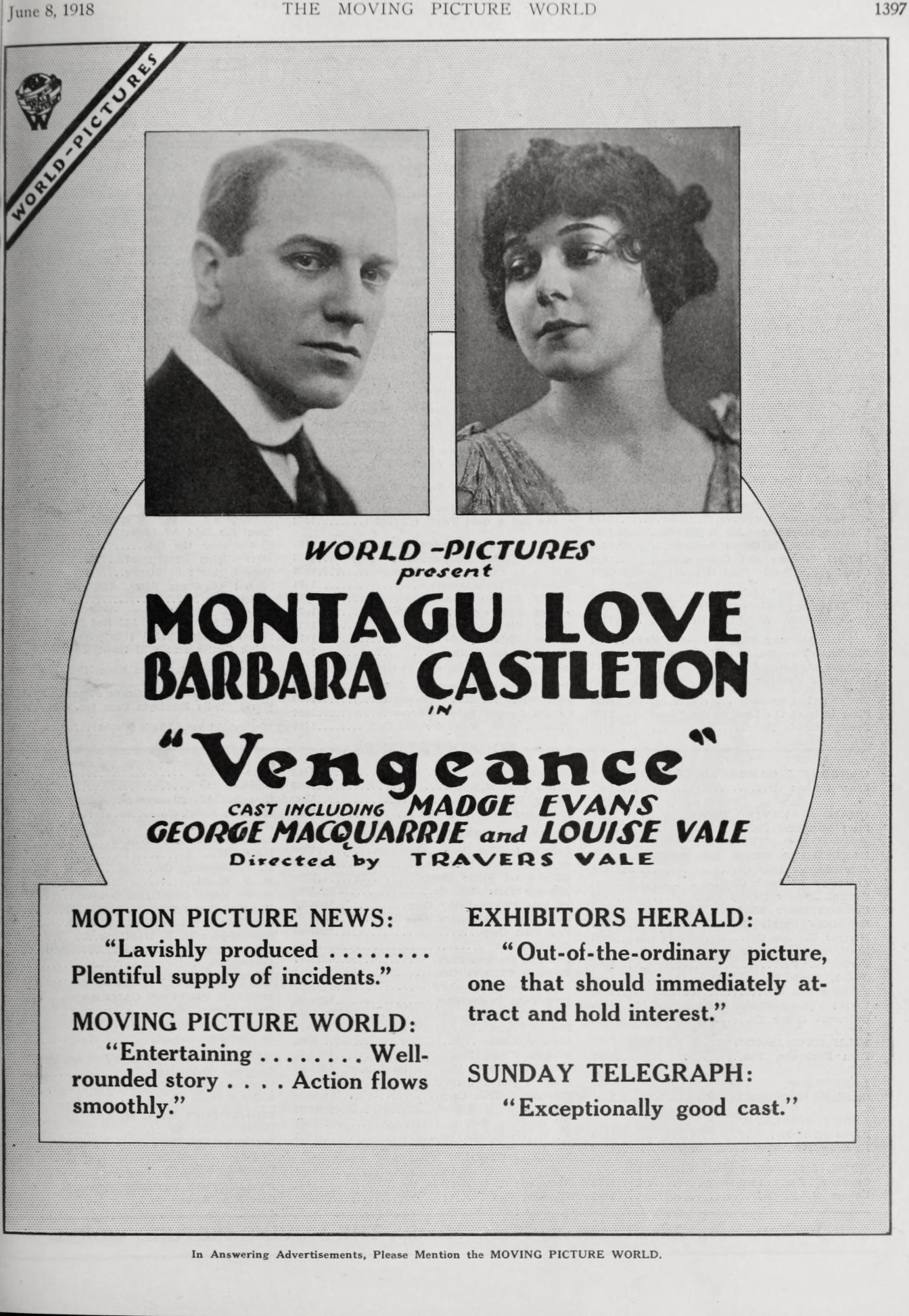
If there is one film from the early era that encapsulates the sheer weirdness necessary for cult status, it is The Good Ship Rock 'n' Rye (1917). The premise alone is a fever dream: a lady named Milt impersonating a sailor, a captain obsessed with baseball who uses an "ebony head" as a target for his games on board. This is pure, unadulterated absurdity. It lacks the polish of a Chaplin or Keaton short, but it possesses a raw, surreal energy that anticipates the work of the Dadaists and later, the underground cinema of the 1960s. It is the kind of film that, if discovered in a dusty attic today, would immediately launch a thousand internet theories.
The uncanny also found a home in the early adaptations of folklore and fairy tales. Tischlein deck dich, Eselein streck dich, Knüppel aus dem Sack (1921) offers a bizarre take on the brothers Grimm, featuring a fat son, a tall son, and an "idiot" son. The visual language of these early European films often leaned into the grotesque, creating a sense of unease that is essential to the cult experience. Even a familiar story like Snow White (1916) takes on a different hue when viewed through the lens of early 20th-century stage-to-screen aesthetics. The wicked queen’s destruction and the dwarves' woodland sanctuary are rendered with a theatricality that feels both ancient and alien.
Genre Mutants and the Birth of the Midnight Mindset
Cult films often thrive in the intersections of genres, creating "mutant" narratives that defy easy categorization. The Lincoln Highwayman (1919) is a fascinating precursor to the road movie and the outlaw thriller. By tracing the evolution of banditry from the horse-drawn road agent to the modern automobile bandit, it captures a world in transition. It is this sense of being "between worlds" that often attracts a cult following. The film doesn't just tell a story; it maps a cultural shift, much like Two-Lane Blacktop or Vanishing Point would do for the counterculture of the 70s.

In the realm of crime and mystery, Partners of the Night (1920) blends the detective procedural with a complex romance between a criminal woman and the man tracking her. This blurring of the lines between hero and villain is a staple of noir, but in its early form, it had a revolutionary edge. It suggested that the world was not black and white, but a series of overlapping shadows. Similarly, In the Python's Den (1917) brings a sense of international adventure and pulp horror to the screen, with its pits of snakes and captive wives—elements that would become the bread and butter of grindhouse cinema decades later.
The Social Misfit as Cinematic Icon
Cult cinema has always been a sanctuary for the social misfit. In the early century, this was often explored through the dichotomy of class and character. Happiness (1917) features Doris Wingate, a girl labeled as the "most snobbish in America" by the press, only to reveal a lovable, lonely soul beneath the surface. This exploration of the "misunderstood" protagonist is a direct ancestor to the quirky, alienated heroes of modern indie cult hits. We see a similar thread in The Gingham Girl (1920), where a country girl with a pet duck is looked down upon by her city relatives until a million-dollar inheritance changes their tune. These films critique the superficiality of society, a sentiment that resonates deeply with the cult audience’s often-cynical worldview.
Even the struggle for survival in the wilderness, as seen in Conceit (1921), plays into the cult fascination with the primal. When a wealthy man of weak character is lost in the woods and sheltered by a "rough woodsman," the film strips away the veneer of civilization. It asks what remains of a man when his status and money are gone. This theme of stripping back the ego is a recurring element in psychological cult films, from Fight Club to The Lighthouse.
War, History, and the Spectacle of the Real
While we often think of cult films as being fantastical, there is a significant wing of cult devotion dedicated to the hyper-real and the historical anomaly. Hearts of the World (1918) and Heroic France (1917) brought the visceral reality of the Great War to audiences who were still processing the trauma of the conflict. These weren't just movies; they were communal experiences of grief and resilience. The cult-like devotion to historical accuracy or the "spectacle of the real" can be traced back to these early efforts to capture the uncapturable.
Even a public service short like The Making of an American (1920) or a historical biopic like Florence Nightingale (1915) carries a certain cult weight today. They serve as time capsules of a vanished world, their very existence a defiance of the passage of time. For the film historian and the cult enthusiast alike, these reels are more than just information; they are sacred artifacts of a lost era of human expression.
The Legacy of the Early Misfits
Why do we continue to return to these silent reels and forgotten dramas? It is because they possess a raw honesty that is often missing from the polished products of the modern studio system. Films like Witchcraft (1916), which explored the "horrible delusion" of the New England persecutions, didn't have the benefit of CGI or jump scares. They had to rely on atmosphere, shadows, and the inherent darkness of the human heart. This reliance on mood over mechanics is the hallmark of the great cult director.
Whether it is the comedic absurdity of Heroic Ambrose (1916) or the tragic weight of A Broken Doll (1921), these films remind us that cinema has always been a medium of the extreme. The early pioneers were not just making movies; they were conducting experiments in human emotion and visual storytelling. They were the original outlaws, operating in a frontier where the only limit was their own imagination. As we look back at the 50 films that shaped this landscape—from the python pits of India to the mining camps of Alaska in The Brand (1919)—we see the foundation of everything we love about cult cinema today.
The cult movie is not an accident of history; it is a deliberate choice to look away from the center and toward the margins. It is a commitment to the weird, the difficult, and the transgressive. By unearthing the primal weirdness of the early 20th century, we don't just learn about the past; we find the keys to our own enduring obsession with the celluloid fringe. The fire that was lit by the likes of The Chalice of Sorrow (1916) and The Turn of the Wheel (1918) continues to burn in the hearts of every film lover who seeks out the strange and the beautiful in the dark of the theater.
Community
Comments
Log in to comment.
Loading comments…