
Cult Cinema
The Celluloid Renegade: Decoding the Primal Transgressions and Subversive Soul of Early Cinema’s Genre Outcasts
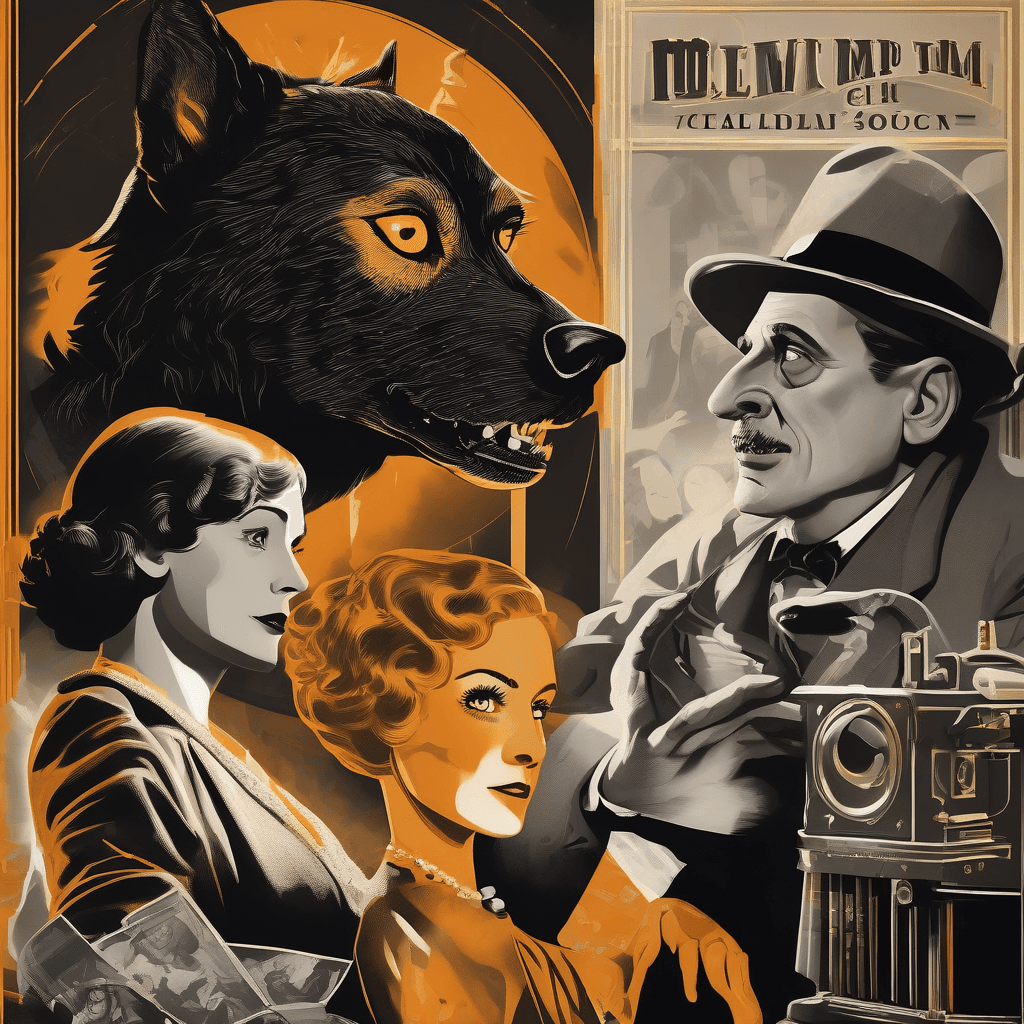
“Journey into the forgotten foundations of cult cinema to discover how early 20th-century anomalies and moral misfits forged the transgressive DNA of the midnight movie.”
To understand the modern cult phenomenon, one must look beyond the neon-soaked midnight screenings of the 1970s and peer into the flickering shadows of the silent era. Long before the term 'cult film' entered the cultural lexicon, there existed a subterranean world of cinematic anomalies—films that dared to explore the fringes of morality, the depths of the human psyche, and the radical boundaries of genre. These were the celluloid renegades, the early outliers that prioritized visceral impact and thematic subversion over mainstream acceptance. By examining the works produced between 1910 and 1920, we find the genetic blueprint for every obsessive fandom and transgressive masterpiece that followed.
The Architecture of Moral Anarchy: Social Transgressions and Early Noir
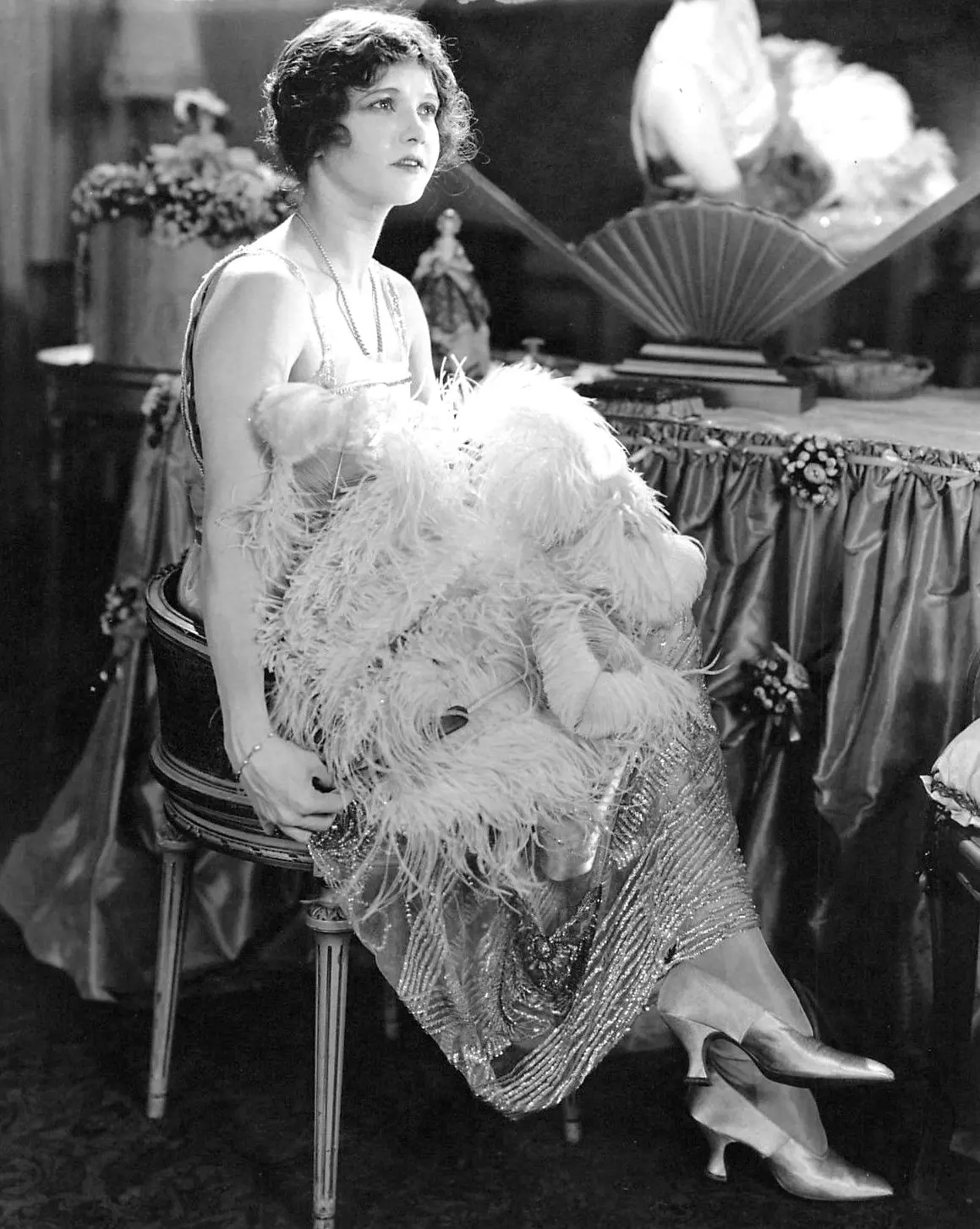
The roots of cult cinema are deeply intertwined with social provocation. In an era of strict censorship and burgeoning moral codes, certain films acted as lightning rods for controversy. Take, for instance, the 1913 landmark Traffic in Souls. By exposing the gritty underbelly of prostitution and human trafficking with the help of a police-officer sweetheart, it shattered the polite veneer of Edwardian society. This film didn't just tell a story; it functioned as a social intervention, a trait that would become a hallmark of cult classics like Pink Flamingos or A Clockwork Orange.
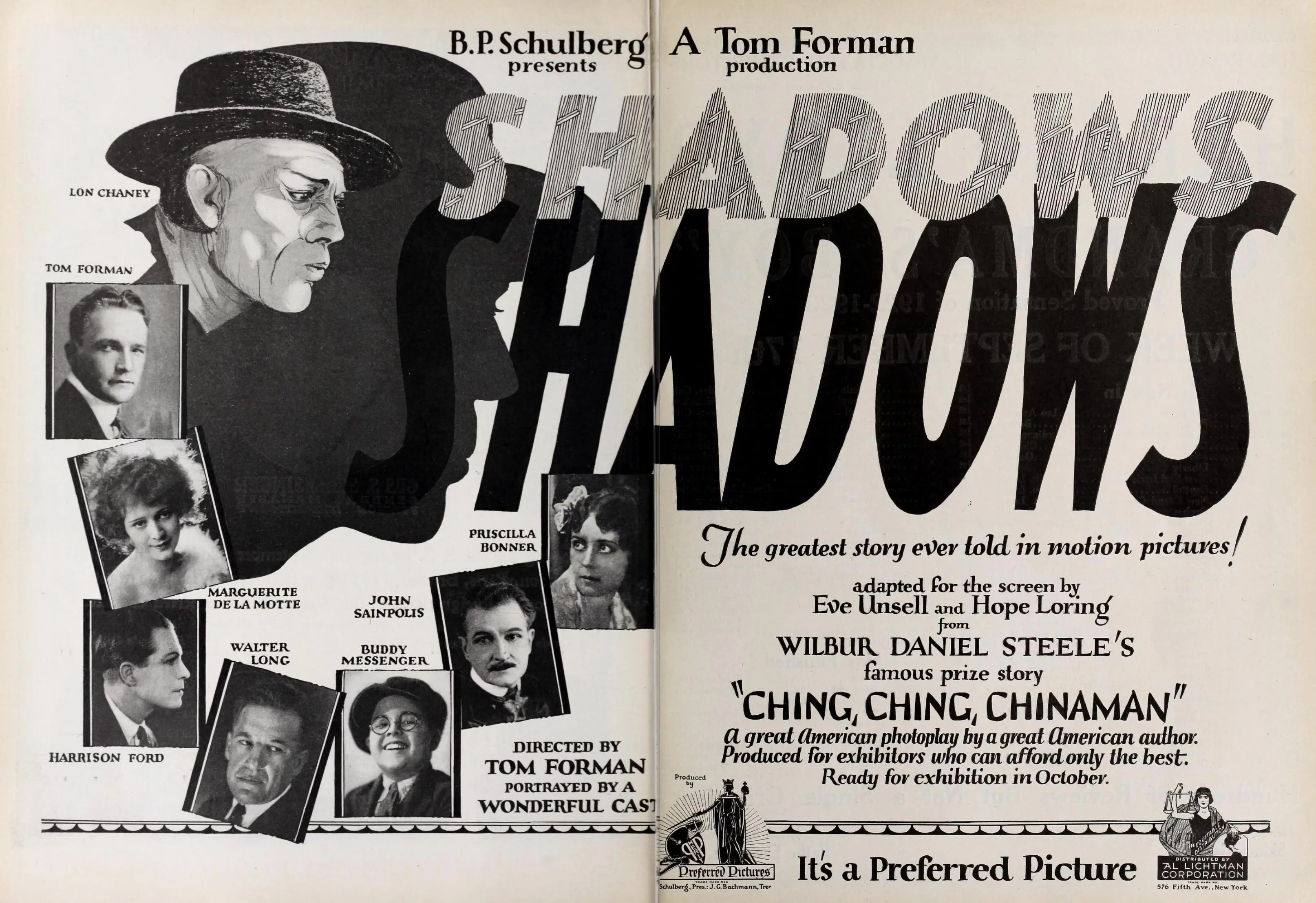
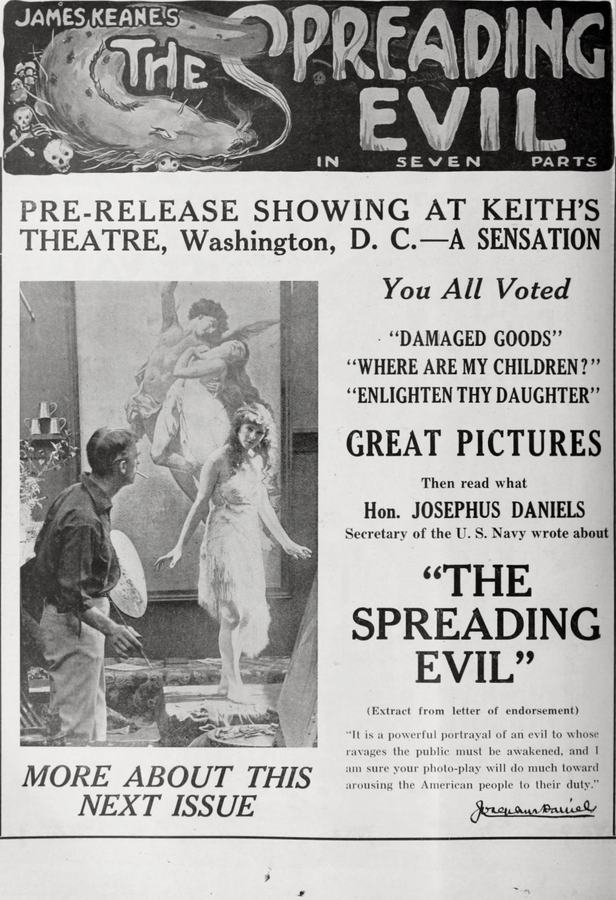
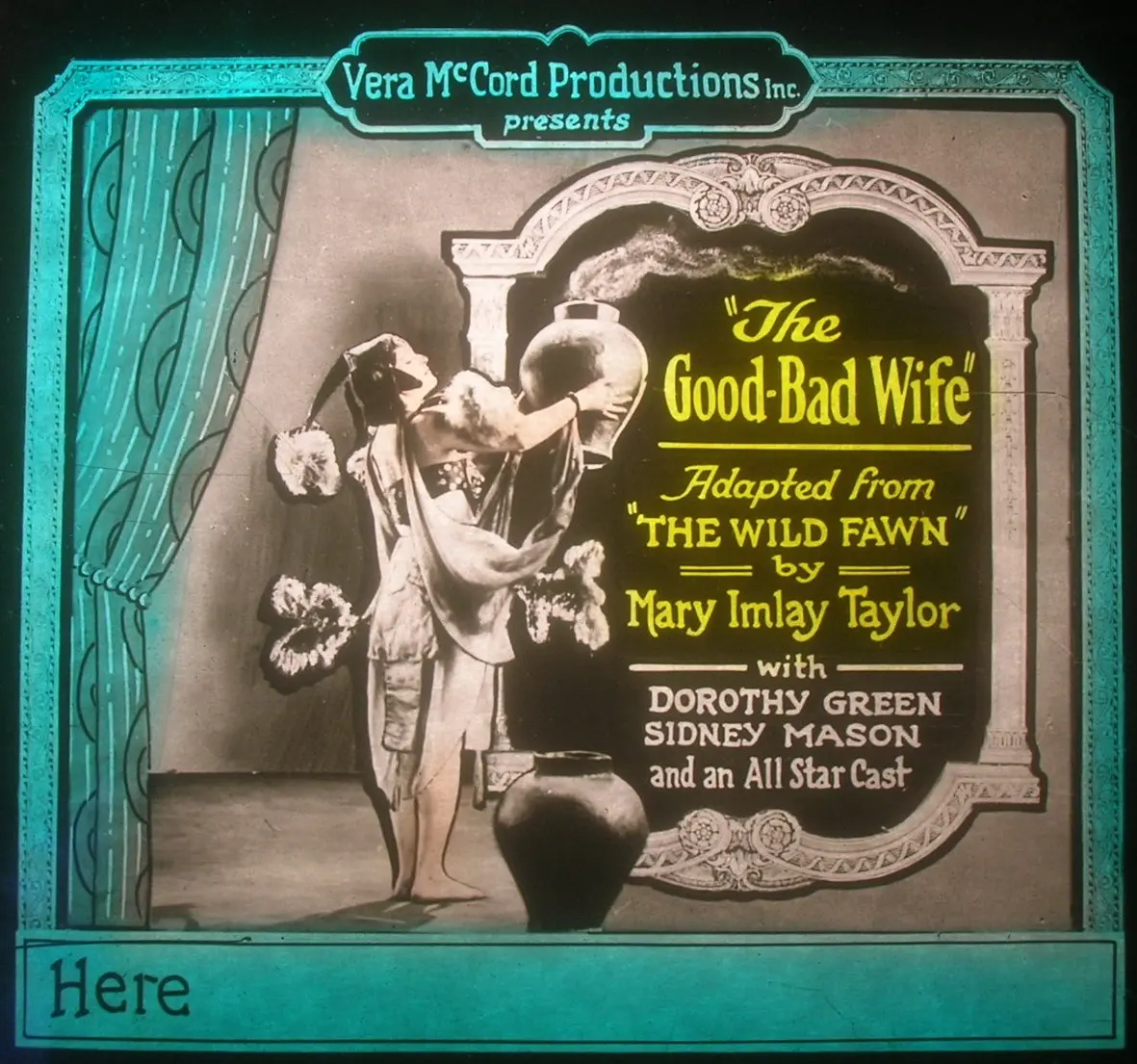
Similarly, The Spreading Evil (1918) tackled the then-taboo subject of syphilis research. In chronicling Dr. John Carey’s quest for a cure funded by a philanthropist, the film ventured into the 'medical grotesque,' a subgenre that would later evolve into the body horror of David Cronenberg. These films were not merely entertainment; they were narrative experiments in what an audience could endure. The tension between the 'good' and the 'bad' was further blurred in The Good-Bad Wife (1920), where a music-hall dancer from Paris disrupts the rigid Virginian social order, proving that the 'femme fatale' archetype was already a potent force in the cinematic subconscious.
The Psychological Other: Brain Dissections and Identity Crisis
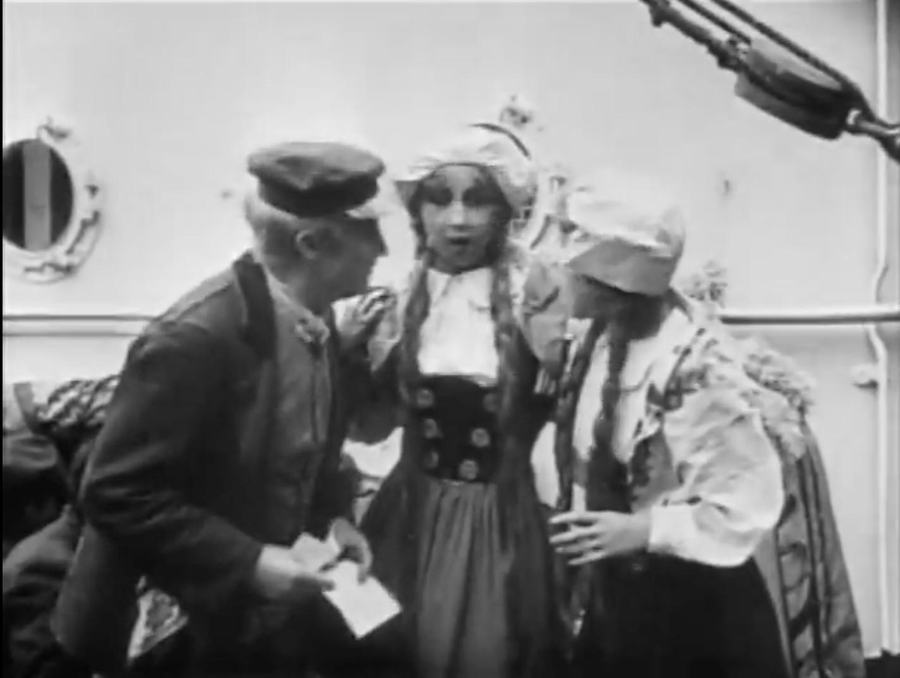
If cult cinema is defined by its obsession with the 'strange,' then the silent era provided the ultimate sandbox for psychological horror. The Lurking Peril (1919) remains one of the most fascinating examples of proto-cult weirdness. The plot—revolving around a man named Donald Britt who, due to financial hardship, sells the rights to his 'unusual brain' for post-mortem dissection to a diabolical professor—is pure pulp genius. It captures the existential dread of the early 20th century, where science and madness were often indistinguishable.
The Mirror and the Mask: The Theme of the Double
The concept of the 'doppelgänger' or the 'split self' is a recurring motif in cult lore. In The City of Failing Light (1916), we see the classic 'Prince and the Pauper' trope inverted through the lens of industrial strife, as David Gray takes his brother’s place during a factory strike. This exploration of identity is echoed in The Price of Fame (1916), where twins—one a success, the other a failure—become a metaphor for the duality of the human condition. These films tapped into a primal fear: that our identity is a fragile mask, easily stolen or discarded. This thematic dissonance is exactly what draws cult audiences to films that challenge the stability of the self.
Wilderness and the Outcast: The Primal Call of the Fringe
Cult cinema often celebrates the 'outsider,' the figure who exists on the periphery of civilization. This archetype was forged in the early Westerns and adventure films that treated the wilderness as a character in its own right. The Silent Call (1921) presents a fascinating case study. Flash, a dog who is part wolf, is falsely accused of 'sheepicide' and sentenced to death. His escape into the mountains and his struggle for survival represent the ultimate cult narrative: the misunderstood creature fighting against an unjust system. This primal rebellion resonates through the decades, from King Kong to The Iron Giant.
The representation of indigenous cultures also found a unique, albeit complex, home in the early fringe. The Daughter of Dawn (1920), featuring an all-Native American cast, offered a vision of Kiowa and Comanche life that stood in stark contrast to the caricatures found in mainstream Hollywood. By centering on a love triangle and tribal conflict, it provided a rare, authentic glimpse into a world that the 'civilized' audience viewed as the 'other.' Today, such films are prized by historians and cult enthusiasts alike for their cultural defiance and visual honesty.
The Unruly Woman and the Mountain Man
In The Girl Who Ran Wild (1922), M’liss is an unruly tomboy raised in the mountains, a character who defies the traditional gender roles of the early 20th century. Her refusal to conform to societal expectations makes her a spiritual ancestor to the 'rebel girls' of punk cinema. Similarly, A Man's Law (1919) explores the rough, unrefined life of mountaineers, where Jim Vance and Jules La Clerc live by a code that the urban world cannot comprehend. This geographic isolation mirrors the isolation of the cult fan, who often feels like a 'mountaineer' in a world of 'flatlanders.'
Genre Alchemy: From Mystery Writers to Alchemists
One of the most defining characteristics of cult cinema is its willingness to blend genres into something unrecognizable. The Conspiracy (1914) features Winthrop Clavering, a mystery writer who decides to solve a real-world murder because he is ridiculed for his fiction. This meta-narrative—a story about storytelling—is a sophisticated precursor to the self-referential cult films of the 1990s. It breaks the 'fourth wall' of expectations, inviting the audience to participate in the deconstruction of the genre itself.
Then there is the literal alchemy of Bluff (1916), where a janitor named Louie attempts to manufacture gold from 'baser metals.' This pursuit of the impossible is a perfect metaphor for the cult filmmaker: the artist who takes the 'base metals' of a low budget or a strange premise and attempts to transform it into cinematic gold. Whether it is the 'beauty institution' run by a stranded troupe of players in Good Morning, Nurse (1917) or the role-swapping antics of Skomakarprinsen (1912), early cinema was obsessed with transformation and the subversion of status.
The Supernatural and the Erotic: The Birth of the Cult Gaze
No discussion of cult cinema is complete without the 'femme fatale' and the supernatural. The 1920 film Vampire (not to be confused with Dreyer's later work) features a female motorist who bewitches men at an Adirondack resort. She is a 'vampire' not in the literal sense of drinking blood, but in the metaphorical sense of consuming the male psyche. This eroticized danger is a cornerstone of the cult aesthetic, merging desire with dread. In La luz, tríptico de la vida moderna (1917), the 'femme fatale' returns in a three-part love story that ends in 'Sunset' (Ocaso), highlighting the transient and often destructive nature of modern romance.
Even the industrial world was given a soul in The Soul of Bronze (1918), a film that personified the machinery of war and engineering. By imbuing inanimate objects with emotional weight, early filmmakers were experimenting with visual animism, a technique that would later define the surrealist cult movements. These films asked the audience to see the world differently—to find the 'soul' in the bronze and the 'vampire' in the socialite.
The Legacy of the Forgotten: Why These Misfits Matter
Why do we still talk about The Ants and the Grasshopper (1918) or the trials of a motorcycle cop in You're Pinched (1919)? Because these films represent the unfiltered id of early cinema. They were made before the industry became a monolith of focus groups and predictable formulas. They were messy, daring, and often bizarre. When we watch The Stolen Paradise (1917), where a man is blinded while rescuing the woman he loves only to be deceived by her, we are seeing the raw melodrama that would eventually evolve into the 'camp' sensibility.
The cult of the 'unseen' is built on these foundations. Each film, from the royal progress in The Kineto Coronation Series to the romantic smuggling of Over the Border (1922), contributed a thread to the tapestry of the unconventional. They taught us that cinema could be a place for the gypsy (The Life Line), the orphan (A Man's Law), and the 'little fraid lady' (The Little 'Fraid Lady) who shuns society to paint in the forest.
In conclusion, the cult movie soul is not a modern invention but an ancestral inheritance. It is the spirit of the shoemaker who would be prince, the wolf-dog who would be free, and the scientist who would dissect the unusual brain. By honoring these early genre rebels, we recognize that the 'midnight mindset' has always been with us, flickering in the dark, waiting for a congregation of misfits to call it home. The journey from the fringe to the pantheon is long, but it is paved with the rebellious, transgressive, and utterly unforgettable reels of cinema’s first renegade wave.
Community
Comments
Log in to comment.
Loading comments…