
Cult Cinema
The Celluloid Séance: Decoding the Primeval Roots of Midnight Devotion in the Silent Era's Hidden Masterpieces
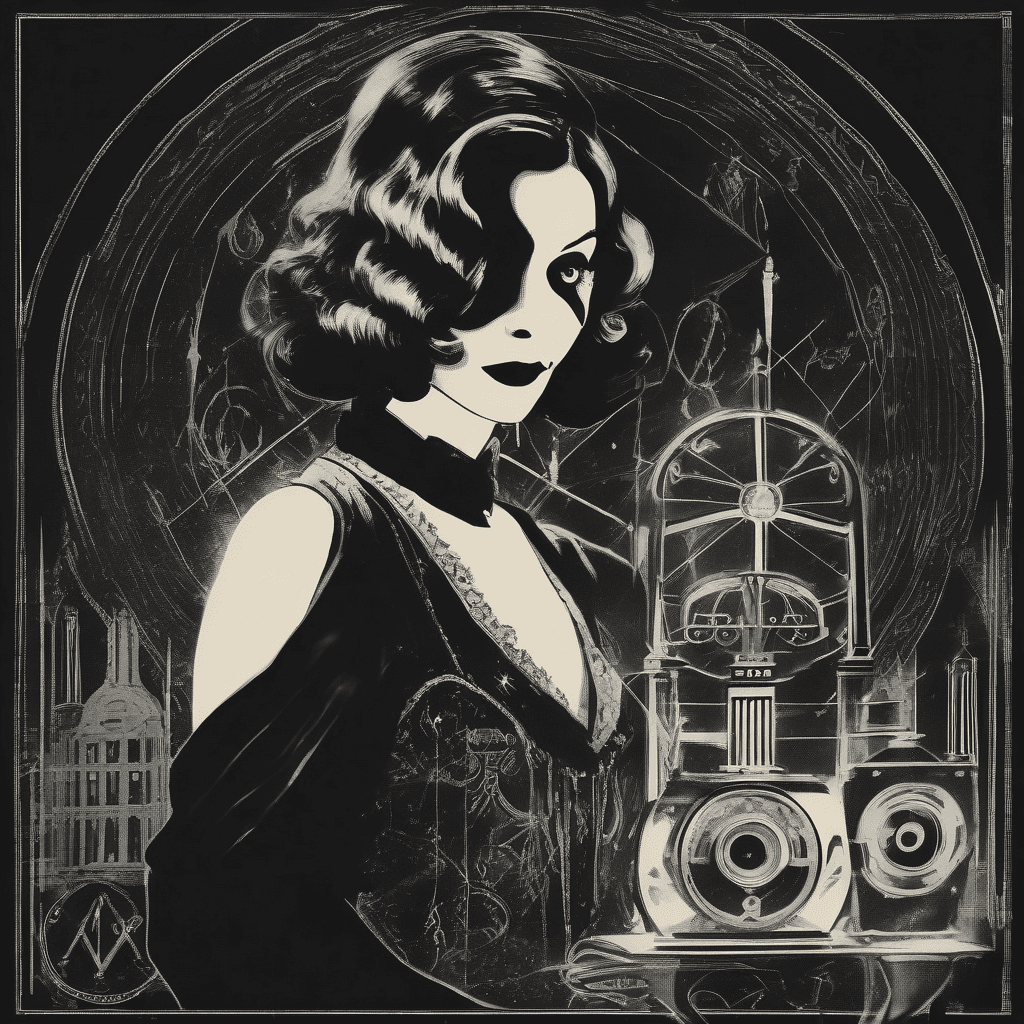
“A deep dive into the 1910s and 20s precursors to cult cinema, exploring how silent-era transgressions and genre-bending narratives forged the blueprint for modern midnight movie devotion.”
Cult cinema, as we understand it today, is a ritualistic communion of the marginalized. It is an aesthetic of the fringe, a devotion to the strange, and a rejection of the safe, sanitized narratives of the mainstream. While the term "midnight movie" often conjures images of the 1970s counter-culture, the true genetic code of the cult film was written much earlier, in the flickering nitrate of the 1910s and 1920s. To understand the modern obsession with the weird and the transgressive, we must perform a celluloid séance, summoning the spirits of silent-era outliers that dared to explore the darker, more eccentric corners of the human experience.
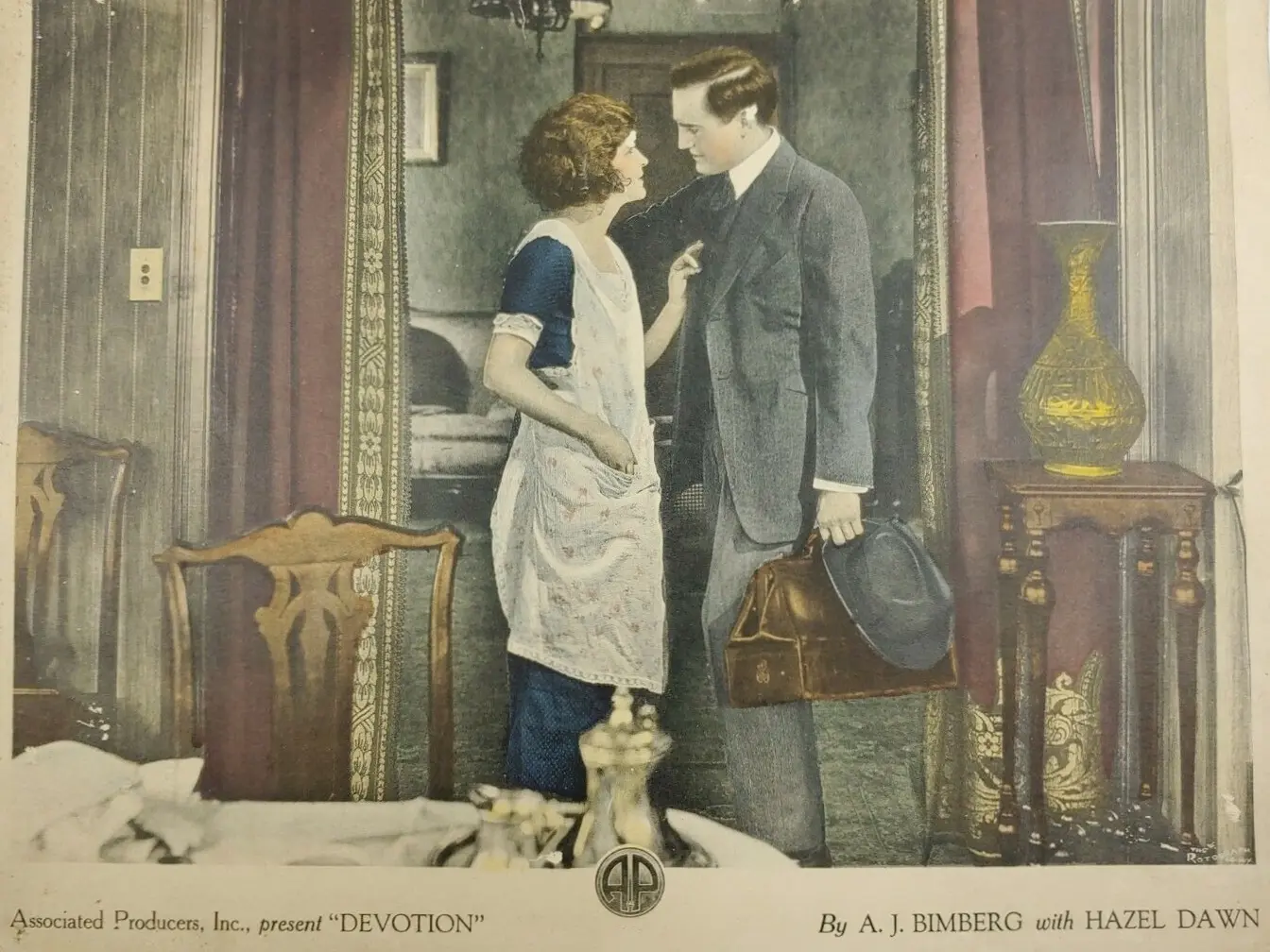
The Genesis of the Weird: Reincarnation and Mythological Transgression
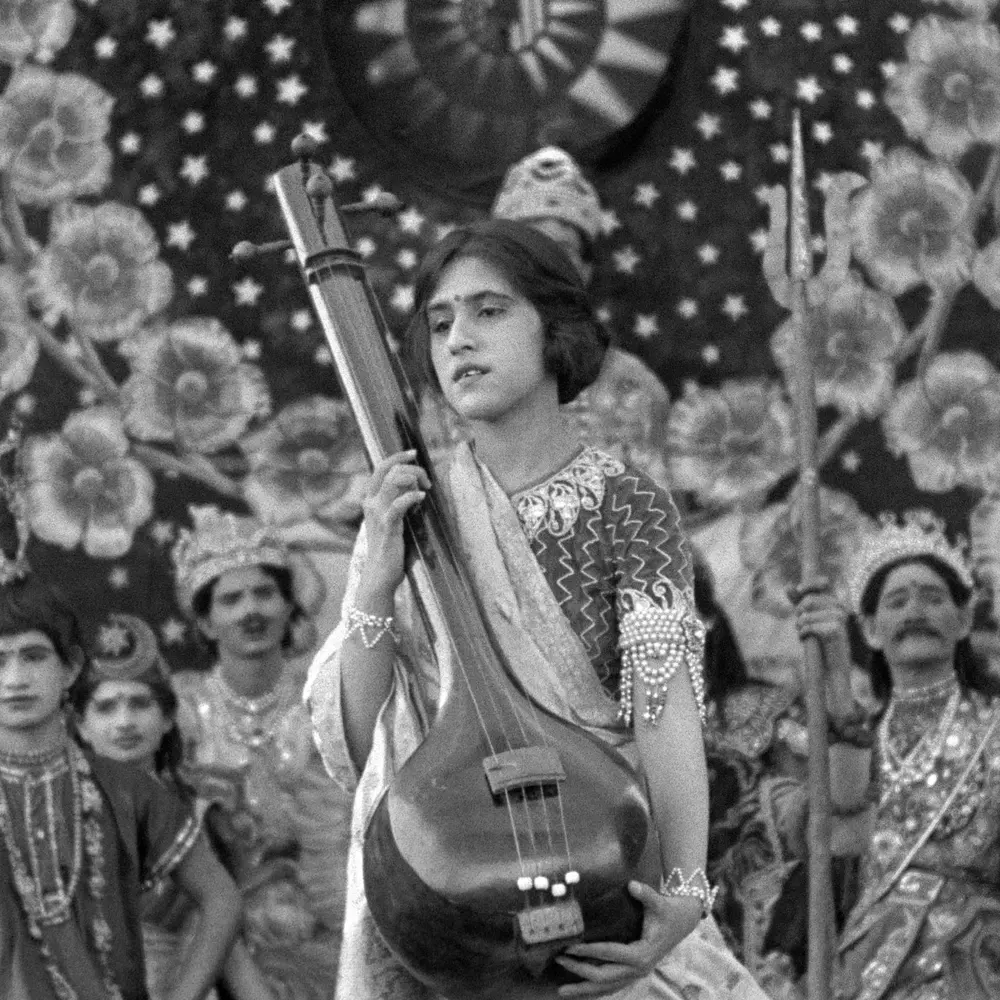
Long before the psychedelic cinema of the 1960s, silent filmmakers were already experimenting with themes of the occult and the metaphysical. Take, for instance, The Soul's Cycle. Rooted in ancient philosophies of reincarnation and the transmigration of the soul, this film challenged the linear, Judeo-Christian narratives of its time. It suggested a world where the past never truly dies, a theme that remains a cornerstone of cult horror and fantasy today. This same sense of mythological gravity is found in the 1921 film Behula, where the merchant Chand Sadagar’s rejection of the goddess Manasa leads to a tragic, supernatural curse upon his son. These films weren't just stories; they were atmospheric experiences that invited the viewer into a realm of divine punishment and cosmic irony.
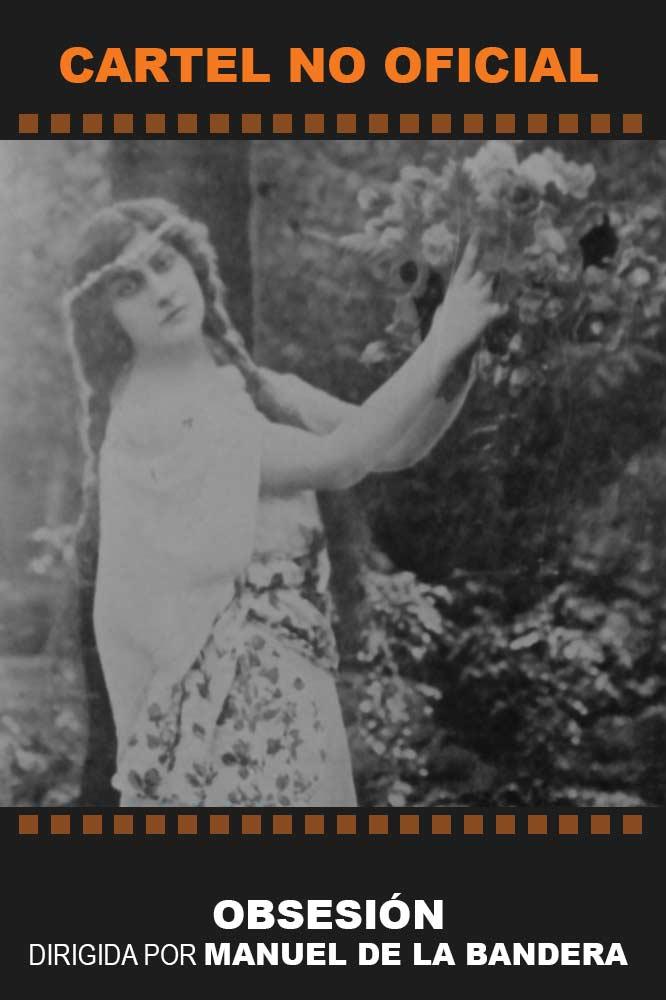
The allure of the "other" was also captured in The Captive God (1916). By telling the story of a Spanish boy cast onto the shores of Mexico and raised by the Aztecs, the film engaged in a primitive form of genre-bending—combining historical epic with a proto-fantasy aesthetic. It presented a world that was alien to its contemporary audience, fostering the same kind of niche fascination that modern cinephiles feel for world-building and lore-heavy cinema.
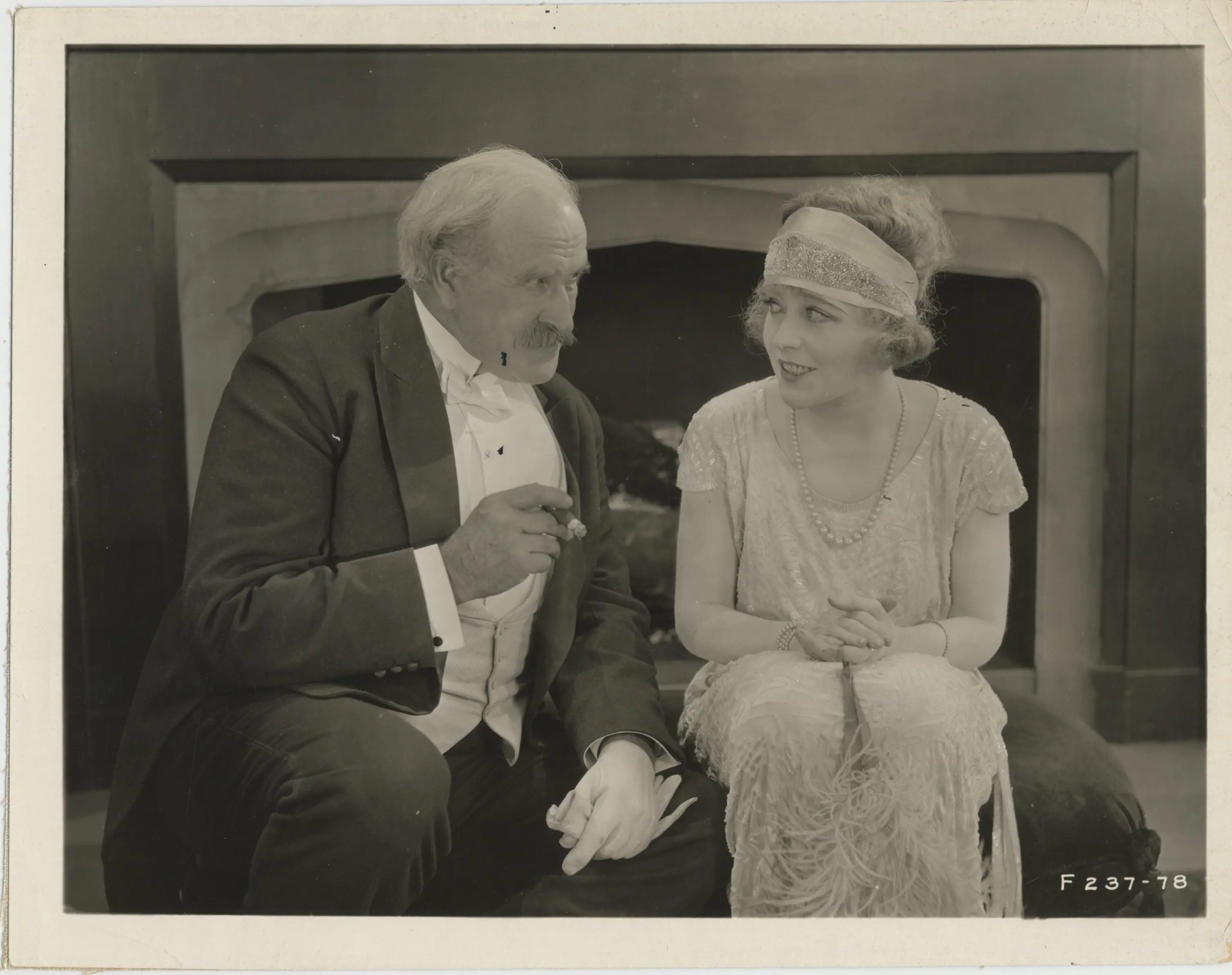
The Moral Outlaw and the Birth of Transgressive Drama
If cult cinema is defined by its rebellion against societal norms, then the silent era provided the ultimate blueprints for the moral outlaw. In Lahoma (1920), we see the archetype of the kindhearted outlaw, Brick Willock, who kills to protect an innocent girl. This subversion of the "hero" role—making a murderer the moral center of the film—is a precursor to the anti-heroes of the 1970s. Similarly, Gun Law explores the tension between duty and personal loyalty, as a government detective falls for the sister of the very criminal he is hunting, the Cisco Kid. These narratives of conflicted morality paved the way for the complex, gray-area character studies that define the cult canon.
Perhaps the most striking example of early transgression is Purity (1916). Centered on an idealistic poet writing about "Virtue," the film became a lightning rod for controversy due to its allegorical nudity. It represented the first major clash between artistic expression and the censorship that would later define the underground film movement. The cult film has always thrived on the "forbidden," and Purity was the original forbidden fruit of the silver screen.
Scandal, Divorce, and the Domestic Noir
The seeds of film noir and the psychological thriller were also sown in this era. The Woman in Room 13 (1920) is a masterclass in early suspense, featuring a police commissioner's wife who vows divorce after discovering her husband's drunken revelry. It dealt with themes of betrayal and domestic collapse with a grit that was rare for its time. This was echoed in The Devil's Passkey, where the wife of an American playwright in Paris finds herself ensnared by a seductive Army officer. These films explored the fragility of the social contract, a recurring theme in the cult of the "melo-noir."
Genre Mutations: From Satire to Surrealism
Cult cinema often thrives on the absurd, and the silent era was no stranger to the surreal. Mongrels (1920) is a fascinating historical anomaly—a skit on the Great War using a French poodle and a German dachshund to represent national powers. This use of animal allegory to comment on human tragedy is a precursor to the biting political satires of later decades. On the other end of the spectrum, Just Dropped In (1919) features a runaway airplane landing on a native island, a plot so whimsical and detached from reality that it prefigures the "zany" cult comedies of the 1980s.
Even the more "standard" adventures of the time had a touch of the bizarre. Captain Kidd, Jr. (1919) involves a treasure map accidentally sold to a bookstore, leading to a hunt that blends romance with the macabre legacy of piracy. These films were building a vocabulary of the unexpected. They taught audiences to look for the hidden treasure in the mundane, a skill that every cult film fan possesses.
The Darker Side of Ambition
The price of power was a frequent obsession. In The Price of Tyranny, the ungovernable temper of a mill owner leads to a familial rift, while The Governor's Lady (1915) depicts the tragic gap between a man's ambition and his wife's simple needs. These stories of social climbing and moral decay are seen again in A Song of Sixpence, where a young woman’s obsession with luxury leads to a hollow life. These films served as cautionary tales for a society in flux, but for the modern viewer, they are fascinating studies in the grotesquerie of ambition.
Global Shadows: The International Roots of the Fringe
Cult cinema is a global phenomenon, and the 1910s saw the rise of unique cinematic voices across the world. In Russia, Jamshhik, ne goni loshadej (1916) captured a melancholic, provincial landowner’s realization of the futility of love, a stark contrast to the often-optimistic American productions. Meanwhile, Zhenshchina, kotoraya izobrela lyubov (1918) explored the dark power of seduction and lies, ending in a cynical betrayal that feels remarkably modern. These films brought a different texture to the screen—one of existential dread and moral ambiguity.
In Australia, films like Australia's Peril (1917) and the legendary The Life Story of John Lee, or The Man They Could Not Hang (1912) tapped into national anxieties and folk legends. The story of John Lee, a man who survived three attempts at the gallows, is the quintessential "cult" story—a tale of a man who defies death through a glitch in the system. It is the ultimate narrative of the invincible underdog, a theme that resonates deeply within the cult community.
The Aesthetic of the Outcast: Identity and Rebellion
The concept of "the other" is central to the cult experience. Fan Fan (1918), with its story of a Japanese emperor's son defying his father to marry for love, and A Daughter of the Old South (1918), where a woman rejects her grandmother's choice of a wealthy Spaniard for a novelist of her own choosing, represent the early cinematic struggle for personal identity. These characters are the spiritual ancestors of every cult film protagonist who refuses to fit into the box society has built for them.
Even the comedies of the era had a subversive edge. Neighbors (1920) used the physical comedy of tenement life to highlight the absurdity of feuding families, while Cupid's Day Off (1919) turned a respectable shoe store into a site of chaotic, fashionable footwear-fueled mayhem. These films understood that the world is inherently ridiculous, and that the only way to survive is to embrace the anarchy of the moment.
The Propaganda of the Strange
We cannot ignore the role of the era's propaganda in shaping the cult gaze. The German Curse in Russia (1918) and Berlin Via America (1918) are relics of a time of intense global conflict. While they were intended as political tools, they now exist as strange, hyper-stylized artifacts of national paranoia. They show us how cinema can be used to construct a "villain," a technique that would later be subverted by cult directors to turn the "villain" into the hero.
Conclusion: The Eternal Nitrate Ghost
From the crime-ridden streets of Stop Thief (1920) to the desperate escapes in The Desire of the Moth (1917), the films of the silent era were never just "old movies." They were experiments in form, morality, and human psychology. They were the first to ask: "What happens if we look where we aren't supposed to?"
Modern cult cinema owes everything to these early pioneers. The obsession with the forgotten reel, the devotion to the transgressive narrative, and the love for the cinematic misfit all began here. When we watch a midnight movie today, we are not just seeing a film; we are participating in a tradition that is over a century old. We are honoring the legacy of The Flash of an Emerald, The Cinema Murder, and The Lesson. We are, in every sense, keeping the celluloid séance alive.
As we move further into the digital age, these nitrate ghosts become even more precious. They remind us that cinema was born in the shadows, and it is in the shadows that its most potent secrets still reside. Whether it is the mystery of Called Back or the tragic irony of The Wrong Door, the silent era remains the ultimate frontier for the cult film devotee—a place where every flicker is a revelation and every frame is a sacrament of the strange.
Community
Comments
Log in to comment.
Loading comments…