
Cult Cinema Deep Dive
The Celluloid Shadow-Play: Decoding the Primal Transgressions and Rebel Spirit of Cinema’s Earliest Genre Experiments
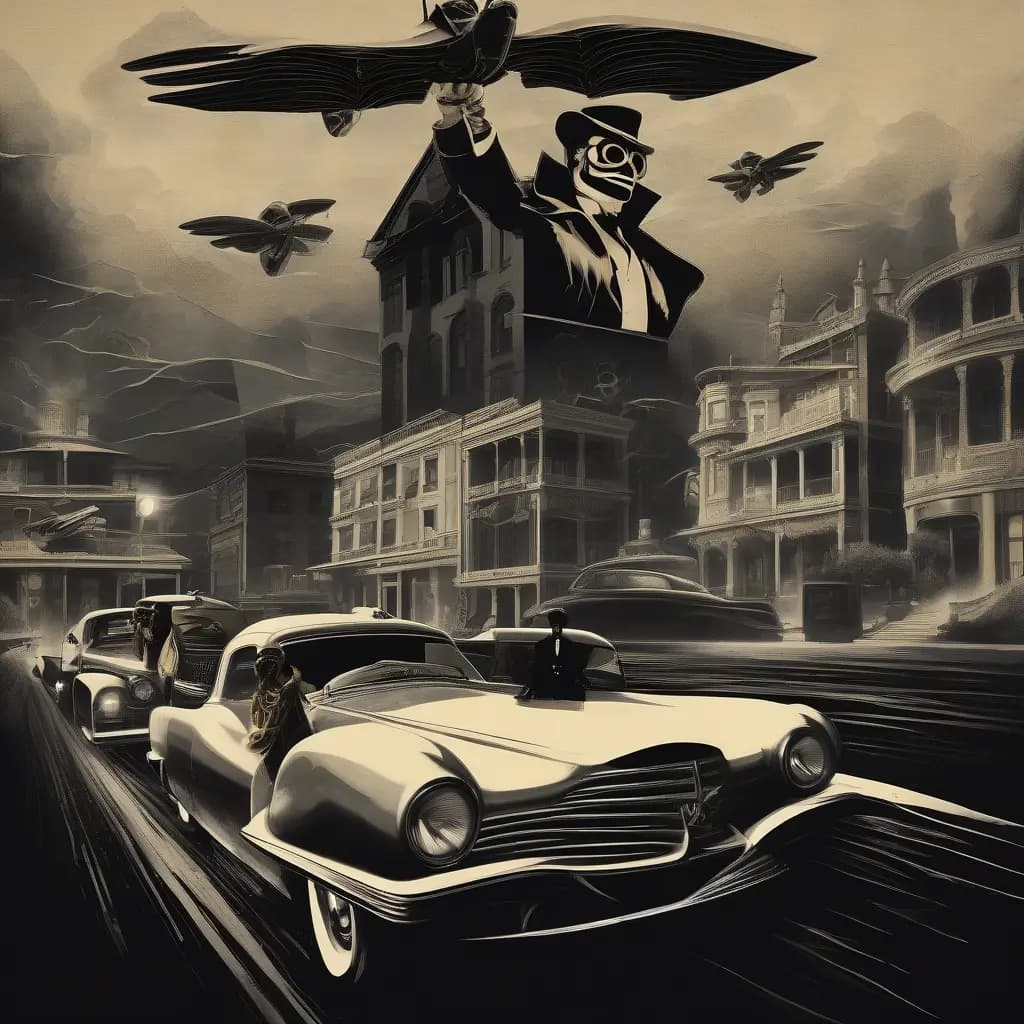
“A deep dive into the transgressive roots of cult cinema, exploring how the silent era's genre-defying experiments and forgotten outcasts birthed the modern midnight movie obsession.”
The phenomenon of cult cinema is often mistakenly categorized as a product of the post-war era, a counter-cultural explosion birthed in the smoky midnight screenings of the 1970s. However, the genetic blueprint of the midnight movie—that specific alchemy of narrative defiance, aesthetic eccentricity, and transgressive soul—was actually drafted decades earlier in the flickering shadows of the silent era. Long before the term 'cult' was a marketing demographic, a legion of filmmakers was already pushing the boundaries of the medium, creating works that prioritized visceral impact and thematic subversion over the safety of mainstream acceptance. These early renegades didn't just make movies; they constructed altars to the unusual, crafting a legacy of cinematic rebellion that continues to resonate through the history of the moving image.
The Architect of the Shadows: Fantômas and the Birth of the Anti-Hero
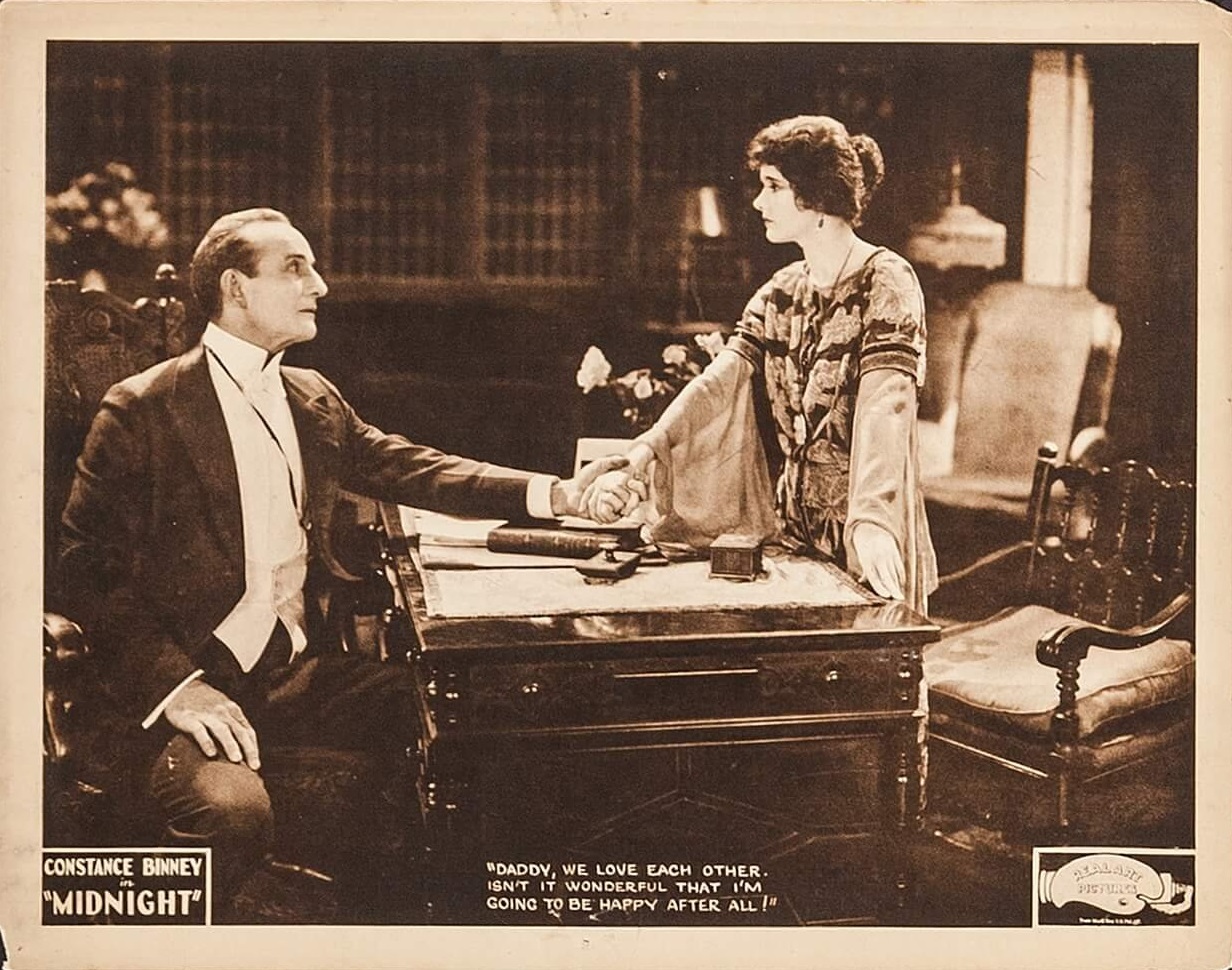
To understand the roots of cult devotion, one must look to the figure of the 'creeping black assassin.' In Fantomas: The Man in Black, we find the primordial archetype of the cult icon: the master of disguise, the criminal lord who operates in the periphery of polite society. This film, and others of its ilk, established the allure of the shadow-dweller, a theme that would become central to the cult experience. The fascination with the 'other'—the character who rejects the moral constraints of the status quo—is a hallmark of the genre. When we watch the resourceful Inspector Juve swear to win the second round against the master of disguise, we aren't just watching a crime drama; we are witnessing the birth of a subversive mythology that prizes the chase over the resolution.
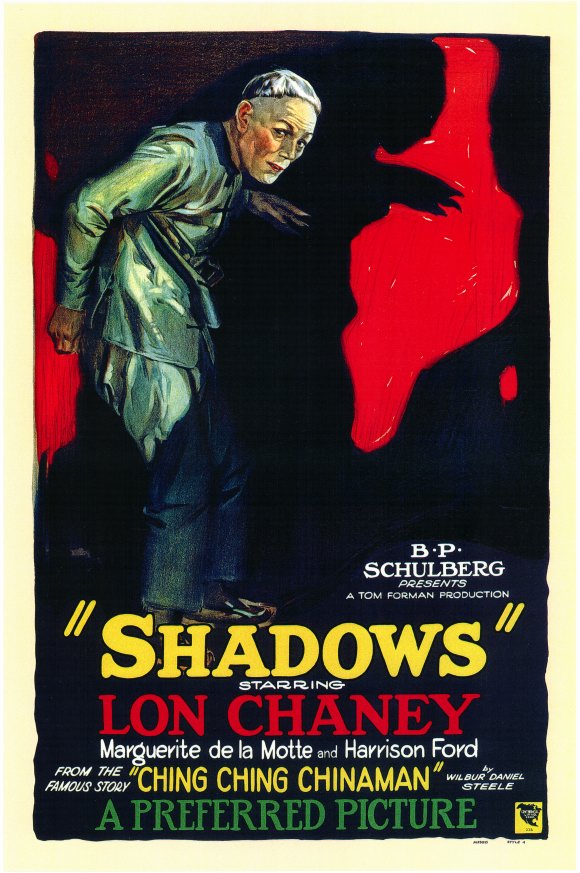
This same fascination with the criminal underworld and the mechanics of transgression is mirrored in the landmark Mexican production The Grey Automobile. By chronicling a real-life gang that terrorized Mexico City's high society in 1915, the film blended documentary-style realism with high-stakes crime thriller elements. This hybridity is a key characteristic of cult cinema—the refusal to stay within the lines of a single genre. The gang's trademarks of murder, kidnapping, and robbery weren't just plot points; they were challenges to the social order, captured on celluloid to be obsessed over by audiences who found more truth in the outlaw's journey than in the hero's triumph.

Distorting the Lens: Surrealism and Visual Whimsy
Cult cinema has always been a sanctuary for the visually bizarre, a place where the logic of the dream world supersedes the logic of the waking one. Early experiments like Le Voyage Abracadabrant, an animated short featuring two men in a flying house, prefigure the psychedelic and surrealist landscapes of later cult masters. The sheer audacity of the imagery—the 'abracadabrant' nature of the flight—serves as a reminder that cinema, at its core, is a medium of wonder. This visual experimentation is further echoed in Sleeping Beauty (1922), where fantasy and animation collide to soften the edges of a dark curse. These films were not merely for children; they were explorations of the phantasmagoric fringe, creating a space where the impossible was rendered with a hand-cranked camera.

The Outlaw Heart: Moral Ambiguity in the Early West
The Western genre, often seen as a bastion of traditional morality, was frequently subverted by early filmmakers to explore the darker recesses of the human psyche. In The Testing Block, we encounter 'Sierra' Bill, a tough outlaw who forces a traveling violinist into marriage. This is not the clean-cut heroism of the later Hollywood Golden Age; this is a story of coercion, redemption, and the messy reality of life on the frontier. The inclusion of the gambler Ringo, who disrupts their 'cozy' family life, adds layers of moral complexity that are common in cult narratives. These films invited the audience to find empathy for the flawed, the broken, and the dangerous.

Similarly, The Scarlet Drop presents a protagonist who is denied entry into the Civil War and subsequently joins a gang of marauders, eventually becoming a fugitive. This trajectory—the hero's descent into the life of a pariah—is a recurring motif in films that achieve cult status. It speaks to a fundamental human desire to see the consequences of societal rejection. When Paul Temple and his associates navigate the 'stamping ground' of the West in Through Turbulent Waters, or when Corporal Jack Borden trails a killer to the urban jungle of New York in Tangled Trails, the Western is transformed from a simple morality play into a complex study of vengeance and survival.
The Domestic Subversive: Breaking the Social Contract
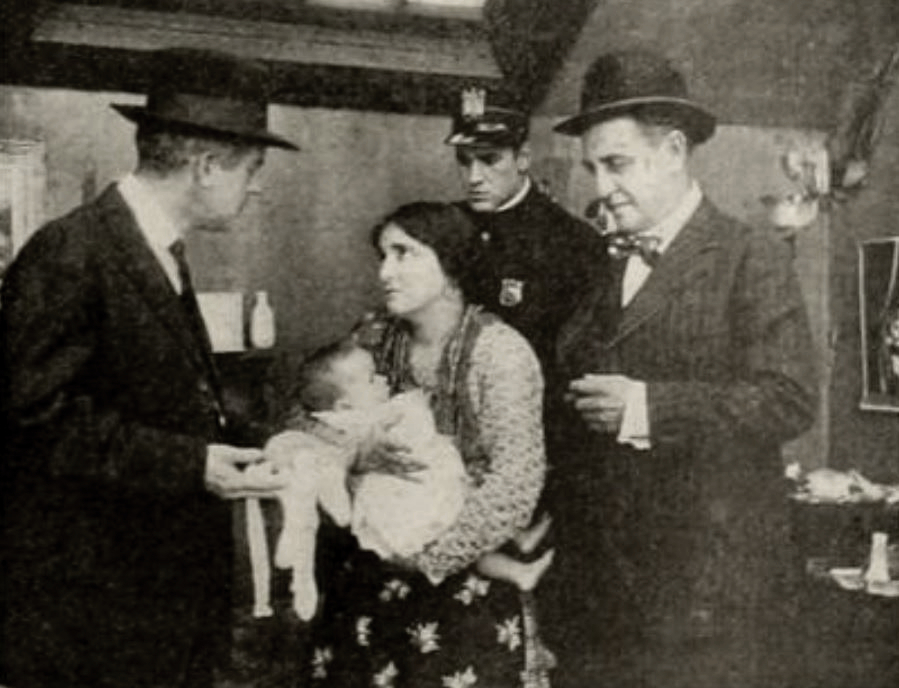
While the outlaws and criminals represent the external rebellion, many early films found their cult power by subverting the domestic sphere. Common Sense Brackett offers a poignant look at the drudgery of small-town life, where a wife leaves her husband to escape the monotony of their existence. This rejection of the 'happy home' ideal was a radical act in the early 20th century. It mirrored the real-world anxieties of a society in flux, where the traditional roles of men and women were being questioned. In The Clarion, we see the conflict between a father’s wealthy patent medicine empire—built on 'cure-all' lies—and a son’s growing realization of the truth. This thematic focus on the corruption inherent in success and the disillusionment of the next generation is a hallmark of transgressive cinema.
Even the comedic shorts of the era often carried a subtext of social friction. A Tough Winter sees Snub adopting a newsgirl and her brother, only to be forced by a mean landlord to flee to Iceland by mistake. The absurdity of the situation masks a deeper commentary on poverty and the precariousness of life for those on the margins. Similarly, For Sale, focusing on the struggle to sell a dilapidated 1903 flivver, uses slapstick to highlight the desperation of the 'energetic salesman' in a world that is quickly moving past him. These films captured the rebel heartbeat of the era, finding humor and pathos in the struggles of the underdog.
The Aesthetic of Isolation: Wanderers and Misfits
One of the most enduring themes in cult cinema is the figure of the wanderer—the individual who exists outside of traditional community structures. Victory, featuring the uncommitted wanderer Axel Heyst on a South Seas island, is a masterclass in the cinematic portrayal of isolation. When Heyst takes pity on the troubled Lena, giving her refuge from her pursuers, he is forced to confront the world he tried to leave behind. This tension between the desire for solitude and the necessity of human connection is a central pillar of the cult psyche. The presence of the piratical Mr. Jones serves as a reminder that even in the most remote corners of the earth, the shadows of the past will eventually find us.
This sense of isolation is not limited to the South Seas. In A Child of the Paris Streets, the kidnapping of a judge’s daughter by an underworld family known as 'The Apaches' creates a narrative of displacement and revenge. The 'Apache' subculture, with its own codes of conduct and visual style, provided a fertile ground for early filmmakers to explore the concept of the counter-society. These films didn't just depict the underworld; they romanticized its danger and its distance from the 'civilized' world, a trend that would later manifest in everything from film noir to the punk-infused cinema of the 1980s.
The Dual Nature of Man: From Janus to Jekyll
The exploration of the dual nature of man is a recurring obsession in cult cinema, and its roots are firmly planted in the silent era. The Head of Janus, an early adaptation of the Jekyll and Hyde mythos, uses the opposing characters of Dr. Warren and Janus to delve into the psychological shadows of the human condition. The visual representation of this duality—the inconspicuous gentleman vs. the monstrous 'other'—established a visual language for the cinematic deviant. This theme of the 'hidden self' is what often draws a cult following; it allows the audience to project their own internal conflicts onto the screen, finding a sense of catharsis in the character’s transformation.
This fascination with transformation and the 'perfect' vs. the 'fallen' is also evident in the ambitious Restitution, which depicts the temptation of Eve by Lucifer and traces the influence of Satan through various historical episodes. By blending religious iconography with cinematic spectacle, the film created a unique, albeit controversial, experience that challenged the audience’s understanding of morality. This type of 'big idea' filmmaking, which often polarized critics and audiences alike, is exactly the kind of work that survives in the cult canon. It demands to be discussed, debated, and revisited, long after the mainstream hits of the day have faded into obscurity.
Conclusion: The Eternal Flame of the Fringe
The films of the early 20th century were more than just historical curiosities; they were the first sparks of a fire that continues to burn in the hearts of film lovers today. From the criminal masterminds of Paris to the desperate newsgirls of Iceland, from the isolated wanderers of the South Seas to the animated houses flying through the air, these original genre renegades laid the groundwork for everything we love about cult cinema. They taught us that the most interesting stories are often found on the periphery, that the most compelling characters are the ones who refuse to conform, and that the true power of cinema lies in its ability to show us the world through a lens that is slightly, beautifully out of focus.
As we continue to unearth these forgotten reels—whether it's the promotional whimsy of Konsumtionsföreningen Stockholm med omnejd featuring a young Greta Garbo or the dramatic intensity of Love's Redemption—we are reminded that the spirit of rebellion is timeless. The celluloid shadow-play of the silent era is not a relic of the past; it is a living, breathing part of our cinematic DNA, a constant reminder that as long as there are stories to tell, there will be those who choose to tell them from the shadows.
Community
Comments
Log in to comment.
Loading comments…