
DbcultAccessing Vault...
Cult Cinema Deep Dive
Archivist John
Senior Editor
When we think of cult cinema, the mind often wanders to the neon-soaked midnight screenings of the 1970s or the transgressive VHS tapes of the 1980s. However, the true DNA of the cinematic outlier was sequenced long before the advent of the blockbuster. It was forged in the flickering shadows of the silent era, within the nitrate frames of films that dared to be different, difficult, or downright dangerous. The Celluloid Subterrane is not just a collection of old movies; it is a testament to the enduring power of the misfit narrative, a lineage that stretches from the early 20th century to the modern day.
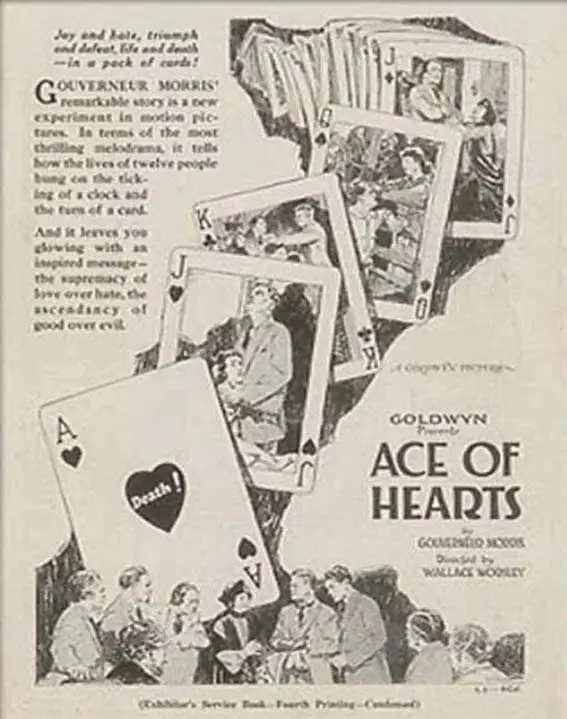
In the nascent days of the industry, cinema was a wild frontier. Without the rigid structures of the Hays Code or the homogenization of the studio system, filmmakers were free to explore the darker impulses of the human psyche. Consider the 1921 classic The Ace of Hearts. This isn't just a drama; it is a proto-thriller about a secret anarchist group fueled by revenge and romantic obsession. Its focus on a clandestine society and the moral ambiguity of its protagonists mirrors the very essence of what we now call 'cult'—a film that exists on the periphery of polite society, inviting the viewer into a world of hidden rituals and high stakes.
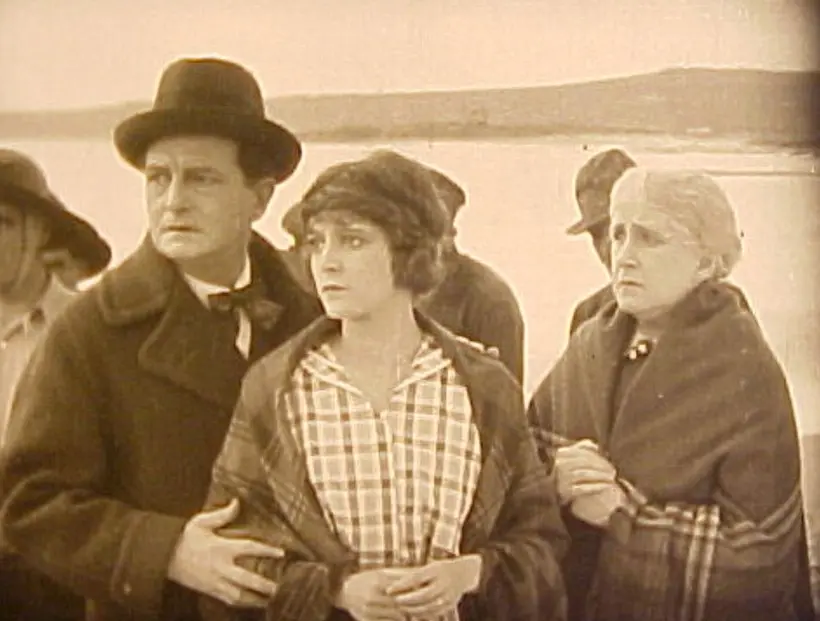
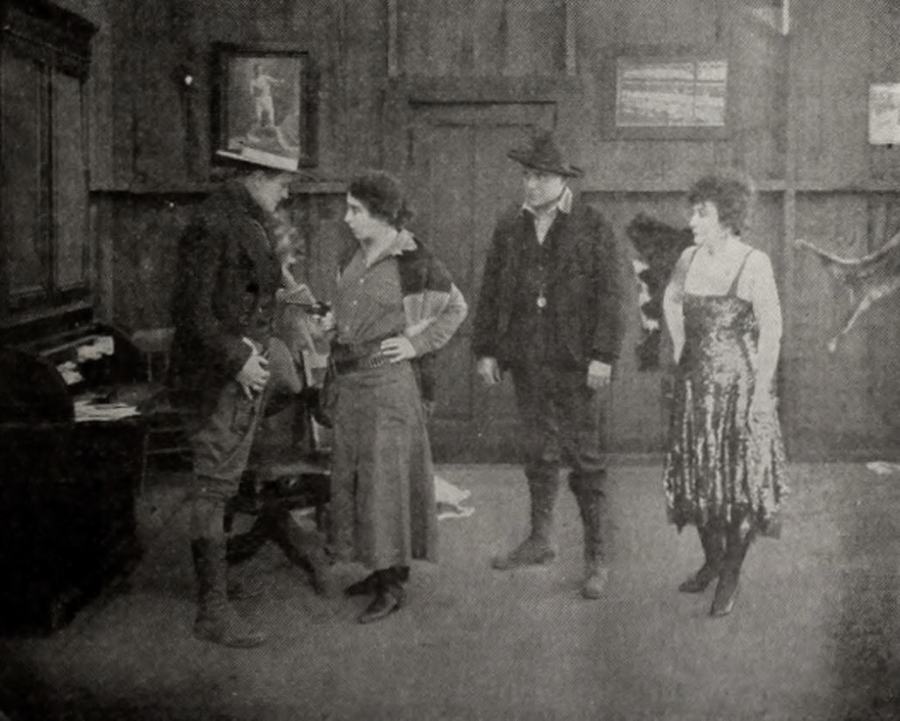
Similarly, The Return of Draw Egan (1916) presents us with a protagonist who is a notorious bandit, a man at the end of his tether. This figure of the 'noble outlaw'—the man with a reward on his head but a spark of redemption in his heart—is a recurring motif in the cult canon. Whether it is the gritty realism of a Western or the psychological depth of a crime drama, these early films laid the groundwork for the anti-hero. They taught audiences to root for the man outside the law, a sentiment that would later define the rebellious spirit of the 1960s counter-culture.
Cult cinema has always been obsessed with the 'taboo.' In the early 20th century, transgression often took the form of social and sexual deviance. The Libertine (1915) and La lussuria (1919) explored the complexities of desire and the destructive power of obsession. These weren't merely cautionary tales; they were deep dives into the 'seven capital sins,' reflecting a fascination with the darker corners of human behavior that mainstream cinema often avoided.
In Sin (1915), an Italian peasant girl deserts her fiancé for a wealthy gangster, moving to America in search of a different life. This narrative of abandonment and the pursuit of a 'corrupt' dream resonates with the modern cult obsession with characters who reject traditional domesticity in favor of the unknown. These films were the original 'shocks to the system,' challenging the Victorian sensibilities of their time and providing a sanctuary for those who felt out of step with the status quo.
One of the defining characteristics of a cult film is its willingness to play with form. Long before meta-fiction became a buzzword, silent filmmakers were experimenting with narrative layers. Doubling for Romeo (1921) is a fascinating example. By having a protagonist who works in the movie industry and dreams himself into a version of Shakespeare’s tragedy, the film comments on the nature of performance and the artifice of cinema itself. This self-referentiality is a hallmark of the cult experience, where the audience is often 'in on the joke' or aware of the medium's limitations.
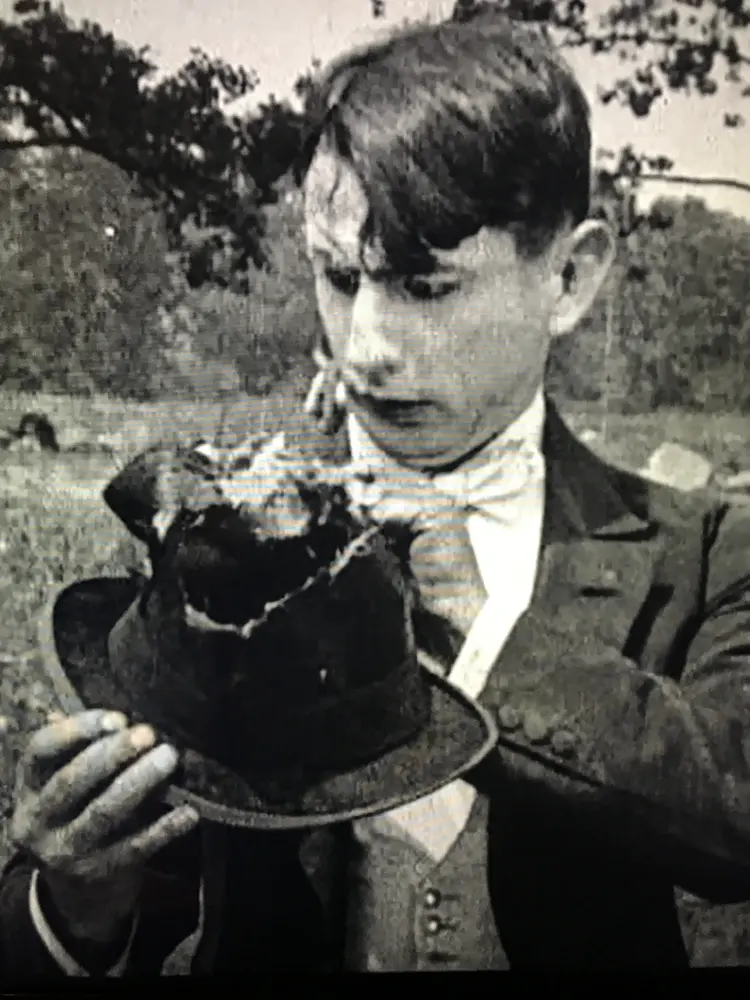
Then there is Wild and Woolly (1917), which presents a formerly wild western town scrambling to recreate its rowdy past to satisfy the fantasies of a rich newcomer. It is a brilliant satire of the Western genre, mocking the very tropes it occupies. This kind of genre-bending and intellectual playfulness is exactly what draws devotees to films that refuse to fit into a single box. It’s the same energy found in modern cult classics that deconstruct horror or sci-fi tropes.
Cult cinema is often synonymous with the 'weird'—the films that linger in the mind due to their uncanny imagery or bizarre premises. The silent era was rife with such curiosities. After Death (1915) offers a haunting, secluded look at grief and psychological haunting, while Die Tophar-Mumie (1917) and One Arabian Night (1920) brought elements of the exotic and the supernatural to the screen. These films provided a visual vocabulary for the fantastic, using shadow and light to create atmospheres that felt distinct from reality.
Even the documentary form wasn't immune to this 'cult' transformation. Istoriya grazhdanskoy voyny (1921), a feature-length record of the Russian Civil War, possesses a raw, visceral quality that transcends simple reportage. It captures the incremental street battles and major assaults with a primal intensity that mirrors the 'found footage' or 'guerrilla' filmmaking styles that would later become staples of the underground cinema movement. It is a reminder that reality, when captured with a certain eye, can be just as transgressive as fiction.
How does a film become a 'cult' object? It requires a specific kind of devotion. While we often associate this with midnight screenings of genre films, the roots of obsessive fandom can be seen in the reception of Life and Passion of Christ (1905). This film achieved a level of longevity and audience devotion that was unprecedented, remaining in circulation for decades while secular films were forgotten. It created a 'sacred' space for the viewer, a ritualistic experience that prefigures the 'religious' fervor of modern fandoms.
On the other end of the spectrum, we have the 'misfit' icon. Mickey (1918), featuring an orphan brought up in a mining settlement who is thrust into the high society of New York, became a cultural phenomenon. Mickey was the original 'outsider' hero—awkward, unrefined, but undeniably authentic. This character type became a beacon for audiences who didn't see themselves reflected in the polished stars of the mainstream. The devotion to Mickey was a precursor to the way modern audiences cling to characters like Napoleon Dynamite or the protagonists of John Waters' films.
Many of the films in the Celluloid Subterrane were nearly lost to time. Films like The Traitress (1911), A Yellow Streak (1915), or Destiny's Toy (1916) represent a vast archive of human emotion and artistic experimentation that exists beneath the surface of the 'official' film history. Their survival is often a matter of chance, much like the survival of a cult film depends on the word-of-mouth of a dedicated few.
When we look at The Hazards of Helen (1914), with its motorcycle-riding, train-jumping heroine, we see the birth of the action-cult star. Helen wasn't just a character; she was a thrill-seeker who embodied the kinetic energy of the new century. This focus on physical prowess and daring stunts created a 'cult of the spectacle' that remains a driving force in cinema today. These films weren't just entertainment; they were experiences that pushed the limits of what was possible on screen.
The journey from the silent shadows of Les Misérables (1917) to the modern cult classic is a straight line of rebellion. Whether it is the social critique found in The Truth About Husbands (1920) or the slapstick anarchy of Don't Shove (1919), the spirit of the cinematic outlier remains unchanged. These films remind us that the 'cult' is not a genre, but a relationship—a bond between a daring piece of art and an audience that is willing to see the beauty in the broken, the bizarre, and the bold.
As we continue to unearth these forgotten gems, from the Russian steppes of The Glory of Yolanda (1917) to the pirate-infested waters of The Sea Panther (1918), we are not just looking at history. We are looking at the blueprints of our own obsessions. The silent era’s misfits didn't just define an aesthetic; they built a sanctuary for every cinematic soul that has ever felt like it didn't belong. In the Celluloid Subterrane, the fire of the nitrate outcast burns eternal, lighting the way for the next generation of rebels, dreamers, and devotees.