
DbcultAccessing Vault...
Cult Cinema
Archivist John
Senior Editor
The term cult cinema often conjures images of midnight screenings of 1970s exploitation films or the neon-drenched fever dreams of the 1980s. However, the true genetic blueprint of the cinematic outlier was drafted much earlier, in the flickering nitrate shadows of the silent and early sound eras. Long before the term was codified by critics, a rogue gallery of films existed on the periphery of the mainstream, defying the rigid structures of the burgeoning studio system. These were the first mutineers of the medium—films that embraced narrative anarchy, social subversion, and technical experimentation.
To understand the modern obsession with the fringe, we must look back at the works that dared to alienate as much as they aimed to entertain. In the early 20th century, cinema was a Wild West of ideas. While the industry moved toward a standardized grammar of storytelling, a subset of filmmakers and performers was already pushing against the grain. Consider the 1920 short Her First Flame. Set in a speculative 1950 where women have usurped traditional male roles and become the romantic aggressors, this early foray into sci-fi comedy presented a world that was both a satire of the suffrage movement and a bizarre, gender-bending fantasy. It is this type of conceptual daring—the willingness to alienate a conservative audience in favor of a niche, perhaps more progressive one—that defines the cult ethos.
Cult films are rarely born in the center of the frame; they thrive in the margins. They are the Keystone Comedies that prioritized chaotic slapstick over narrative cohesion, or the experimental shorts like Le Voyage Abracadabrant (1902), which utilized early animation to depict two men in a flying house. These films offered a visual vocabulary that felt untethered from reality, providing a sanctuary for viewers who found the standard dramas of the day too stifling. The "cult" status of these early works isn't just about their age; it’s about their inherent resistance to being easily categorized.
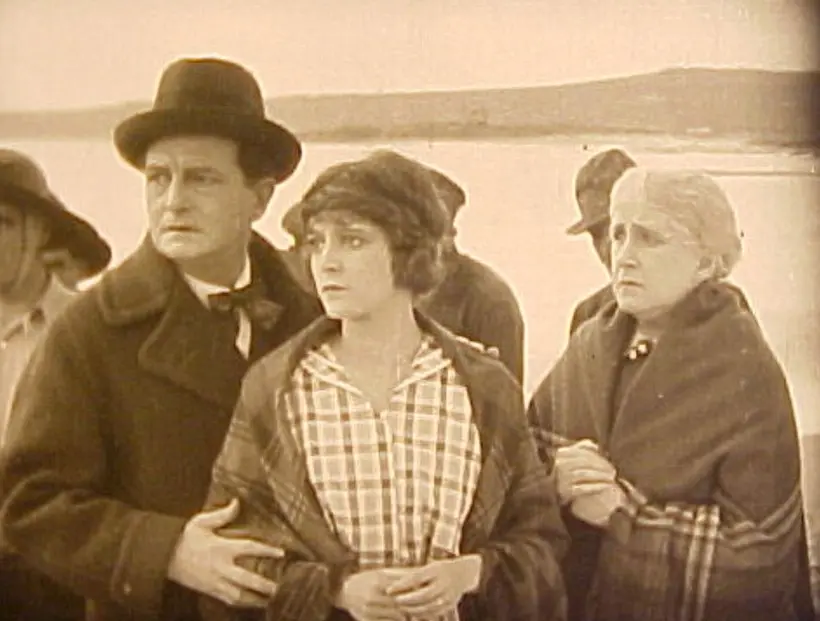
The heart of cult cinema is often found in its social defiance. Early films frequently explored the dark underbelly of the American Dream and the hypocrisies of the elite. The Show Down (1917) is a prime example of this transgressive spirit. By placing a group of diverse social classes—from inconsiderate millionaires to courageous laborers—on a sinking ocean liner, the film stripped away the veneer of societal status. It forced a confrontation with mortality that leveled the playing field, a theme that would later become a staple of survivalist cult classics. This wasn't just entertainment; it was a pointed critique of the class structure, delivered through the lens of high-stakes drama.
Similarly, The Failure (1917) took aim at the corruption within the entertainment industry itself. By exposing a theatrical manager who exploited young women, the film functioned as an early whistleblower narrative. This willingness to bite the hand that feeds—to critique the very mechanisms of fame and power—is a hallmark of the cult director’s manifesto. These films didn't just tell stories; they acted as mirrors to the rot beneath the surface of polite society.
The archetype of the misunderstood loner or the charismatic criminal is a cornerstone of cult devotion. In The Girl Who Came Back (1918), we are introduced to a professional burglar’s daughter who is proud of her illicit trade. This subversion of the "virtuous heroine" trope offered a more complex, morally gray protagonist that resonated with audiences tired of the era's simplistic moralizing. The character’s transition from a criminal life to a search for redemption was not a simple moral victory, but a psychological exploration of identity and heritage.
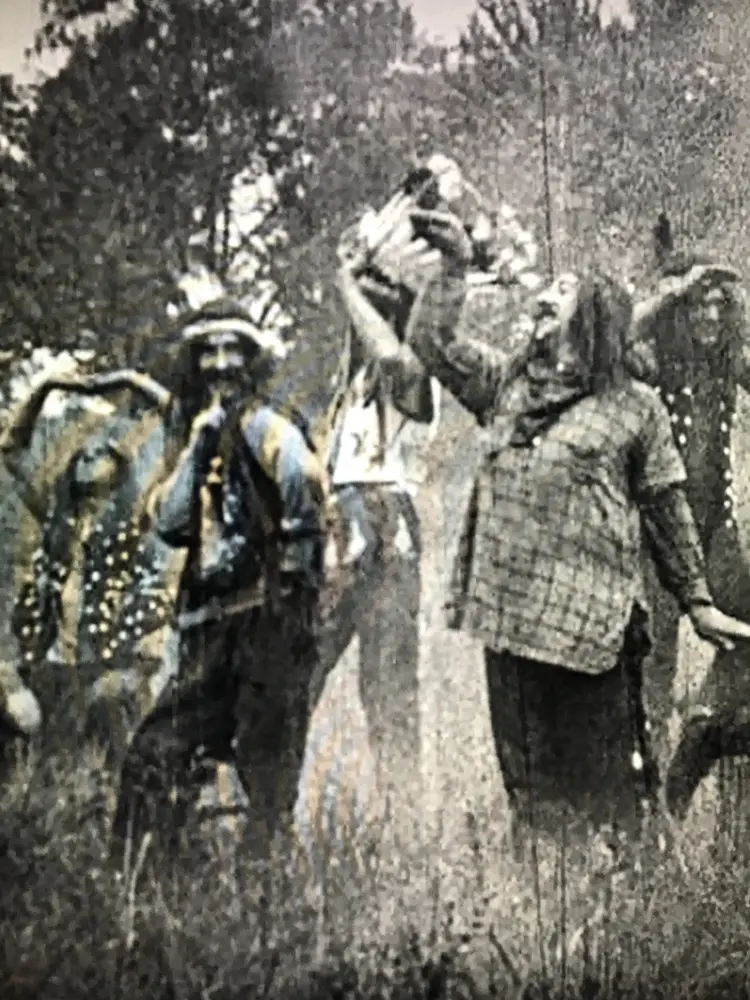
This fascination with the outlaw reached a fever pitch in Westerns like A Marked Man (1917), where a mother’s belief in her son’s success is contrasted with the reality of his life as a hunted outlaw. The tension between the perceived self and the actual self is a recurring motif in films that achieve lasting niche status. These characters—like the sheriff in The Medicine Man or the titular Devil McCare—represented a rugged individualism that often bordered on the antisocial, appealing to the "rebel without a cause" sentiment long before the phrase was coined.
Beyond narrative, the aesthetic of cult cinema is often defined by a certain "wrongness"—a deviation from the polished norms of the time. The 1922 version of Othello, for instance, utilized a visual intensity and a focus on psychological torment that pushed the boundaries of traditional Shakespearean adaptations. By leaning into the treacherous and the jealous, the film created an atmosphere of dread that felt more akin to German Expressionism than the standard Hollywood fare. This stylistic boldness is what creates the "cinematic handshake" between the film and its devoted followers; it is a signal that the viewer is entering a space that values vision over marketability.
Even in comedy, the seeds of the avant-garde were being sown. Nonsense (1917) lived up to its title by embracing the absurd. In a world where a farmer's daughter is abducted and saved by "faithful admirers," the film satirized the very tropes of the rescue-mission drama. This meta-awareness—the film knowing it is a film and playing with the audience's expectations—is a vital component of the cult experience. It invites the viewer into an inside joke, creating a sense of community among those who "get it."
Why do certain films, like Pollyanna (1920) or Our Gang (1922), continue to be discussed while thousands of their contemporaries have faded into obscurity? It is often because they represent a specific emotional frequency that the mainstream ignores. Pollyanna, with its unrelenting optimism in the face of a bitter town, serves as a proto-cult icon of radical positivity—a theme that can be just as polarizing as extreme violence. Meanwhile, the Our Gang series championed a DIY, community-driven resistance against unethical merchants, reflecting the audience's own struggles against the burgeoning corporate world.
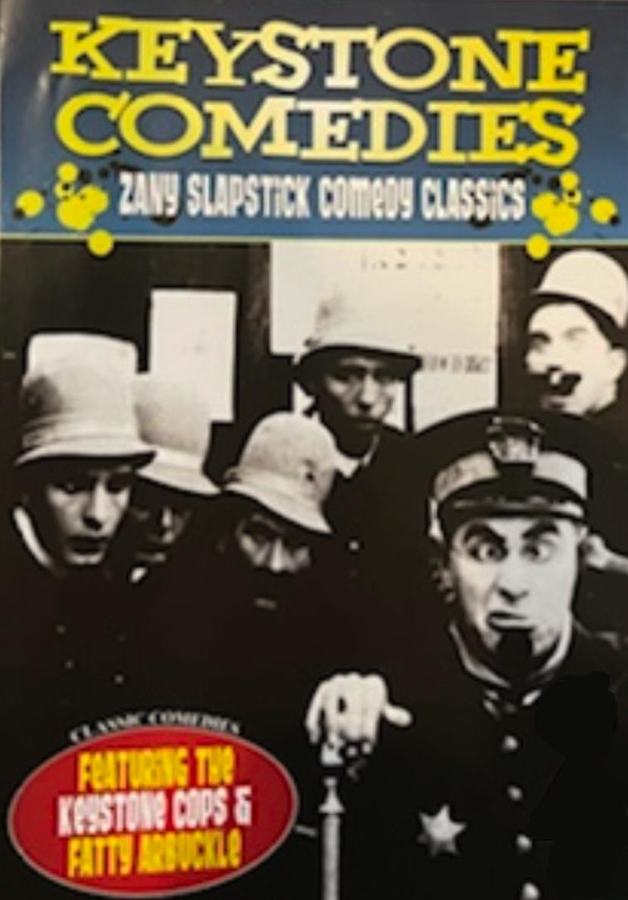
This devotion is also fueled by the "lost" or "rare" nature of early cinema. Films like La morte che assolve or Das amerikanische Duell exist as whispers from a forgotten era, their scarcity only adding to their mystique. For the cult film historian, unearthing a print of William Voß. Der Millionendieb is akin to finding a sacred relic. The act of preservation becomes an act of worship, ensuring that these unconventional visions are not erased by the march of time.
The influence of these early pioneers can be seen in every modern cult classic. The domestic satire of The Indestructible Wife (1919), which poked fun at the exhausting energy of a high-society honeymoon, paved the way for the screwball comedies and social satires of later decades. The surreal adventures of Le Voyage Abracadabrant can be traced through the lineage of Terry Gilliam and Wes Anderson. The gritty, frontier justice of The Clients of Aaron Green lives on in the revisionist Westerns of the 1970s.
We must recognize that the "cult" designation is not a modern invention but a timeless reaction to art that refuses to conform. Whether it is the gender-flipping antics of Her First Flame or the satirical bite of Home Talent, these films were the first to prove that cinema could be a tool for rebellion. They taught us that the most enduring stories are often the ones that start as a flicker in the dark, far away from the bright lights of the marquee.
As we look toward the future of cinema, the lessons of the silent era’s misfits remain more relevant than ever. In an age of algorithmic content and safe sequels, the transgressive soul of the early fringe serves as a reminder that true art requires risk. It requires the courage to be a "failure" in the eyes of the many to become a legend in the eyes of the few. The cult of the unorthodox is not just about watching old movies; it is about honoring the spirit of those who first dared to use the camera as a weapon of subversion.
From the slapstick chaos of Loose Lions to the high-stakes romance of The Speed Girl, the early century was a playground for the cinematic imagination. By revisiting these works, we don't just see the history of film; we see the birth of a counter-culture. We see the first time a filmmaker said, "This is not for everyone, but it might be for you." And in that moment, the cult film was born—a flame that continues to burn in the hearts of those who seek the strange, the beautiful, and the beautifully strange.