
DbcultAccessing Vault...
Cult Cinema
Archivist John
Senior Editor

To the modern cinephile, the term cult cinema conjures images of midnight screenings, neon-soaked aesthetics, and transgressive narratives that intentionally poke the eye of the mainstream. However, the genetic blueprint of this rebellion was not drafted in the 1970s; it was forged in the flickering nitrate of the silent era. Long before the term 'midnight movie' entered the lexicon, a subterranean current of fringe cinema was already challenging social norms, experimenting with narrative anarchy, and fostering a unique brand of devotion among audiences who felt out of step with the polite society of the early 20th century.
The foundation of cult devotion often lies in the figure of the moral outlaw—the character who operates outside the law but within a deeply personal ethical framework. This archetype is vividly realized in the 1917 film His Debt (slug: his-debt). Here, Goro Mariyama runs a gambling house, a setting typically associated with vice, yet he uses his profits to aid the poor. This subversion of the 'criminal' identity is a hallmark of cult narratives. When Goro is shot by a man who accuses him of cheating, the film transforms a simple melodrama into a punchy exploration of honor among thieves. It is this grey area, this refusal to paint characters in simple black and white, that attracts the obsessive attention of the cult audience.
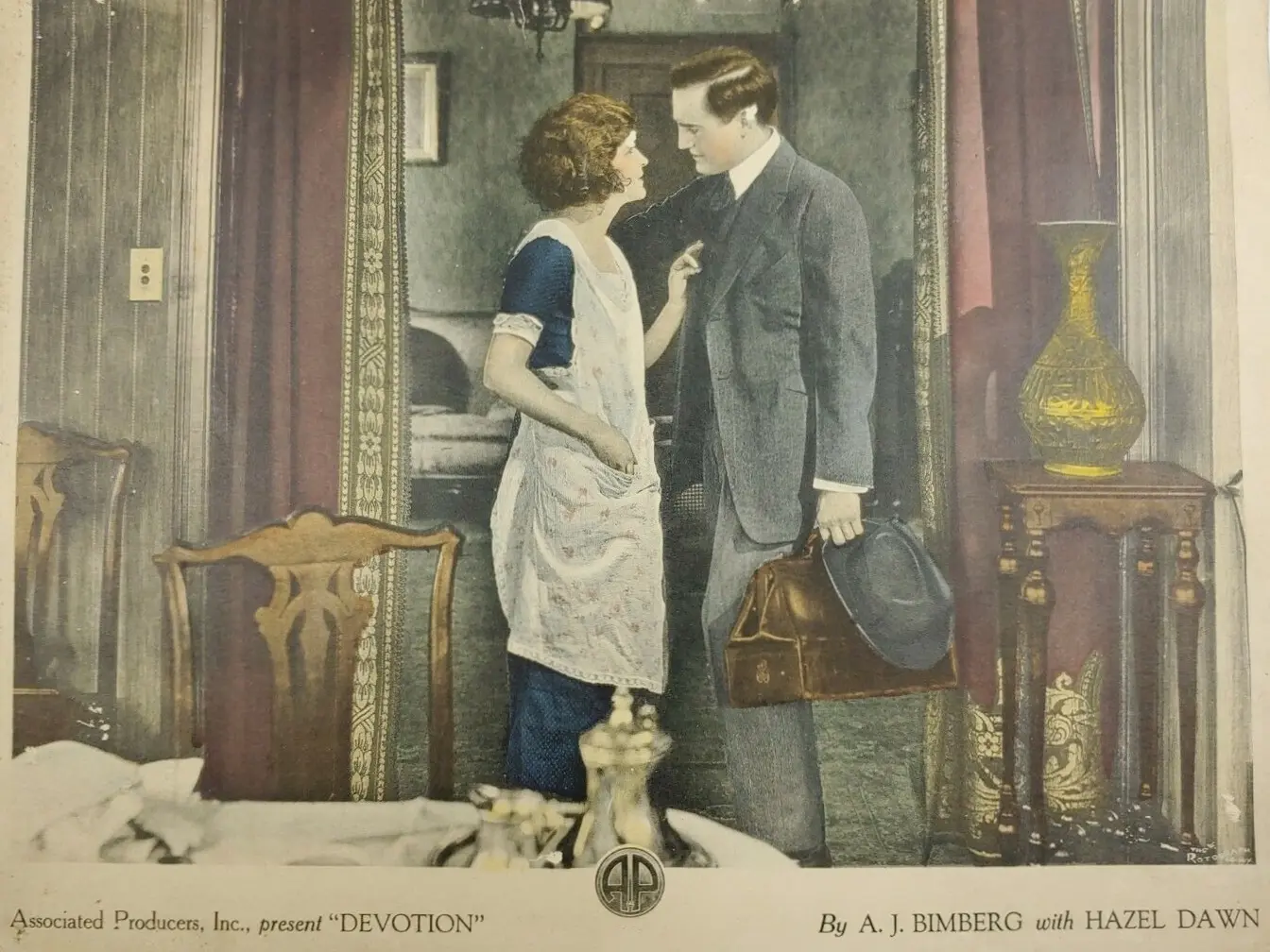
Similarly, The Devil's Pay Day (slug: the-devils-pay-day) explores the corrosive nature of the city versus the supposed purity of the country. When Gregory Van Houten returns from his recuperation, he brings with him a darkness that the mainstream of 1917 might have found unsettling, but which the cult-minded viewer finds intoxicating. These early films weren't just stories; they were transgressive visions that suggested the world was far more complicated than the moralistic pamphlets of the day would have us believe.
If the dramas of the era provided the soul of cult cinema, the short-form comedies provided its anarchic spirit. Cult film is often defined by its 'excess'—the moments where the plot stops and the spectacle of the bizarre takes over. Look no further than Golf (slug: golf), a short where a golfer's obsession leads him to drill holes in his own floor and smash his house to pieces. This is narrative anarchy in its purest form. It is a precursor to the slapstick destruction seen in later cult classics, where the obsession of the protagonist becomes a wrecking ball directed at the domestic status quo.

In Fresh Paint (slug: fresh-paint), we see a similar disregard for social order. The cavorting with 'scanty-costumed models' and the arrival of an outraged husband creates a fever pitch of physical comedy that feels like a precursor to the 'underground' shorts of the 1960s. Even in The Grocery Clerk (slug: the-grocery-clerk), the mishaps in a small-town store become a microcosm of a world where nothing works as it should. For the cult viewer, this cinematic chaos is a relief—a recognition that the ordered world of the 'A-picture' is a lie.
Cult cinema has always been a space for the subversive exploration of social issues. Films like A Perfect Lady (slug: a-perfect-lady) take the figure of the burlesque dancer—a social pariah in many circles—and use her to expose the hypocrisy of 'puritanical small towns.' This theme of the 'outcast as hero' is the very heart of cult culture. It resonates with audiences who feel marginalized, offering a celluloid sanctuary where the 'deviant' is the one with the most integrity.
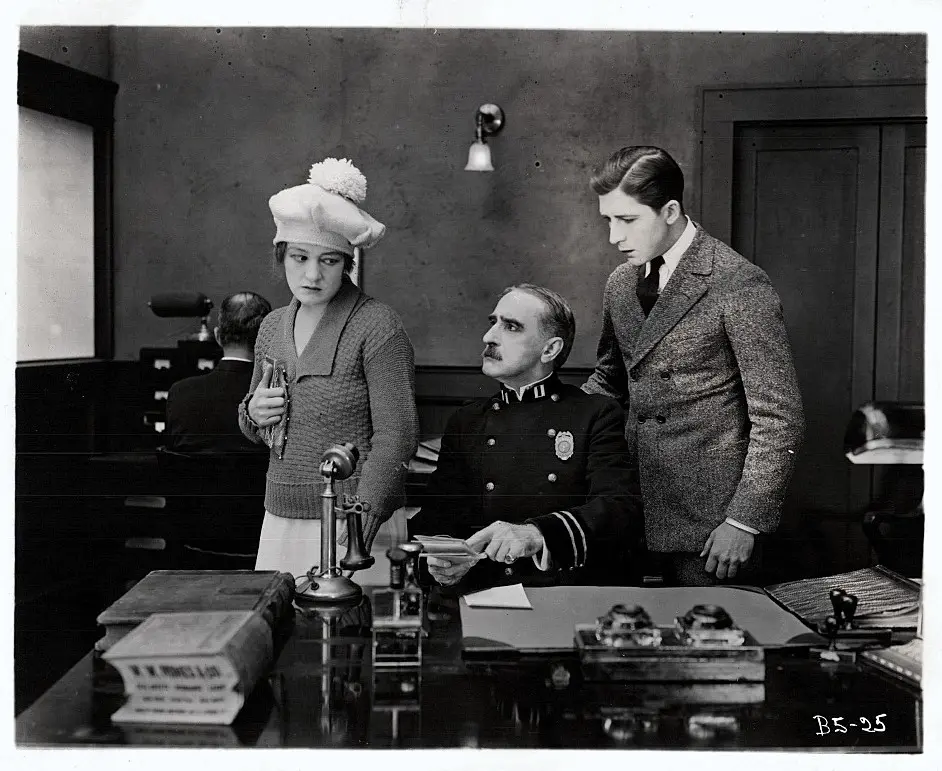
This social friction is also present in The Fight (slug: the-fight), where a female candidate for mayor attempts to suppress the 'viciousness' of dance halls and gambling. While the film may have been framed as a social drama, its depiction of 'commercialized vice' as a hard-to-beat opponent gives it a gritty, proto-noir quality that modern viewers recognize as a staple of the fringe. The tension between the reformer and the rebel is a recurring rhythm in the cult canon, from the silent era to the modern day.
The allure of the hidden identity is another key element that binds the cult audience to the screen. In Under Two Flags (slug: under-two-flags), a British nobleman hides within the French Foreign Legion to protect his brother's honor. This theme of self-imposed exile and the 'noble lie' creates a layer of mystery that invites repeated viewings. The cult fan doesn't just watch a movie; they deconstruct it, looking for the 'truth' behind the mask.
Political nihilism also rears its head in Beneath the Czar (slug: beneath-the-czar). A young woman is forced into the Russian Secret Service to save her father, a Nihilist. The stakes are primal, and the atmosphere is thick with the dread of an all-seeing state. This sense of paranoia and political unrest would later become a defining characteristic of the cult thriller. Similarly, Under Crimson Skies (slug: under-crimson-skies) mixes mutiny, revolution, and infidelity into a volatile cocktail that defies the neat resolutions of standard studio fare.
There is a specific kind of 'sacred weirdness' in films that refuse to fit into a single genre. The Sultan of Djazz (slug: the-sultan-of-djazz) or the enigmatic Il mistero di Galatea (slug: il-mistero-di-galatea) represent the experimental edge of early cinema. These are films that feel like transmissions from another dimension. When we look at The Strange Case of Mary Page (slug: the-strange-case-of-mary-page), an episodic mystery involving an actress and a secret backer, we see the early roots of the 'fandom' culture. The cliffhangers and the 'tragedy' of the actress created a sense of community among viewers who had to return week after week to solve the puzzle.
Even the more traditional dramas had their cult-adjacent moments. The Honor of His House (slug: the-honor-of-his-house) features a life-saving blood transfusion from an envious count to the woman he poisoned. It is a moment of gothic melodrama that feels both grotesque and beautiful—a combination that is pure cult. In The Miracle of Love (slug: the-miracle-of-love), the Duke's younger brother leaves England out of sheer 'boredom,' only to fall into a forbidden romance. This 'boredom' is a very modern, very cult sentiment—the feeling that the world as it is currently constructed is simply not enough.
The Western genre provided a fertile ground for the early cult aesthetic, offering a lawless space where the 'misfit' could find a home. Singing River (slug: singing-river) presents a homesteader facing foreclosure who is suggested to rob a bank as 'restitution.' This moral ambiguity is the engine of the cult Western. It isn't about the law; it's about what a man must do to survive. A Girl of the Bush (slug: a-girl-of-the-bush) takes this further, moving the action to the Australian frontier and featuring a baby surviving an 'attack by aboriginals.' These films brought a raw, unvarnished look at life on the edge that stood in stark contrast to the polished romances of the era.
In Two Men of Sandy Bar (slug: two-men-of-sandy-bar), the friendship between a chivalrous gambler and a drunkard forms the heart of the story. This bond between outcasts is a powerful theme that resonates with cult audiences. It suggests that our true family isn't the one we are born into, but the one we find in the gutters and saloons of the world. Even Ghost of the Rancho (slug: ghost-of-the-rancho), with its 'dissipated grandson' and 'wild banquet,' shows an interest in the decadence and decay that would later define the cult fascination with the 'beautiful loser.'
The enduring power of cult cinema lies in its ability to speak to the 'other' in all of us. Whether it is the black worker seeking justice in The Liar (slug: the-liar), the romantic model chasing a millionaire in A Rich Man's Darling (slug: a-rich-mans-darling), or the 'honest jockey' riding a 'worn-out nag' to victory in The Honest Jockey (slug: the-honest-jockey), these films celebrate the underdog, the weirdo, and the rebel. They prove that cinematic devotion isn't about big budgets or critical acclaim; it's about the connection between a daring filmmaker and an audience that is hungry for the truth, no matter how strange or transgressive that truth might be.
As we look back at these early 20th-century visions, we see that the rebel heart of cinema has always been beating. From the domestic spankings in Dud's Home Run (slug: duds-home-run) to the high-stakes espionage of The War Correspondents (slug: the-war-correspondents), the early fringe was a laboratory for the themes that would eventually give us the midnight movie. These films are the ancestral glow of the cult fire, reminding us that as long as there is a mainstream, there will always be a magnificent, messy, and marvelous underground waiting to be discovered.