
Cult Cinema
The Fringe's Forbidden Lexicon: Unearthing the Primal Subversions of Early Cinema's Most Daring Misfits

“An in-depth exploration of how the silent era's most transgressive and forgotten films established the genetic blueprint for modern cult cinema and midnight movie devotion.”
To understand the modern midnight movie, one must descend into the flickering shadows of the early 20th century, a time when the cinematic medium was still forging its own moral and aesthetic boundaries. Cult cinema is rarely a product of the mainstream; it is a sanctuary for the weird, the transgressive, and the misunderstood. It is a space where the misfit is not merely tolerated but worshipped. This editorial explores the primal DNA of cult obsession, tracing its lineage back to the forgotten fringe of the 1910s and 1920s, where films like The Bronze Bride and The Jungle first dared to challenge the status quo.
The Genesis of Transgression: Social Friction and the Cinematic Outcast
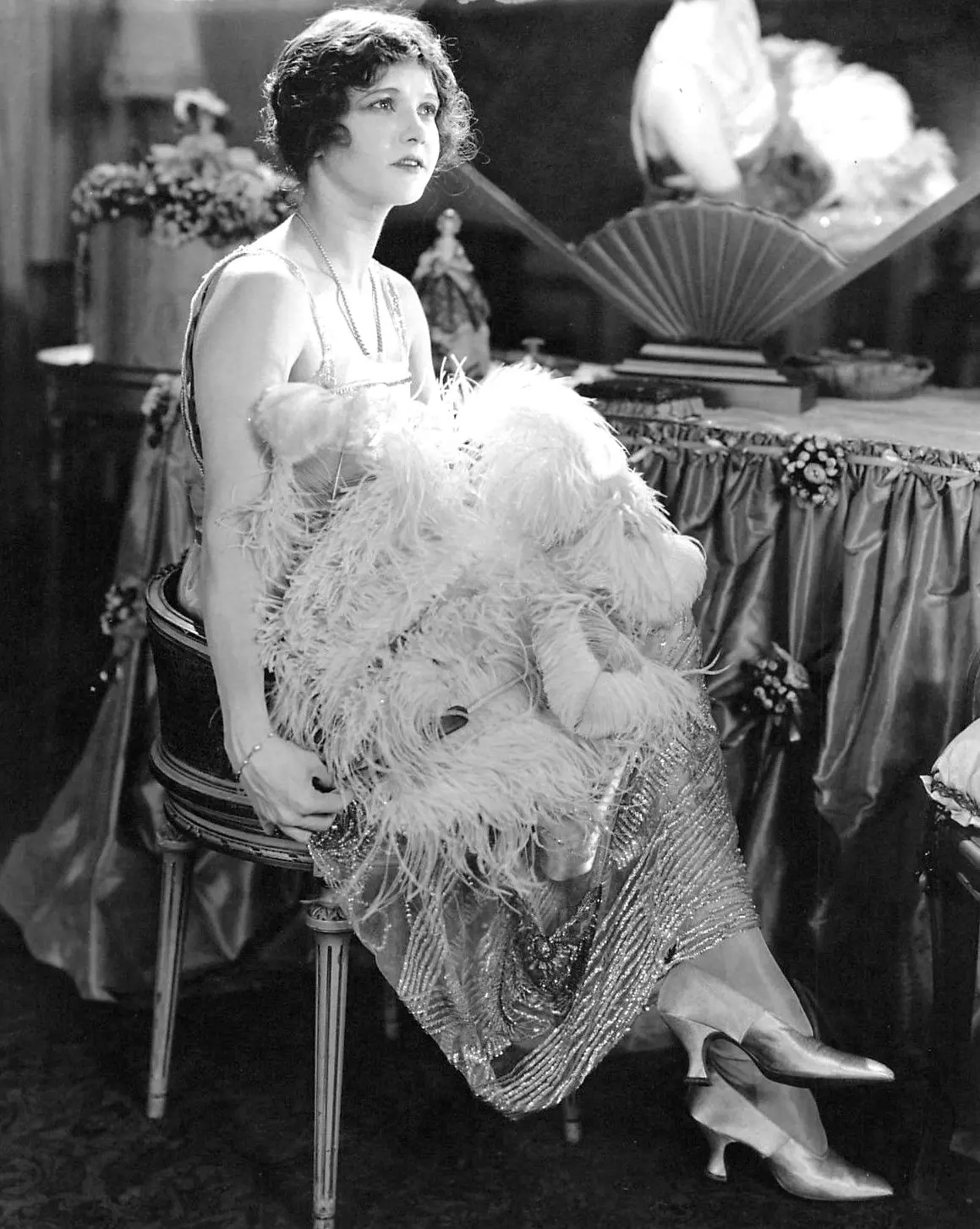
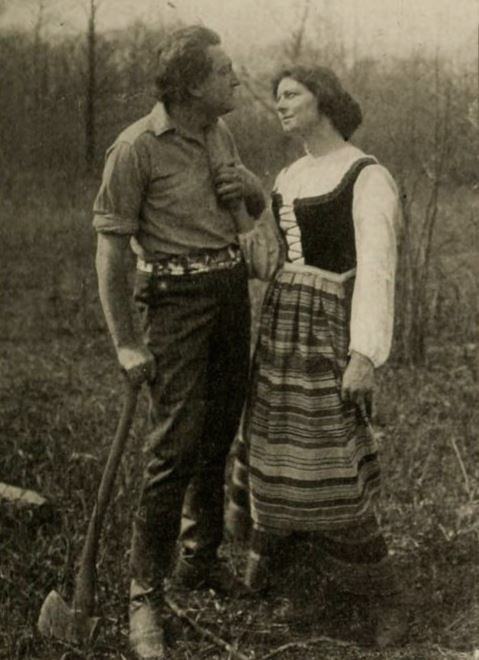
The allure of cult cinema often lies in its willingness to confront the uncomfortable. Long before the counter-culture movements of the 1960s, early cinema was already grappling with themes of racial tension and social rejection. Take, for instance, the 1917 film The Bronze Bride. In this narrative, a white fur-trapper brings his Indian bride, A-Che-Chee, back to 'civilization,' only to meet with a wall of disapproval. This friction between the individual and the collective is a cornerstone of the cult ethos. It highlights the inherent tragedy of the outcast, a theme that resonates through the decades into films that celebrate the 'other.'
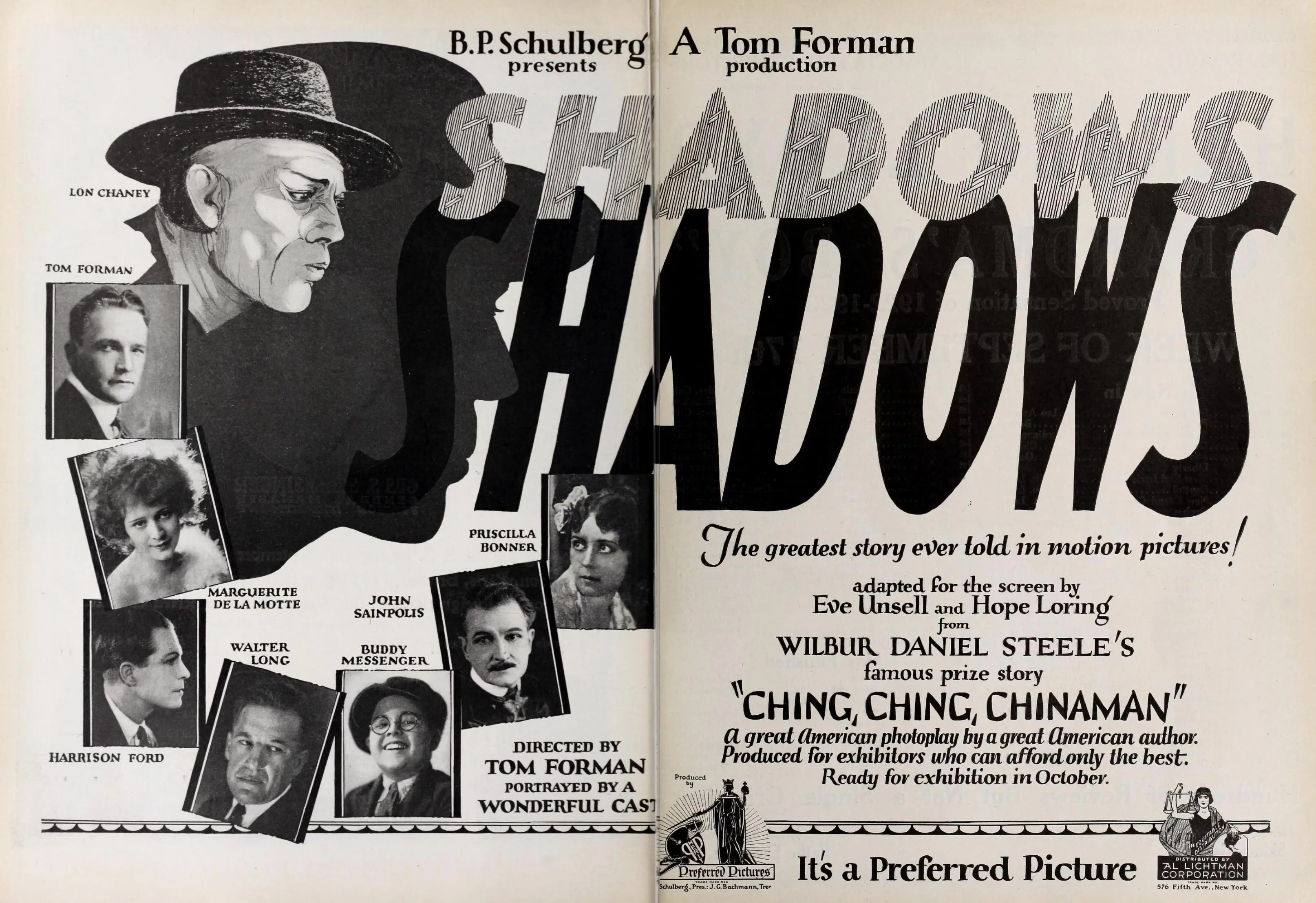
Similarly, The Jungle (1914) offered a raw, unvarnished look at the immigrant experience in Chicago. By depicting the financial hardship and systemic failures facing a Lithuanian immigrant, the film bypassed the escapism of its era to deliver a gut-punch of social realism. This grit, this refusal to look away from the grime of existence, is what transforms a simple movie into a cult artifact. It speaks to a specific audience—those who feel the weight of the world and seek validation in the struggles of the screen's most disenfranchised characters.
Metaphysical Horrors and the Manifestation of the Soul
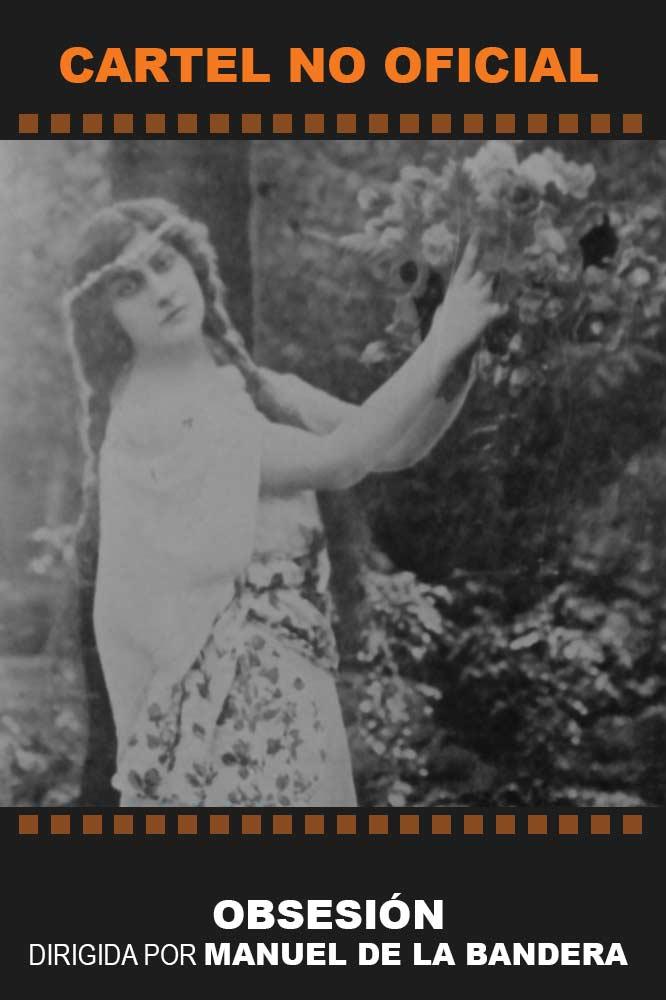
Cult cinema has always been a vessel for the supernatural and the surreal. The early silent era was obsessed with the duality of man, a concept perfectly encapsulated in Das Bildnis des Dorian Gray (1917). By manifesting the soul’s decay within a painting rather than the body, this variation of Oscar Wilde’s tale tapped into a primal fear of the unseen. It is this fascination with the 'spectral' that draws audiences to the midnight screen. We are not just watching a story; we are witnessing a haunting.
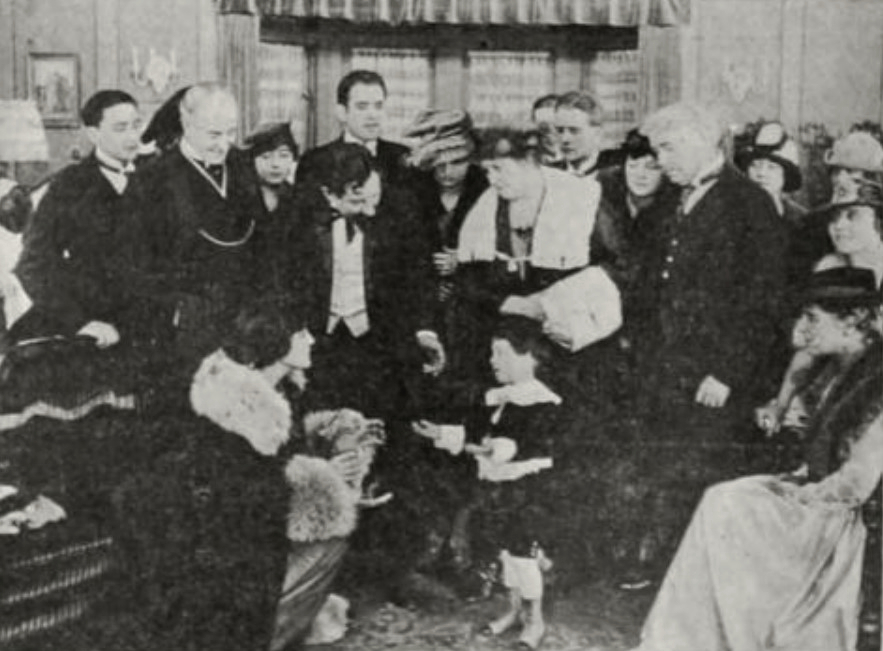
Even in shorter, more whimsical forms, the roots of cult weirdness are visible. The Ouija Board (1920) presents a world where an animator and a janitor are haunted by ghosts through a spirit board. This blend of the mundane and the macabre creates a sense of 'visual anarchy' that defines the cult aesthetic. It is a playful subversion of reality, much like the works of later surrealists who would find their home in the underground film circuits. When we look at Fortunato. 1. Der tanzende Dämon, we see the early experimentation with movement and the grotesque that would eventually evolve into the high-camp horror of the late 20th century.
The Moral Maverick: Rebellion Against the Sacred
Rebellion is the heartbeat of cult cinema. Whether it is a rebellion against the law, the church, or societal expectations, the 'maverick' figure is central to the narrative. In Högre ändamål (1921), we are presented with a 13th-century priest, Peder, who is forced to divorce his wife due to a church vote for celibacy. This conflict between personal love and institutional dogma is a powerful transgressive beat. It paints the protagonist as a victim of a rigid system, a theme that cult audiences—often feeling like outsiders themselves—gravitate toward with fervor.
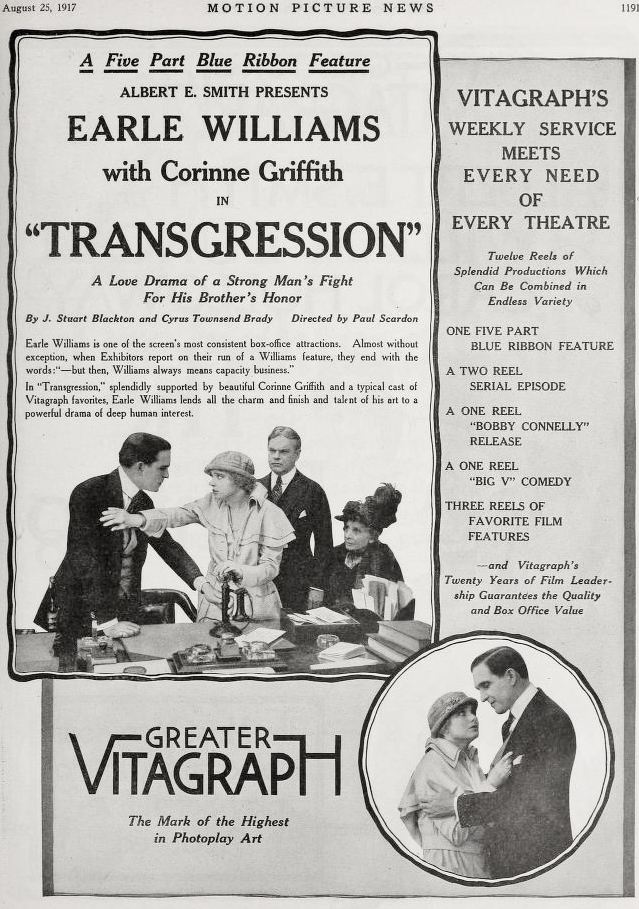
This spirit of defiance is also found in The Upheaval (1916), where a son attempts to dismantle the corrupt political ring established by his own father. The struggle to remain 'true' in a world of corruption is a narrative arc that never loses its potency. Cult films often serve as a manifesto for the moral outlaw, the person who chooses the difficult path over the easy one. In The Fighting Hope, we see Anna Granger assuming a false identity to prove her husband's innocence. This theme of 'the secret life' or the 'masked crusader' is a recurring motif that fuels the obsessive fandoms of today.
Identity and the Architecture of the Misfit
The very term 'cult' implies a specialized knowledge, a secret shared among the initiated. This mirrors the plots of many early films where identity is fluid, hidden, or stolen. In A Misfit Earl (1920), the title itself serves as a perfect descriptor for the cult hero. The struggle over inheritance and the clash between American and British values highlights the 'fish out of water' trope that is so prevalent in niche cinema. We see it again in Solomon in Society (1922), where a humble tailor dreams of Fifth Avenue grandeur. These stories of transformation—of the marginalized seeking their place in a world that doesn't want them—are the foundational myths of the cult canon.
Consider the tragedy found in Her Body in Bond (1918). A cabaret act is shattered by illness and distance, forcing the protagonist to navigate the predatory world of New York solo. This sense of isolation and the struggle to maintain one's integrity in the face of 'bondage' (literal or social) is a recurring theme in the history of transgressive film. It is the 'unseen narrative,' the story of the person who falls through the cracks, that becomes a lighthouse for those who feel similarly adrift.
Global Fringes and the Universal Language of Obsession
Cult cinema knows no borders. The early 20th century saw the birth of cinematic rebellion across the globe. From the Portuguese drama A Rosa do Adro (1919), which explores forbidden love, to the historical pageantry of Desfile histórico del centenario (1910) in Mexico, the impulse to document the soul of a people—often through its most dramatic and heart-wrenching stories—is universal. These films were the precursors to what we now call 'world cinema,' but they were also the first to cultivate local 'cult' followings based on shared history and cultural trauma.
Even the more 'adventurous' titles, such as Kidnapped (1917) or The Man Who Won (1919), contributed to the cult mindset by emphasizing the 'journey into the unknown.' Whether it is dodging redcoats in the Scottish Highlands or hiding platinum in the Malay Peninsula, these films offered a sense of escape that was grounded in a certain 'maverick' spirit. They were not just movies; they were expeditions. For the cult viewer, the act of watching a film is, in itself, an expedition—a search for meaning in the obscure and the forgotten.
The Aesthetics of Failure and the Beauty of the Flaw
One of the most fascinating aspects of cult cinema is its relationship with 'failure.' Many films that are now considered cult classics were initially ignored or panned by critics. They were seen as 'misfits' in the marketplace. The Triumph of the Weak (1918) tells the story of a paroled woman trying to reclaim her child and her life. It is a story of struggle, of a woman fighting against a system that has already labeled her a failure. This 'aesthetic of failure'—the celebration of the broken, the low-budget, and the unpolished—is what gives cult cinema its unique texture.
In Tropical Love (1921), we see characters defined by their labels: 'The Drifter' and 'The Seeker.' These are not people with status; they are people with needs, searching for connection in a world that has discarded them. The film’s Puerto Rican setting and its focus on a father-daughter reunion through the fog of memory and feeblemindedness create a haunting, atmospheric experience. It is this atmosphere, this 'feeling' that transcends plot, which defines the cult experience. It is why we return to films like The Seal of Silence or The Wandering Image—not necessarily for the story, but for the way they make us feel about the mysteries of heredity, love, and the human condition.
Conclusion: The Enduring Legacy of the Early Fringe
The cult cinema we celebrate today—the midnight screenings of weird horrors and transgressive dramas—is deeply rooted in the soil of the silent era. The films of 1910-1920 were the first to experiment with the themes that would become the hallmarks of the genre: the outsider, the rebel, the supernatural, and the socially uncomfortable. By examining films like Bare Knuckle Gallagher, The Bronze Bride, and The Jungle, we see a reflection of our own enduring desire for stories that challenge us, that speak to our inner misfits, and that refuse to conform to the safe, the sanitized, and the mainstream.
As we continue to unearth these forgotten reels, we realize that the 'midnight mindset' is not a modern invention. it is an ancient impulse. It is the desire to gather in the dark and witness the 'forbidden flicker' of the fringe. The Maverick Soul of cinema has always been there, waiting in the shadows of a 1919 Paramount-Bray Pictograph like Weaving, or in the comedic agility of The Sportsman. It is a legacy of anarchy, a creed of the outcast, and a testament to the enduring power of the unconventional image to cast an unbreakable spell on the human soul.
Community
Comments
Log in to comment.
Loading comments…