
Cult Cinema Deep Dive
The Ghost in the Projector: Unearthing the Transgressive DNA of Cinema’s Early Misfits
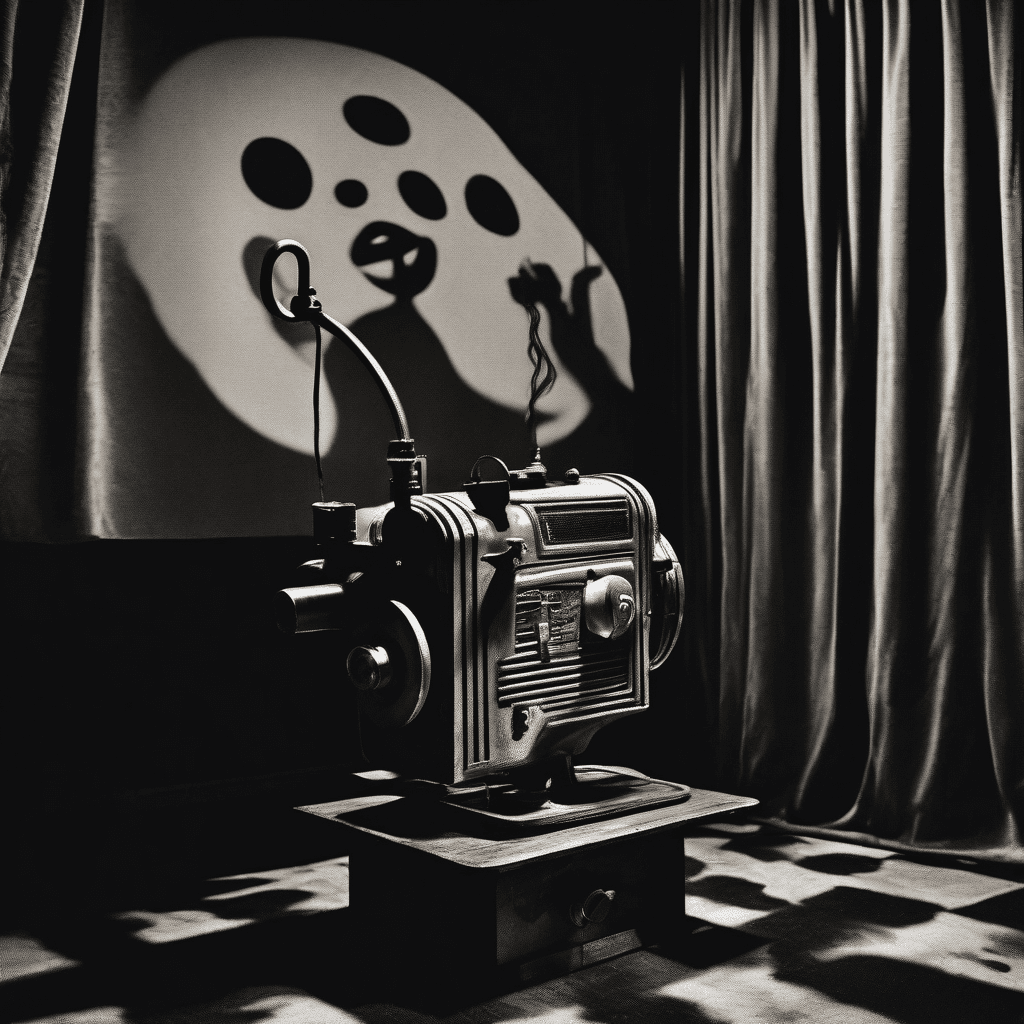
“A deep dive into how the silent era's most bizarre, transgressive, and overlooked films created the foundational blueprint for modern cult cinema worship.”
When we discuss the history of cult cinema, the conversation often gravitates toward the neon-soaked midnight movies of the 1970s or the transgressive video nasties of the 1980s. However, the true genetic blueprint of the cult movie soul was forged much earlier, in the flickering shadows of the silent and early sound eras. Long before audiences threw toast at the screen or donned leather for midnight screenings, a collection of maverick filmmakers and overlooked narratives were already pushing the boundaries of social norms, psychological depth, and narrative structure. These films, often dismissed as mere ephemeral entertainment in their time, contained the seeds of what we now recognize as the cult aesthetic: the embrace of the weird, the celebration of the outcast, and the subversion of the mainstream status quo.
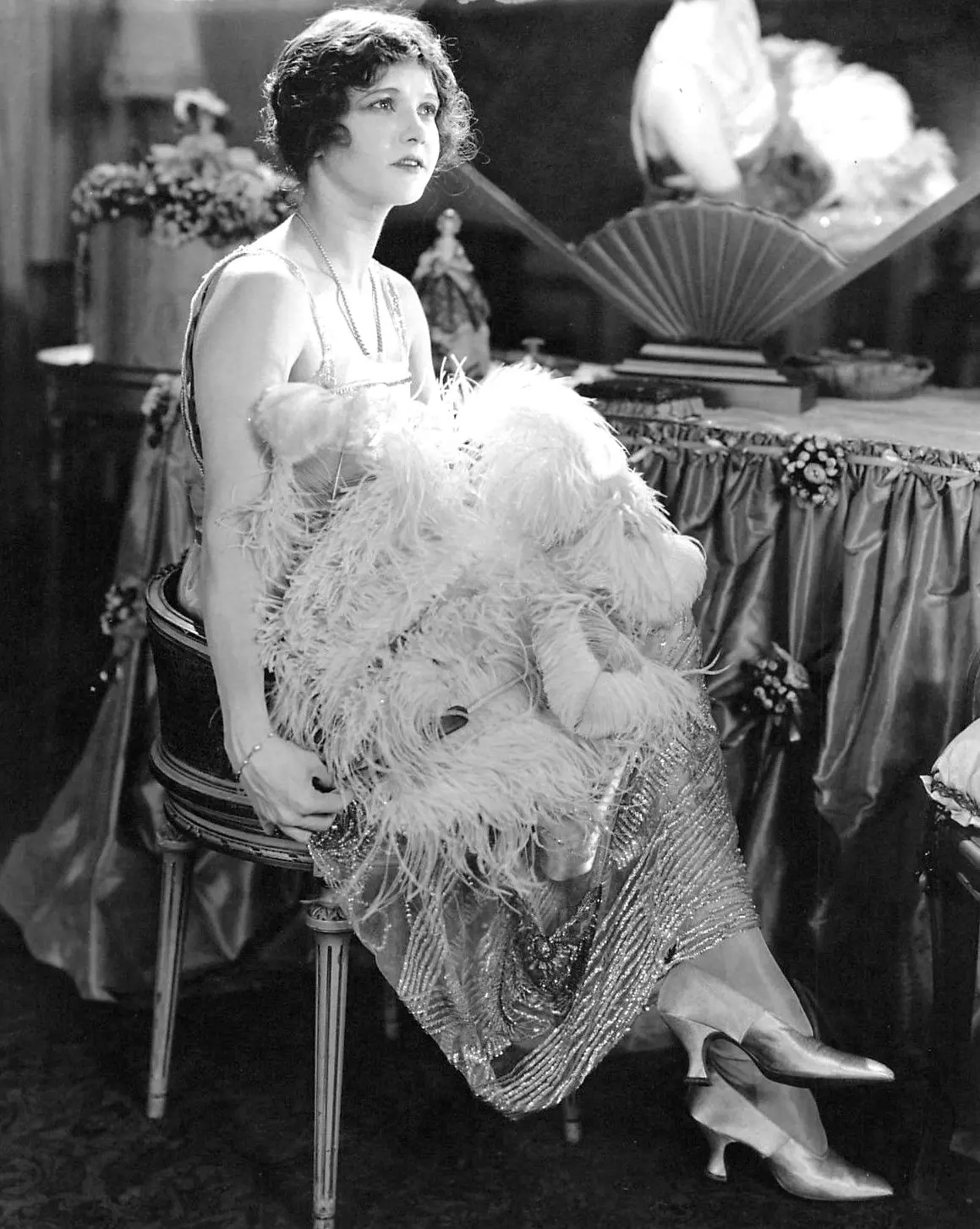
The Psychic and the Split: Exploring the Internal Abyss
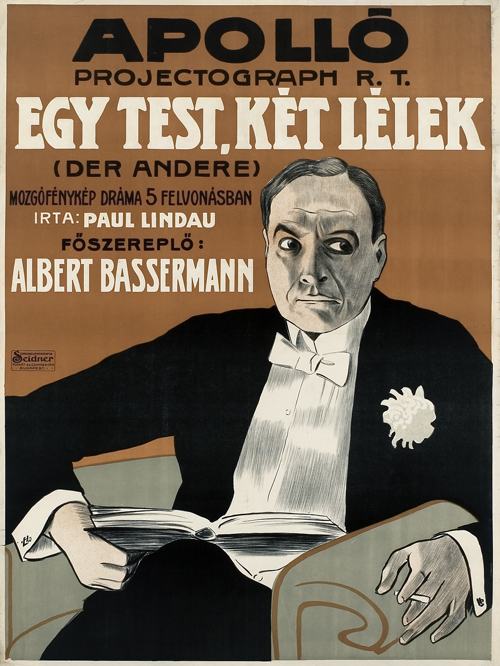
One of the most potent hallmarks of cult cinema is its obsession with the fractured psyche. We see this in the early 1920s with films like Der Andere (1913/1923), which explored the terrifying reality of a split personality long before modern psychological thrillers became a staple of the fringe. In this narrative, a man discovers that his alternate self is actively aiding a criminal to rob his own home—a metaphor for the self-destructive impulses that cult fans find endlessly fascinating. This theme of the 'unseen self' is echoed in The Witching Hour, where Jack Brookfield, a gentleman gambler, discovers he possesses psychic powers that allow him to manipulate the world around him. These films didn't just tell stories; they explored the liminal spaces of human consciousness, a core tenet of the cult experience.
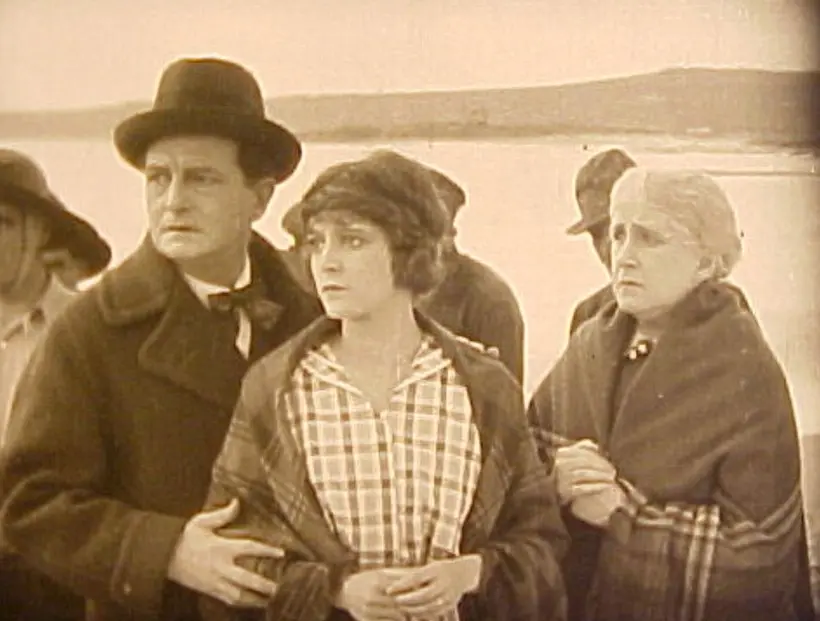
Similarly, the concept of the 'double' or the 'replacement' appears in Putting One Over, where two strangers who bear a striking resemblance—save for hair color—find their lives entwined in a mental sanatorium. The recurring motif of the asylum and the loss of identity in early cinema provided a fertile ground for the 'midnight mindset.' These films forced audiences to question the stability of their own reality, a hallmark of the transformative power of cult viewing.
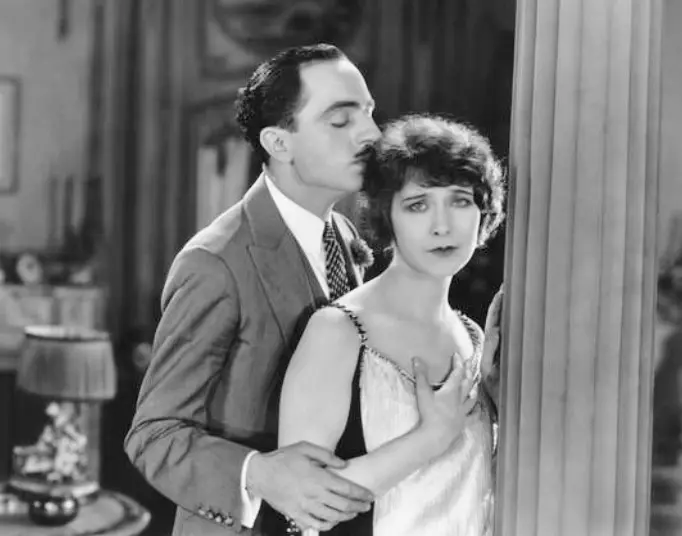
The Transgressive Body: Branding, Betrayal, and the Grotesque
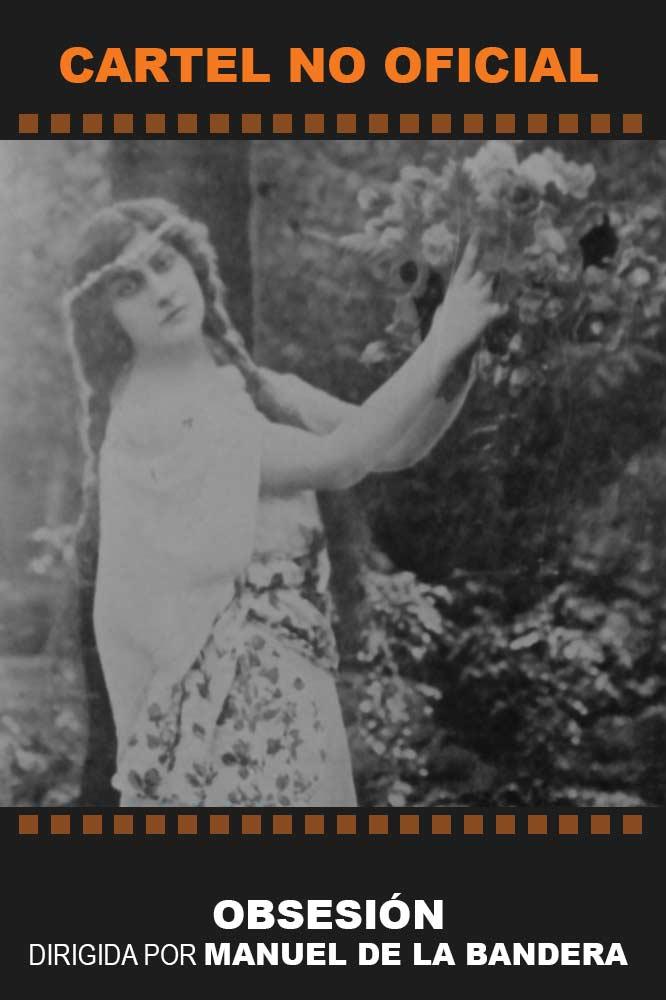
Cult cinema has always been a sanctuary for the transgressive, and few early films illustrate this as viscerally as The Branding Iron. The story of Pierre Landis, who brands his wife Joan to mark her as his property, is a shocking exploration of jealousy and bodily autonomy that feels remarkably modern in its brutality. It is this kind of raw, uncompromising imagery that separates the 'polite' cinema of the era from the 'proto-cult' underground. The subsequent rescue of Joan by a playwright named Prosper Gael adds a layer of meta-commentary on the nature of storytelling itself—a theme that would later define the works of cult icons like David Cronenberg or Clive Barker.
Then there is the haunting spectacle of He Who Gets Slapped. Lon Chaney’s portrayal of a bitter clown who seeks to rescue the woman he loves from the very count who betrayed him is a masterclass in the 'grotesque-heroic.' The clown, a figure both tragic and terrifying, became a central archetype in the cult pantheon. The film’s focus on betrayal, physical humiliation, and the mask of performance resonates with the 'masking' of identity found in subcultures today. It is a film that refuses to offer easy comfort, choosing instead to dwell in the melancholy of the fringe.
Outlaws and Underworlds: The Allure of the Forbidden
The cult obsession with the criminal underworld and the 'honorable thief' is deeply rooted in films like The Edge of the Law. Here, we meet Nancy Glenn, a student in a 'school for crooks' who disguises herself as a boy named 'Spider.' This early use of gender-bending and the criminal-as-protagonist prefigures the counter-cultural rebels of the 1960s. The slum settings of Crooked Streets, where a secretary is drawn into the Shanghai underworld, further emphasize the cult cinema's desire to look where others turn away. These films offered a voyeuristic glimpse into the 'other side' of the tracks, a journey into the shadowy corners of global society.
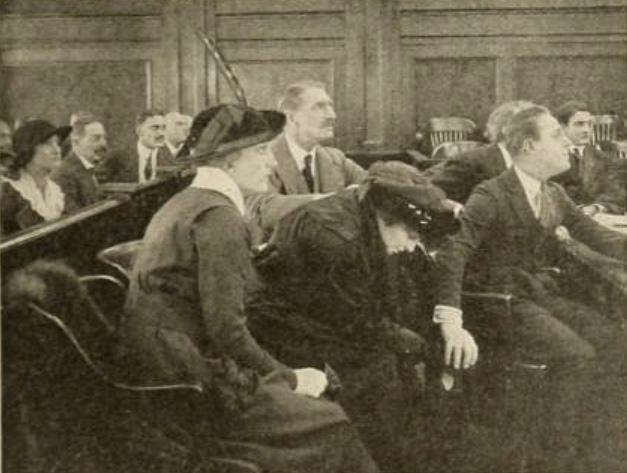
In The Strangers' Banquet, we see the collision of industrial power and anarchist labor agitation. By centering the story on Derith Keogh’s shipyard and the unreasonable demands of a labor agitator, the film tapped into the political anxieties of the age. Cult cinema often thrives on these moments of social friction, where the friction between the individual and the system creates a narrative fire that mainstream cinema is often too timid to touch.
Defying the Binary: Gender and the Maverick Spirit
Long before the 'Final Girl' or the subversion of gender roles became academic talking points, early cinema was experimenting with female agency in radical ways. Take The Stampede, featuring Tex Henderson, a Western woman so skilled at riding that the man she loves rejects her for being 'too mannish.' Tex’s refusal to conform to traditional femininity, and her subsequent participation in a land run, makes her a proto-feminist icon of the fringe. This defiance of gender binaries is also present in Texas of the Mounted, where a sister takes up the trail of her murdered twin brother, leading the killer to believe she is a vengeful ghost. The 'ghostly' presence of a woman assuming a masculine role of vengeance is a classic cult trope—the return of the repressed in a physical form.
Even in comedies like Dew Drop Inn, we see a clash between traditional lawmen and a female film director with an all-female cast. This meta-cinematic approach—a film about making a film within a narrative of chaos—highlights the self-reflexive nature of cult movies. It celebrates the act of creation as a rebellious act, a sentiment shared by every independent filmmaker who has ever fought to get their weird vision onto a screen.
The Melodrama of the Misfit: Love, Loss, and the Absurd
The emotional core of cult cinema often lies in the 'misfit'—the character who simply doesn't fit into the domestic bliss promised by the era's standard romances. In The Vice of Fools, we see the tragedy of a love affair broken by a disapproving mother, leading to a downward spiral of infatuation and unrequited longing. This 'heightened' emotion is the lifeblood of cult melodrama. Similarly, The Fettered Woman tells the story of Angelina Allende, an orphan left behind by her father's failed real-estate visions. These are stories of people left behind by the 'American Dream,' the very people who would eventually find a home in the dark theaters of the midnight movie circuit.
Sometimes, this melodrama veers into the absurd, as in Too Much Married or Pretty Lady, where the simple act of eloping or renting a beach bungalow devolves into absolute chaos. The 'chaos of the domestic' is a recurring theme in cult comedy, reflecting a distrust of the traditional family unit. Whether it's the 'spite bride' in The Spite Bride entering a scheme for money or the 'primitive lover' caught between a husband and a handsome adventurer in The Primitive Lover, these films suggest that human relationships are far more volatile and strange than society cares to admit.
The Legacy of the Forgotten Archive
Why do these films, many of which are nearly a century old, still matter to the cult enthusiast? It is because they represent the raw, unrefined energy of a medium still discovering its own power to subvert. In The Adventures of Peg o' the Ring, the circus setting provides a literal 'freak show' backdrop for a narrative of mystery and leopards—a precursor to the 'circus-core' aesthetic that permeates cult classics like Jodorowsky’s *Santa Sangre*. In The Royal Slave, the escape from a 'Temple of the Lion' and fanatical men creates a sense of high-stakes exoticism that would later be mined by grindhouse and exploitation cinema.
Even the more obscure titles, like Riquette et le nouveau riche or Tajemnica przystanku tramwajowego, contribute to this tapestry. They are the 'lost' artifacts of a culture that was already obsessed with the strange and the specific. When we watch The Child Thou Gavest Me, where a bride reveals her motherhood on her wedding day, we are seeing the early sparks of the 'shocker' ending. When we see the 'hun within' a family conflict in The Hun Within, we see the origins of the political thriller that questions the very nature of loyalty and home.
Conclusion: The Eternal Flame of the Maverick
Cult cinema is not a genre; it is a relationship between the audience and the unusual. It is the act of finding beauty in the 'failed' experiment, the transgressive image, and the narrative that refuses to play by the rules. The films of the early 20th century, from the psychic gambles of The Witching Hour to the vengeful ghosts of Texas of the Mounted, prove that the human desire for the 'other' is timeless. We gather in the dark—whether it’s a dusty nickelodeon or a modern streaming platform—to see the parts of ourselves that the world tells us to hide. We look for the clowns, the crooks, the psychics, and the branded. We look for the ghost in the projector, the spirit of rebellion that ensures that as long as there is a story to be told, there will be a misfit waiting to tell it in the most unconventional way possible.
As we continue to excavate the history of film, we must remember that the 'mainstream' is merely a narrow path through a vast, wild forest of creativity. The true history of cinema is written on the fringes, in the reels of films like Worlds Apart and The Lonesome Chap, where the lonely, the strange, and the defiant reign supreme. This is the enduring legacy of cult cinema: a testament to the fact that the most powerful visions are often the ones that were never meant to be seen by everyone, but were destined to be loved by a few, forever.
Community
Comments
Log in to comment.
Loading comments…