
Cult Cinema, Deep Dive
The Maverick's Midnight Canvas: Painting Enduring Fandoms with Unconventional Cinematic Strokes
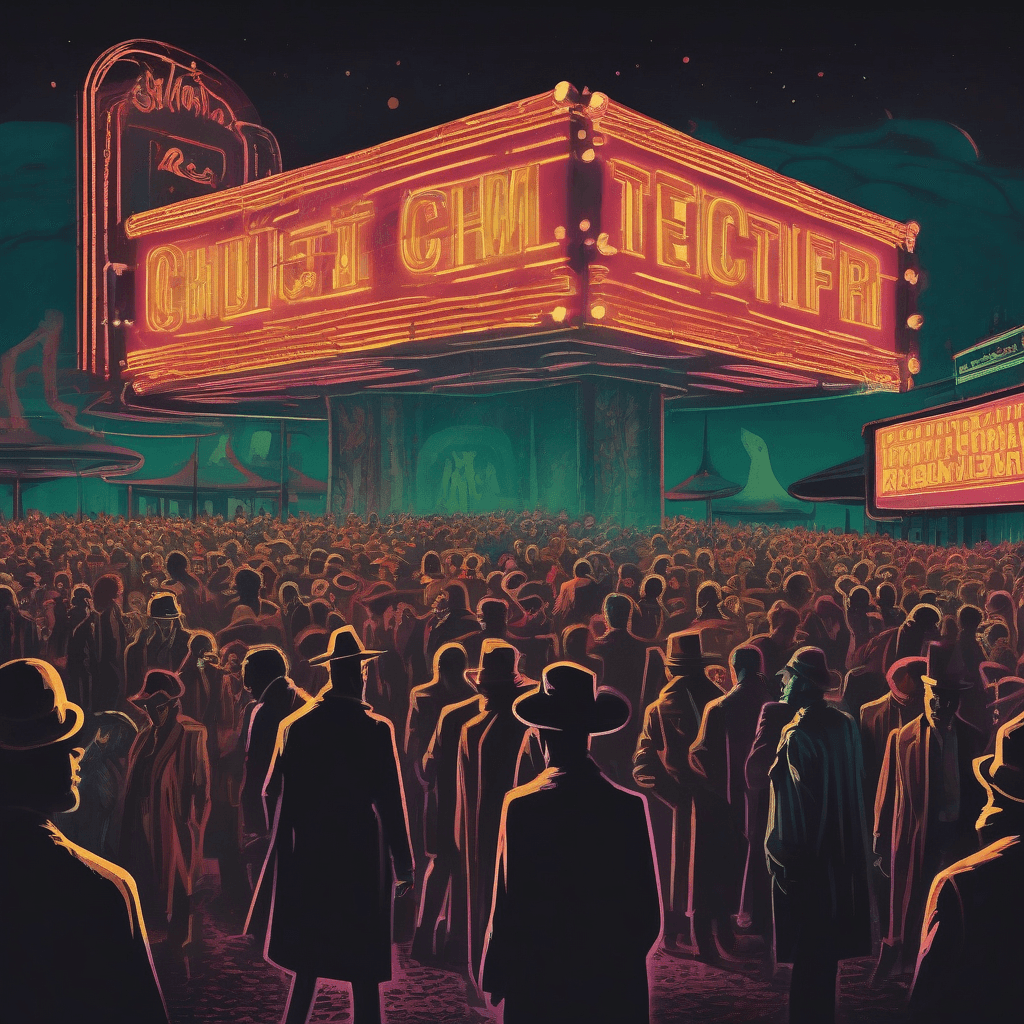
“Cult cinema thrives in the shadows of the mainstream, transforming overlooked films into cherished icons and forging passionate communities around their unique, often transgressive, narratives. This deep dive explores the enduring allure and transformative power of these cinematic outcasts.”
In the vast, ever-expanding universe of cinema, some films are born to shine brightly under the commercial glare of the marquee, while others, the fascinating and often bewildering cult films, find their true luminescence in the flickering shadows of midnight screenings and dedicated fan gatherings. These aren't just movies; they are cultural touchstones, secret handshakes, and shared obsessions that defy easy categorization and reject the fleeting whims of mainstream appeal. From silent era curiosities to modern genre-benders, cult cinema offers a sanctuary for the unconventional, a testament to the idea that true art often blossoms on the fringes.

What defines a cult film? It's more than just box office performance, or lack thereof. It's an alchemical blend of transgressive themes, idiosyncratic aesthetics, narrative audacity, and perhaps most crucially, an intensely loyal and participatory fanbase. These are the films that critics often dismiss, audiences initially ignore, but a devoted few champion, nurturing them from obscurity into iconic status. They are the cinematic equivalent of a whispered legend, passed from one enthusiast to another, growing in mystique and meaning with each re-watch and every shared experience.

The Genesis of the Unconventional: Early Cinema's Maverick Spirit
To truly understand the enduring power of cult cinema, we must journey back to its primordial soup: the early days of filmmaking. The silent era, a period of boundless experimentation and nascent narrative forms, inadvertently laid the groundwork for many of the characteristics we now associate with cult classics. With no established rulebook, filmmakers were free to explore bizarre concepts, push moral boundaries, and craft stories that, while perhaps not universally embraced, possessed a singular vision.
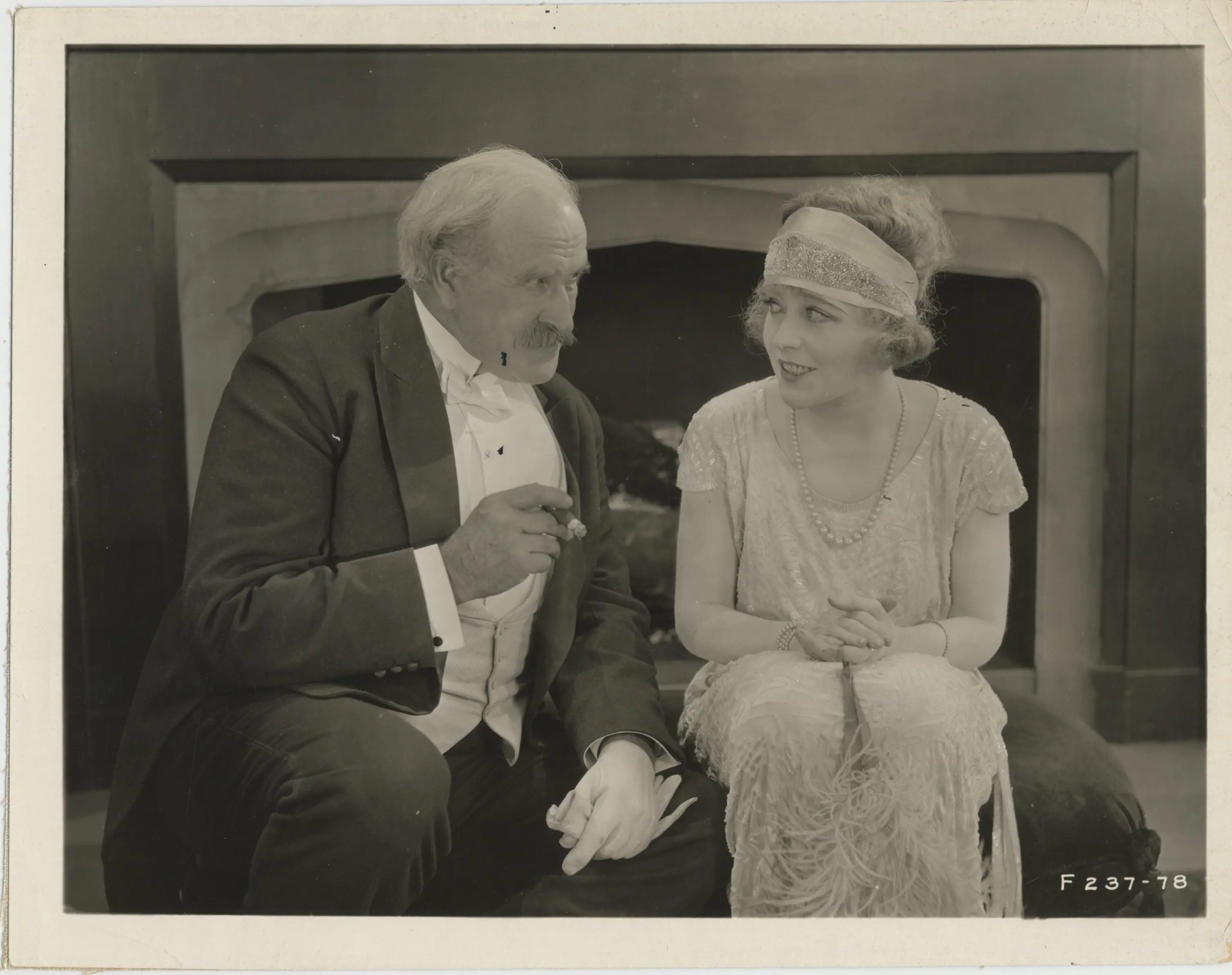
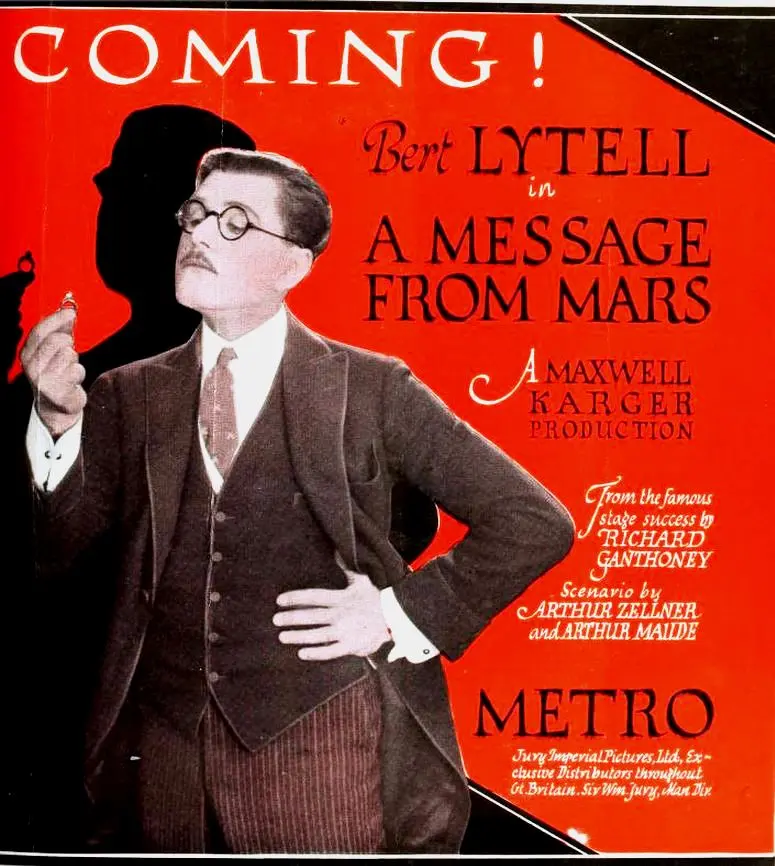
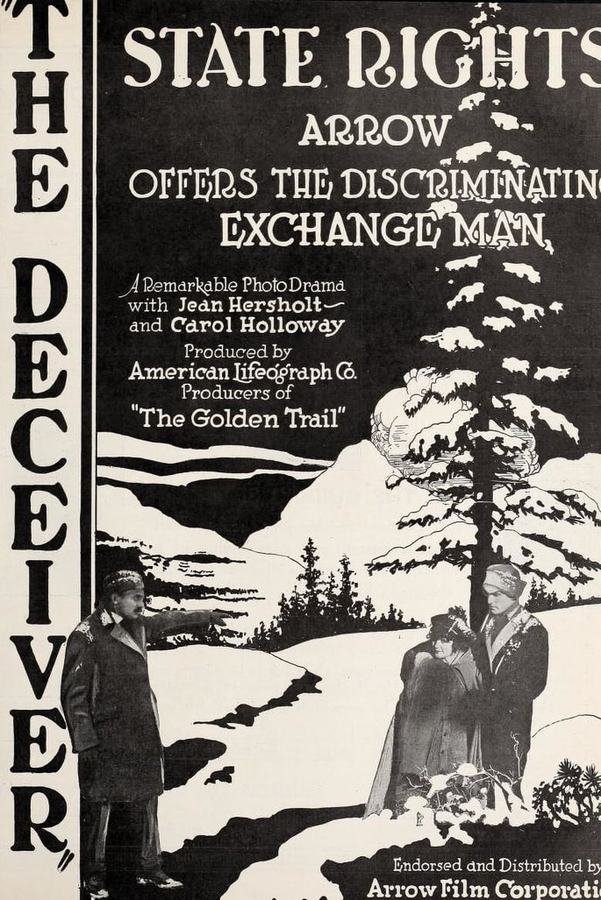
Consider films like A Message from Mars (1921), a sci-fi fantasy comedy that, even a century ago, blended genres in a way that might have seemed peculiar to contemporary audiences. Or the melodramatic depths of The Deceiver and The Unpainted Woman, which, in their earnest exploration of human folly and societal constraints, might resonate differently with modern sensibilities, revealing layers of unintended commentary or camp appeal. These early cinematic efforts, often produced with limited resources and bold ambition, frequently stumbled upon a raw authenticity or an accidental surrealism that, over time, would become catnip for future generations of cult film aficionados.
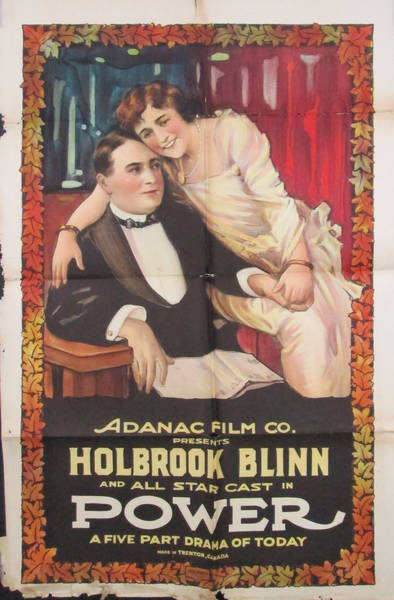
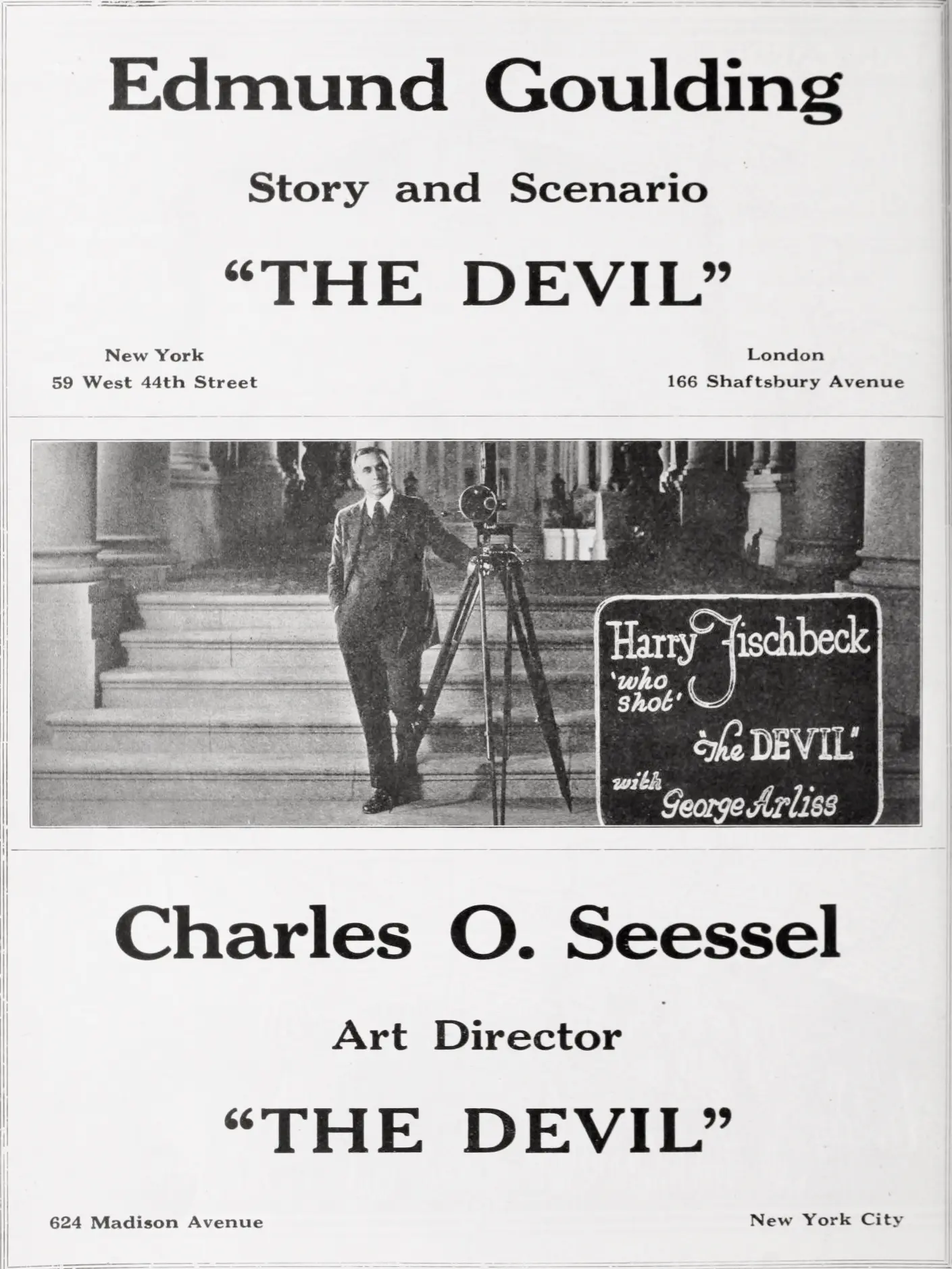
The very act of making films in this era was an act of rebellion against the status quo, a new medium carving its own identity. Films such as Dyavolat v Sofia (The Devil in Sofia), with its unique premise of the devil taking a vacation to a human city, or the pioneering animation of Le Voyage Abracadabrant, showcase a fearless desire to experiment with storytelling and visual language. These were not always commercial successes, but their sheer inventiveness planted the seeds for a cinematic culture that would celebrate the odd, the overlooked, and the truly original.
Narratives of the Outsider and the Outré: Decoding Subversive Storytelling
At the heart of many cult films lies a narrative that speaks to the outsider, the rebel, or simply the profoundly weird. These are stories that often challenge conventional morality, societal norms, or even the very fabric of reality. They present worlds and characters that refuse to conform, offering a subversive mirror to the audience's own experiences of alienation or longing for something more.
From the dramatic struggles against corruption in Beyond the Law to the historical upheaval depicted in Orphans of the Storm or The Independence of Romania, many early films, while perhaps not intentionally transgressive, tackled weighty themes with an intensity that could be re-read as radical. The raw emotion and stark portrayals of injustice or hardship in these dramas often created a visceral experience that transcended their initial viewing context.

Even seemingly straightforward genre pieces often contain a kernel of the cult aesthetic. A crime drama like The Forged Bride might delve into moral ambiguities, while a western like Whispering Smith could present an anti-hero whose methods blur the lines of justice. These narratives, whether through explicit defiance or subtle subversion, invite viewers to question, to interpret, and to find meaning beyond the surface-level plot. They foster an active viewership, transforming passive observers into engaged participants in the film's evolving mythology.
Aesthetics of Anarchy and Authenticity: The Visual Language of the Fringe
Beyond narrative, the visual and stylistic choices of cult films are often just as unconventional and compelling. Sometimes, it's a deliberate artistic statement; other times, it's born out of budgetary constraints, leading to a raw, unpolished look that paradoxically enhances its charm. This 'do-it-yourself' aesthetic, or an intentional departure from polished studio norms, can create a unique, unforgettable atmosphere that sets a film apart.

Early cinematic productions, by their very nature, were often characterized by a certain rawness. The nascent technology, the evolving grammar of film, and the sheer effort of translating ideas to the screen often resulted in a visual authenticity that modern, highly polished productions sometimes lack. Films like The Jackeroo of Coolabong, an Australian drama from the era, or the short documentary Balling the Junk, offer glimpses into different cultures and realities with an unfiltered lens that can be incredibly captivating for those seeking something beyond the homogenized mainstream.
The visual eccentricities, the bold directorial choices, or even the unintentional awkwardness in early films contribute to their cult appeal. A film that might have been considered technically imperfect or stylistically odd upon its initial release can, years later, be re-evaluated as a visionary work, a proto-punk statement, or a fascinating historical artifact. This embrace of the imperfect, the peculiar, and the unapologetically original is a hallmark of fringe cinema, allowing it to resonate with audiences who value artistic integrity and unconventional expression over commercial polish.
The Ritual of Rediscovery: From Obscurity to Icon Status
Perhaps the most defining characteristic of cult cinema is its journey from obscurity to beloved status. Many of these films are not immediate hits; they languish in relative anonymity, only to be resurrected by a dedicated few. This re-evaluation process is often fueled by word-of-mouth, critical reappraisal, or the accidental discovery by new generations of cinephiles seeking out the road less traveled.
The tradition of midnight movies played a crucial role in this phenomenon, offering a sacred space for the bizarre and the brilliant to find their congregation. Films that were too strange, too shocking, or too ahead of their time for general release found a natural home in these late-night screenings, where audiences were eager to engage with something different, something challenging, something that spoke to their own sense of being an outsider. Imagine an audience in the 1970s or 80s rediscovering the raw power of a silent drama like Whom the Gods Would Destroy, or the intricate character studies of Just a Wife or Silk Husbands and Calico Wives, and finding new meaning in their antiquated yet timeless themes.
The digital age has only amplified this process of cinematic resurrection. Streaming platforms, online forums, and digital archives have made it easier than ever to unearth forgotten gems and share them with a global audience. A film like The Stolen Treaty, a forgotten espionage thriller, or The Girl Who Won Out, a melodrama, can now find new life, sparking discussions and attracting fresh devotees who appreciate their historical context, their unique performances, or their unexpected narrative twists.
Beyond the Box Office: The Enduring Community of Fandom
What truly solidifies a film's cult status is the community it fosters. Unlike mainstream blockbusters, which often generate broad but superficial engagement, cult films inspire deep, often obsessive, devotion. Fans don't just watch these movies; they inhabit them. They analyze every frame, memorize every line, create fan art, write fan fiction, and participate in elaborate rituals during screenings.
This shared passion creates a powerful sense of belonging. For many, discovering a cult film is akin to finding a tribe, a group of like-minded individuals who appreciate the same offbeat humor, the same unsettling imagery, or the same profound philosophical questions embedded within these unconventional masterpieces. The social aspect is undeniable; these films become catalysts for connection, sparking friendships and igniting creative collaborations.
Even promotional shorts like The WAMPAS Baby Stars of 1922, while not cult films in themselves, point to the nascent celebrity culture that would later feed into the mythology of stars whose careers might take unexpected turns, leading their more unconventional works to be re-examined. The very act of re-watching, dissecting, and celebrating these films collectively transforms them from mere entertainment into shared experiences, rituals, and even forms of modern folklore.
The Maverick's Legacy: Shaping Cinematic Evolution
The influence of cult cinema extends far beyond its dedicated followers. These maverick films, once dismissed, often become critical touchstones, inspiring new generations of filmmakers and shaping the broader cinematic landscape. Their willingness to experiment, to break rules, and to embrace the bizarre often filters back into the mainstream, pushing the boundaries of what is considered acceptable or commercially viable.
The bold narrative choices in early dramas like The Target or The Lure of New York, the comedic timing in A Scrambled Romance or Fireworks, or the epic scope of The Pageant of San Francisco, all contribute to a rich tapestry of film history. While not all of these particular films may have achieved widespread cult status, they represent the fertile ground from which the cult phenomenon would eventually spring. They embody the spirit of innovation and daring that defines the best of fringe cinema.
Ultimately, cult cinema reminds us that the true value of a film is not always measured in box office receipts or critical accolades. It lies in its ability to connect with an audience on a deeply personal level, to challenge perceptions, and to endure through time, transforming from an overlooked curiosity into a beloved institution. These films, once outcasts, become the very heart of a vibrant, passionate, and ever-growing cinematic counter-culture.
In a world increasingly dominated by algorithms and homogenized content, the enduring allure of cult cinema serves as a vital reminder of art's power to provoke, to unite, and to create lasting legacies from the most unexpected of sources. It's a celebration of the weird, the wonderful, and the truly unique, a testament to the fact that sometimes, the greatest treasures are found not in the spotlight, but in the glorious, rebellious shadows.
Community
Comments
Log in to comment.
Loading comments…