
Cult Cinema
The Midnight Alchemist’s Blueprint: Decoding the Primal Weirdness and Enduring Power of Cinema’s Early Misfits
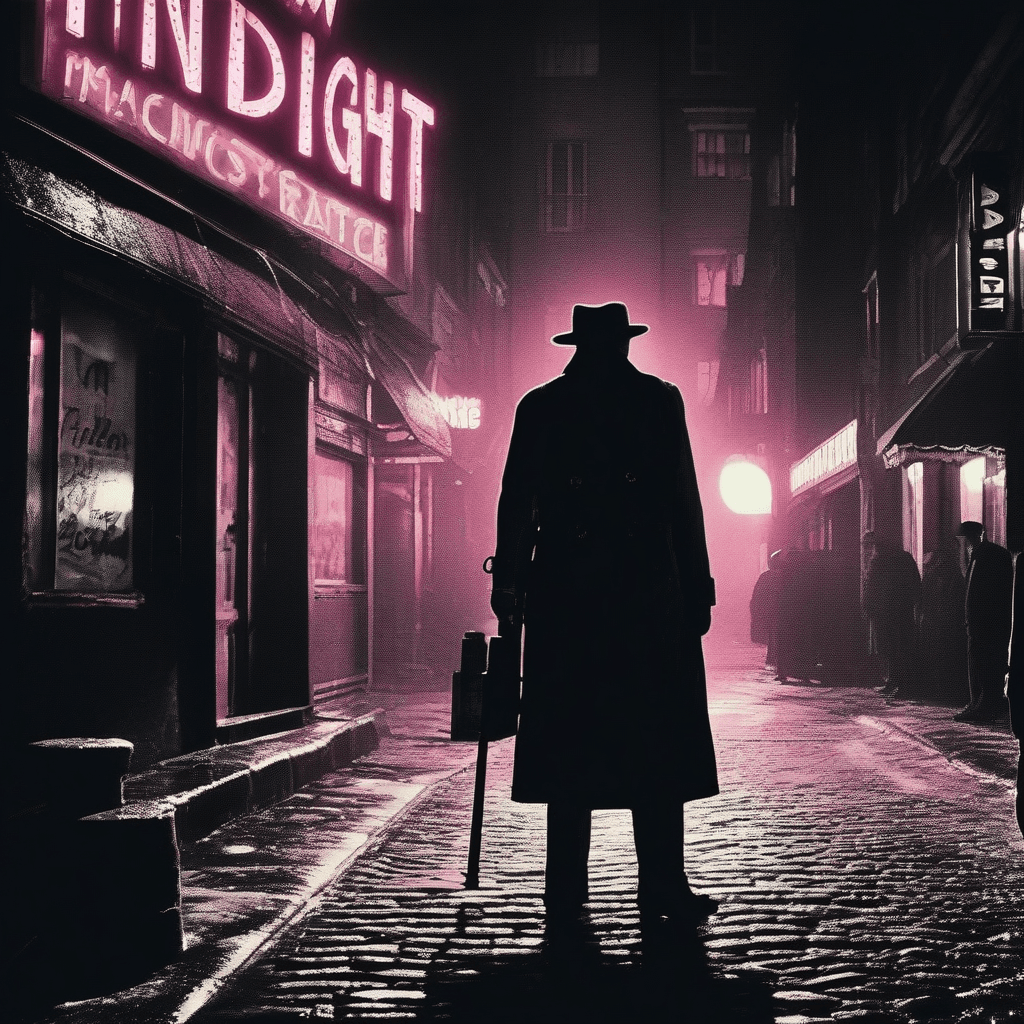
“A deep dive into the transgressive roots of cult cinema, exploring how the silent era's genre-bending anomalies and moral outcasts forged the DNA of modern niche devotion.”
Cult cinema is often described as a modern phenomenon—a product of 1970s midnight screenings and the rebellious counterculture of the VHS era. However, the true architecture of the abnormal was drafted much earlier, in the flickering shadows of the silent and early sound eras. To understand why we worship the cinematic outlier, we must look back at the Midnight Alchemists of the 1910s and 20s. These were the filmmakers and stories that dared to dwell in the margins, creating a blueprint for transgression that still resonates in the hearts of devoted fans today.
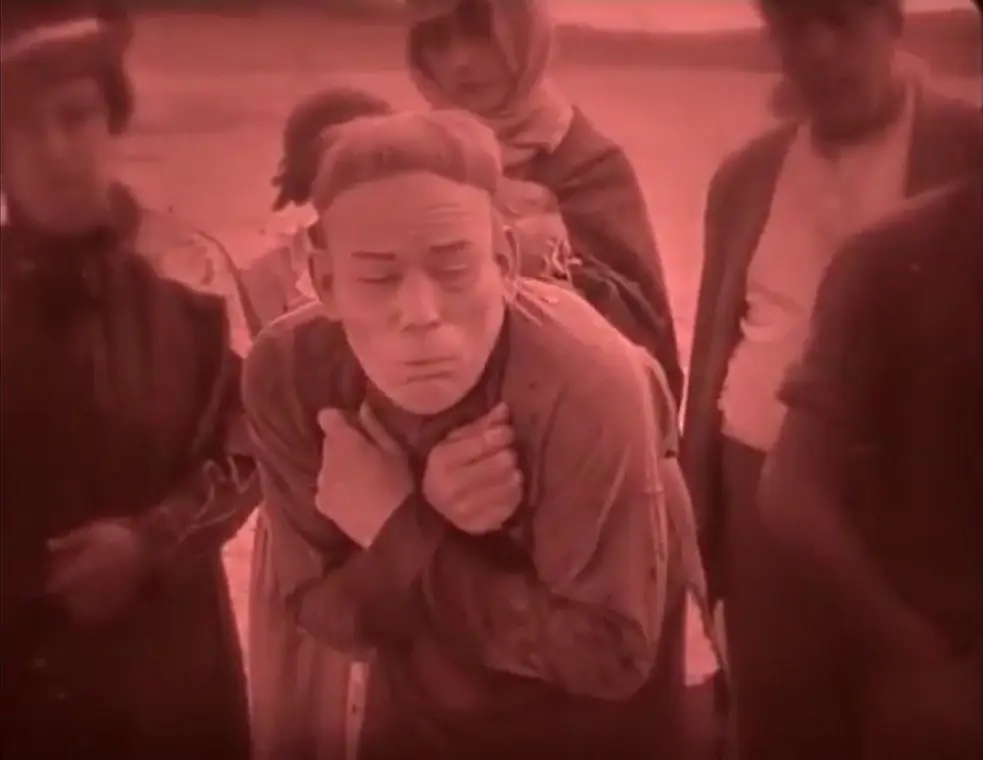
The Genesis of the Cinematic Outcast
The essence of cult cinema lies in its ability to speak to the disenfranchised. Long before the term 'cult film' was coined, movies like The Kid (1921) and The Madonna of the Slums were already exploring the lives of those on the fringes of society. In The Madonna of the Slums, we see the rich artist’s desperate search for a face that captures the soul of the street—a literal search for the sacred within the profane. This obsession with the 'authentic' misfit is the bedrock of niche devotion.
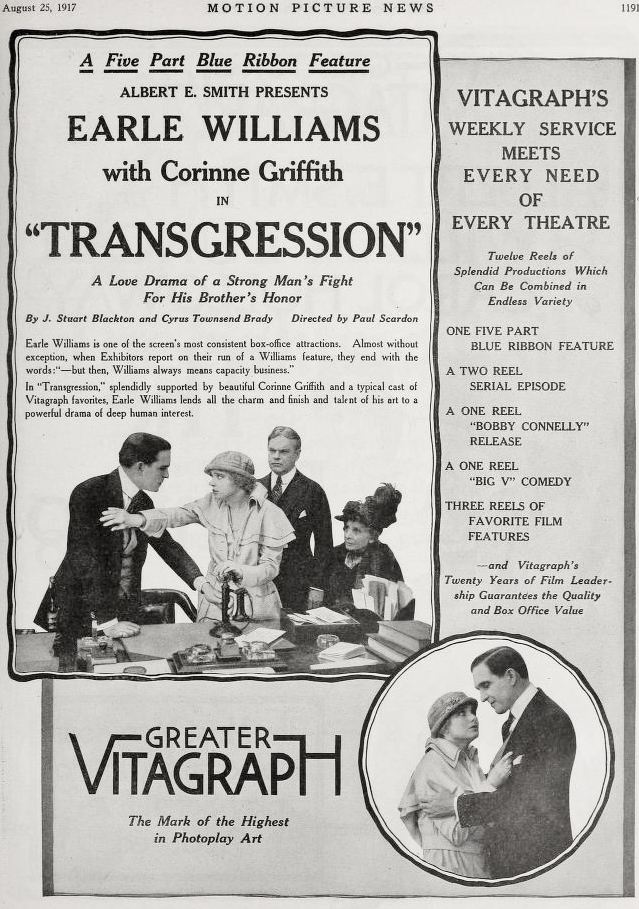
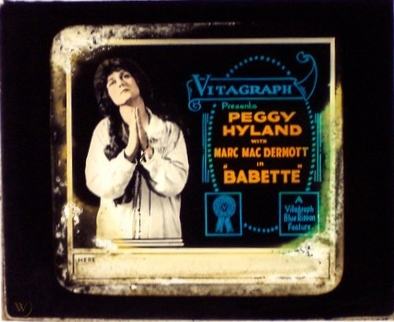
Consider the narrative of Babette, where a jailer’s daughter finds love with a criminal named Raveau. This intersection of purity and criminality creates a moral friction that mainstream cinema often avoids, but which cult audiences crave. It is in these gray areas—where the 'good' girl loves the 'bad' man—that the transgressive spirit of cinema was born. These films didn't just tell stories; they challenged the rigid moral structures of their time, much like the genre-defying works of the late 20th century.

Satanic Temptation and Moral Decay
One of the most potent elements of cult cinema is its flirtation with the occult and the forbidden. The 1917 Russian film Satana likuyushchiy (Satan Triumphant) serves as a primal example of this. When Pastor Talnox, a man who furiously urges his flock to resist temptation, falls victim to Satan himself, we see the birth of the cinematic heretic. This narrative of spiritual fall and theft pushed the boundaries of what was acceptable on screen, paving the way for the transgressive horror that would define the midnight movie circuit decades later.
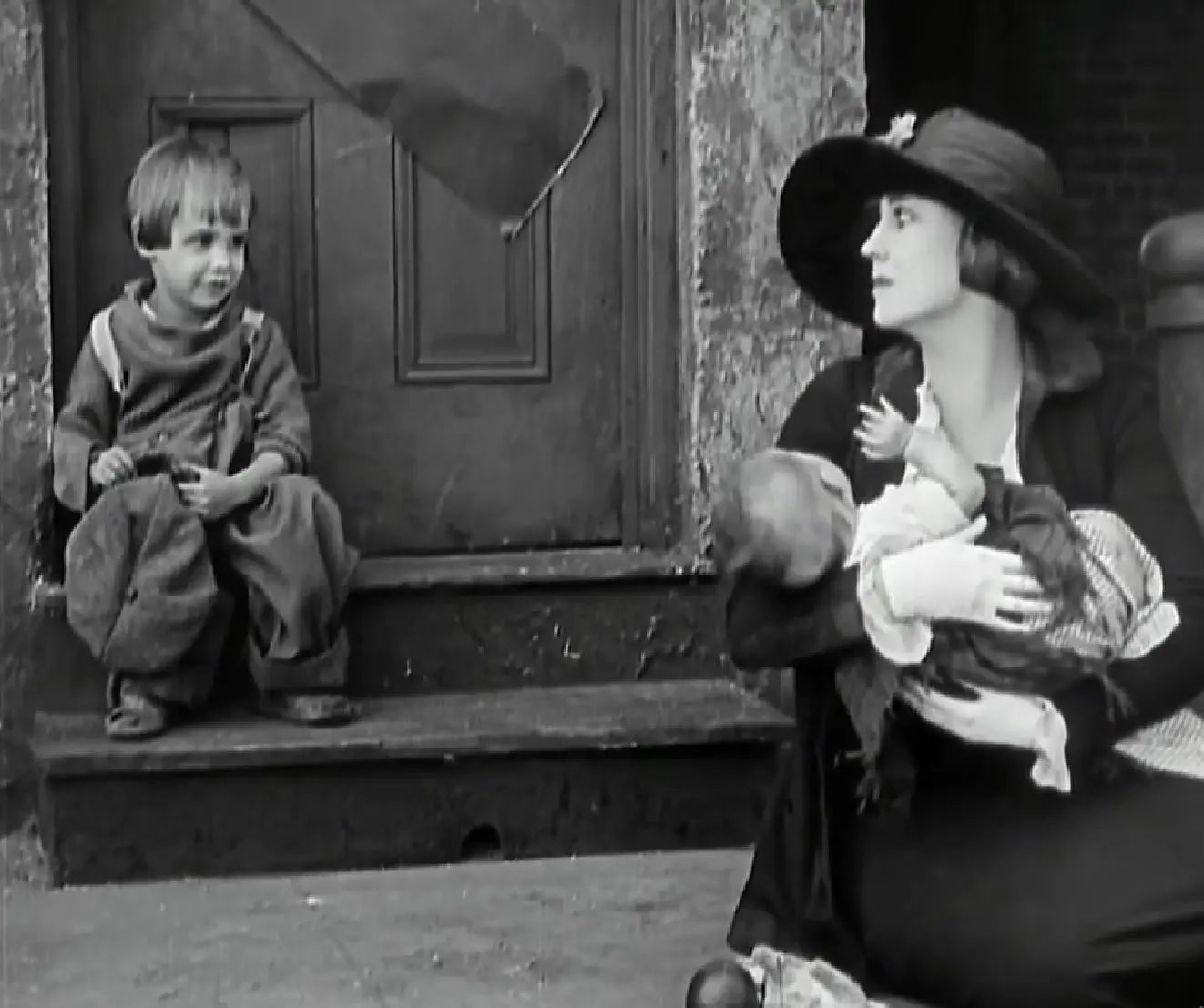
This theme of the 'enemy within' is a recurring motif in the early fringe. Whether it is the literal presence of the devil or the metaphorical rot of society seen in Vultures of Society, these films explored the darkness lurking beneath the surface of respectability. In Vultures of Society, the intrigue of a jewel thief masquerading as a prince creates a tension between class and criminality that is quintessentially 'cult.' It invites the audience to root for the subversion of the social order, a hallmark of rebel fandom.

The Weird Western: Anarchy on the Frontier
The Western genre, often seen as a bastion of traditional American values, has its own secret history of cult weirdness. Films like Cyclone Bliss and The Fighting Streak introduced characters who didn't fit the mold of the shining hero. Jack Bliss in Cyclone Bliss finds himself in the lawless 'Hell’s Hole,' a name that perfectly encapsulates the liminal spaces cult cinema loves to inhabit. These aren't just tales of cowboys; they are explorations of anarchy and the struggle for identity in a world without rules.

In The Fighting Streak, we meet Andy Lanning, a peace-loving blacksmith who is forced into a life of violence after a misunderstanding. This trope of the 'accidental outlaw' is a cornerstone of the cult hero archetype. It suggests that society, rather than the individual, is the true villain—a sentiment that echoed through the decades to the anti-heroes of the 1970s. These early Westerns were the proto-cult foundations of a genre that would eventually give us the spaghetti western and the acid western.
International Anomalies and the Global Fringe
Cult cinema has never been a localized phenomenon. The early 20th century saw a wave of international films that defied easy categorization. From the religious and political intrigue of Mexico's Tepeyac to the gritty crime dramas of Naples in 'A mala nova, the global fringe was already experimenting with narrative dissonance. Tepeyac, with its blend of diplomatic missions, German submarines, and religious visions, is a masterclass in genre mutation. It refuses to stay in one lane, moving from war drama to spiritual meditation with a fluidity that modern cult enthusiasts would find intoxicating.
Similarly, the German production Die närrische Fabrik (The Foolish Factory) and the Hungarian Névtelen vár (The Nameless Castle) suggest an obsession with the uncanny and the structural abnormal. These films often dealt with hidden identities, secret sisters (as seen in the dramatic La serpe), and the haunting weight of the past. They created a visual and narrative language of mystery and melodrama that served as a precursor to the gothic cult classics of the mid-century.
The Architecture of Embezzlement and Ruin
While many cult films focus on the supernatural, there is a significant subset that finds its 'weirdness' in the collapse of the mundane. The Street Called Straight and The Price of Tyranny offer a look at the psychological toll of financial and moral ruin. Henry Guion’s embezzlement of $400,000 in The Street Called Straight isn't just a plot point; it’s a catalyst for a descent into a world of social shame and desperate choices. This focus on the cracks in the facade of the elite is a theme that runs deep in the cult psyche.
In The Price of Tyranny, the ungovernable temper of a cotton mill owner leads to a tragic hunting accident involving his son. These stories of familial dysfunction and the 'sins of the father' provide a dark, emotional resonance that transcends their era. They are the melodramatic mutants of early cinema, providing a blueprint for the domestic cult dramas that would later captivate audiences in films like *Whatever Happened to Baby Jane?* or *Grey Gardens*.
Why the Early Fringe Matters Today
The enduring allure of cult cinema lies in its refusal to be forgotten. Many of the films mentioned—like Innocent, where a girl is kept in seclusion in Mukden, China, or The Labyrinth, with its lame sisters and predatory theatrical managers—deal with themes of entrapment and escape. These are universal human experiences, but they are presented through a lens that is distorted, heightened, and intensely personal.
When we watch Rent Free, a comedy about a penniless artist living in an abandoned house, we are seeing the early sparks of the 'bohemian cult' aesthetic. When we analyze The Man Who Took a Chance, we are witnessing the thrill of the gamble—the very same gamble that filmmakers take when they create something that doesn't fit the commercial mold. These films were the original cinematic anomalies, the sparks that eventually ignited the roaring fire of modern fandom.
The Sacred Ritual of Rediscovery
The process of becoming a 'cult' film often involves a period of obscurity followed by a passionate rediscovery. Many of these silent-era gems were lost or ignored for decades, only to be unearthed by historians and cinephiles who recognized their maverick spirit. Films like Father John; or, The Ragpicker of Paris—featuring a man who is a good soul but 'fond of the bottle'—offer a humanistic look at the dregs of society that feels remarkably modern.
This ritual of unearthing the 'lost' is central to the cult experience. It turns the act of watching a movie into a form of archaeology. Whether it's the strange romance of His Briny Romance or the historical significance of Thru the Roosevelt Country with Colonel Roosevelt, these reels represent a time when the rules of cinema were still being written. They are the unwritten scripture of a medium that has always been at its best when it is most daring.
Conclusion: The Legacy of the Maverick
As we look toward the future of cinema, the lessons of the early fringe remain clear. The films that endure are not always the ones that were most successful at the box office; they are the ones that dared to be different, to be difficult, or to be downright strange. From the moral mavericks of the 1910s to the midnight rebels of today, the lineage of cult cinema is a testament to the power of the unconventional.
The next time you find yourself in a darkened theater at 12:00 AM, waiting for a film that promises to challenge your perceptions, remember the Midnight Alchemists who came before. Remember Satana likuyushchiy, Cyclone Bliss, and Tepeyac. They were the original outcasts, the first to prove that in the world of cinema, the most powerful stories are often found in the shadows. Their blueprint remains our guide, a map to the beautifully broken heart of the cinematic underground.
Community
Comments
Log in to comment.
Loading comments…