
Cult Cinema Deep Dive
The Midnight Cartography: Mapping the Primal Subversions of Cinema's First Rogue Wave
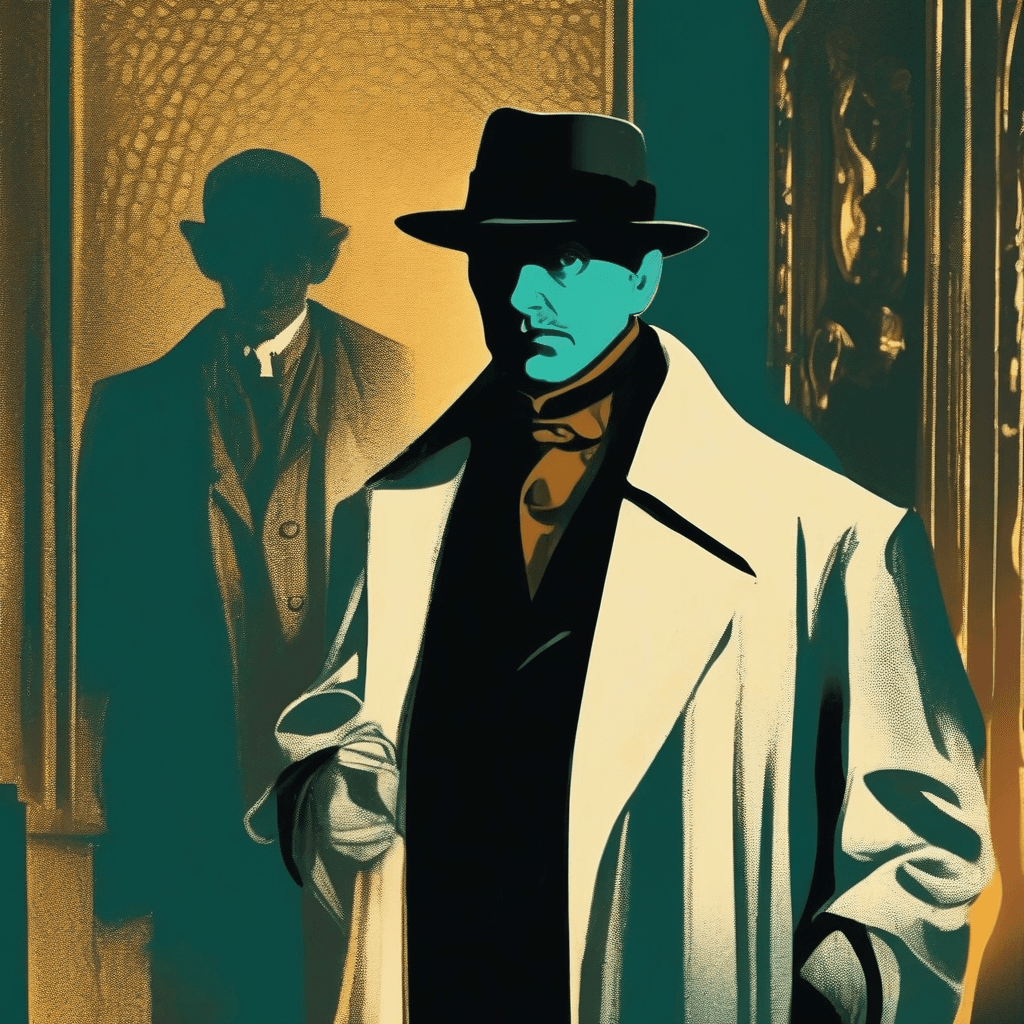
“A deep dive into the transgressive roots of cult cinema, exploring how the silent era's social outcasts and genre-bending narratives engineered the modern midnight movie psyche.”
The history of cult cinema is often told through the lens of the 1970s midnight movie circuit—a neon-soaked era of Rocky Horrors and Eraserheads. However, to truly understand the transgressive DNA of the cinematic outlier, one must travel back to the flickering shadows of the early 20th century. Long before the term 'cult' was codified, the fringe of the silent era was already busy sculpting a manifesto of rebellion, identity, and social deviance. These early works, often dismissed as mere curiosities, provided the genetic blueprint for everything we now consider 'midnight' fare.
The Outlaw as the Original Cult Protagonist
At the heart of any cult obsession lies the figure of the rebel—the individual who exists outside the reach of conventional morality. Perhaps no film embodies this better than the 1906 landmark, The Story of the Kelly Gang. As the world's first full-length narrative feature, it didn't just break technical ground; it established the outlaw as a folk hero. By centering on Ned Kelly, a man defined by his defiance of the state, the film tapped into a primal urge for anti-authoritarian narratives. This same spirit of the 'noble rogue' echoes through Singing River, where the threat of mortgage foreclosure drives a man toward the desperate, cult-adjacent archetype of the bank robber as a form of restitution.
The outlaw spirit isn't always found in a hail of bullets; sometimes it is found in the quiet desperation of those pushed to the edge. In Cyclone Bliss, we see the Western genre blending with drama to explore the 'Hell's Hole' of human existence, while A Man from Nowhere and The Golden Trail utilize the lawless frontiers of Alaska and the mining West to showcase characters like Faro Kate—figures who command devotion precisely because they operate in the moral grey zones that mainstream society fears to tread.
Social Ostracization and the 'Discarded' Perspective
Cult cinema has always been the sanctuary of the 'other.' The silent era was rife with films that explored the plight of the social pariah, creating a sense of shared trauma that modern cult audiences find deeply resonant. Consider Souls in Bondage, which portrays Rosa as an outcast living in the shadow of her spoiled sister. This narrative of the 'lesser' sibling or the ignored soul is a recurring theme that transforms a film from a simple drama into a cult object of empathy.
The era's fascination with the 'discarded' woman also laid the groundwork for the more extreme exploitation films of later decades. The Discarded Woman and Der Weg, der zur Verdammnis führt (The Path to Damnation) serve as early examples of the 'fallen woman' subgenre, where characters like Aenne Wolter are seduced and abducted into the 'quagmire' of the big city. While these films were often framed as moral warnings, their focus on the 'forbidden' and the 'taboo'—the seductive underbelly of city life—is exactly what attracted the curious, devious gaze of the early underground audience.
The Moral Ambiguity of the Fringe
In the world of cult cinema, morality is rarely black and white. The President presents a harrowing judicial dilemma where a judge must preside over the trial of his own illegitimate daughter for infanticide. This kind of heavy, transgressive subject matter is the bedrock of what we now call 'difficult' cinema. Similarly, Silas Marner takes the figure of the kind weaver and transforms him into a 'nasty, bitter, lonely old miser' after a wrongful accusation. The transformation of a protagonist from hero to hermit is a classic cult trope, celebrating the 'misanthrope' as a figure of tragic depth.
Genre Anarchy and the Birth of the Weird
One of the defining characteristics of cult cinema is its refusal to stay within the lines of a single genre. The silent era was a playground for such genre mutations. Take Der Bär von Baskerville, which injects a family curse and a literal bear into the Sherlock Holmes mythos. This isn't just a detective story; it is a proto-weird fiction that challenges the audience's expectations of logic and tone. This same eccentricity is found in The Mating, where a father’s obsession with bizarre inventions creates a domestic atmosphere that feels more like a surrealist dream than a standard 1918 comedy.
Even the short-form content of the time displayed a penchant for the peculiar. Held Up for the Makin's uses a Western backdrop to satirize the prohibition of smoking, blending political commentary with slapstick in a way that feels remarkably modern. Meanwhile, A Straight Crook and Stop That Wedding play with the absurdity of social rituals, using comedy to dismantle the very institutions (marriage, the law, the class system) that the mainstream sought to uphold.
The Masquerade: Identity as a Subversive Tool
Cult cinema often deals with the 'mask'—the idea that our public selves are merely a performance. The Prisoner of Zenda and Chlen parlamenta (The Member of Parliament) both utilize the 'lookalike' or 'masquerader' trope to explore the fragility of identity. In the latter, the legendary Ivan Mosjoukine plays a gentleman who leads a double life, a theme that resonates with the cult audience's own feeling of living on the periphery of 'normal' society. This obsession with the double, the shadow, and the secret life is also evident in Die Maske and Die Stimme des Toten, where the dead or the hidden speak louder than the living.
This theme of identity extends to the 'stranger in a strange land' motif. In An Adventure in Hearts and Who Goes There?, American agents and citizens find themselves caught in the gears of foreign principalities and world wars, forced to adopt new personas to survive. The cult viewer, often feeling like an alien in their own culture, finds a mirror in these characters who must navigate hostile worlds through wit and deception.
The Architecture of Obsession: Seriality and Fandom
The roots of fanatical devotion can be traced back to the early serials. The Seven Pearls, with its episodic structure and MacGuffin-driven plot (The Sultan's Necklace), created a 'must-watch' culture that predates modern binge-watching. This format allowed for a deeper, more obsessive connection with the characters, such as the mysterious Ilma. This same drive to document and consume is seen in the early interest in documentary and travelogue, such as Tiger Land and Call of the Bush, which brought the 'exotic' and the 'other' into the local nickelodeon, feeding a hunger for the unknown.
The Domestic Grotesque and the Failure of the American Dream
While Hollywood was busy building the 'happily ever after,' the fringe was exploring the rot within the home. Dangerous Curve Ahead and Forbidden Fruit (1921) deconstruct the romanticized notion of marriage. In the latter, Mary Maddock is forced into the role of a seamstress and a professional escort because her husband is an alcoholic who squanders their money. The film’s focus on blackmail, class envy, and the 'forbidden fruit' of wealth presents a cynical view of social mobility that is a staple of cult noir.
This domestic darkness is further explored in Polly of the Storm Country and The Rail Rider, where the conflict between 'squatters' and 'hilltoppers' or the tyranny of railroad presidents highlights the systemic cruelty of the early 20th century. Films like Common Sense and His Own Law showcase embittered men seeking solitude in the woods or drowning their sorrows in drunken sprees, creating a cinematic landscape populated by the broken and the disillusioned.
Visual Poetry and the Aesthetic of the Misfit
Finally, we must acknowledge the sheer visual audacity of these early outliers. Wildflower, The Girl of My Heart, and Sweet Kitty Bellairs may seem like standard romances on the surface, but they often feature a 'wild' or 'eccentric' protagonist who disrupts the status quo. The 'Wildflower' herself, Letty Roberts, is a 'charming child' who nonetheless acts as a catalyst for chaos in the lives of the wealthy Boyd brothers. This 'agent of chaos' archetype is a cornerstone of cult cinema, from the manic pixie to the transgressive trickster.
Even the titles of the era suggest a world of mystery and hidden depth: Integritas, Dødsklippen, Die Sieger, and Der Stier von Saldanha. These films, regardless of their surviving footage, exist in the cult imagination as lost relics of a more daring time. They represent a period when the rules of cinema were still being written, and the 'misfit' was not just a character type, but the very spirit of the medium itself.
The Legacy of the Silent Fringe
As we look back at films like The Trufflers—which depicts a woman 'kicking out' against her father's sanctimonious atmosphere to luxuriate in a life with no conventions—we see the birth of the counter-culture. We see the origin of the 'truffler,' the person who seeks out the rare, the hidden, and the unconventional. This is the ultimate definition of the cult film fan: a seeker of cinematic truffles in a world of over-processed narratives.
From the alcoholic doctor in A Case at Law to the orphaned Joan in The Girl of My Heart, the silent era was a haven for the disenfranchised. It was a time when The War Correspondents and Superintendents could be subjects of cinematic fascination, and when a simple 'kiss' in The Kiss (1921) could carry the weight of an entire ranch's destiny. By mapping this midnight cartography, we find that the cult cinema we love today is not a modern invention, but a century-old rebellion that continues to flicker in the dark.
Community
Comments
Log in to comment.
Loading comments…