
Cult Cinema Deep Dive
The Midnight Embryo: Decoding the Silent Era’s Subversive Roots and the Birth of Modern Niche Devotion
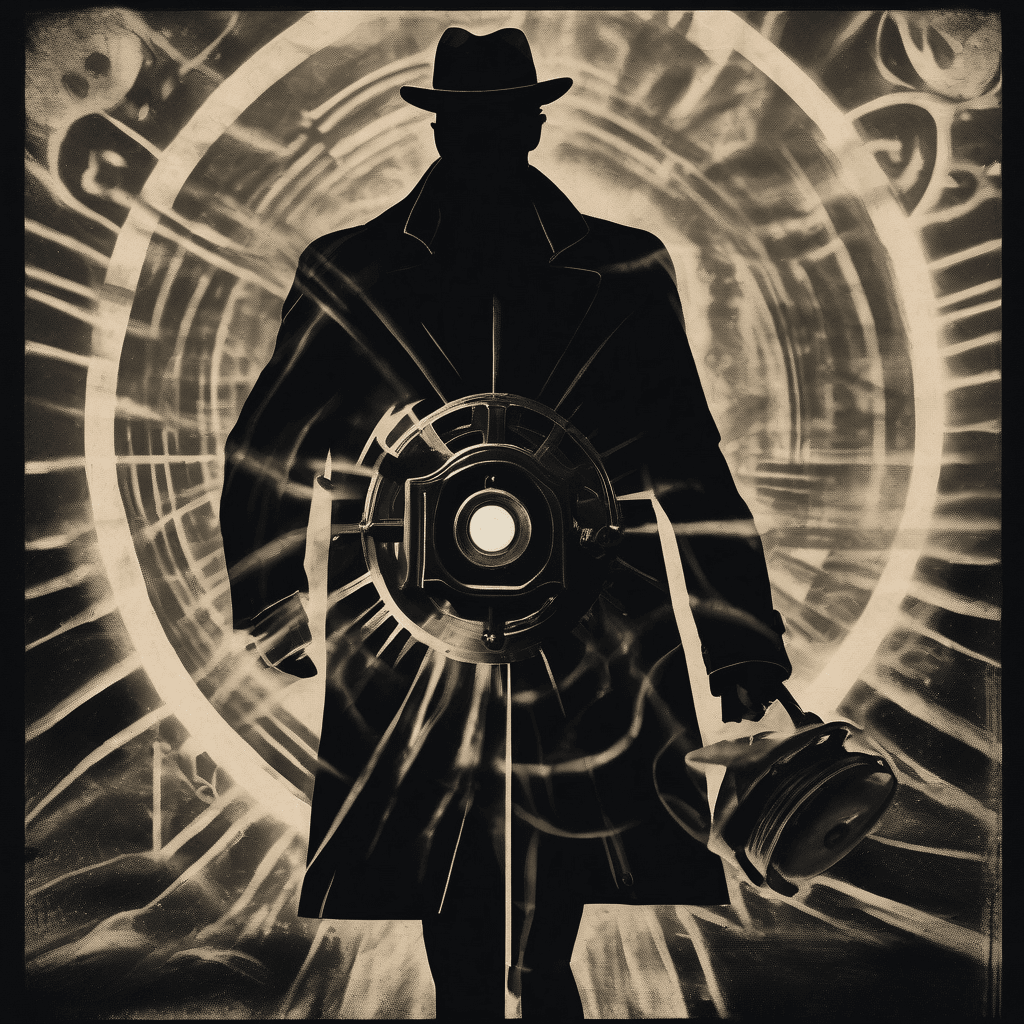
“A deep dive into the forgotten nitrate archives of the 1910s and 20s to uncover how early cinema’s genre-defying outliers and social misfits established the blueprint for modern cult film worship.”
The concept of the "cult film" is often tethered to the midnight movie craze of the 1970s—a world of fishnets, flying toast, and counter-cultural rebellion. However, as any seasoned film journalist will attest, the DNA of the cinematic misfit was spliced long before the advent of sound. To understand the modern obsession with the fringe, we must look back to the nitrate-stained trenches of the 1910s and early 1920s. This was an era of radical experimentation, where the lack of established genre tropes allowed for a wild, unbridled form of storytelling that prefigured every transgressive beat of modern cult cinema.
The Independent Iconoclast: Proto-Feminism and the Silent Rebel
Cult cinema has always been a sanctuary for those who stand outside the societal norm. In the early 20th century, this rebellion often took the form of the "New Woman." Take, for instance, the 1919 classic Phil-for-Short. Long before the independent heroines of the 1990s indie wave, we had Damophilia Illington—"Phil"—the daughter of a progressive professor who navigated a world of arrogant bankers and stuffed-shirt academics with a feisty, independent spirit. Phil represents the archetypal cult protagonist: the individual who refuses to conform to the suffocating expectations of the town’s elite.
Similarly, Miss Lulu Bett (1921) offers a biting critique of the traditional family structure. Lulu’s transformation from a timid, exploited relative into a woman of newfound confidence is the kind of character arc that resonates with cult audiences who find solace in stories of self-actualization against the odds. These films weren't just entertainment; they were subversive manifestos dressed in the garb of melodrama and comedy, laying the groundwork for the rebel-centric narratives that define niche fandom today.
Occultism and the Mystic Hour: The Supernatural Fringe
If there is one hallmark of cult cinema, it is an obsession with the arcane and the unexplained. The silent era was rife with explorations into the mystical, often blending early horror with psychological thriller elements. A Bid for Fortune (1917) serves as a prime example, featuring an occult scientist attempting to steal a collector’s Chinese staff. This intersection of the scientific and the supernatural is a direct ancestor to the "weird science" and "folk horror" subgenres that modern cultists adore.
The 1916 film The Mystic Hour takes this a step further, delving into the psyche of an artist obsessed with the death of a rival. This theme of fatalistic obsession—the "mystic hour" where reality and desire blur—is a recurring motif in the works of cult directors like David Lynch or Andrzej Żuławski. By exploring the shadowy corners of the human mind, these early filmmakers were engineering the very sense of unease and fascination that keeps audiences returning to "difficult" films for decades.
The Sympathetic Outlaw: Redefining Morality on Screen
Cult films frequently challenge our perceptions of good and evil, often positioning the criminal or the social pariah as the hero. In The Burglar and the Lady (1914), we see a gentleman burglar who doubles as a detective, using his official status as a shield for his shady pastimes. This duality—the criminal with a code—is a cornerstone of the cult ethos. It suggests that morality is not a black-and-white binary but a spectrum of grey, a theme explored with even more nuance in Lahoma (1920).
In Lahoma, the outlaw Brick Willock is not a villain but a savior, rescuing a child from his own gang. This subversion of the Western genre, where the "bad man" becomes the moral compass, is exactly the kind of narrative defiance that creates a lasting legacy. It forces the audience to align themselves with the outsider, a psychological shift that is essential to the cult experience. When we watch Kick In (1922), we aren't rooting for the police; we are rooting for Chick Hewes as he tries to go straight despite the relentless persecution of a system designed to keep him down. This anti-establishment sentiment is the heartbeat of the cult film.
Genre Mutations and the Architecture of the Weird
Modern cult cinema thrives on genre-bending, and the 1910s were a laboratory for such mutations. Consider Mountain Madness (1920), which begins as a simple vacation drama before spiraling into a mystery involving mysterious cabins and hidden secrets. Or The Bait (1921), which utilizes experimental symbolism—specifically the "Trap"—to convey its narrative. These films weren't afraid to use abstract imagery to communicate complex emotional states, a technique that would later be perfected by the surrealists and the experimentalists of the 1960s.
The 1910s also saw the rise of the female criminal mastermind, a trope that feels incredibly modern. Wanted at Headquarters (1920) features Kate Westhanger, a woman whose talents as a gang leader are unknown to the world, allowing her to infiltrate high-society syndicates. This subversion of gender roles and the "femme fatale" archetype creates a friction that is inherently "cult." It challenges the viewer’s expectations of how a story should unfold and who should be in control of the narrative.
The Global Underground: From Rio to Paris
The cult gaze is not limited to Hollywood; it is a global phenomenon. Early cinema was a truly international language. O Que Foi O Carnaval de 1920! offers us a documentary-style glimpse into the chaotic, vibrant festivities of Rio de Janeiro. This raw, unfiltered capture of human celebration and excess is a precursor to the "mondo" films and the ethnographic cult documentaries of later decades. On the other side of the Atlantic, films like Gosse de riche and Rose de Nice from France were exploring the decadence and the dangers of the European elite, often with a cynical, satirical edge that would influence the continental cult classics of the mid-century.
Even early educational shorts like Communism (1920) contribute to the cult landscape. These films, often lost or relegated to the back of the archives, possess an accidental surrealism when viewed through a modern lens. They represent the unseen history of the moving image, the forgotten reels that cinephiles hunt for in dusty basements and digital archives. The act of "unearthing" these films is itself a cult ritual, a way for the devoted fan to connect with a past that is as strange and vibrant as any science fiction future.
The Legacy of the Silent Misfit
Why do we still talk about films like The Galley Slave (1915) or Souls Enchained (1922)? It is because they speak to universal truths about the human condition—the desire for freedom, the pain of betrayal, and the thrill of the unknown. In The Galley Slave, the protagonist Francesca is forced to plead for money from a misanthropic uncle after her artist husband falls into debt. It is a story of survival in a world that is inherently hostile to the sensitive and the creative. This theme of the persecuted artist is a cornerstone of the cult film psyche, from the silent era to the present day.
Furthermore, the sheer variety of stories being told—from the military preparations of Britain Prepared to the social-climbing treachery of The Devil's Prize—shows a medium that was still finding its limits. There were no focus groups, no billion-dollar franchises, and no algorithms. There was only the flicker of the light and the imagination of the filmmaker. This primal, unpolished energy is what cult audiences crave. They want to see the "rough edges" of cinema, the moments where the art form is still figuring itself out.
Conclusion: The Eternal Midnight
The cult film is not a genre; it is a relationship. It is the bond between a misunderstood piece of art and an audience that sees its own reflection in that misunderstanding. When we watch The Third String (1914), where a man poses as a boxer to impress a barmaid, or Still Waters (1915), a tale of circus performers and disowned daughters, we are participating in a tradition of cinematic empathy. We are looking for the outliers, the anomalies, and the rebels who remind us that it is okay to be different.
From the occult scientists of the 1910s to the independent women of the 1920s, the silent era provided the fertile soil in which the seeds of cult obsession were planted. The next time you find yourself at a midnight screening of a modern masterpiece, remember that you are standing on the shoulders of these silent giants. They were the first to prove that the most enduring stories are often found on the fringe, in the shadows, and in the unforgettable flicker of the midnight embryo.
Community
Comments
Log in to comment.
Loading comments…