
Cult Cinema Deep Dive
The Neon Heretic’s Almanac: Unveiling the Transgressive Soul and Subversive Roots of Cinema’s First Century of Misfits
“A deep dive into the primal rebellion of early cinema, exploring how the silent era’s most daring outcasts and narrative anomalies forged the enduring DNA of cult movie obsession.”
To understand the modern midnight movie, one must look past the neon-soaked 1970s and the VHS-laden 80s. The true genesis of cult cinema lies in the flickering, often forbidden frames of the early 20th century. This was an era of cinematic alchemy, where the rules of storytelling were still being forged in the fires of experimentation and social rebellion. Long before the term 'cult film' was coined, audiences were already gravitating toward the strange, the transgressive, and the misunderstood. These were the films that lived on the periphery of the mainstream, speaking a secret language to the disenfranchised and the curious.
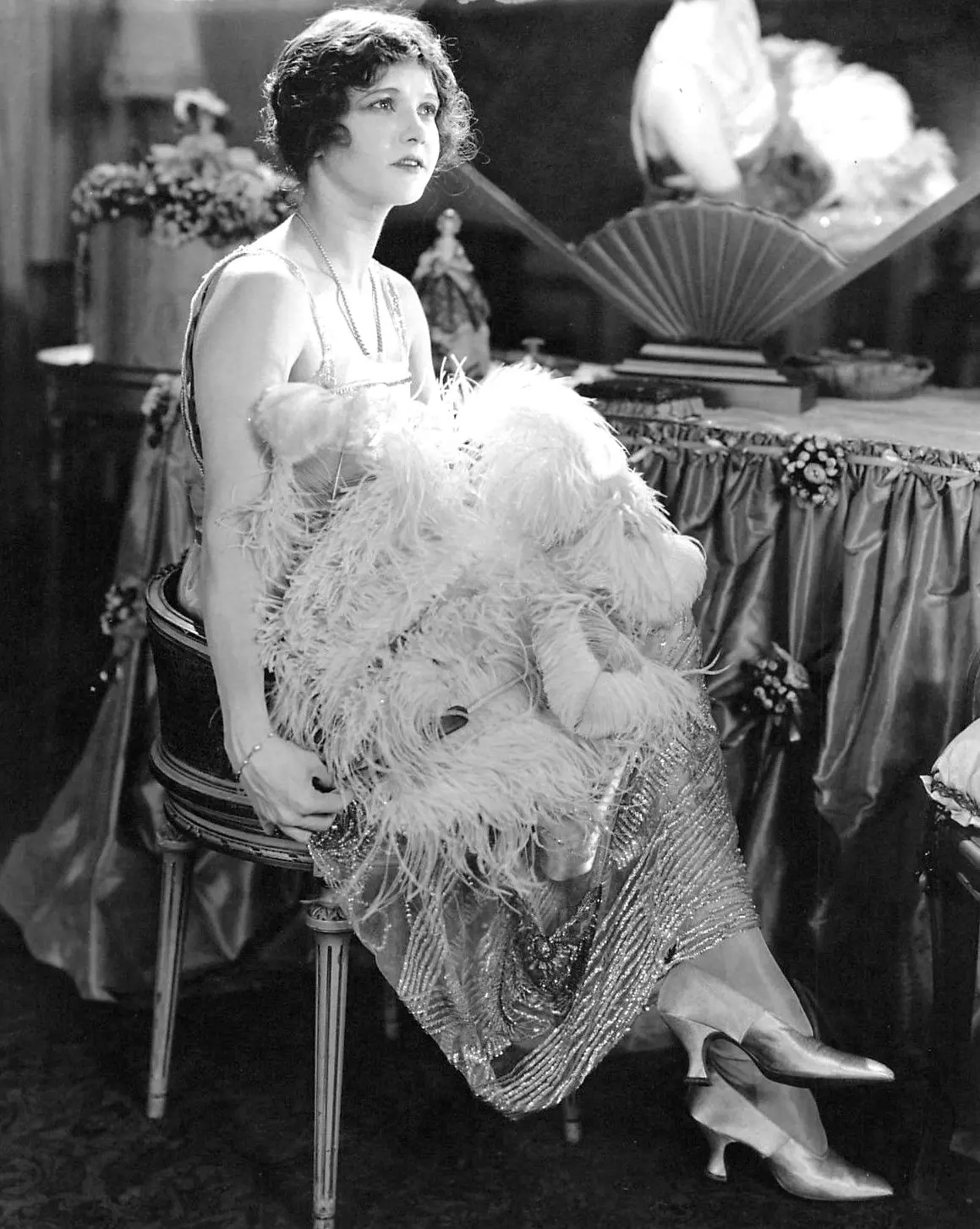
The Primal Scream: Addiction and Forbidden Knowledge in Early Cinema
One of the most potent examples of this early transgressive spirit is the 1918 masterpiece The Craving. This film, centered on an Indian scholar seeking a powerful explosive formula from a colleague with a drinking problem, serves as a perfect metaphor for the cult experience itself. It is a story of obsession, dangerous knowledge, and the thin line between genius and self-destruction. In the world of cult cinema, the audience is often the 'scholar,' hunting for that rare, explosive piece of art that challenges the status quo. The Craving tapped into a deep-seated cultural anxiety about the power of the mind and the fragility of the human spirit, themes that would later become staples of the genre.

Similarly, the exploration of the 'forbidden' was not limited to the laboratory. In Whispering Devils, we see a puritanical minister’s descent into moral hypocrisy. By forcing a parishioner to confess her 'sins' in public, the film exposes the rot within the very institutions meant to uphold virtue. This subversion of religious authority is a hallmark of the cult ethos, reflecting a desire to peel back the layers of societal politeness and reveal the whispering devils that reside within us all.
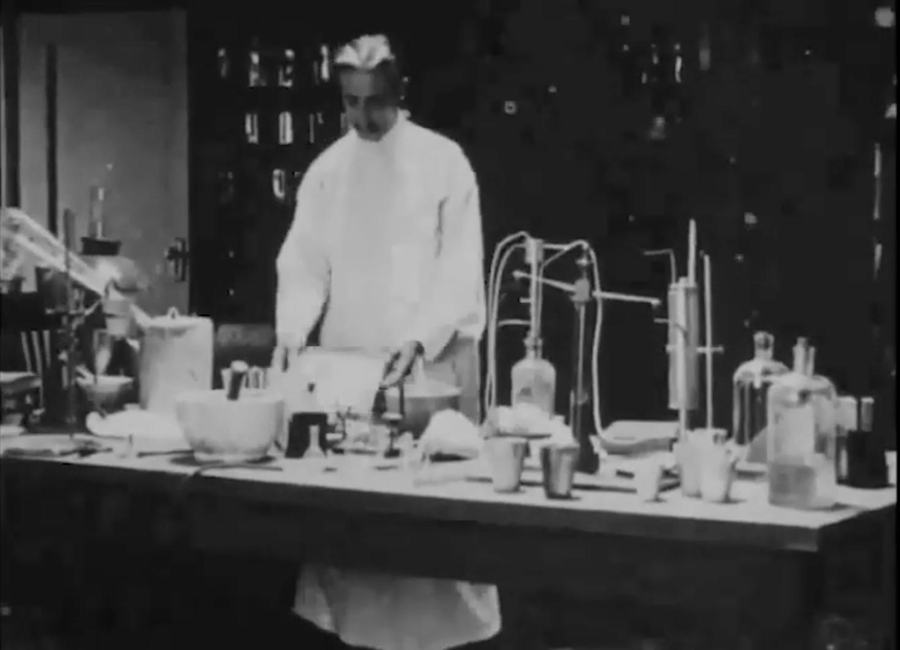
The Anarchy of the Frame: Slapstick, Surrealism, and the Breakdown of Order
Cult cinema has always embraced chaos, and the early short comedies of the silent era were the first to weaponize it. Take The Sportsman, where Larry, a 'mighty hunter' afraid of nothing but rabbits and canaries, finds himself in a Sultan's harem facing actual lions. This kind of absurdist juxtaposition—the transition from domestic cowardice to jungle-level peril—is the DNA of the surrealist cult film. It rejects the logic of the everyday in favor of a dreamlike, often nightmarish, reality.
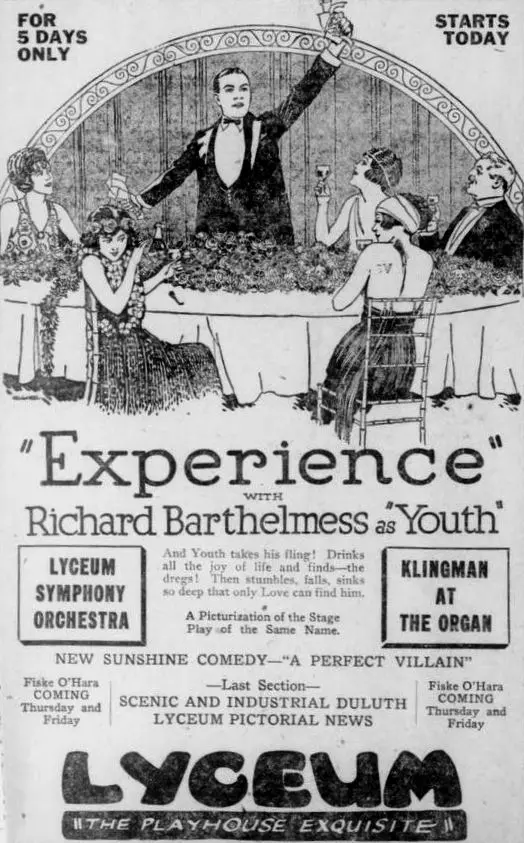
The spirit of anarchic adventure reached its zenith in films like Just Dropped In, where a runaway airplane lands its protagonists on a remote island filled with 'fierce men and beautiful women.' This isn't just a travelogue; it's a total breakdown of geographical and social boundaries. The 'runaway airplane' is the ultimate symbol of the cult narrative—a vehicle that has lost its pilot, hurtling toward an unknown and potentially dangerous destination. This sense of uncontrolled momentum is what keeps cult audiences coming back; they want to feel the wind of the unknown against their faces.

The Beauty of the Abnormal: Subverting the Gaze
Perhaps no film from this era challenges standard aesthetics quite like The Slim Princess. In a culture where 'fat is synonymous with beauty,' the titular princess is considered a tragic outcast because of her slender frame. By flipping the script on societal beauty standards, the film creates a space for the 'abnormal' to be celebrated. This is the very heart of cult devotion: the celebration of the outlier. Whether it's the physical form or the narrative structure, cult cinema finds beauty in the asymmetry of existence.
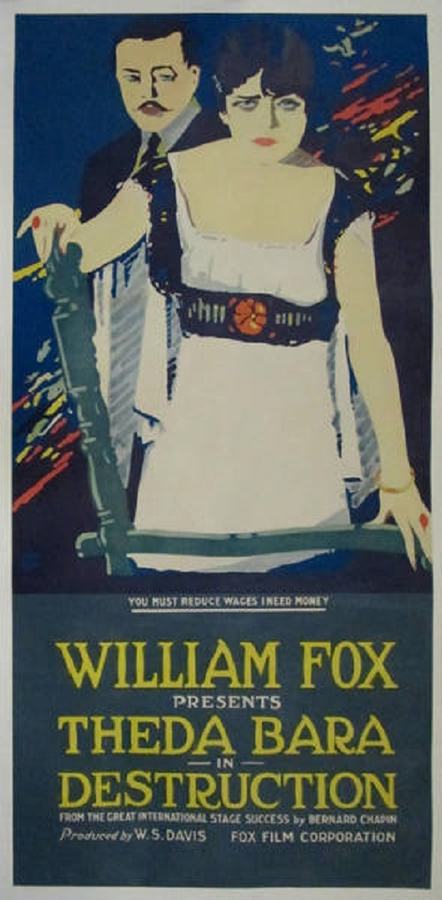
The Political Outlaw: Rebellion and Resistance
Cult cinema is often birthed from political friction. In The Cossack Whip, we are confronted with the brutal reality of the Russian Czar’s secret police and the massacre of a rebel village. This is not light entertainment; it is a visceral exploration of state-sponsored violence and the fire of revolution. The film’s focus on the 'oppressed race' and the 'rejoicing' that follows the arrival of a more compassionate governor (as seen in The Kiss of Hate) highlights cinema’s role as a tool for social commentary and moral insurgency.
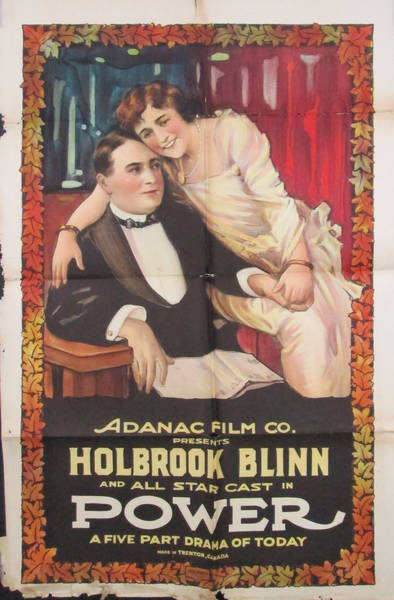
Even the American West provided a fertile ground for these 'outlaw' narratives. In Wolves of the Border, the conflict between 'modern methods' and 'old-fashioned' ranching reflects the growing pains of a nation in transition. The villainous foreman who frames his neighbor as a thief represents the internal rot of the frontier spirit. These films resonate with cult audiences because they depict a world where the law is often a mask for greed, and the true hero is the one who stands outside the system—the lone wolf on the border of civilization.
The Moral Grey Zone: Scandals and Social Ruin
The early 20th century was obsessed with the 'fallen woman' and the 'ruined man,' themes that cult cinema would later refine into the noir and exploitation genres. The Impossible Mrs. Bellew is a prime example. When a woman is ignored by her husband for his mistress, yet slandered for merely being seen with a family friend, the film exposes the hypocritical double standards of the elite. Betty Bellew becomes 'impossible' not because of her actions, but because of society's perception of her. This theme of the 'misunderstood protagonist' is a cornerstone of the cult canon.
Similarly, The Barricade shows us the psychological collapse of a Wall Street leader who begins to speculate with trust funds. It’s a descent into madness fueled by ego and the fear of inferiority. Cult films love to watch the powerful crumble, especially when that crumbling is depicted with such melodramatic intensity. The 'barricade' isn't just a physical barrier; it's the psychological wall between who we are and who we pretend to be.
The Sacred Bonds of the Strange
What brings these disparate films together—from the historical drama of Cardigan to the romantic comedy of Made in Heaven—is their willingness to deviate from the expected path. Whether it's a 'marriage of convenience' to help an heiress or a 'bootleg wedding' to dodge a bachelor tax (as seen in the hilarious Blue Sunday), these stories prioritize the eccentricities of the human heart over the rigid structures of traditional plot.
The Legacy of the Forgotten: Why Early Misfits Matter
Many of these films, like Haceldama ou Le prix du sang or Marionetki roka, have spent decades in the shadows, known only to the most dedicated archivists. Yet, their influence is everywhere. The 'sadistic Mexican cowboy' in Haceldama is a direct ancestor of the spaghetti western anti-hero. The 'crippled arm' of the spiritual toy-maker in The Kingdom Within foreshadows the sensitive, misunderstood monsters of Universal Horror. These films were the first to prove that the audience doesn't just want to be entertained; they want to be transformed.
Cult cinema is the art of the 'unwanted child,' much like the protagonist in Children Not Wanted, who heads to New York City to forge her own destiny. It is a cinema of movement, of migration from the center to the fringe. When we watch The Light That Failed, we aren't just seeing a story about a famous artist going blind; we are seeing a metaphor for the fading of the mainstream vision and the birth of a new, internal way of seeing the world. This is the midnight mindset: the ability to find light in the dark, and meaning in the marginalized.
Conclusion: The Eternal Flame of the Outlier
The journey from the silent era’s 'genre mutants' to the modern cult classic is a straight line of rebellion. Films like Satan on Earth and Wolves of Kultur remind us that cinema has always been a battleground for the soul. Whether it's through the 'wireless torpedo' of a mad scientist or the 'fortune-teller' in Venchal ikh satana, these stories offer an escape from the mundane and an invitation into the extraordinary. They are the neon relics of a bygone age, still glowing with the heat of their original defiance. As long as there are stories that refuse to fit in, and audiences who refuse to look away, the spirit of cult cinema will remain undimmed, a flickering beacon for every misfit, heretic, and dreamer who dares to step into the dark.
Community
Comments
Log in to comment.
Loading comments…