
Cult Cinema
The Primal Flicker: How Early Cinema’s Genre Anarchy and Narrative Misfits Forged the Modern Cult Identity
“Journey back to the dawn of the silver screen to discover how forgotten silent masterpieces and transgressive genre experiments laid the foundational DNA for today's cult cinema obsession.”
When we speak of cult cinema today, our minds often drift to the neon-soaked midnight screenings of the 1970s or the transgressive VHS underground of the 1980s. However, the true genetic markers of the cult phenomenon—the obsession with the marginal, the celebration of the narrative deviant, and the worship of the cinematic outlier—were forged much earlier. Long before the term 'cult film' entered the common lexicon, the silent era was already producing a breed of celluloid renegades that defied the burgeoning Hollywood machine. These films, ranging from morality plays to gritty frontier adventures, established a primal flicker of rebellion that continues to illuminate the path for modern cinephiles.
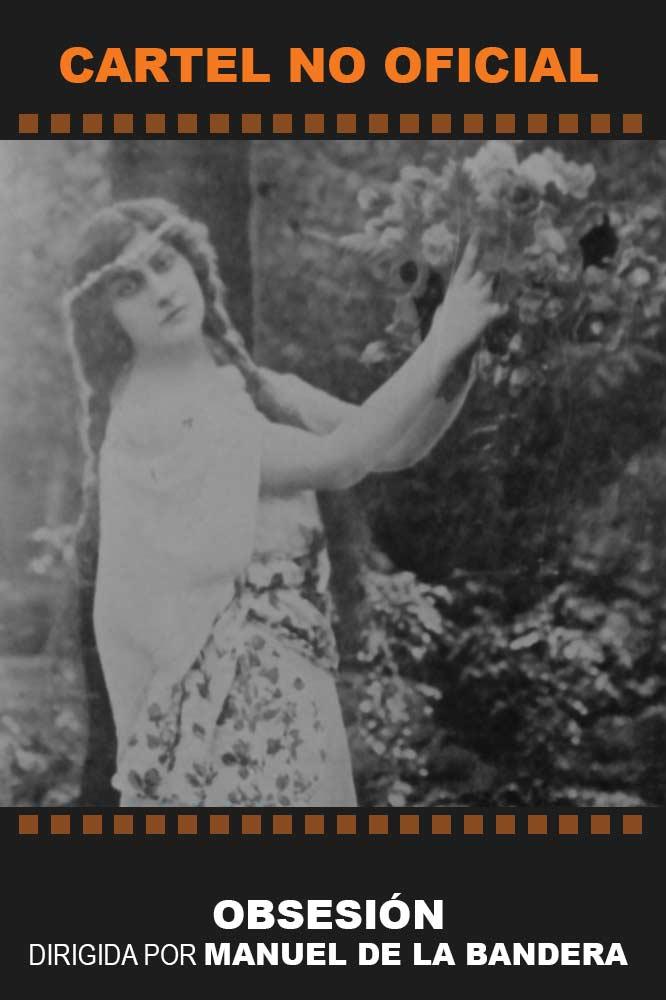
The Frontier of the Soul: Western Rebels and Outlaw Archetypes
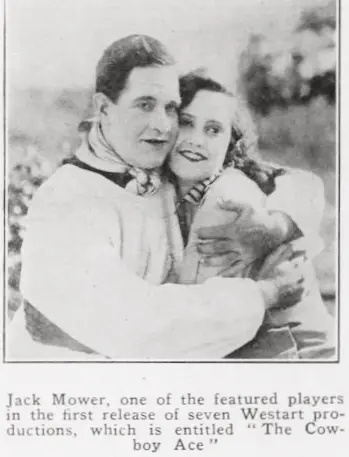
The Western genre is often seen as the backbone of early American cinema, but within its dusty frames lived a spirit of lawlessness that transcended the plot. Take, for instance, Overland Red. This 1917 feature follows a tramp prospector and a young boy who stumble upon a starving miner and a secret map to a gold mine. It is not just a tale of wealth, but a study in the magnetic pull of the outsider. Similarly, The Cowboy Ace presents a narrative where the stakes of a roundup contest become a surrogate for social validation, reflecting the cult audience’s own desire for recognition in a world that often overlooks the fringe dweller.

In Back to Yellow Jacket, we see the collision of the wilderness and the 'civilized' world, as a prospector’s wife, Carmen, defies her husband to attend a dance, only to be lured by a slick gambler. This tension between domestic duty and the primal urge for excitement is a recurring motif in films like The Terror (1920), where a U.S. Deputy Marshall must navigate the robberies of gold shipments while falling for the daughter of a mine owner. These films didn't just provide escapism; they offered a template for the anti-authoritarian sentiment that would later define the cult experience.
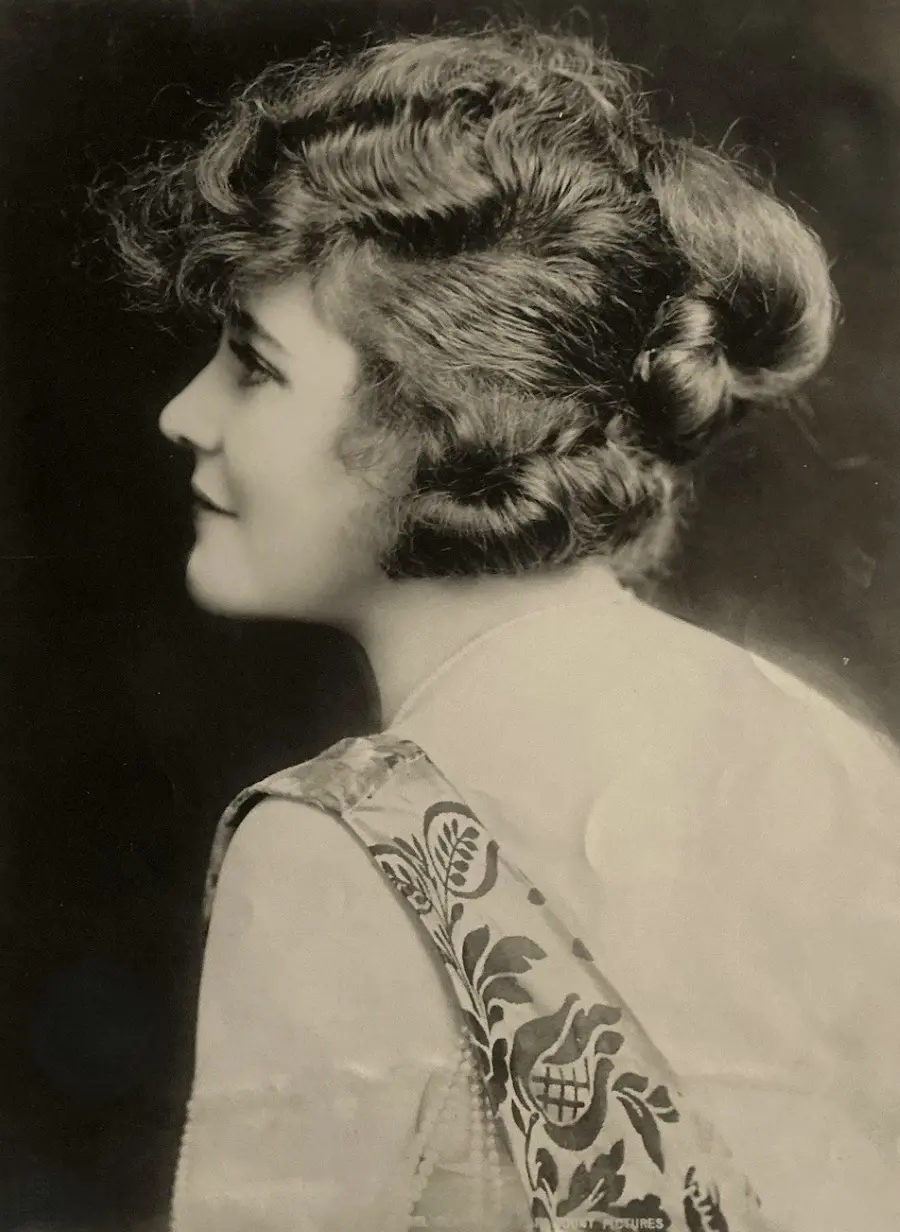
Moral Mutiny: The Social Outcasts and Narrative Deviants
Perhaps the most potent ingredient in the cult cinema cauldron is the exploration of social taboos. The silent era was surprisingly bold in its depiction of moral ambiguity. The Blasphemer, a rare religious feature, presents John Harden, a man who boasts of being the master of his own fate, only to face a reckoning. This film’s focus on the hubris of the individual versus the divine echoes the existential dread found in later cult classics. Meanwhile, Shame (1921) takes us to Shanghai, weaving a complex web of friendship, loss, and social expectation that challenged the period's simplistic views on race and class.
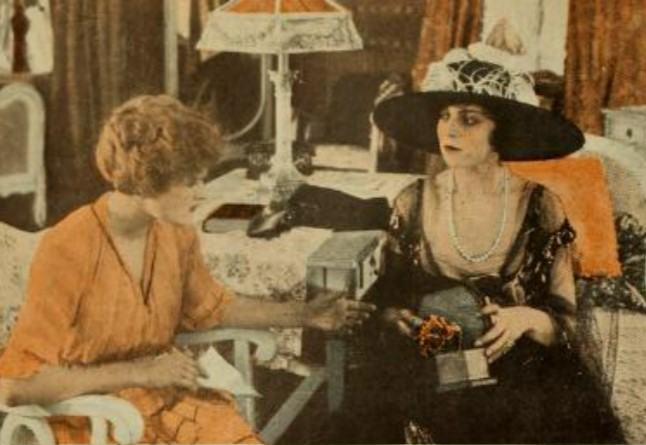
The internal struggle of the 'bad woman turned good' in The Inner Shrine or the domestic desperation in Polly Put the Kettle On—where children scream for food while their mother finds only a few tea leaves—showcases a gritty realism that mainstream cinema often sanitized. These narratives of marginalized existence resonated with audiences who felt out of step with the roaring optimism of the early 20th century. Even the melodramatic turns in The Turn of the Road, where a devoted wife feels slighted by her husband’s lack of interest in her domestic sphere, highlight the silent era's fascination with the 'unseen' labor and emotional depth of the everyday person.
The 'Anti-Kiss Cult' and the Architecture of the Bizarre
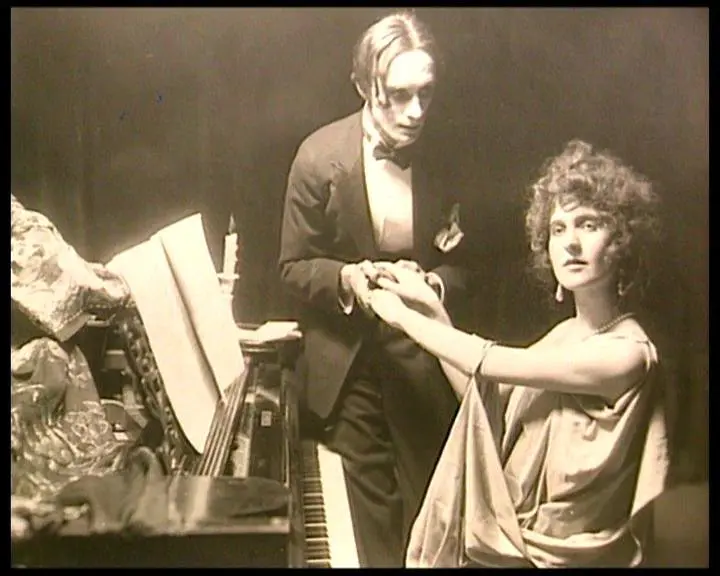
Nothing signals a 'cult' film quite like a plot point that feels utterly alien to the mainstream. Enter The Beloved Cheater, featuring a protagonist who belongs to the 'Anti-Kiss Cult.' This bizarre narrative choice—a woman refusing to kiss her fiancé, leading to a complex scheme involving a playboy friend—is the kind of high-concept eccentricity that modern cult fans adore. It is a precursor to the 'weird for the sake of weird' aesthetic that would later define the works of John Waters or David Lynch.
Similarly, Enchantment plays with the 'Taming of the Shrew' theme through a 'gentlemanly cave man,' while Snooky's Wild Oats features a chimpanzee (Snooky) becoming a tramp and rescuing a kidnapped child. These films, along with the comedic absurdity of The Quack Doctor and The Dumb-Bell, provided a space for experimental humor and visual gags that broke the fourth wall of reality. They invited the audience into a secret joke, a fundamental element of the 'secret handshake' that exists between a cult film and its devoted followers.
Crime, Shadows, and the Birth of Noir Fervor
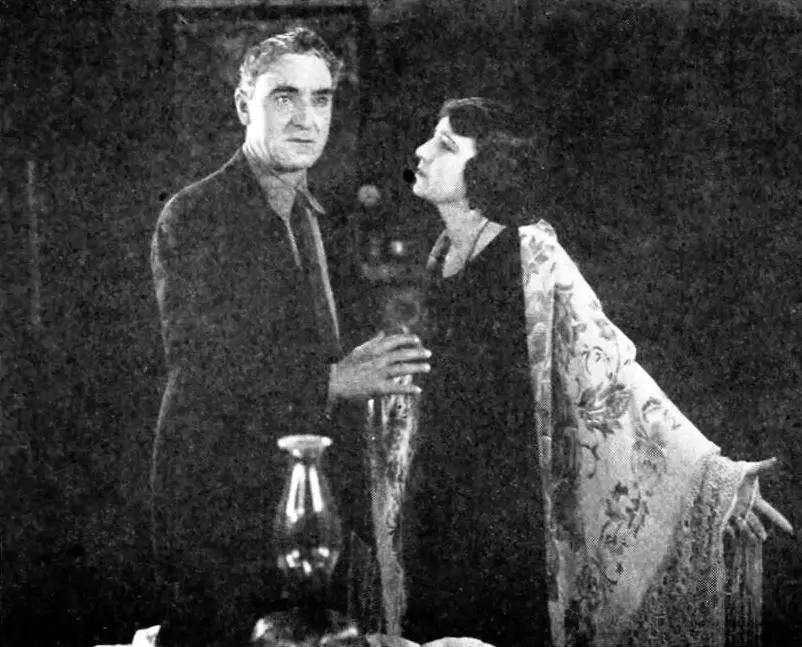
The dark underbelly of the city has always been a sanctuary for cult cinema. In Voices of the City, we are thrust into a San Francisco cafe where a policeman is shot by an underworld gang. The betrayal of Jimmy by his 'friend' O'Rourke sets a tone of urban paranoia that prefigures the film noir movement. This sense of unease is echoed in Silence of the Dead, where financial ruin and mysterious counts create an atmosphere of gothic dread.
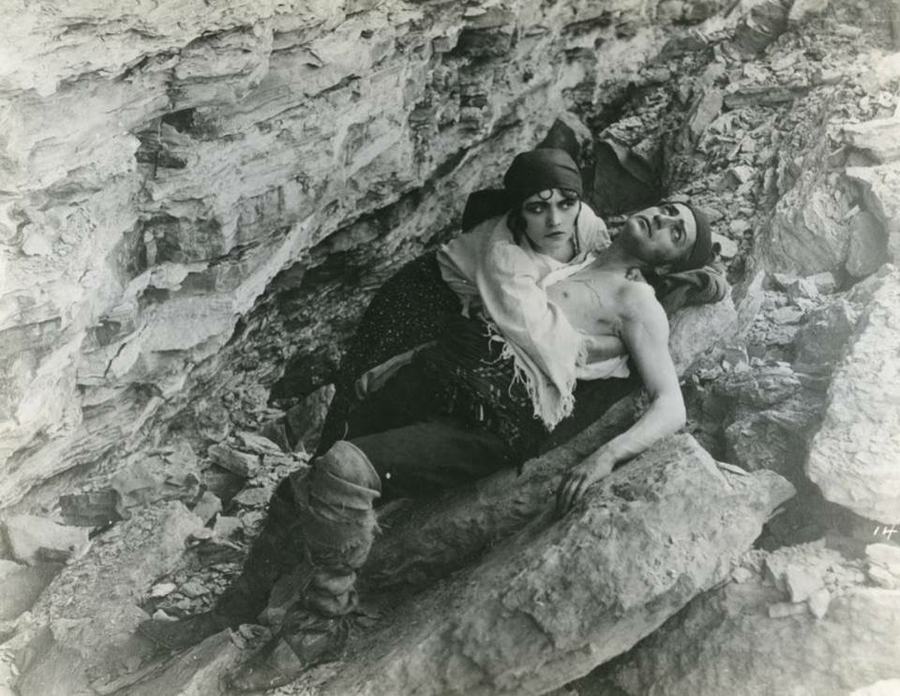
The silent era also mastered the 'man on the run' trope. In Historien om en gut, a 13-year-old boy falsely accused of theft embarks on a dangerous maritime journey. This narrative of falsely accused innocence and the subsequent descent into the underworld is a cornerstone of the cult ethos—the idea that the world is an unjust place and only the resourceful (or the lucky) survive. Even the international flavor of Robbery Under Arms or the German adventure Der Verächter des Todes (The Despiser of Death) showed that the thirst for transgressive thrills was a global phenomenon.
The Avant-Garde Seed: Documenting the Real and the Surreal
While narrative films were pushing boundaries, the documentary and newsreel formats were inventing the visual language of the cult aesthetic. Dziga Vertov’s Kino-Pravda No. 13 is not merely a newsreel; it is a 'film poem' that uses montage to create a visceral, almost hallucinatory experience of Soviet life. This rejection of linear storytelling in favor of rhythmic, thematic editing is the bedrock of experimental cult cinema.
On the other side of the world, Amazonas, Maior Rio do Mundo by Silvino Santos captured the raw, untamed reality of the Amazon and its indigenous Witoto people. This 'discovery' of the other—the documentation of a world far removed from the urban centers—tapped into the same primal curiosity that drives modern fans to seek out 'found footage' or obscure ethnographic films. Even the travelogue beauty of Beautiful Lake Como, Italy, with its early color processes, offered a sensory experience that went beyond mere information, turning the act of watching into a ritualistic observation of the sublime.
Identity and the 'Misfit' Narrative
The silent era frequently explored the fluidity of identity and the pain of the 'misfit.' In Lone Star, an indigenous man seeks a white man's education to save his tribe, highlighting the cultural friction of the early 20th century. In The Gilded Dream, a woman’s inheritance allows her to chase a fantasy of New York high society, only to find the reality far different from the dream. These stories of aspiration and disillusionment are the bread and butter of cult cinema, which often champions the dreamer who fails spectacularly or the outcast who finds a new, unconventional tribe.
We see this again in Kidder and Ko, where a son rejected by his father for his love of pool must find his own way in Chicago, or in Blodets röst, where a mid-life crisis leads to reckless, self-destructive behavior. These films didn't shy away from the darker impulses of the human psyche. They portrayed characters who were messy, irresponsible, and deeply flawed—the very types of characters that cult audiences would grow to love for their authenticity and rebellion against the 'perfect' Hollywood hero.
The Legacy of the Forgotten Frame
Why do we return to these flickering shadows? It is because films like The Grip of Jealousy, with its themes of illegitimacy and class conflict, or The Warrens of Virginia, which depicts the heartbreaking choices of the Civil War, offer a window into a time when the rules of cinema were still being written. Every 'mistake,' every 'weird' plot turn, and every transgressive theme in these 50 films contributed to a collective unconscious that eventually birthed the midnight movie.
From the wireless telegraphy mystery of A Daughter of Uncle Sam to the 'blind pig' comedy of Drink Hearty, the silent era was a laboratory of the strange. It was a time when a film like The Natural Law could explore the tension between an arranged engagement and a primal physical attraction, or Silver Wings could chronicle the rise and fall of a family through the mismanagement of a sewing machine patent. These are not just artifacts; they are the proto-cult foundations upon which our modern obsession with 'the different' is built.
As we look back at Castles for Two or the desperate scenarios of Wanted, a Story, we realize that the 'cult' spirit has always been about finding the extraordinary in the overlooked. It is about the devotion to the vision, no matter how niche or bizarre. The silent era’s renegades may have been forgotten by the history books, but their DNA lives on in every grainy reel and every unconventional narrative that dares to challenge the status quo. They are the primal flicker that started the fire, a fire that continues to burn in the hearts of those who seek the magic of the cinematic underground.
Community
Comments
Log in to comment.
Loading comments…