
Deep Dive
The Primordial Oddity: Decoding the Birth of the Cult Aesthetic in Cinema’s Forgotten Outliers
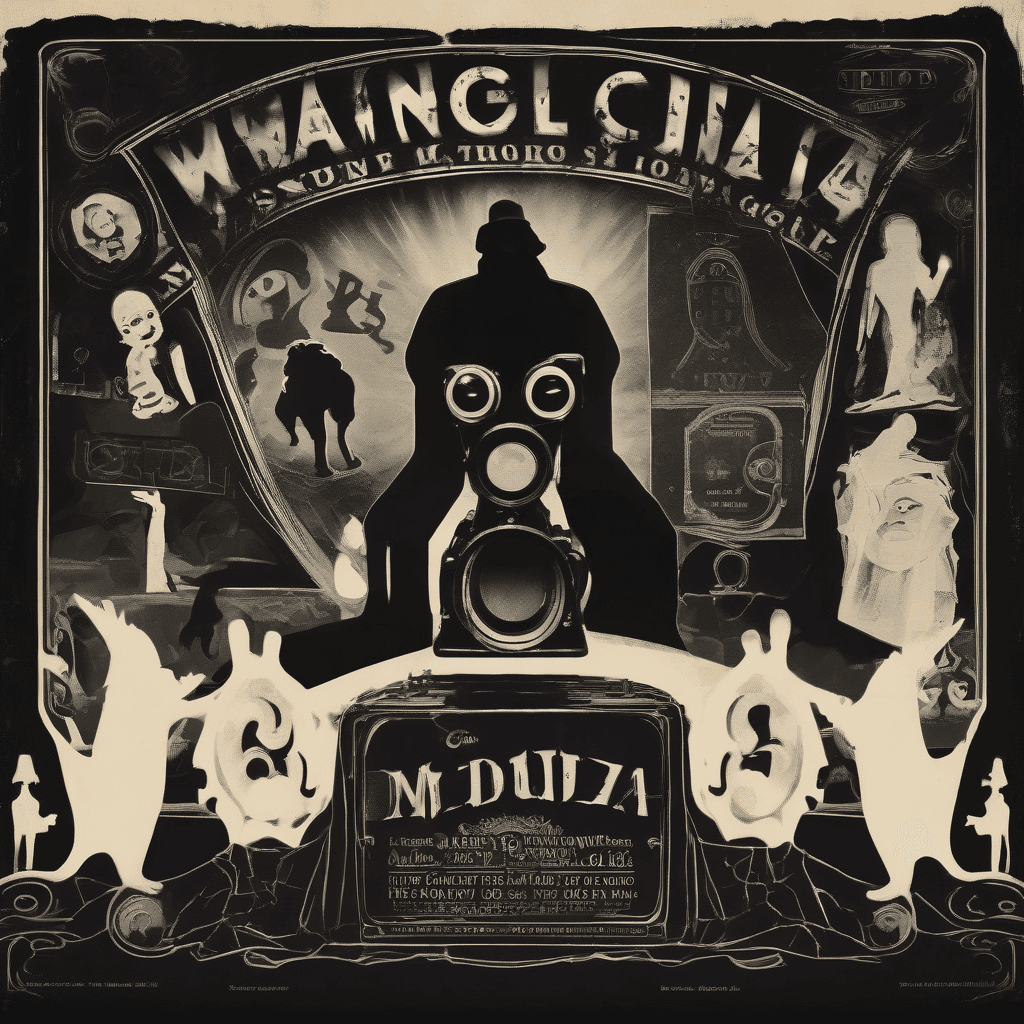
“A deep dive into how the strangest, most transgressive, and experimental reels of the silent era established the genetic blueprint for modern cult cinema's most enduring tropes.”
The history of cult cinema is often told as a post-war phenomenon, a product of the midnight movie madness of the 1970s or the transgressive underground of the 1960s. However, the true genetic markers of the cult aesthetic—the unconventional, the bizarre, and the defiant—were present since the very dawn of the moving image. To understand the modern obsession with films that exist outside the mainstream, we must look back at the flickering archives of the early 20th century. Here, in the shadows of the silent era, we find the first instances of narrative anarchy and visual experimentation that would eventually define the cult canon. From the clay-baked nightmares of Babyland to the real-life outlaws playing themselves on screen, the early days of film were a wild frontier where the rules of storytelling had not yet been codified.
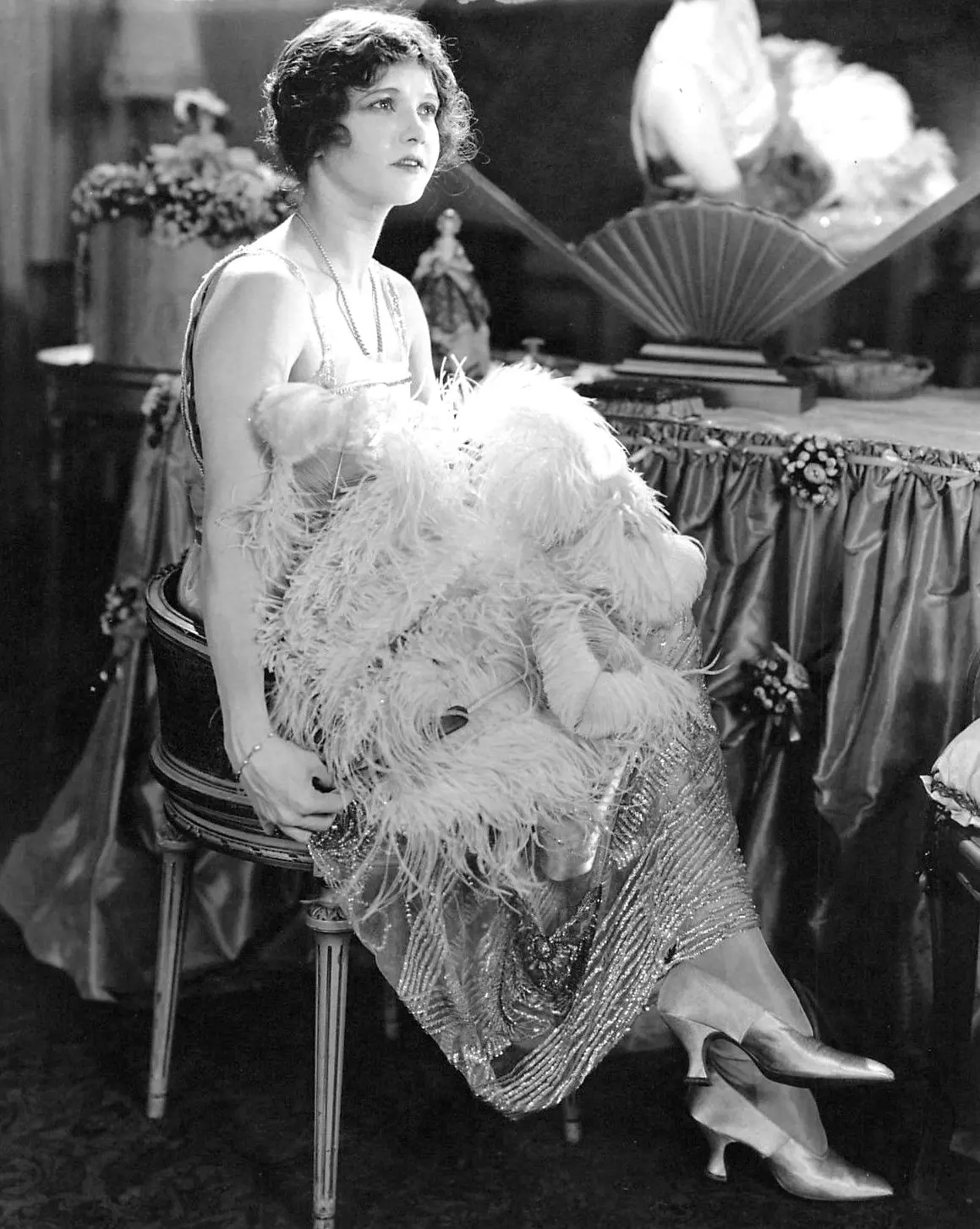
The Chemical Nightmare: Body Horror in the Silent Era
One of the most potent elements of cult cinema is its fascination with the grotesque and the scientifically impossible. Long before David Cronenberg or John Carpenter, the 1916 serial The Crimson Stain Mystery (slug: the-crimson-stain-mystery) was already exploring the terrifying potential of biological mutation. The story of Dr. Montrose and his failed chemical experiments to create super-intelligence—resulting instead in a band of hideous monsters—serves as a primary ancestor to the "mad scientist" subgenre. These subjects, metamorphosed into creatures that prey on humanity, established a visual language of deformity and social ostracization that remains a cornerstone of cult horror. This film didn't just aim to scare; it aimed to shock the senses through a transgressive exploration of the human form, a theme that would later be echoed in everything from The Fly to Tetsuo: The Iron Man.
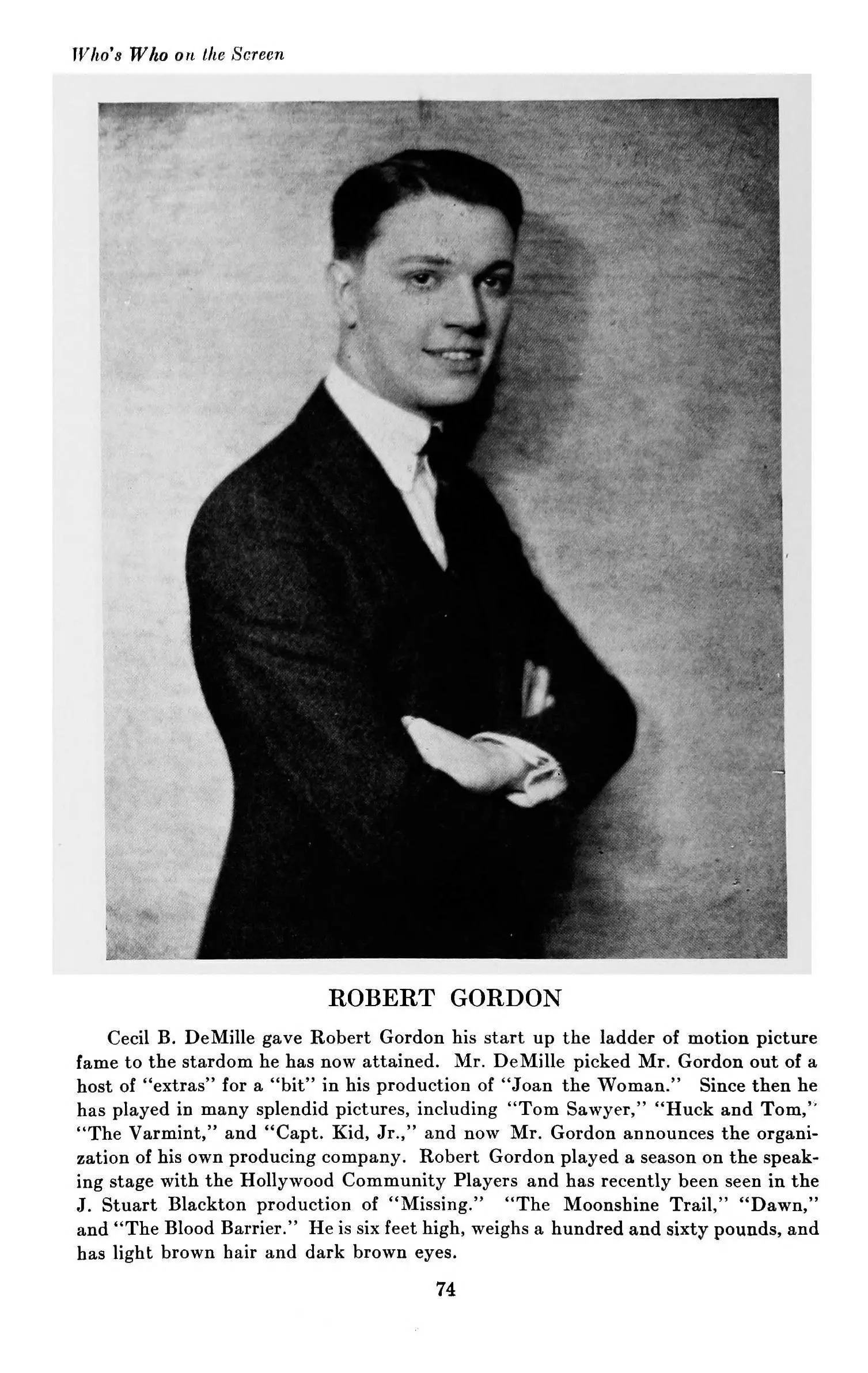
The Surrealist Seed: From Babyland to Occult Animation
If cult cinema is a dream state, then early experiments like The Stork's Mistake (slug: the-storks-mistake) are the fever dreams that started it all. The concept of babies being made of clay and baked in ovens until they are "done" is a surrealist image that rivals anything produced by the Dadaists. This short film, with its bizarre internal logic and uncanny visual effects, represents the "weird for the sake of weird" ethos that fans of cult cinema adore. Similarly, the 1920 short The Ouija Board (slug: the-ouija-board) merged the mundane with the supernatural, as Koko the Clown is haunted by ghosts after an animator and a janitor dabble in the occult. These films utilized the medium's inherent trickery to create a sense of the uncanny, proving that the early audience had a hunger for the inexplicable and the ghostly—a hunger that modern cultists still feed today.
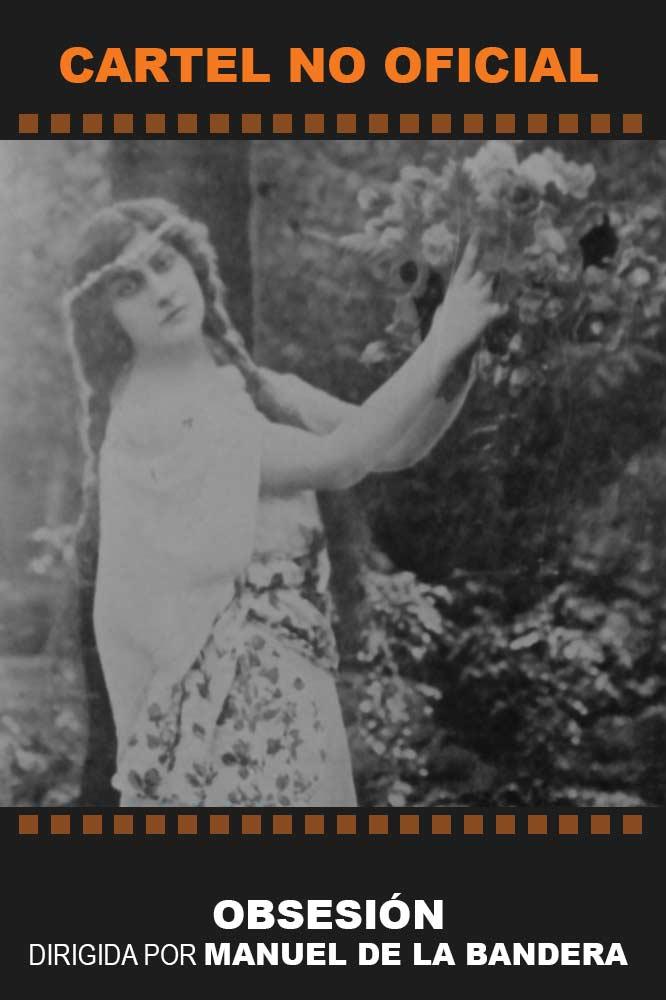
The Outlaw as Icon: Authenticity and the Rebel Spirit
Cult cinema often thrives on the charisma of the outsider, the rebel who operates on the fringes of polite society. In the early 20th century, this was personified by the figure of the outlaw. The Lady of the Dugout (slug: the-lady-of-the-dugout) is a fascinatng case study in cult meta-narrative, featuring real-life outlaw Al Jennings telling a story of his own supposed altruism. The blurring of lines between reality and fiction, and the glorification of a criminal figure, set a precedent for the "outlaw hero" trope seen in later cult classics. This same spirit of vengeance and survival can be found in Ultus, the Man from the Dead (slug: ultus-the-man-from-the-dead), where a man returns from a near-death experience to seek retribution against a scheming partner. These narratives of resurrection and rebellion struck a chord with audiences who felt disconnected from the polished morality of mainstream Victorian tales, laying the groundwork for the anti-hero archetypes of the 70s.
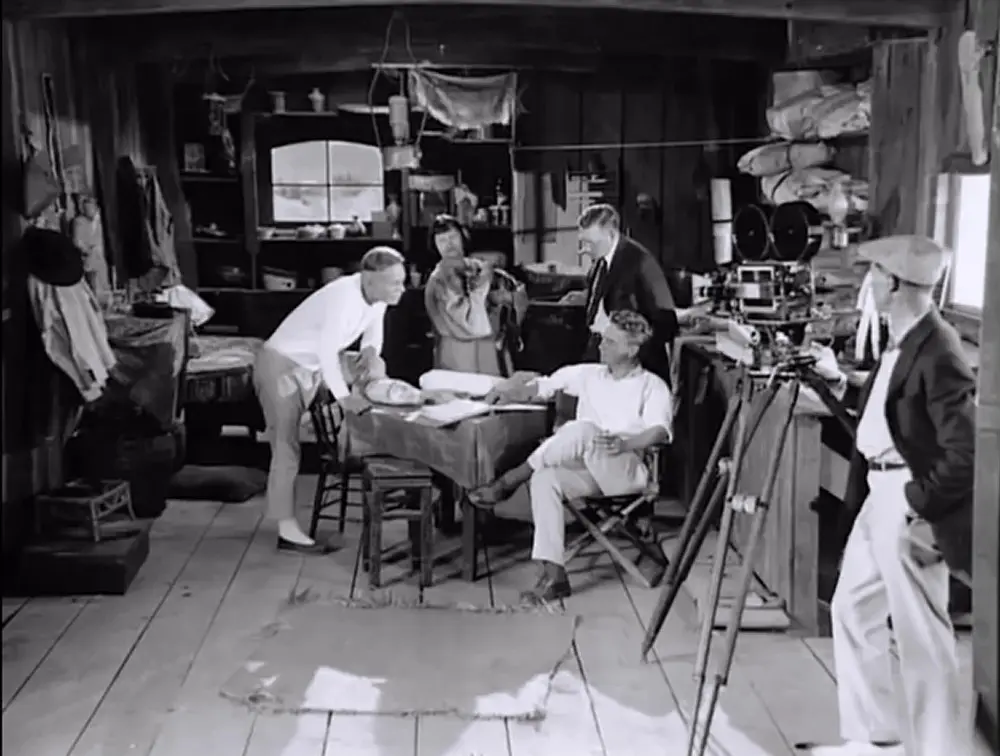
Futurism and the Avant-Garde Revolution
The intellectual wing of cult cinema owes much to the radical experiments of the European avant-garde. Drama v kabare futuristov No. 13 (slug: drama-v-kabare-futuristov-no-13) and the revolutionary newsreels of Kino-pravda no. 7 (slug: kino-pravda-no-7) represent a total break from traditional narrative. Dziga Vertov's commitment to capturing "film-truth" and the futurists' embrace of chaos and speed were inherently subversive. They challenged the viewer to see the world not as a series of stories, but as a series of rhythms and mechanical movements. This tradition of challenging the viewer's perception is what separates a standard film from a cult masterpiece; it requires an active, obsessive engagement with the frame. When we look at the fragmented narratives of David Lynch or the structuralist experiments of Stan Brakhage, we are seeing the long shadow cast by these early Soviet and European radicals.
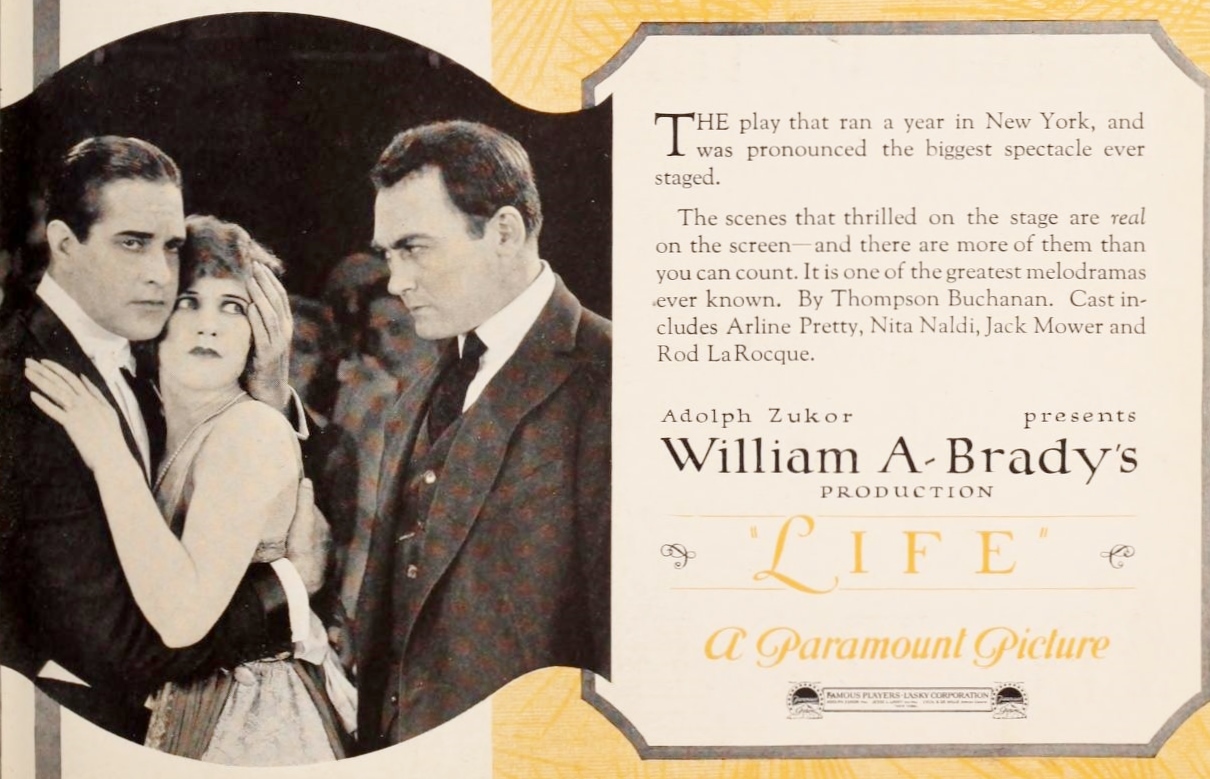
Gender Subversion and Domestic Anarchy
While many associate the silent era with rigid social structures, the films themselves often told a different story—one of domestic chaos and the subversion of gender roles. The Indestructible Wife (slug: the-indestructible-wife) presents a woman with unending, almost supernatural energy, exhausting her husband through a relentless pursuit of physical activity. This comedic take on the "new woman" of the era is a proto-feminist cult gem that mocks the fragility of the traditional male ego. Similarly, Wives of Men (slug: wives-of-men) and The Misleading Widow (slug: the-misleading-widow) played with the anxieties of marriage and social reputation, often through satirical or melodrama-heavy lenses. These films allowed audiences to laugh at the crumbling pillars of domesticity, much like modern cult comedies that take aim at the nuclear family or suburban malaise.
The Global Weird: Colonial Quests and Northern Realism
The "cult of the exotic" is a complicated but undeniable part of film history. Early adventures like The Naulahka (slug: the-naulahka) and A Prince of India (slug: a-prince-of-india) brought the aesthetics of distant lands to Western screens, often with a sense of wonder and melodramatic flair that felt entirely alien to the local experience. On the other end of the spectrum, the stark, Nobel-prize-inspired realism of Markens grøde (slug: markens-grde) offered a grim, beautiful critique of industrialization. These films, whether through their escapist fantasies or their brutalist depictions of nature, provided an alternative to the urban, standardized stories of the burgeoning Hollywood machine. They offered a window into "otherness" that would eventually evolve into the global cult cinema movement, where films from Japan, Italy, and Brazil would find devoted fanbases far from their original homes.
Technical Mutation: The Fires of Youth and the Golden Age
The evolution of cult cinema is also a story of technical evolution. Films like The Fires of Youth (slug: the-fires-of-youth) represent the transition from primitive filmmaking to the sophisticated techniques of the 1920s. By experimenting with lighting, editing, and set design, these early creators were building the visual vocabulary that cult directors would later use to create atmosphere and mood. The use of shadows, the pacing of a chase scene in Brass Buttons (slug: brass-buttons), or the slapstick destruction in the short film Golf (slug: golf) all contributed to a growing toolkit of cinematic tricks. Cult fans often obsess over these technical flourishes—the way a shot is framed or the specific grain of the film stock—and that obsession begins with the craftsmen who were figuring it out for the first time in the 1910s.
The Mystery of the Double: Identity and the Uncanny
The theme of the double or the doppelgänger is a recurring motif in cult cinema, tapping into our primal fear of losing our identity. John Needham's Double (slug: john-needhams-double) explored this through a tale of profligacy and mistaken identity, while Der Hund von Baskerville (slug: der-hund-von-baskerville) offered a version of the Holmes mythos so unfaithful to the source material that it became its own anomalous entity. This willingness to distort familiar characters and stories is a hallmark of the cult mindset. Whether it's a con man like in The New Adventures of J. Rufus Wallingford (slug: the-new-adventures-of-j-rufus-wallingford) or the blind woman finding sight through love in Lea (slug: lea), the early cinema was obsessed with the transformative power of the human experience. These stories of metamorphosis—physical, social, or psychological—are what keep cult audiences returning to the screen, looking for a reflection of their own shifting identities.
Conclusion: The Eternal Flame of the Fringe
As we look back at the 50 films that helped shape the landscape of early cinema, we see more than just historical artifacts. We see the rebellious spirit of Vanina (slug: vanina), the comedic anarchy of Fireman Save My Child (slug: fireman-save-my-child), and the social critique of Business Is Business (slug: business-is-business). These films were the outcasts of their time, the experiments that didn't always fit the mold, and the stories that dared to be different. The modern cult film is not a new invention; it is a continuation of a primordial impulse to capture the weird, the wonderful, and the wicked on celluloid. By celebrating these forgotten outliers, we honor the true pioneers of the cult aesthetic—the filmmakers who understood that the most enduring power of cinema lies not in its ability to reflect the world as it is, but to reveal the world as it could be in our wildest, most unconventional dreams. The legacy of the fringe is alive and well, flickering in the darkness of every midnight screening and every obscure digital archive.
Community
Comments
Log in to comment.
Loading comments…