
DbcultAccessing Vault...
Cult Cinema, Deep Dive, Editorial
Archivist John
Senior Editor
In the vast, shimmering ocean of cinematic history, certain films refuse to sail the well-charted routes. They are the cinematic anomalies, the defiant outliers that eschew mainstream appeal in favor of a profound, often obsessive, connection with a dedicated few. This is the realm of cult cinema, a fascinating landscape where artistic rebellion, narrative transgression, and communal devotion converge to forge an unyielding legacy. These aren't merely films; they are experiences, rallying cries, and secret handshakes for those who seek something more, something different, something that resonates on a frequency beyond the commercial.
To understand the enduring allure of cult cinema, we must first cast our gaze back to the nascent days of the moving picture. Even in cinema's infancy, amidst the grand melodramas and nascent genre experiments, there were whispers of the unconventional, sparks of narrative and thematic daring that, in retrospect, laid the groundwork for future cinematic rebellion. The early 20th century, a period often characterized by moralizing tales or straightforward entertainment, nonetheless produced works that hinted at a deeper, more complex engagement with audiences.
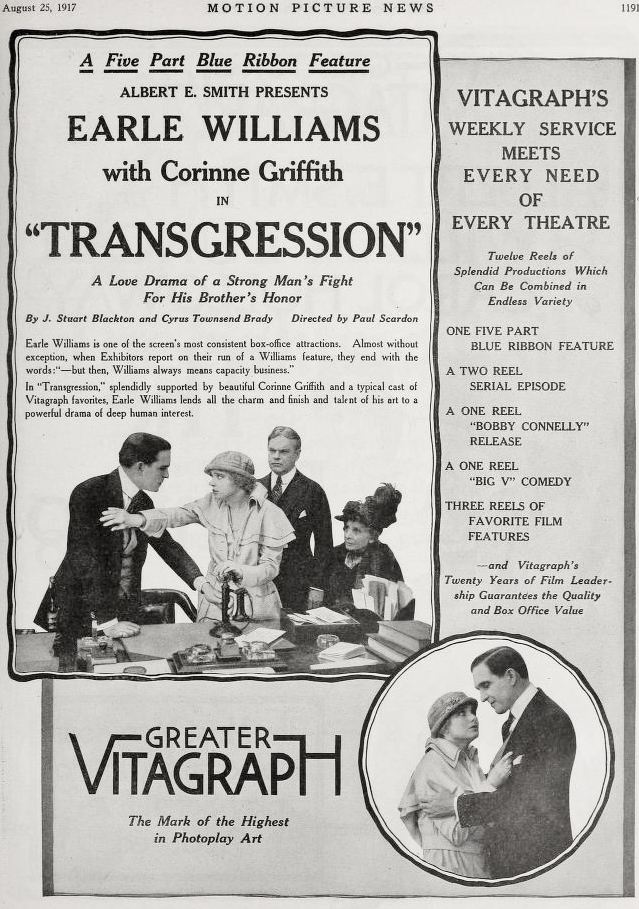
Consider films like The Cheat (1915), a scandalous melodrama that delved into themes of infidelity, sexual violence, and moral ambiguity. While not a 'cult film' in the modern sense, its willingness to explore dark, transgressive subject matter and challenge societal norms made it a controversial sensation, sparking intense discussion and drawing audiences drawn to its provocative nature. This spirit of provocation, of pushing boundaries, is a foundational element of what would later become cult appeal. Similarly, The Soul of Satan (1917) with its ruthless gambler protagonist, ventured into morally murky territory, showcasing characters driven by vice rather than virtue, a theme often embraced by subsequent cult classics.
Other early works, though perhaps less overtly scandalous, demonstrated a unique vision or narrative ambition that set them apart. Eyes of Youth (1919), for instance, explored a speculative narrative where a young woman is shown multiple potential futures based on her choices. This kind of imaginative storytelling, delving into philosophical 'what ifs' or alternative realities, often finds a fervent audience eager to dissect its layers. Then there’s the intriguing Zhuangzi shi qi (1913), a philosophical tale from China, which, through its eccentric premise of a philosopher testing his wife's fidelity after encountering a widow fanning her husband's grave, showcases an early embrace of unconventional narrative structures and thematic depth that transcends simple entertainment. These films, far removed from the blockbuster mentality, cultivated a niche, even if unintentional, appeal.
Even within the seemingly straightforward genres of the era, anomalies emerged. Westerns like Step on It! (1922) or The Law of the Border (1920) might have, through their raw energy or idiosyncratic characters, garnered a loyal following among specific segments of the audience. The early silent comedies, too, like Moonshine (1918) or High Rollers (1921), with their slapstick chaos and sometimes absurd premises (escaped monkeys on skates!), might have generated a boisterous, interactive viewing experience that foreshadowed the participatory rituals of later midnight movies.
The very nature of early cinema—its rapid evolution, its experimentation with form and narrative, and its often ephemeral existence—meant that many films were, by default, unseen gems, appreciated by a smaller, dedicated audience or rediscovered much later. A film like The Fairylogue and Radio-Plays (1908), an ambitious, lost multimedia adaptation of L. Frank Baum's Oz books, represents a pioneering spirit that defied easy classification, a trait inherently linked to cult status.
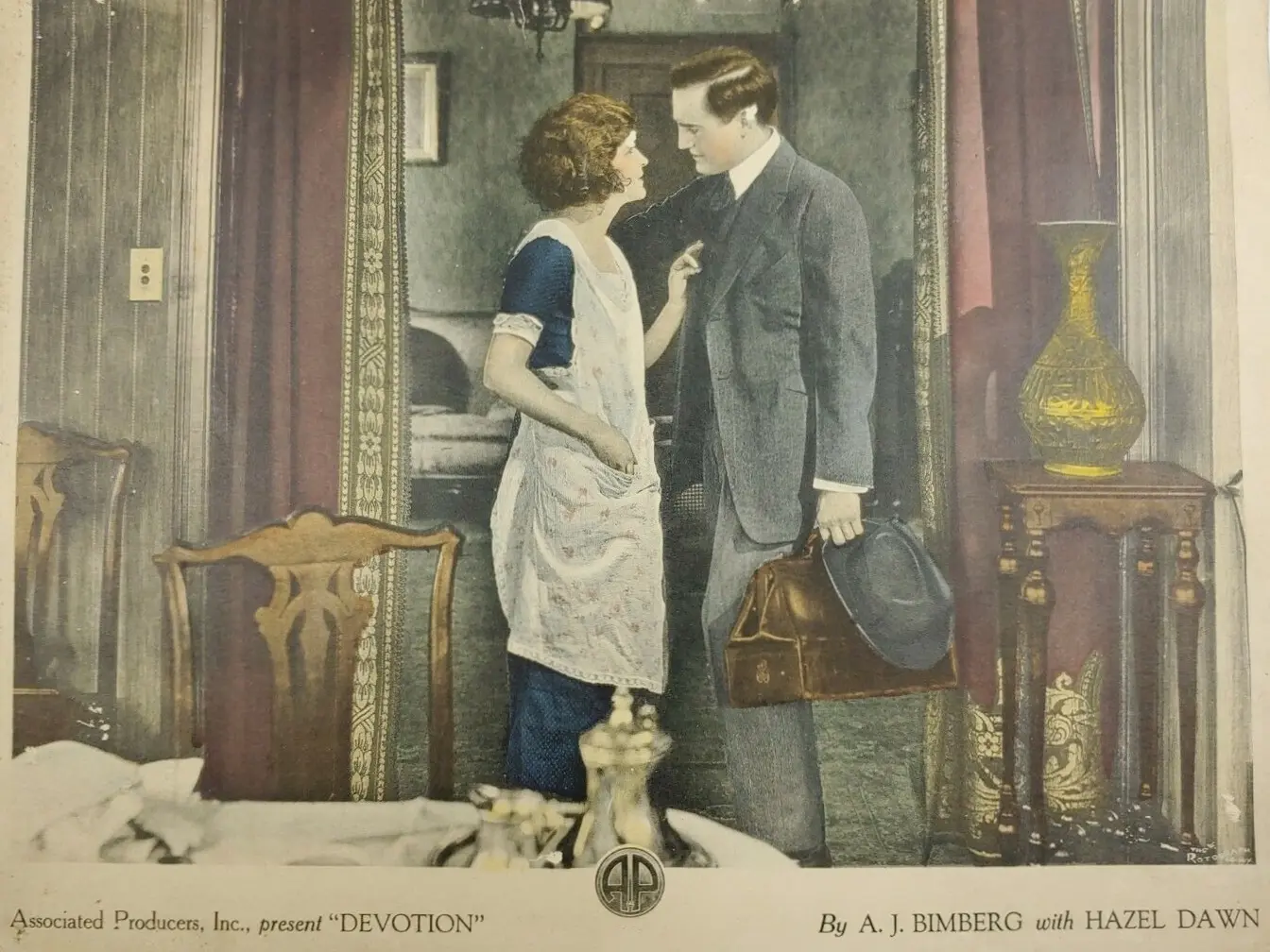
What, then, truly defines a cult film? It’s more than just obscurity or initial failure. It’s a complex interplay of elements that include thematic transgression, stylistic eccentricity, an often polarizing reception, and, crucially, the formation of a passionate, dedicated fandom. Cult films often challenge societal norms, presenting narratives or characters that mainstream audiences might find disturbing, bizarre, or simply incomprehensible.
These films thrive on narrative anarchy, often eschewing conventional plot structures for something more dreamlike, disjointed, or surreal. They might feature anti-heroes or morally ambiguous protagonists, forcing viewers to confront uncomfortable truths or question established ethics. The melodramas of the early 20th century, such as Tess of the D'Urbervilles (1913) or The Mad Woman (1917), though products of their time, contained elements of profound tragedy and social commentary that resonated deeply with audiences, exploring themes of fate, injustice, and personal struggle. St. Elmo (1914), another lost silent film based on a popular novel, depicted a fall from grace and eventual redemption, a narrative arc that often invites intense emotional investment and debate.
Stylistically, cult films are often bold and distinctive. They might employ unconventional cinematography, editing, or sound design that creates a unique, immersive atmosphere. This commitment to a singular vision, regardless of commercial viability, is a hallmark of the maverick filmmaker who dares to be different. The experimental nature of early cinema, where the language of film was still being written, often resulted in visual and narrative choices that, by today's standards, might seem odd or avant-garde, contributing to their retrospective 'cult' aura.

The true magic of cult cinema lies in its ability to forge unbreakable bonds between film and viewer, and among viewers themselves. Unlike blockbusters that aim for universal appeal, cult films speak to a specific tribe. This tribe finds its identity, its shared language, and its sense of belonging within the film's unique universe. This phenomenon is vividly demonstrated in the history of midnight movies, where audiences would gather late at night, often repeatedly, to participate in a ritualistic viewing experience. They knew the lines, dressed as characters, and engaged in call-and-response with the screen. This communal aspect transforms mere spectatorship into active participation, a shared devotion.
Even in the days before widespread midnight screenings, certain films, by virtue of their compelling characters or dramatic situations, would have inspired fervent discussion and repeat viewings. A film like The Good Provider (1922), a drama about an immigrant family's journey to prosperity, might have resonated deeply with specific communities, becoming a talking point and a shared cultural touchstone. Similarly, the intense emotional stakes in films such as Secret Sorrow (1921), which tackles themes of poverty and adoption, could have fostered a powerful connection with audiences who saw their own struggles reflected on screen, leading to a dedicated following.
The longevity of these films often stems from their ability to offer something new with each viewing. They possess a depth of meaning, a symbolism, or an ambiguity that invites endless interpretation and discussion. This intellectual engagement, combined with the emotional resonance, fosters an enduring loyalty that transcends fleeting trends.

Cult cinema frequently delves into themes that challenge the status quo, exploring the darker aspects of human nature, societal hypocrisy, or existential angst. These themes are not new; they have been present in storytelling since antiquity. Early cinema, too, grappled with complex moral landscapes.
Films touching upon class distinctions and the struggle for upward mobility, like Real Folks (1918) or The Good Provider, while seemingly conventional, could resonate with audiences experiencing similar societal pressures, creating a sense of shared understanding. Narratives that explore identity and self-discovery, such as Less Than Kin (1918), where a man assumes another's identity, or The Ghost of Rosy Taylor (1918), about a woman discovering her true lineage, touch upon universal human questions in ways that can be profoundly impactful for certain viewers. These explorations of personal and societal identity, often through exaggerated or dramatic means, tap into the very core of what makes a film enduringly relevant.
Even within the lighter fare, a distinct personality could emerge. Comedies like The Champion Liar (1920) or Gift o' Gab (1917) might have, through their unique protagonists and humorous takes on human foibles, developed a devoted following. The quirky charm of a film like Sunshine Alley (1917), set in the poorest section of a city with a protagonist finding delight in her bird store, could foster a tender, dedicated appreciation for its specific brand of escapism and human warmth.

Cult films often operate in the cinematic underground, gaining traction through word-of-mouth, critical reappraisal, or specialized screenings. They are the films that critics initially dismissed, or that failed at the box office, only to find their true audience years or even decades later. This delayed recognition is a common narrative in the cult canon, highlighting the often-ahead-of-its-time nature of these works.
Consider the myriad of titles that, for various reasons, remained on the fringes of public consciousness, only to be rediscovered and re-evaluated by subsequent generations. Films exploring moral dilemmas and the consequences of actions, like Loaded Dice (1918) or The Price of Fame (1921), could offer rich ground for discussion, their narratives providing stark lessons or compelling character studies that defy easy categorization. Even seemingly straightforward genre pieces, such as Hidden Dangers (1920) or Den grønne Bille (1918) (The Green Beetle), might have contained stylistic quirks or narrative twists that resonated with a particular segment of the audience, elevating them beyond mere genre fare.
The very fact that many early films are lost to time, existing only in fragments or descriptions, adds another layer of mystique. Their scarcity makes them almost mythical, fueling a desire for discovery and preservation. This echoes the reverence cult audiences hold for their beloved films, treating them as precious, often misunderstood, artifacts.
The magnetic pull of cult cinema is undeniable. It's a testament to the power of art to connect with individuals on a deeply personal level, to challenge perceptions, and to foster communities built on shared passions. These films are not just entertainment; they are cultural touchstones, academic subjects, and personal obsessions. They remind us that the true value of a film isn't always measured by its box office gross or critical acclaim, but by its ability to stir the soul and ignite the imagination of its devoted followers.
From the philosophical musings of Zhuangzi shi qi to the scandalous drama of The Cheat, and the pure, unadulterated escapism of early comedies like The General Store General (1919) or Where Is My Wife? (1925), the seeds of cult appreciation were sown early. These diverse cinematic offerings, whether through their unique narrative choices, their exploration of taboo subjects, or simply their distinct voices, contributed to a rich tapestry of film history that would eventually give rise to the fully formed phenomenon of cult cinema.
The journey of cult cinema is an ongoing one, continually evolving as new generations discover the unconventional treasures of the past and embrace the boundary-pushing films of the present. It’s a testament to the fact that art, in its purest form, will always find its audience, no matter how small or how niche. The maverick spirit, the defiance of expectation, and the forging of deep, meaningful connections remain the guiding stars by which cult cinema navigates its uncharted, yet endlessly fascinating, course.
In a world increasingly homogenized by algorithms and mass-market appeal, cult cinema stands as a vibrant, rebellious counter-culture. It’s a reminder that the most profound cinematic experiences often lie beyond the marquee, in the darkened rooms where like-minded souls gather to celebrate the films that dare to be different. It’s a celebration of the unorthodox oracle, speaking truths that resonate deeply with those willing to listen, forming a celluloid sanctuary for the cinematic soul.