
Cult Cinema, Deep Dive
The Unruly Canvas: Exploring the Enduring Allure of Cult Cinema's Rebel Heart

“This article delves into the captivating world of cult cinema, exploring how unconventional narratives and daring visions have forged enduring fandoms and reshaped cinematic landscapes. Discover the magnetic pull of films that defy mainstream expectations and resonate deeply with devoted audiences.”
In the vast, ever-expanding tapestry of cinematic history, certain films defy easy categorization, resist the fleeting trends of popular taste, and instead carve out a unique, often hallowed, space in the collective consciousness. These are the cult films, the unconventional masterpieces that, for various reasons, failed to capture immediate mainstream success but found a fervent, dedicated following over time. They are the cinematic outsiders, the rebel narratives that challenge, provoke, and ultimately connect with audiences on a profoundly personal level, transforming passive viewing into an active, almost ritualistic, experience. Understanding cult cinema isn't just about listing obscure titles; it's about dissecting a phenomenon rooted in shared obsession, aesthetic rebellion, and the innate human desire for stories that speak to the soul's untamed corners.
The journey into cult cinema is an exploration of the fringe, a deep dive into the underground currents that have always flowed beneath the surface of commercial filmmaking. These are the films that often push boundaries, whether through their challenging themes, transgressive content, experimental aesthetics, or sheer, unadulterated weirdness. They are not merely movies; they are experiences, catalysts for community, and often, cultural touchstones for generations of cinephiles seeking something beyond the ordinary. From forgotten gems to midnight movie mainstays, cult films possess an irresistible magnetism that ensures their endurance, long after their initial theatrical runs have faded into memory.

The Genesis of the Unconventional: Early Seeds of Cinematic Rebellion
While the term "cult film" gained prominence in the latter half of the 20th century, the spirit of cinematic subversion has roots stretching back to the very dawn of motion pictures. Even in the silent era, filmmakers experimented with narrative structures, explored complex moral ambiguities, and ventured into genres that pushed the boundaries of societal norms. These early cinematic explorations, though perhaps not explicitly "cult" in their contemporary reception, laid the groundwork for the later phenomenon by demonstrating cinema's capacity for profound and often unsettling storytelling.
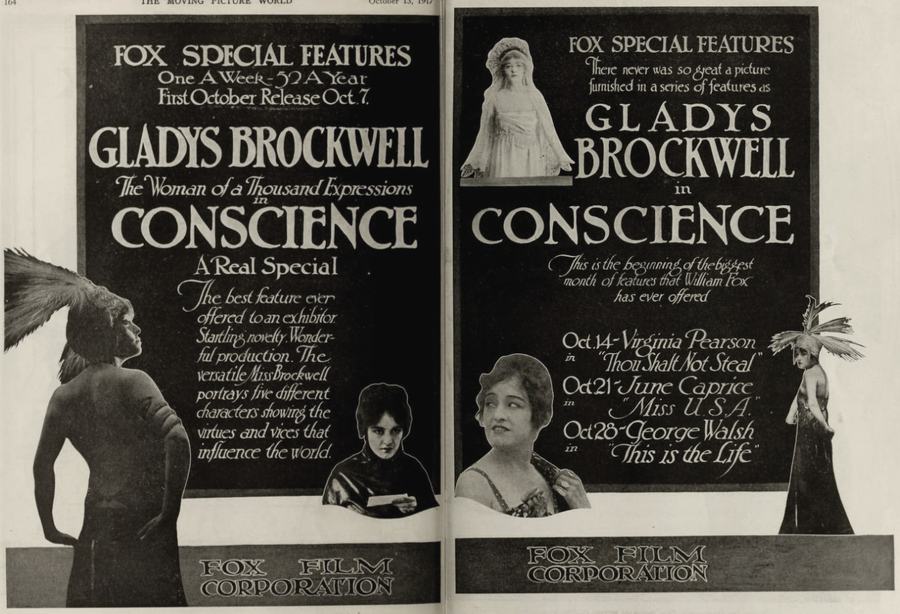
Consider the silent films of the early 20th century, many of which, like the provided list, were melodramas, social commentaries, and genre experiments. Titles such as The Woman of Lies or Conscience, for instance, delved into themes of betrayal, moral reckoning, and societal judgment, presenting characters grappling with complex ethical dilemmas. These narratives, while perhaps conventional in their dramatic structure, allowed for a nuanced portrayal of human flaws and societal pressures that could resonate deeply with specific segments of the audience. The exploration of an ex-con's struggle to go straight in The Wonderful Chance or a young girl navigating a crooked city in The Adventurer showcased protagonists on the fringes, a common theme in later cult cinema.

Genre films, even in their nascent forms, also exhibited traits that would become hallmarks of cult status. The 1921 adaptation of The Hound of the Baskervilles, for example, brought a classic mystery-horror narrative to the screen, undoubtedly captivating audiences with its suspense and atmospheric dread. While a popular literary adaptation, its early cinematic rendition tapped into the primal appeal of genre storytelling, fostering a dedicated viewership eager for such thrilling experiences. Similarly, Westerns like My Sorrel Horse and Wolves of the Range, or even the episodic adventure of The Scarlet Runner, offered distinct narrative worlds that, for their time, might have cultivated a passionate following among specific demographic groups.
Even seemingly straightforward dramas or comedies could, in their own way, push boundaries. Films like Mrs. Temple's Telegram or Boy Crazy might have presented social satire or depictions of modern relationships that challenged contemporary sensibilities. It May Be Your Daughter and The Girl from Nowhere hint at narratives dealing with social issues or mysterious identities, themes that often lend themselves to deeper interpretation and discussion among dedicated fans. This early period was a fertile ground for proto-cult dynamics, where films, by virtue of their unique storytelling or thematic daring, began to forge a special bond with audiences seeking something different.

Defining the Cult Phenomenon: Beyond the Mainstream Gaze
What, then, truly defines a cult film? It's more than just a box office flop, though many cult classics initially struggled commercially. The essence of cult cinema lies in its unconventional appeal, its ability to bypass critical consensus and mainstream popularity to build a passionate, often obsessive, following. These films often share several key characteristics:
Rejection of Convention:
Cult films frequently subvert traditional narrative structures, genre tropes, and societal expectations. They dare to be different, to tell stories in ways that are often shocking, confusing, or simply unique. This refusal to conform is a powerful draw for audiences tired of formulaic filmmaking. A film like Krzyk (The Cry), with its premise of a man haunted by his wife's scream, suggests a psychological intensity that could easily resonate with a niche audience seeking visceral drama.

Unique Aesthetic and Vision:
Many cult films boast a distinctive visual style, a singular directorial voice, or a bizarre premise that sets them apart. This could be anything from surreal imagery to gritty realism, from campy extravagance to stark minimalism. The aesthetic often becomes as much a part of the film's identity as its plot, fostering a deep appreciation among fans.
Thematic Resonance:
Cult films often explore themes that speak to outsiders, rebels, or those who feel disenfranchised. Identity, alienation, rebellion against authority, the nature of reality, and taboo subjects are common threads. They provide a space for audiences to see their own hidden fears, desires, or eccentricities reflected on screen, creating a powerful sense of validation and belonging.

Re-discovery and Enduring Relevance:
Many cult films were initially misunderstood or overlooked, only to be re-evaluated and embraced years, even decades, later. Their themes or aesthetics might have been ahead of their time, or they simply needed the right audience to find them. Once discovered, their relevance often transcends their era, speaking to new generations with fresh urgency.
Aesthetic Rebellion and Narrative Audacity: The Art of the Outlier
The true artistry of cult cinema lies in its audacity – its willingness to break rules, to experiment with form, and to challenge the very definition of what a film can be. This often manifests in genre-bending narratives, where elements of horror, comedy, sci-fi, and drama are blended in unexpected ways, creating a cinematic hybrid that defies easy classification. A film might start as a straightforward drama and spiral into surrealism, or a comedy might mask profound philosophical questions.

The visual language of cult films is equally diverse and often highly stylized. From the stark, expressionistic shadows of early German cinema to the vibrant, hyper-real palettes of modern underground works, aesthetic innovation is a cornerstone. Directors of cult classics often possess a distinctive authorial voice, imprinting their unique vision onto every frame. This visual signature becomes a key part of the film's appeal, inviting repeated viewings to uncover new details and appreciate the craftsmanship.
Narratively, cult films often toy with audience expectations. They might feature unreliable narrators, non-linear storytelling, ambiguous endings, or characters whose motivations remain opaque. This narrative complexity isn't meant to alienate but to engage, inviting viewers to actively participate in deciphering the film's meaning. The open-endedness or interpretative richness encourages discussion, debate, and the formation of fan theories, all contributing to the film's lasting cult status.

Even the seemingly simple dramas of the early 20th century, like Love's Toll or Das große Licht, in their original contexts, might have explored human relationships with a degree of frankness or emotional intensity that was considered daring. Wife Against Wife or The Place of Honeymoons, for instance, hint at passionate rivalries and complex romantic entanglements that, for audiences of the time, might have offered a titillating glimpse into forbidden desires or morally ambiguous choices. These early narrative choices, while perhaps tame by today's standards, were the embryonic forms of the transgressive storytelling that would define later cult movements.
The Communal Embrace: Fandom, Ritual, and Shared Obsession
Perhaps the most defining characteristic of cult cinema is its relationship with its audience. Unlike mainstream blockbusters, which aim for broad appeal, cult films cultivate intensely loyal and interactive fanbases. These are not passive consumers; they are devotees, scholars, and often, participants. The communal aspect is paramount, transforming individual viewing into a shared experience.
The phenomenon of the midnight movie is inextricably linked to cult cinema. Screenings of films like The Rocky Horror Picture Show or Eraserhead became interactive rituals, complete with audience participation, callbacks, and elaborate cosplay. This level of engagement transcends simple appreciation; it becomes a form of collective performance, a celebration of shared identity and mutual understanding. Fans don't just watch these films; they *live* them, finding solace and community in their shared love for the unconventional.
This sense of community extends beyond the physical cinema. Online forums, fan art, fan fiction, and conventions all contribute to a vibrant subculture of cinematic devotion. Audiences delve into the lore, dissect every frame for hidden meanings, and celebrate the quirks and eccentricities that mainstream critics might have dismissed. For many, finding a cult film is like discovering a secret language, a hidden world where their own unique tastes and perspectives are not just accepted, but celebrated.

Even in the early days of cinema, the potential for such communal experiences existed. Imagine audiences gathering for a thrilling serial like Manden med de ni Fingre V or a compelling social drama such as Les deux gamines. While not "midnight movies" in the modern sense, these films, by their very nature of being serialized or deeply engaging, encouraged discussion, anticipation, and a shared emotional journey, laying the psychological groundwork for future cult gatherings. The collective experience of being enthralled by a unique cinematic vision, whether a documentary like Nankyoku tanken katsudô shashin or a dramatic feature, is a fundamental human draw that cult cinema amplifies.
The Enduring Legacy: Why Cult Films Persist
The enduring appeal of cult cinema lies in its ability to transcend time and trends. These films often offer a profound sense of authenticity that mainstream productions, constrained by commercial pressures, sometimes lack. They are often born from a pure artistic vision, unafraid to offend, confuse, or challenge, resulting in works that feel raw, honest, and deeply personal.

Cult films also serve as a vital counter-narrative, offering perspectives and stories that are often marginalized or ignored by mainstream culture. They give voice to the voiceless, explore taboos, and celebrate the eccentric, providing a crucial space for diverse representation and unconventional thought. This makes them particularly potent for younger generations who are often seeking alternatives to dominant cultural narratives.
Moreover, the re-discovery of cult films often reveals a fascinating evolution of cinematic taste and critical understanding. Films once dismissed as bizarre or incompetent are re-contextualized as groundbreaking, prescient, or simply misunderstood masterpieces. This constant re-evaluation enriches the broader film canon, reminding us that artistic value is not always immediately apparent or universally agreed upon.
The influence of cult cinema extends far beyond its dedicated fanbase. Its aesthetic innovations, narrative risks, and thematic explorations frequently inspire subsequent generations of filmmakers, artists, and musicians. Elements from cult films often seep into mainstream culture, influencing fashion, music, and even language. They are the unseen architects of modern pop culture, their rebel heart beating silently beneath the surface of the recognizable.
Reflecting on the early films that explored complex social dynamics, like A Law Unto Herself, Tempêtes, or The Usurper, we can see the nascent desire for stories that questioned authority, explored forbidden love, or highlighted individual struggles against powerful forces. Even comedies like The Dollar-a-Year Man, with its tale of a laundryman caught up with anarchists and a prince, hint at a playful subversion of class and power that resonates with the anti-establishment spirit of later cult classics. These early works, by pushing against the boundaries of their time, contributed to the cinematic language of rebellion that cult films would later master.
Conclusion: The Unyielding Power of the Unconventional
Cult cinema is more than a niche; it's a testament to the enduring power of unconventional storytelling and the profound connection between art and audience. It's a realm where artistic freedom flourishes, where risks are rewarded with fervent devotion, and where films find their true home not in box office receipts, but in the hearts and minds of those who truly understand them. From the earliest silent features exploring complex human drama and societal quirks to the most outlandish midnight movie spectacles, the magnetic pull of the cinematic outsider has always been present.
These films, whether they feature daring adventurers, morally ambiguous protagonists, or simply a unique vision, continue to challenge, inspire, and unite. They remind us that cinema is not merely entertainment but a powerful medium for exploring the depths of human experience, for forging community, and for celebrating the beautiful, sometimes bizarre, tapestry of our collective imagination. The unruly canvas of cult cinema remains a vibrant, ever-evolving space, an eternal flame for the rebel heart of film lovers everywhere, perpetually inviting new audiences to step into its shadows and discover their own hidden cinematic passions.
Community
Comments
Log in to comment.
Loading comments…