
DbcultAccessing Vault...
Cult Cinema
Archivist John
Senior Editor
In the vast, ever-expanding tapestry of cinematic history, there exists a unique, often shadowy realm known as cult cinema. These aren't merely films; they are experiences, rites of passage, and often, a secret handshake among a passionate few. Far from the glittering marquee lights and mainstream accolades, cult films carve out their own enduring mythos, attracting audiences not through mass appeal, but through a potent blend of the unconventional, the transgressive, and the deeply personal. They are the cinematic outliers, the misunderstood masterpieces, and the glorious failures that, over time, transform into beloved icons, worshipped for their unique vision and uncompromising spirit. What is it about these maverick narratives that fosters such fervent devotion, turning casual viewers into lifelong disciples?
The allure of cult cinema lies in its inherent rebellion. It’s a repudiation of the predictable, a celebration of the strange, and an embrace of narratives that dare to be different. These films often subvert expectations, challenge societal norms, or simply present a vision so singular that it bewilders the masses while enchanting a dedicated minority. From the grand, sweeping epic that questions humanity's inherent flaws to the intimate, quirky comedy that finds humor in the absurd, cult films offer a sanctuary for those seeking something beyond the ordinary. They speak to a desire for discovery, for belonging to a tribe that understands the unconventional language these films speak.
While the term 'cult film' might conjure images of midnight screenings and participatory audiences from later decades, the proto-cult DNA can be traced back to cinema's earliest days. Even within the confines of nascent storytelling and nascent film industries, certain works emerged that defied easy categorization or pushed the boundaries of what was considered acceptable or conventional. These were the films that, perhaps unintentionally, laid the groundwork for the future of cinematic devotion.
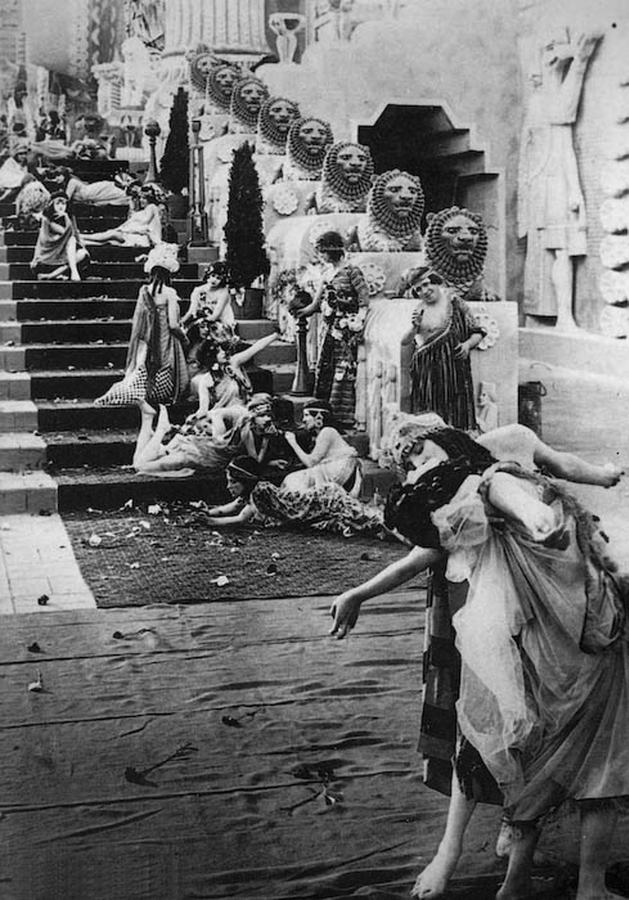
Consider D.W. Griffith's 'Intolerance' (1916). While a monumental mainstream production for its time, its ambitious, non-linear narrative structure, interweaving four distinct historical periods to depict the eternal struggle against prejudice, was audacious and perhaps overwhelming for contemporary audiences. Its sheer scale and moral complexity, far from being simple entertainment, demanded intellectual engagement. Such a film, with its grand philosophical scope and epic ambition, might not have been a 'cult' in the modern sense, but it certainly possessed the kind of uncompromising vision and thematic depth that cult audiences would later gravitate towards – a work that asks more questions than it answers, inviting endless interpretation.

Even seemingly innocuous genre pieces from the early 20th century contained elements that would resonate with future cult sensibilities. A film like 'The Secret Garden' (1919), based on the beloved novel, offered an atypical child protagonist who was initially unlikable and emotionally distant, challenging traditional notions of childhood innocence on screen. Its focus on psychological healing and the mystery of a hidden world created a unique atmosphere that, for some, would have been deeply captivating and perhaps even unsettlingly profound. Similarly, the exoticism and dramatic intrigue of 'The Palace of Darkened Windows' (1920) or the Western-drama blend of 'No Man's Woman' (1921), with its themes of revenge and moral ambiguity, showcased narratives that strayed from simple good-vs-evil tropes, hinting at the more complex, morally grey worlds cult films would later explore.
One of the defining characteristics of cult cinema is its willingness to tear down established narrative conventions. These films often disregard traditional storytelling arcs, embrace non-sequiturs, or audacious genre mash-ups that mainstream cinema typically avoids. They exist in a space where the rules are fluid, and artistic expression takes precedence over commercial viability.
Consider the enigmatic premise of 'Zatansteins Bande' (1917), a German film featuring a mysterious, hypnotic villain. Such a concept, blending elements of crime, mystery, and perhaps early horror, hints at the kind of genre defiance that would become a hallmark of cult movements. It suggests a fascination with the darker, more psychological aspects of human nature, presented in a way that might have been unsettling or alluringly strange to its initial viewers. The dramatic tension and moral complexities found in films like 'A Sainted Devil' (1924), where a nobleman must rescue his bride from a former lover and a bandit, delves into heightened melodrama and moral ambiguity, pushing the boundaries of conventional heroism and villainy.
Even within established genres, cult films find ways to subvert. Westerns, for instance, are often seen as straightforward tales of good versus evil. Yet, a film like 'Riddle Gawne' (1918), centered on a man seeking revenge for his stolen wife and murdered brother, introduces a gritty, personal vendetta that transcends simple frontier justice. The protagonist's journey is driven by a singular, obsessive goal, a psychological depth that elevates it beyond typical shoot-em-up fare. Similarly, 'O'Malley of the Mounted' (1921) might seem like a standard adventure, but its depiction of a lawman going undercover to catch a murderer could have offered a more complex, character-driven narrative than audiences expected, blurring the lines between hero and the world he infiltrates.

Cult films frequently gravitate towards characters who are themselves outsiders, rebels, or figures operating at the fringes of society. These protagonists often reflect the audience's own sense of alienation or desire for an alternative perspective. Their struggles, triumphs, and often tragic fates resonate deeply with viewers who feel a similar disconnect from mainstream norms.
Take 'The Twinkler' (1920), a story about an ex-convict, Bob Stephany, who, despite his past, saves a man's life and is promised repayment. This narrative explores themes of redemption, societal judgment, and the inherent goodness that can exist even in those labeled as outcasts. Such a character, living on the margins and defying expectations, is a classic cult archetype. Even in comedies, this fascination with the eccentric shines through. 'The Nut' (1921), featuring an eccentric inventor trying to help underprivileged children, celebrates quirkiness and unconventional altruism. These characters, whether morally complex or delightfully odd, offer a refreshing alternative to the often one-dimensional heroes and heroines of mainstream fare.
The melodramas of the era also presented characters grappling with profound personal crises and moral dilemmas, which, when handled with nuance, could achieve cult status. 'Blind Youth' (1920), a drama of abandonment and eventual redemption, delves into the emotional turmoil of its protagonist, Maurie Monnier, a poor sculptor whose life takes a series of tragic turns. Such an intense exploration of human suffering and resilience, while perhaps too raw for broad appeal, would undoubtedly captivate a more discerning audience seeking emotional depth and complex character arcs.
Perhaps the most romantic aspect of cult cinema is its journey from obscurity to revered status. Many of these films were not box office successes upon their initial release, often dismissed by critics or ignored by the general public. Their true power was only recognized years, sometimes decades, later, through midnight screenings, film society viewings, and the passionate advocacy of dedicated fans.

Films like 'Who Loved Him Best?' (1918), a melodrama about a seamstress discovered by a film producer, might have initially been seen as a simple romantic drama. However, its exploration of ambition, love, and the choices that define a life could have resonated deeply with audiences seeking more profound narratives. The eventual re-evaluation of such films, often outside the glare of mainstream critical opinion, allows their inherent artistic merit and unique voice to shine through. This process of rediscovery transforms a forgotten flick into a cherished cinematic relic, its obscurity becoming part of its charm.
The very nature of some films made them less palatable for mass consumption. 'The Bride's Awakening' (1918), with its plot involving a secret marriage and an affair, tackled themes of marital infidelity and societal hypocrisy that, while common in melodramas, could be seen as daring or even scandalous, limiting its initial appeal. Yet, for audiences drawn to stories that explore the darker, more complex facets of human relationships, these very elements would be its strength, cementing its place as a film that dared to challenge moral boundaries.
Cult films thrive in the spaces overlooked by the mainstream. They are often independent productions, foreign films, or genre pieces that defy easy marketing. Their appeal isn't about broad demographic reach but about connecting intensely with a specific, often niche, audience. This allows filmmakers greater creative freedom, unburdened by the pressures of commercial success.
Even early comedies, if they pushed the envelope with their humor or characterizations, could become cult favorites. 'Chop Suey Louie' (1914), a short comedy, or 'Tu ten kámen' (1922), a Czech comedy, likely featured humor that was specific, perhaps absurd, or culturally nuanced, making them less universally appealing but deeply cherished by those who 'got' them. Similarly, the dramatic intensity of 'God's Crucible' (1921), which explores a man's bitterness after a harsh childhood and lost love, delves into psychological realism that might have been too bleak or challenging for the average moviegoer, yet profoundly resonant for others.

The narrative of a film like 'The Capitol' (1919), which traces a woman's journey after leaving her husband and discovering her new lover is a thief, eventually leading her to the Salvation Army, showcases a complex moral landscape and a protagonist's struggle for redemption that defies simple categorization. Such a story, with its dramatic twists and exploration of societal institutions, possesses the depth and unconventional character arc that often defines a cult classic, offering a rich tapestry for discussion and re-interpretation.
What truly distinguishes cult cinema is the active, almost ritualistic engagement of its audience. Unlike mainstream films, which are consumed passively, cult films invite, and often demand, participation. This can manifest as repetitive viewings, memorizing dialogue, dressing up as characters, or organizing interactive screenings. The film becomes a shared text, a canvas for collective experience.
While early cinema didn't have the same infrastructure for organized fan events, the seeds of this participatory culture were undoubtedly present. Audiences would have discussed films like 'Intolerance' for its grand themes, or debated the moral choices of characters in 'The Truth About Helen' (1921), a film that deals with elopement and political intrigue. The very act of seeking out and championing a film that felt unique or spoke to a personal truth was a form of early fandom. The shared experience of discovering and appreciating these cinematic anomalies created a bond, a sense of belonging among like-minded individuals.
For many, cult cinema provides a community. It's a space where those who feel alienated by mainstream tastes can find solace and connection. The shared love for a strange, often misunderstood film creates an immediate bond, transforming solitary viewing into a collective experience. This sense of belonging is a powerful driver of cult film longevity.
Films that tackled social issues or presented strong, independent female characters, even in a melodramatic context, could have fostered this sense of shared identity. 'Peppy Polly' (1922), where Polly gets herself arrested to investigate reformatory conditions, features a resourceful and rebellious protagonist. Such a character, challenging authority and seeking truth, would resonate with audiences who felt unheard or marginalized. Similarly, the emotional journey in 'Polly Ann' (1917), about a maidservant falling in love with an actor, could have offered escapism and identification for viewers seeking narratives beyond their own everyday lives, creating a shared emotional space.
Even films with seemingly lighter themes, like the short comedies 'Brownie's Baby Doll' (1917) or 'Faint Hearts' (1918), if they possessed a particular brand of humor or quirky charm, could attract a dedicated following. The shared laughter and appreciation for their unique comedic timing would forge a bond among their admirers, proving that cult status isn't solely reserved for the dark or transgressive, but for anything that sparks an intense, personal connection.
Beyond their initial shock value or unconventional aesthetics, many cult films endure because they tap into timeless human experiences or deliver messages that remain relevant across generations. They often explore themes of alienation, identity, rebellion, and societal critique with a frankness or artistic flair that mainstream productions shy away from.
The moral complexities of films like 'God's Crucible' (1921), depicting a man hardened by life's injustices, or the dramatic choices in 'The West~Bound Limited' (1923), where a railroad engineer's heroic act connects him to the president's daughter, offer rich thematic material. These narratives, exploring fate, class, and personal responsibility, resonate because they speak to universal human struggles. Their subversive power often lies not in overt political statements, but in their ability to make viewers question their own assumptions about morality, society, and destiny.
Even films that might seem like simple detective stories, such as 'The Wakefield Case' (1921) or 'Detective Craig's Coup' (1914), if they introduced elements of psychological depth, unconventional heroes, or morally ambiguous villains, could transcend their genre. Their enduring appeal would stem from their ability to offer more than just a puzzle to solve, but a glimpse into the darker corners of human nature and the complexities of justice.
The absence of mainstream commercial pressures often liberates filmmakers to pursue their most audacious and personal visions. Cult films are frequently the product of singular artistic voices, uncompromised by studio interference or market demands. This unbridled creativity results in films that are unique, often idiosyncratic, and profoundly authentic.
Consider the sheer variety of films from this early period: from the dramatic intensity of 'Humanidad' (1921) or 'Opfer' (1921), whose very titles suggest profound thematic explorations, to the lighthearted absurdity of 'Throwing the Bull' (1924) or 'Winner Take All' (1918). Each represents a filmmaker's attempt to tell a story in a way that felt true to their vision, irrespective of prevailing trends. This commitment to artistic integrity, even when it leads to initial commercial failure, is precisely what endears these films to cult audiences. They are celebrated not for what they conform to, but for what they dare to challenge.
The enduring legacy of cult cinema is a testament to the power of unconventional storytelling and the profound human need for connection through shared passion. These films are more than just entertainment; they are cultural artifacts that reflect a deeper yearning for meaning, for rebellion, and for belonging. They remind us that the most profound cinematic experiences often lie not in the brightly lit multiplexes, but in the shadowy corners, whispered about by devotees, waiting to be rediscovered by those willing to look beyond the obvious. The mythos of cult cinema is a living, breathing entity, constantly evolving, inviting new generations to join its unholy congregation and find their own reflections in its mesmerizing, often unsettling, depths.