
Cult Cinema
The Anomalous Altar: Unmasking the Secret DNA of Cult Devotion in the Silent Era's Forgotten Reels
“A deep-dive editorial into how the silent era's most bizarre genre experiments and social transgressions laid the genetic foundation for modern cult cinema worship.”
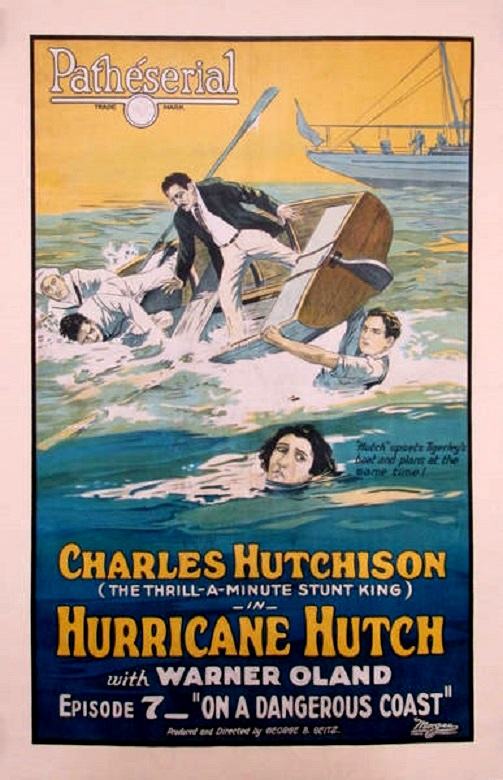
The history of cult cinema is often erroneously dated to the midnight movie craze of the 1970s, a time of El Topo and The Rocky Horror Picture Show. However, the true architecture of the cult mindset—the obsession with the fringe, the celebration of the transgressive, and the devotion to the narrative anomaly—was actually forged in the flickering shadows of the silent era and the early days of the talkies. Long before audiences threw toast at screens, they were captivated by the radical oddities of films like Hurricane Hutch or the psychological fracturing found in The Two-Soul Woman. These were the original renegades, the celluloid outcasts that dared to deviate from the nascent mainstream, establishing a template for what we now recognize as niche worship.
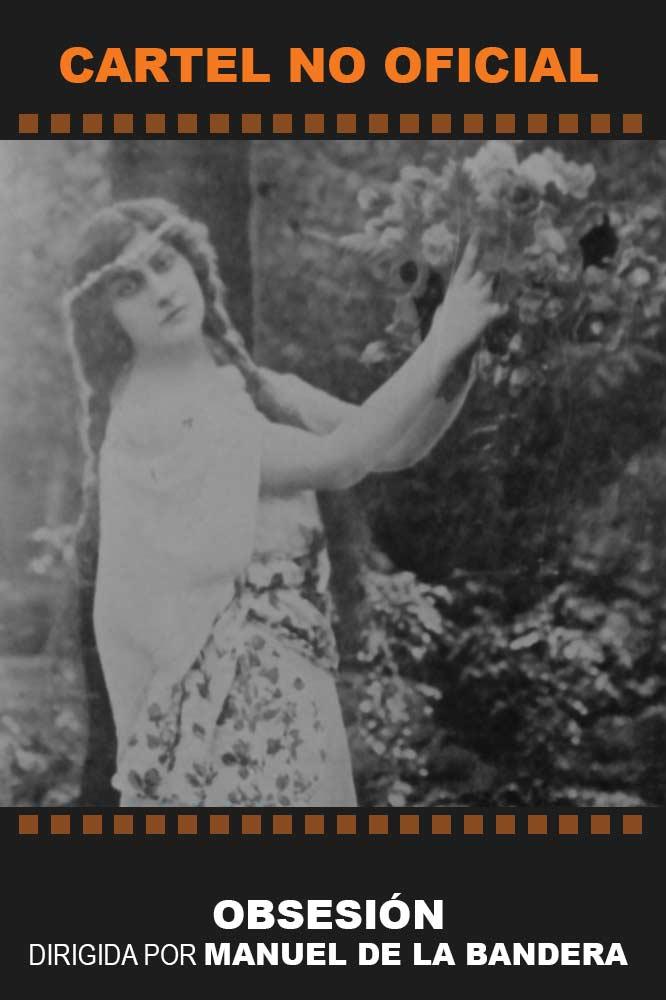
The Genesis of the Transgressive Archetype
Cult cinema thrives on the forbidden and the hidden. In the early 20th century, this often manifested as the 'secret'—a narrative device that allowed filmmakers to explore social taboos under the guise of melodrama. Take, for instance, Lady Audley's Secret. While on the surface it appears to be a Victorian cautionary tale, its core of bigamy and desertion challenged the moral rigidity of its time. When Helen Talboys assumes her husband has deserted her and marries into the aristocracy, the film creates a tension between social performance and private reality that resonates with the cult ethos of 'the mask.' This theme of hidden identities is mirrored in The Bohemian Girl, where a Polish officer posing as a gypsy finds love across class lines. These films didn't just tell stories; they offered a glimpse into the 'other,' a fundamental requirement for any film seeking a devoted, niche following.
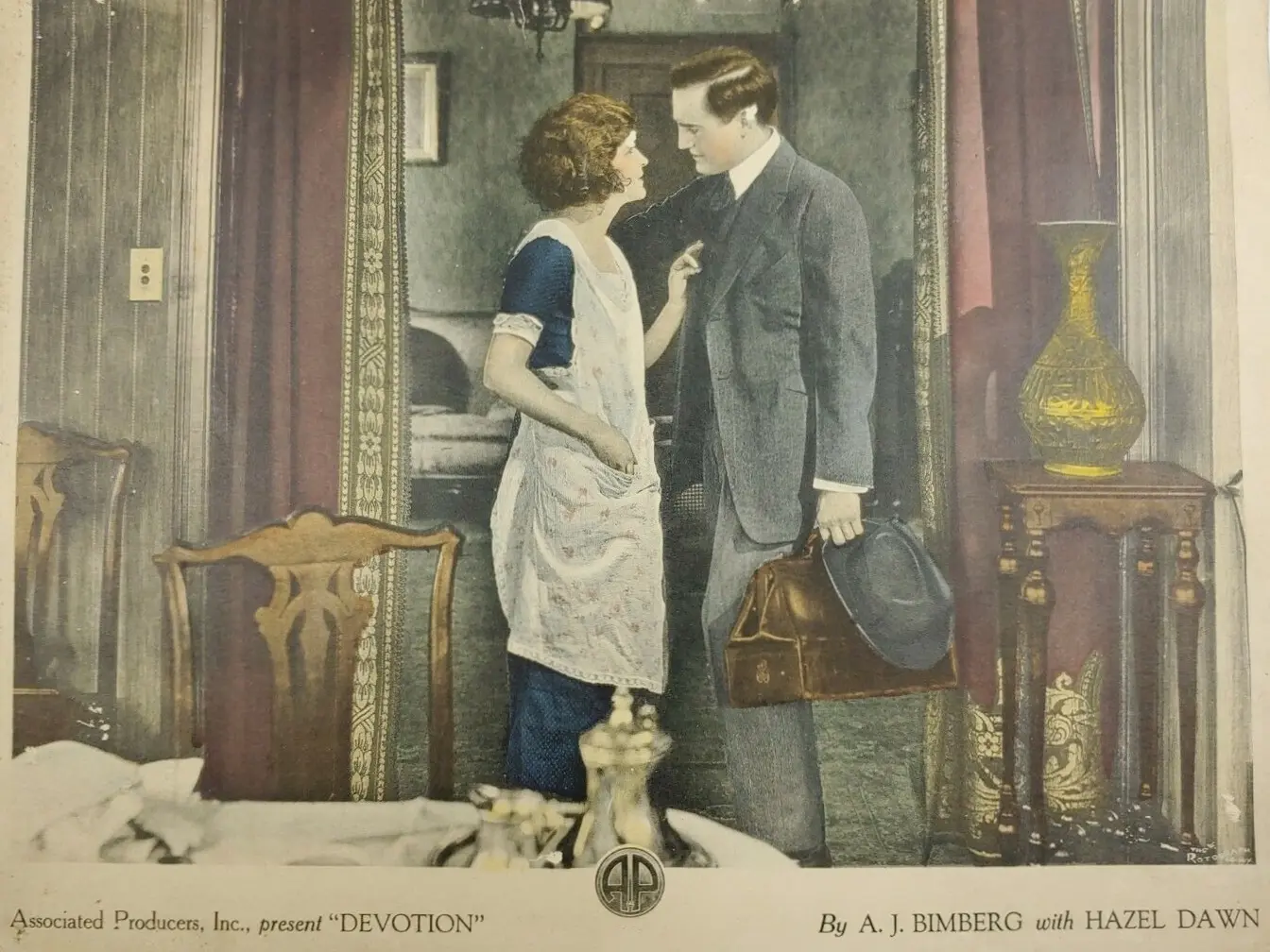
The Alchemical Blend of Romance and Rebellion
The early cult audience was often drawn to stories that blended high romance with systemic rebellion. In Revolutionens datter, we see the sparks of class warfare through the lens of a shipyard worker and a director's daughter. This isn't merely a love story; it is a cinematic manifesto for the disenfranchised. Similarly, Overalls presents a construction camp inherited by a young woman, Bettina Warren, who must navigate the heavy-handed management of her lawyer. These films explored the friction of the industrial age, creating a resonance with audiences who felt out of step with the rapid modernization of the world. They were the 'punk rock' of their era, using the medium to question authority and tradition.
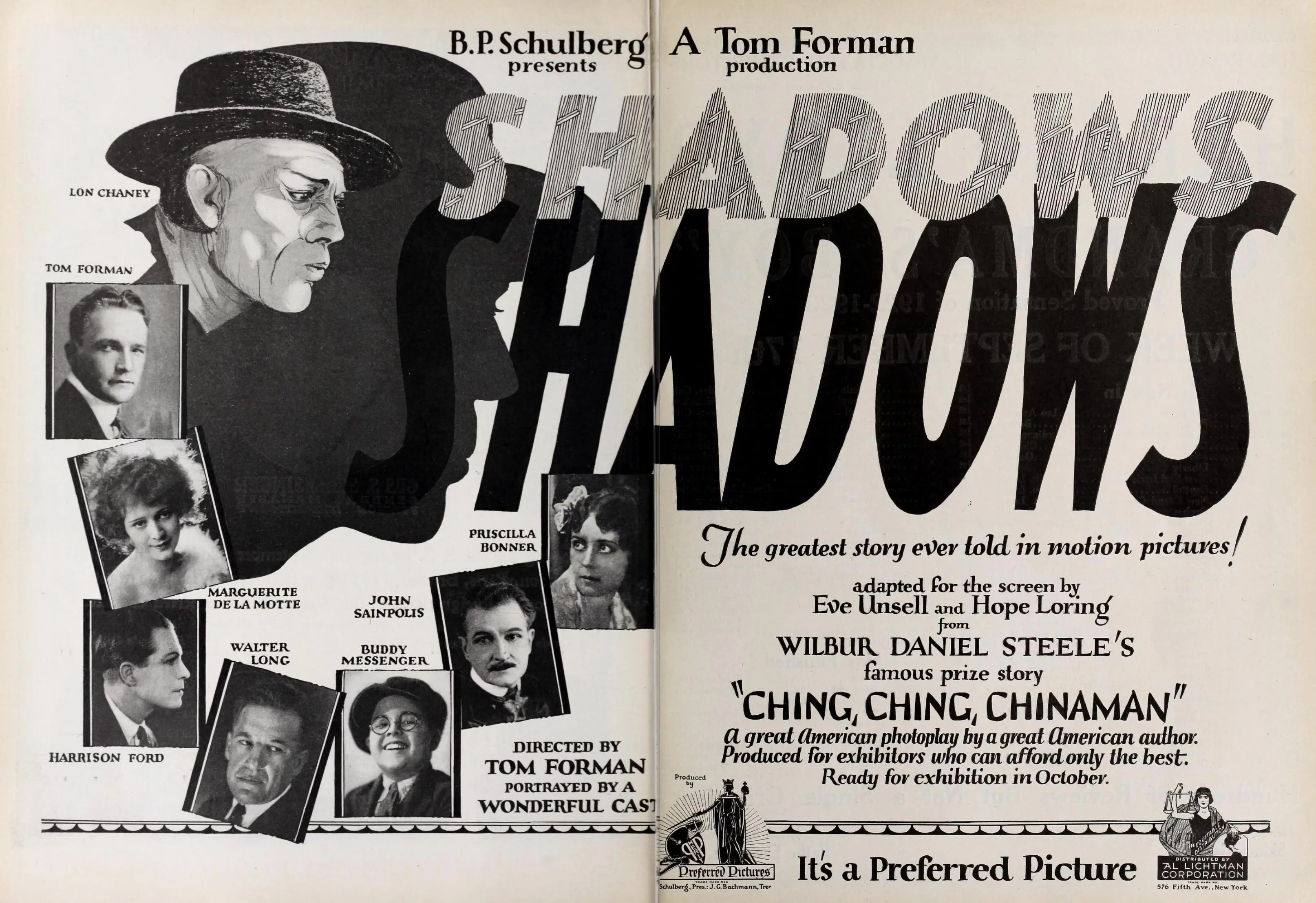
Genre Mutations and the Birth of the Weird
If there is one hallmark of the cult film, it is the 'weird'—the narrative element that defies logic and embraces the absurd. Consider the plot of Hurricane Hutch, an action-adventure series that revolves around a struggle to obtain a lost formula for making paper from seaweed. It is exactly this kind of specific, bizarre MacGuffin that fuels long-term obsession. The film allowed for 'daredevil features' that pushed the physical limits of the medium, much like the grindhouse films of the later 20th century. This lineage of spectacle-over-logic is a cornerstone of the cult experience.
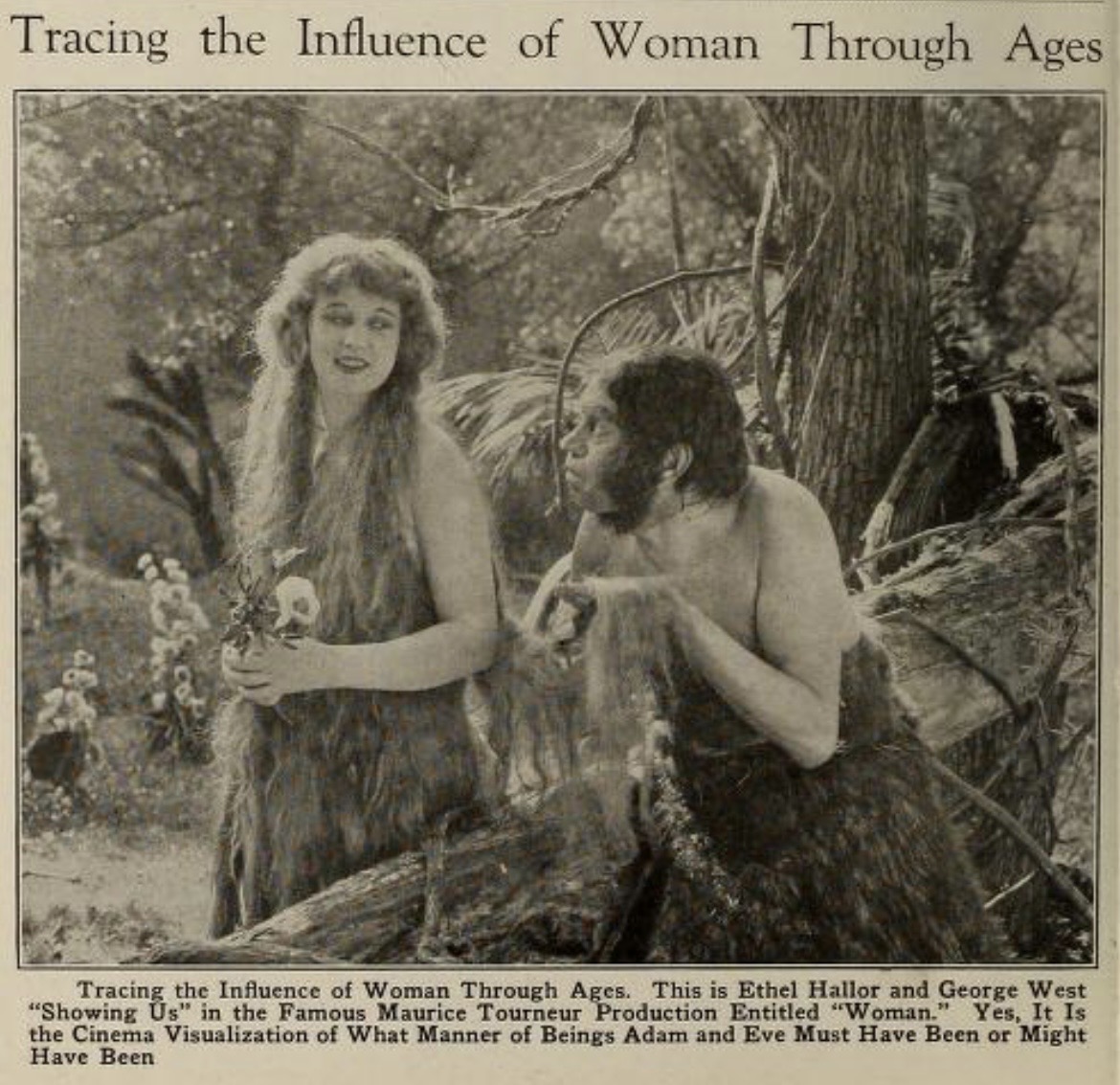
The fascination with the bizarre extended into the animal kingdom and the circus, as seen in Lonesome Hearts and Loose Lions and King of the Circus. These films tapped into a primal curiosity about the wild and the performative. In Lulu, the circus dancer’s liberal spirit and tragic end provided a template for the 'tragic bohemian'—a figure that would become a staple of cult iconography. The circus, with its inherent freak-show associations, was the perfect setting for films that lived on the edge of polite society.
Psychological Fractures and Proto-Noir Shadows
Before the term 'film noir' was even coined, early cinema was already diving deep into the fractured human psyche. The Two-Soul Woman is a landmark in this regard, featuring a protagonist suffering from dual personality disorder and a villainous hypnotist. This exploration of the subconscious and the loss of agency is a recurring motif in cult cinema, from The Cabinet of Dr. Caligari to Mulholland Drive. The idea that the self is not a monolith but a battlefield of competing identities is inherently transgressive, as it undermines the very foundation of the 'hero's journey.'
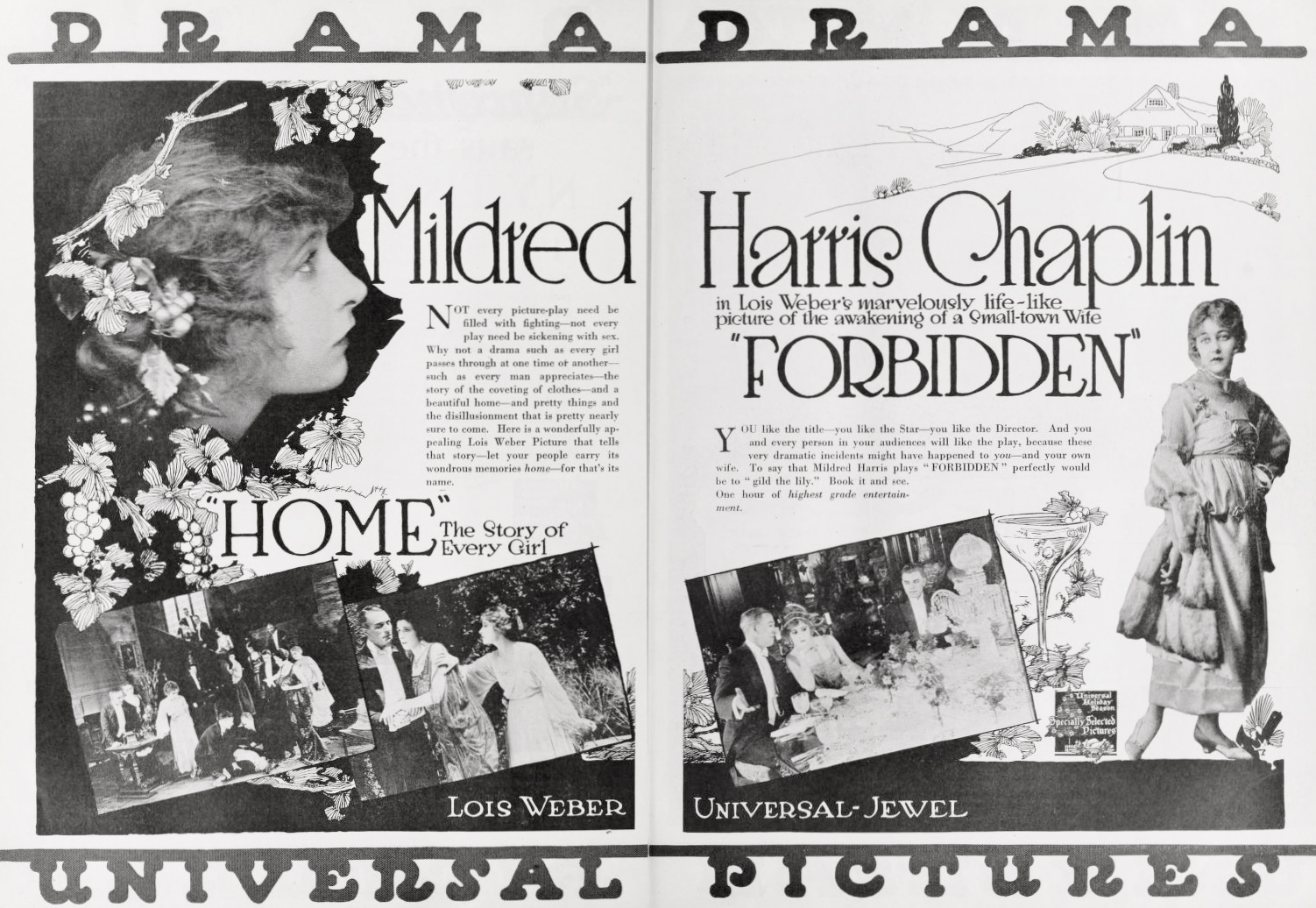
This darkness was further explored in Die Bestie im Menschen (The Beast Within), an adaptation of Zola that examines hereditary madness through the eyes of a locomotive driver. The 'human beast' is a figure of pure cult fascination—a man controlled by impulses he cannot understand, operating a massive, mechanical force. This intersection of man, machine, and madness created a visceral experience for early audiences, one that felt more 'real' and dangerous than the sanitized dramas of the day. Similarly, The Lash of Destiny and Her Atonement dealt with the consequences of city life and the 'vamp' figure, luring men into gambling dens and moral decay.
The Meta-Commentary of the Misfit
Perhaps the most surprising ancestor of modern cult cinema is the meta-fictional comedy. On Strike, featuring the famous characters Mutt and Jeff, shows the animated duo going on strike and deciding to make their own film. This self-referentiality—a film about the making of a film—is a sophisticated narrative trick that signals a high level of media literacy. It invites the audience into the 'inner circle' of the creative process, a key component of the cult 'tribe' mentality. When a film acknowledges its own artifice, it creates a unique bond with the viewer that transcends simple entertainment.
This sense of play is also evident in A Waiting Maid, where a kitchen maid uses a photograph of a stranger to incite jealousy in a butler. These comedies of errors, including Mrs. Temple's Telegram and The Pretenders, relied on the subversion of social roles. The 'pretender'—the person playing a part they weren't born into—is a hero for the cult audience, who often feel like outsiders themselves. Whether it's a Polish officer as a gypsy or an American joining the Turkish army in Filling His Own Shoes, the theme of reinvention is central to the cult narrative.
The Sacred Relics of the Lost Narrative
Many of the films from this era are lost or survive only in fragments, which adds to their 'cult' status. The 'lost film' is the ultimate object of desire for the cinematic devotee. Titles like The Human Orchid or The Captain Besley Expedition exist more as legends than as accessible media, their mystery fueling a specific kind of archival obsession. This reverence for the 'unseen' is what drives the modern restoration movement and the niche labels that cater to the 'obsessive' collector.
Even the adaptations of classics during this period had a rebellious streak. Oliver Twist, Jr. and the 1917 version of Hamlet took established texts and infused them with the visual language of the new century. These weren't just translations; they were reinterpretations that sought to find the 'weirdness' in the familiar. The Last of the Mohicans brought a visceral, genre-defining energy to the screen, while The Golden Gift explored the tragic arc of an opera star losing her voice—a metaphor for the transition from silence to sound that would eventually kill off many of these early cult icons.
Conclusion: The Eternal Flame of the Fringe
The 50 films listed here, from the hobo hero of An Honest Man to the Spanish revolutionaries in Rogues and Romance, represent a vast, untapped reservoir of cult energy. They prove that the impulse to create something 'different,' something that speaks to the fringe rather than the center, is as old as the camera itself. We worship at the Anomalous Altar not because these films were perfect, but because they were daring. They were the first to understand that cinema could be more than a mirror; it could be a distorting lens, a dreamscape, and a site of radical rebellion.
As we continue to navigate the digital age, the lessons of the silent renegades remain more relevant than ever. In an era of algorithmic predictability, the 'weird' film—the one that feels like it shouldn't exist, like Hurricane Hutch and its seaweed paper—is the only thing that can truly capture our imagination. The DNA of the midnight movie was written in the nitrate of the 1910s and 20s, and as long as there are misfits behind the camera and outcasts in the audience, the spirit of cult cinema will never truly die. It is an enduring legacy of subversion, a testament to the power of the fringe, and a reminder that the most interesting stories are often the ones told in the dark.
Community
Comments
Log in to comment.
Loading comments…