
Cult Cinema
The Celestial Deviant: Unmasking the Primal Anarchy and Subversive Soul of Early Cinema’s Most Daring Outliers
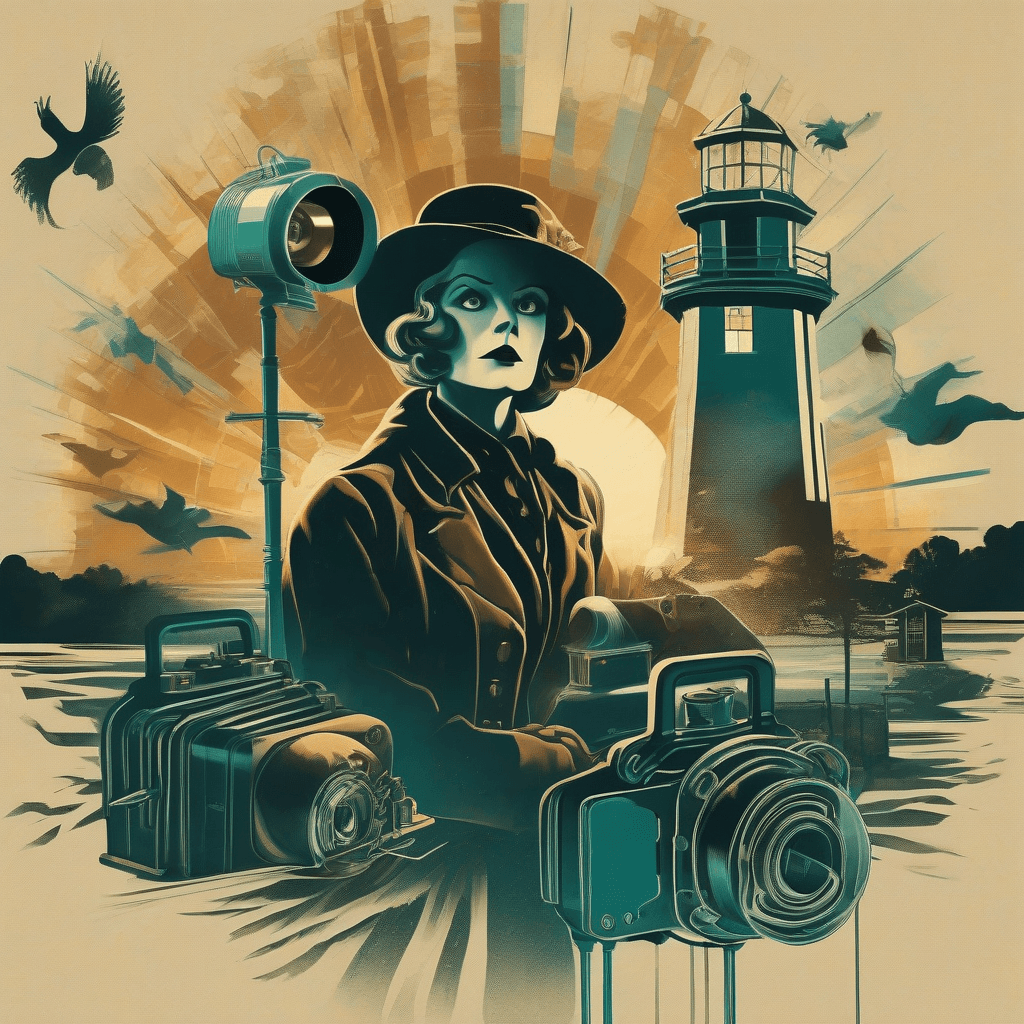
“A deep-dive exploration into how the forgotten misfits and genre-defying experiments of the silent era laid the foundational DNA for modern cult cinema obsession.”
When we speak of cult cinema, the mind often wanders to the midnight screenings of the 1970s, the neon-drenched grit of the 80s, or the transgressive underground of the 90s. However, the true genesis of the cult phenomenon—the magnetic pull of the unconventional, the celebration of the social outcast, and the worship of the narrative anomaly—finds its roots much deeper in the soil of film history. Long before the term 'midnight movie' was coined, the silent era was already birthing a lineage of celestial deviants: films that refused to adhere to the burgeoning rules of the Hollywood studio system and instead chose to dance in the shadows of the fringe.
The Architecture of the Outcast: Isolation as a Narrative Catalyst
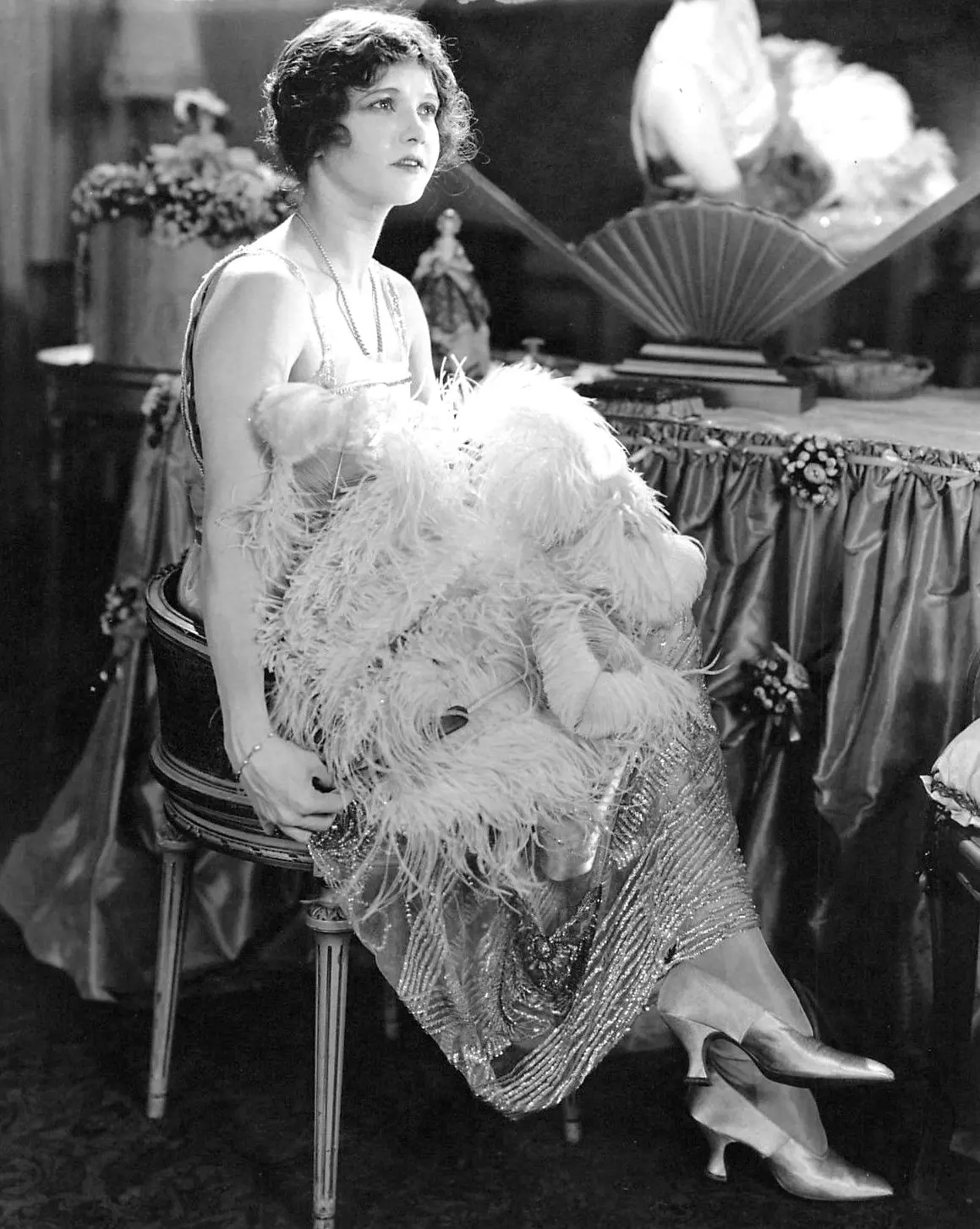
At the heart of the cult ethos lies the figure of the outsider, the individual whose existence challenges the status quo. In the 1921 masterpiece The Love Light, we see this archetype embodied by Angela (Mary Pickford). While Pickford was often cast as 'America’s Sweetheart,' this film presents a more somber, isolated vision of her persona. Set against the rugged backdrop of the Italian coast, her character maintains a lighthouse—a literal and metaphorical beacon of isolation. This setting serves as a precursor to the 'lone protagonist' trope often found in later cult classics. The tragedy of her brothers’ loss and her subsequent solace in the arms of a man who may not be who he seems creates a narrative of emotional transgression that resonated with audiences seeking something beyond the standard romantic fare of the era.
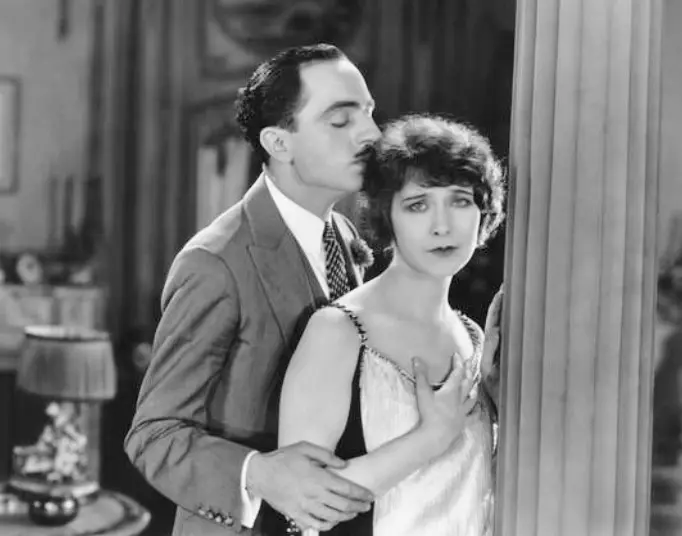
Similarly, Life's Shadows offers a poignant look at social ostracization. Martin Bradley, despite his struggles with alcoholism, becomes a champion for two women rejected by the town of Purity. This subversion of the 'moral hero'—presenting a flawed, drinking man as the ethical center of a story—is a hallmark of cult storytelling. It challenges the viewer to find beauty in the 'shadows' of life, much like the audiences who would later flock to the gritty, non-conformist films of the New Hollywood era. The film The Light of Happiness echoes this sentiment, where a character named Tangletop, the daughter of the town drunk, is treated as a social pariah, yet becomes the perfect vessel for a transformative role. These early films understood that the most compelling stories are often found in the gutters and the lonely outposts of society.
Genre Anarchy: When the Fantastic Meets the Fringe
Cult cinema is frequently defined by its willingness to blend, break, and reinvent genres. During the early 20th century, filmmakers were still discovering the limits of the medium, leading to surreal experiments like His Majesty, the Scarecrow of Oz. Directed by L. Frank Baum himself, this film is a far cry from the polished 1939 musical. It is a strange, hallucinatory journey filled with wicked kings, witches like Mombi, and the bizarrely charming Scarecrow. Its visual anarchy and unconventional pacing represent the kind of unfettered imagination that modern cult fans crave—a sense that anything can happen on screen because the rules haven't been written yet.
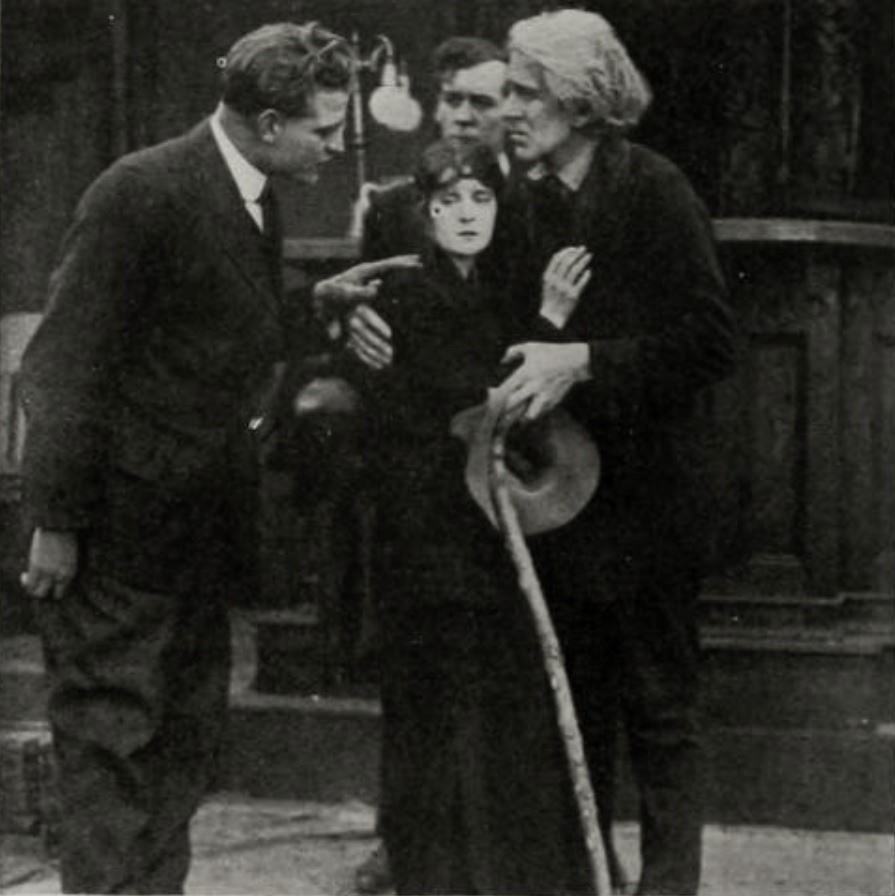
We see this same spirit of innovation in the world of animation and short films. Storm P. tegner de Tree Små Mænd and An Eskimotion Picture pushed the boundaries of visual storytelling, using the frame to explore abstract concepts and documentary-style observations with a playful, often weird sensibility. Even the more traditional genre pieces of the time, such as the crime serial A Fight for Millions or the Mexican masterpiece The Grey Automobile, displayed a raw, kinetic energy. The latter, in particular, with its depiction of a gang terrorizing Mexico City, utilized a gritty realism and a focus on the mechanics of crime that would later influence the noir and exploitation genres—two pillars of the cult world.
The Subversive Lens of Identity and Gender
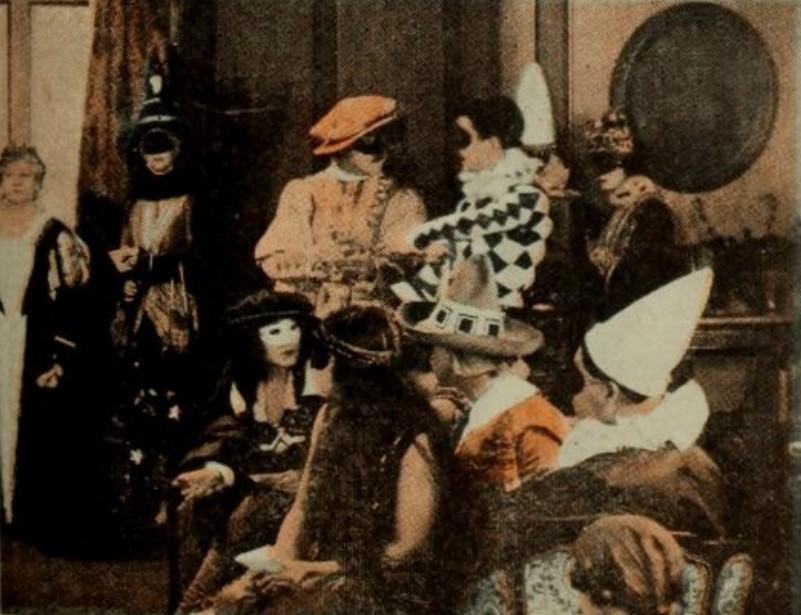
One of the most potent elements of cult cinema is its exploration of identity and the subversion of traditional gender roles. The 1917 film The Boy Girl features a protagonist nicknamed 'Jack,' raised as a boy by a father who desperately wanted a son. This early exploration of gender fluidity and the performative nature of identity is remarkably ahead of its time. It mirrors the transgressive themes found in later cult icons like *Pink Flamingos* or *The Rocky Horror Picture Show*. By questioning the binary expectations of society, films like *The Boy Girl* and Engelein—where a woman disguises herself as a child to secure an inheritance—create a space for the 'other' to exist and thrive.
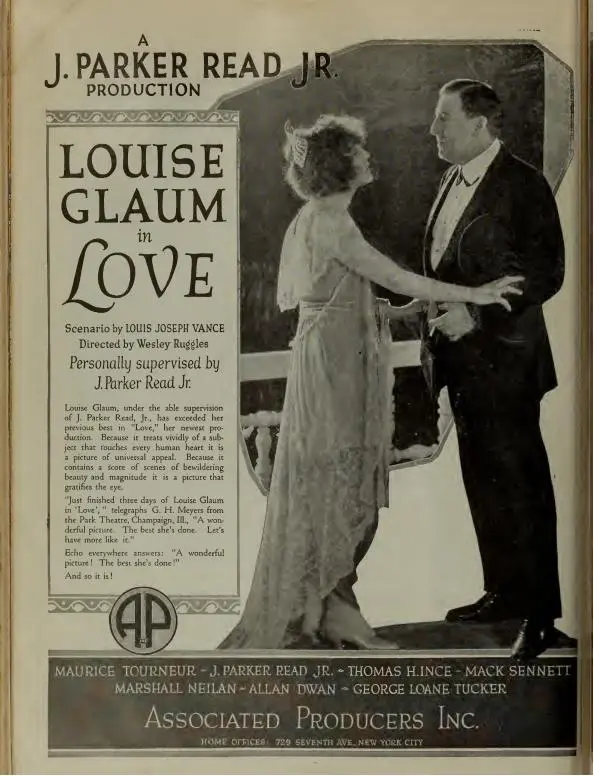
These films were not merely comedies of errors; they were subtle interrogations of the social masks we wear. In The Highest Trump, we see the use of the 'twin brother' trope to subvert identity in a high-stakes Secret Service plot. The act of stepping into another’s life, of erasing the self to become someone else, is a recurring theme in subversive cinema. It speaks to the fundamental human desire to escape the confines of one’s own reality—a desire that drives many to seek out the strange and the unusual in film.

Moral Mutants and Legal Labyrinths: The Critique of Society
Cult films often act as a mirror to society's failings, highlighting the hypocrisy of the powerful and the plight of the downtrodden. Crainquebille, a poignant French drama, tells the story of a vegetable peddler crushed by the corrupt machinery of the judicial system. It is a searing indictment of institutional cruelty, presented with a visual style that emphasizes the smallness of the individual against the monolith of the state. This theme of the 'little person' against the system is a cornerstone of rebel cinema, resonating with audiences who feel disenfranchised by their own societies.
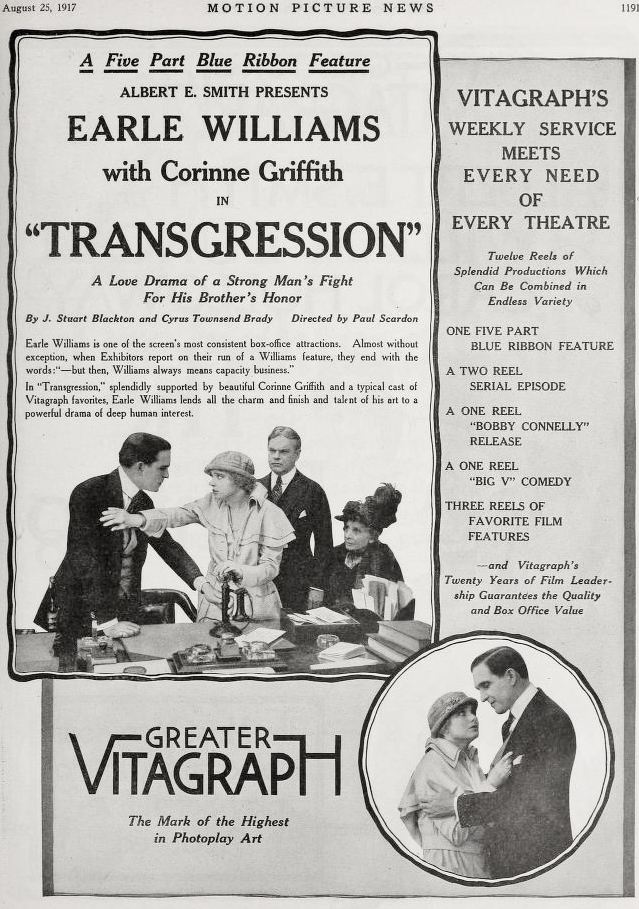
The religious and social critiques found in The Inside of the Cup and His Own Home Town further illustrate this point. In the former, a rector discovers that a wealthy member of his parish is responsible for the suffering in the nearby slums, leading to a crisis of faith and a confrontation with the elite. In the latter, the son of a reverend takes over a newspaper to fight crime, only to find the corruption traces back to his own father. These narratives of moral complexity and the unveiling of hidden rot are essential to the cult mindset. They suggest that the world is not as it appears, and that true virtue often resides in those who are willing to challenge the established order, even at great personal cost.
The Allure of the Forbidden and the Exotic
Early cinema also traded in the allure of the unknown and the seemingly forbidden. Films like Civilization's Child, which follows a Russian girl escaping a massacre to find a new life in New York, or Adele, a nurse caught in the throes of the Great War, brought distant realities to local screens with a sense of high drama and melodramatic intensity. This fascination with the 'exotic' or the 'other' is a double-edged sword that has long been a part of cult film history, from the early travelogues to the later 'mondo' films.
Even in the realm of romance and high society, the early fringe found ways to inject a sense of the unusual. Such a Little Queen features a deposed monarch fleeing to the United States and living a humble life in New York—a narrative of 'royalty in exile' that plays with class expectations and the absurdity of social status. Molly Go Get 'Em and A Divorce of Convenience utilize comedy to poke fun at the rigid structures of marriage and societal presentation, offering a wink and a nod to the audience that these institutions are more fragile than they seem.
Technical Renegades: The Visual Language of the Fringe
The technical aspects of these early films often contributed to their cult potential. The use of shadow and light in Fortunato. 1. Der tanzende Dämon or the atmospheric tension in The Brute Master (set in the tropics) shows an early mastery of mood that would become essential for later genre films. The Cycle of Fate, with its seafaring tragedy and the loss of a young wife, uses the natural elements to heighten the emotional stakes, creating a visual poem of grief and destiny.
We must also look at the 'meta' narratives of the time. Kean, a film about the legendary actor Edmund Kean, explores the blurring lines between performance and reality. This self-reflexivity—the film looking at the art of acting itself—is a common trait in cult cinema, which often delights in breaking the fourth wall or acknowledging its own artifice. Whether it is the frantic energy of Jazz and Jailbirds or the calculated suspense of Mästertjuven (The Master Thief), these films were experimenting with the very language of cinema.
Legacy of the Anomalous: From Silent Shadows to Midnight Screens
As we trace the lineage of the cult movie, it becomes clear that the silent era provided the primary colors for the masterpiece of subversion that was to follow. Every time we celebrate a film for its 'weirdness,' its 'bravery,' or its 'unconventionality,' we are echoing the reactions of the audiences who first saw Panopta I or The Dormant Power. These films were the original maverick visions, created by artists who were not afraid to look into the dark corners of the human experience or to imagine worlds that defied logic.
The enduring power of cult cinema lies in its ability to build communities around these shared, unconventional experiences. Just as the townspeople in His Own Home Town were forced to reckon with the truth of their community, cult fans gather to reckon with the truths found in the fringes of art. We see ourselves in the 'boy girl' Jack, in the isolated Angela, and in the peddler Crainquebille. We find a home in the unconventional canon because it is there that the most honest stories are often told—not in the bright light of the mainstream, but in the flickering, beautiful shadows of the fringe.
Ultimately, the early 20th century was not just a time of technical development; it was a period of spiritual rebellion. Filmmakers were using the new medium to explore the same themes that drive cult obsession today: the desire for authenticity, the thrill of the strange, and the need to see the world from a different perspective. From the romantic tragedy of After the Ball to the high-stakes intrigue of Crown Jewels, the seeds of the cult were sown in the silent era, and they continue to bloom in the dark of the cinema, reminding us that the most powerful visions are often the ones that refuse to be forgotten.
Community
Comments
Log in to comment.
Loading comments…