
Cult Cinema
The Celluloid Crypt: Unearthing the Proto-Cult Shadows of Early Cinema's Maverick Masterpieces
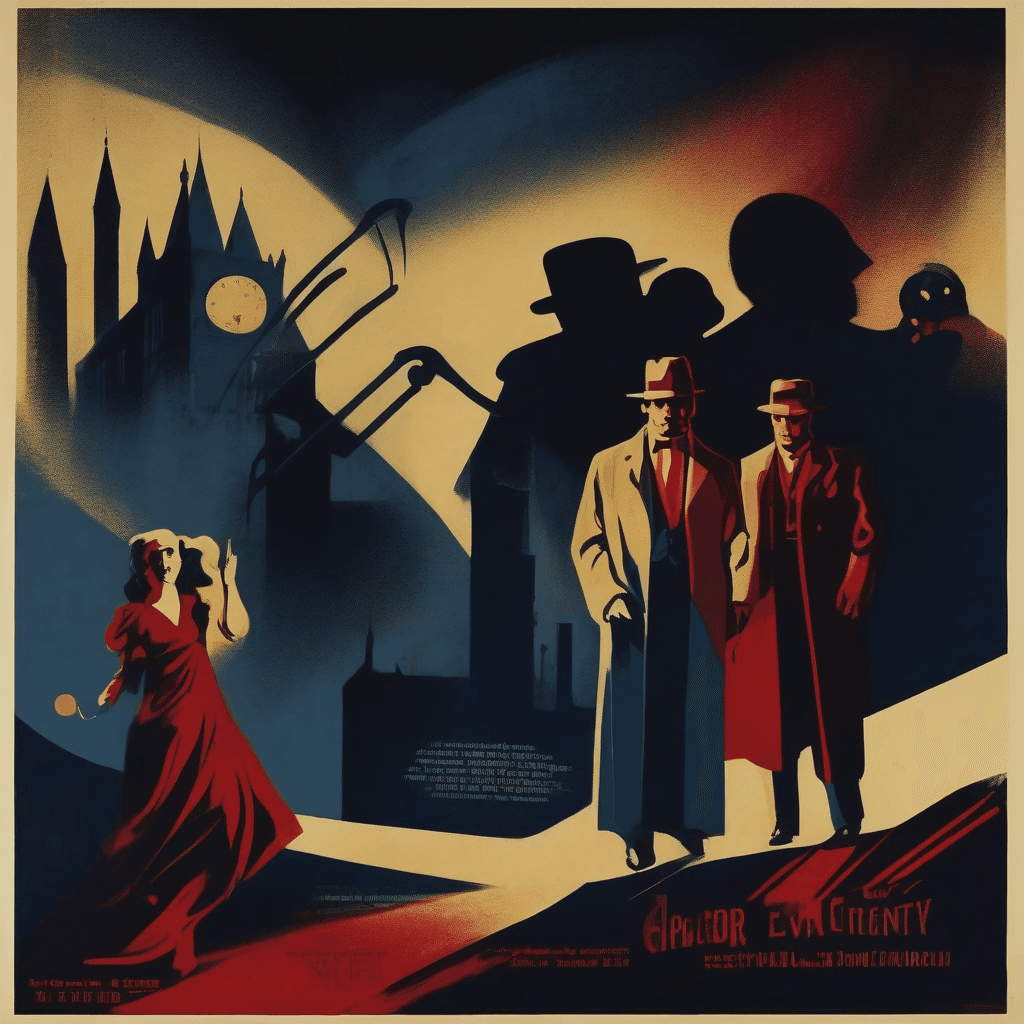
“Delve into the shadowy archives of early cinema to uncover the foundational elements of cult film, exploring how forgotten masterpieces and rebellious visions from the silent era shaped the enduring allure of unconventional storytelling.”
The term 'cult cinema' conjures images of midnight screenings, fervent fan communities, and films that defy mainstream categorization. These are the cinematic outliers, the misunderstood masterpieces, and the glorious failures that find their true calling years, sometimes decades, after their initial release. But where did this phenomenon begin? Was it a sudden explosion of weirdness in the latter half of the 20th century, or do its roots delve deeper, into the very genesis of filmmaking itself? As an expert film journalist, I contend that the proto-cult DNA of cinema was woven into its fabric from the earliest reels, a silent rebellion against convention that set the stage for every beloved oddity that followed.
Many of the films considered cult classics today share common traits: they are often transgressive, stylistically audacious, narratively challenging, or simply too strange for their time. They build a passionate, often niche, following that elevates them from obscurity to iconic status. Yet, when we cast our gaze back to the nascent years of cinema, the 1910s and 1920s, we discover a rich tapestry of films that, while perhaps not 'cults' in the modern sense due to different exhibition and audience dynamics, certainly possessed the maverick spirit and subversive undertones that would later define the genre. These were the cinematic experiments, the moral provocations, and the genre-bending narratives that dared to be different.
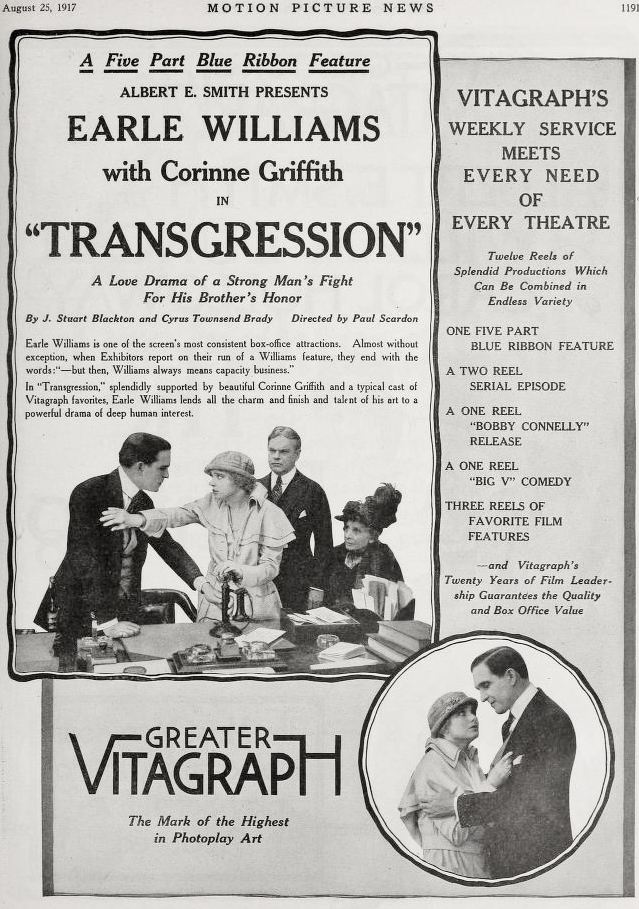
The Genesis of Transgression: Challenging Norms on the Silent Screen
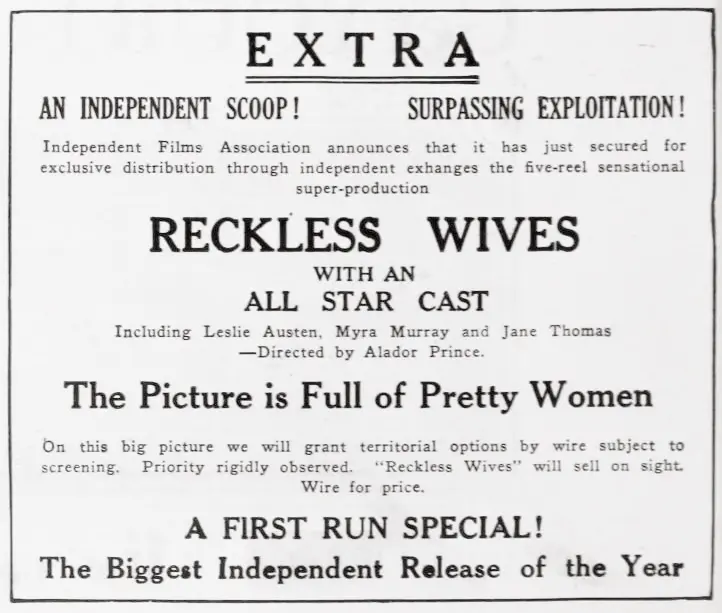
The early 20th century, despite its reputation for moral conservatism, was a fertile ground for cinematic exploration. Filmmakers, still grappling with the language of the moving image, often pushed boundaries, sometimes inadvertently, sometimes with deliberate intent. Consider the social dramas of the era. Films like Should a Husband Forgive? and Reckless Wives delved into themes of infidelity, societal judgment, and the complexities of marital breakdown. These weren't mere melodramas; they were examinations of taboo subjects that, in their day, could shock and enthrall audiences, fostering intense discussion and perhaps a clandestine following among those who resonated with their forbidden narratives.
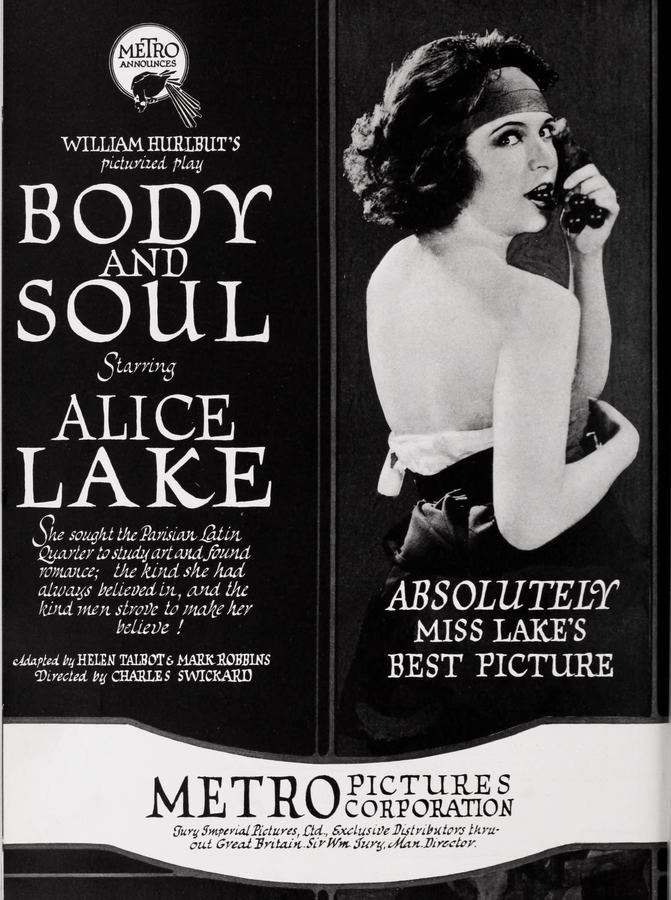
The exploration of morality and sin wasn't limited to domestic dramas. Supernatural and allegorical tales like The Devil's Bondwoman offered a stark, often unsettling, look at human frailty and temptation. Such films, with their explicit depictions of evil forces and moral struggles, could easily have found a devoted audience seeking out narratives that ventured beyond polite society's comfort zone. The melodrama Body and Soul (1920), for instance, with its dramatic transformation of a diligent art student into a woman of questionable morals after a head injury, presented a psychological complexity that could have been profoundly unsettling yet captivating for its time. These narratives were not always neatly resolved, leaving viewers with lingering questions, a hallmark of many future cult classics.
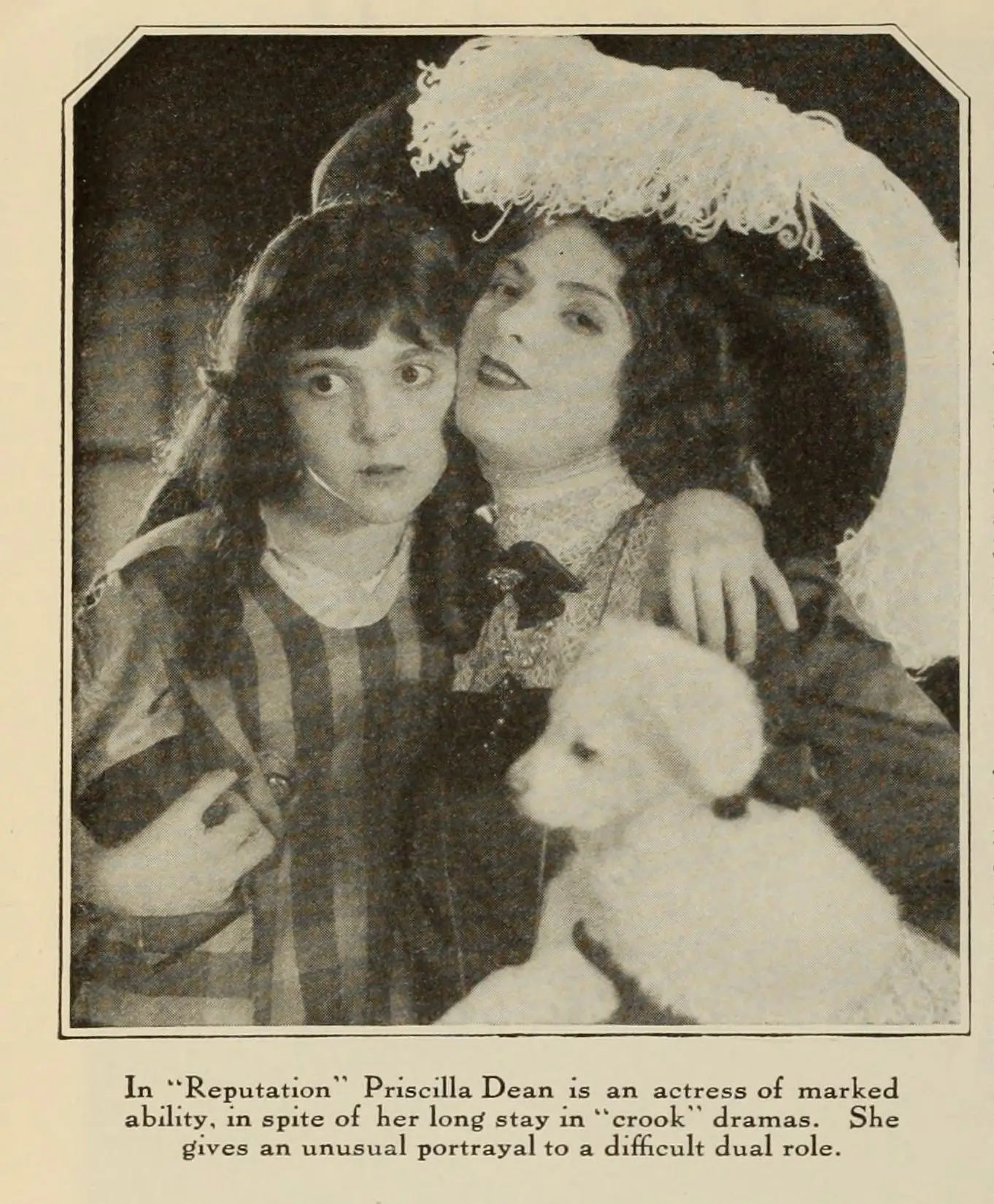
Early Genre Benders and the Allure of the Anomalous
Cult cinema thrives on genre defiance and unique aesthetic choices. Even in the silent era, we see nascent forms of this. The science fiction elements of The Invisible Ray, a story about a scientist discovering a death ray, would have been groundbreaking. Its blend of scientific marvel and thrilling suspense laid early groundwork for the dedicated genre fandoms that characterize modern cult followings. The film's premise, a deadly mineral and criminals hunting for it, speaks to a primal fascination with forbidden knowledge and dangerous power, themes that resonate deeply with audiences seeking escapism and the extraordinary.
Westerns, too, offered their own brand of maverick storytelling. Bull Arizona - The Legacy of the Prairie, featuring an outlaw with a rough exterior and a good heart, exemplified the anti-hero archetype that would become a staple of cult cinema. These figures, operating outside conventional morality, attract audiences who identify with their rebellious spirit. Similarly, the crime dramas like Loaded Dice and The Finger of Justice, exposing corruption and moral decay in urban landscapes, resonated with a segment of the audience disillusioned with societal norms, seeking narratives that validated their cynicism or offered catharsis through the downfall of the wicked.
Even comedies, often seen as light fare, could harbor proto-cult elements. Films like Now or Never, a short comedy about a man unaccustomed to children on a train trip, or Ambrose's Matrimonial Mixup, might have featured a particular brand of absurd humor or slapstick that garnered a loyal following among those who appreciated its unique comedic timing or characterizations. The very act of finding humor in the mundane, or exaggerating it to the point of surrealism, can be a potent ingredient for cult appeal.
The Power of the Unseen: Obscurity and Rediscovery
A significant aspect of cult cinema is its journey from obscurity to adoration. Many films that now enjoy cult status were initially overlooked, misunderstood, or even critically panned. The early cinema landscape, with its rapid production cycles and less centralized distribution, was ripe for such 'unseen' gems. Films like The Gentle Intruder, a story about an heiress whose fortune is controlled by a scheming lawyer, or The End of the Tour, a family drama with elements of abandonment and rediscovery, might have been lost to time without a small but dedicated audience keeping their memory alive, or the potential for later rediscovery by film historians and enthusiasts.
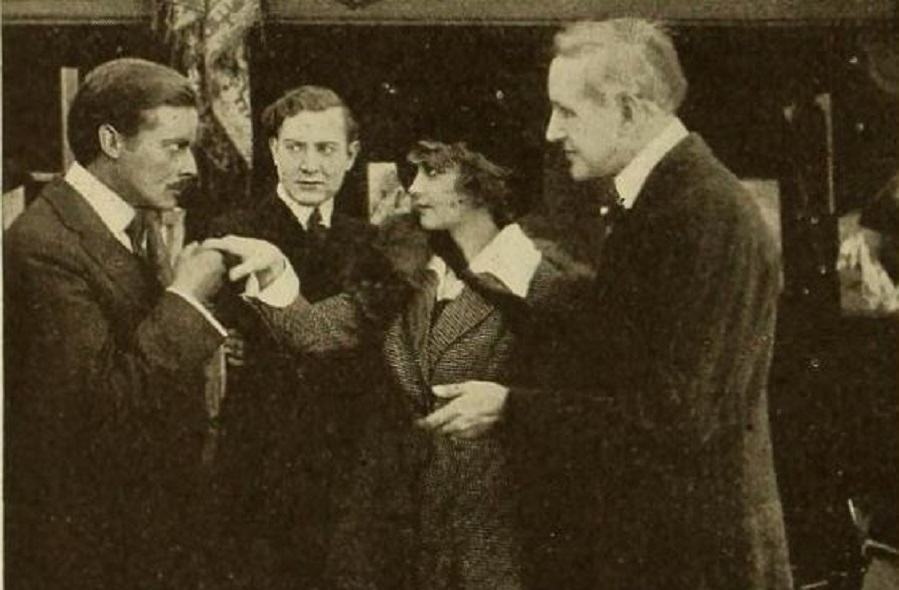
The fragmented nature of silent film preservation means that many films exist only in part, or were rediscovered years later in archives. This very act of unearthing creates a mystique, a sense of a 'hidden treasure' that fuels cult appeal. Imagine discovering a film like Ruslan i Lyudmila, a short adaptation of Pushkin's famous poem, or Johannes Goth, a drama whose full context might be lost. The limited access, the historical distance, and the interpretive challenge all contribute to an aura of the esoteric, a magnetic pull for those who cherish cinematic rarity.
The Artistic Vision and the Maverick Filmmaker
Behind every cult film is often a singular, uncompromising artistic vision. Early cinema, less bound by commercial formulas than later Hollywood, allowed for considerable experimentation. Filmmakers, often wearing multiple hats, had a direct hand in shaping their work. Consider films that tackled grand philosophical themes, like Veritas vincit ('Truth Wins'), an elaborate historical film illustrating the perpetual victory of truth over lies. Such ambitious projects, if executed with a unique aesthetic or narrative approach, could have captivated a specific intellectual or artistic audience, forming an early 'cult' of appreciation for its profound message and artistic daring.
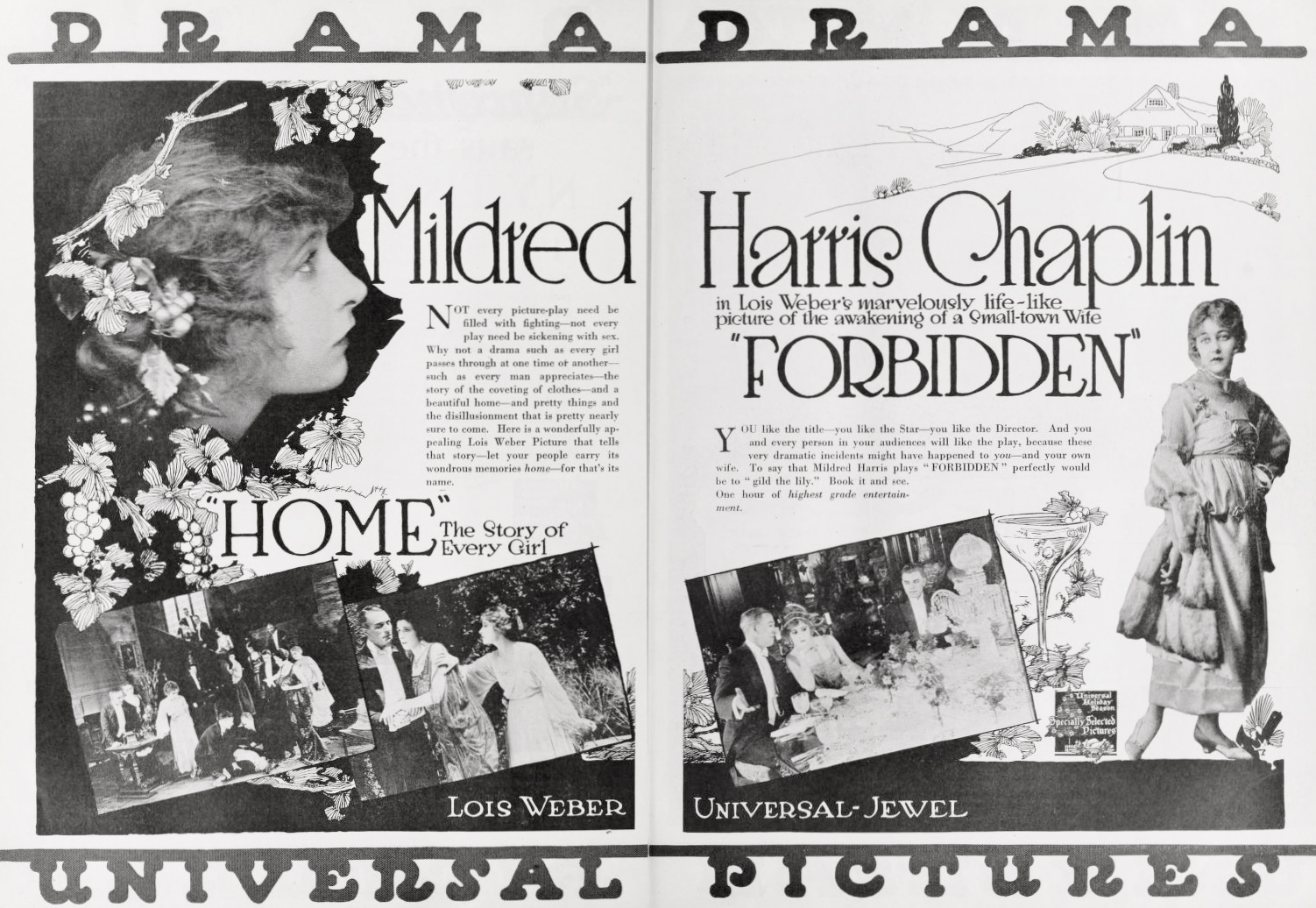
Even seemingly straightforward narratives could be elevated by a director's distinct style. The visual storytelling of silent films demanded creativity. A film like The Silver King, a British drama about a man's hatred leading to conflict, or Fekete gyémántok (Black Diamonds), a Hungarian drama, might have employed innovative camera techniques, striking mise-en-scène, or emotionally charged performances that resonated deeply with certain viewers, setting them apart from the more conventional fare of the day. These stylistic signatures, often ahead of their time, are precisely what cult audiences later champion.
Thematic Resonance: Addressing the Human Condition in Unconventional Ways
Cult films often explore universal themes through a distorted or unique lens. Early cinema was no exception. Films that tackled addiction, like the Swedish drama Drankersken (The Drunkard), or the hardships of life, such as O Crime dos Banhados (The Crime of the Swamps) from Brazil, offered poignant, sometimes brutal, looks at societal problems. These weren't always comfortable viewing, but their unflinching honesty could forge a deep connection with audiences who saw their own struggles reflected, or who were drawn to the raw, unfiltered depiction of reality.
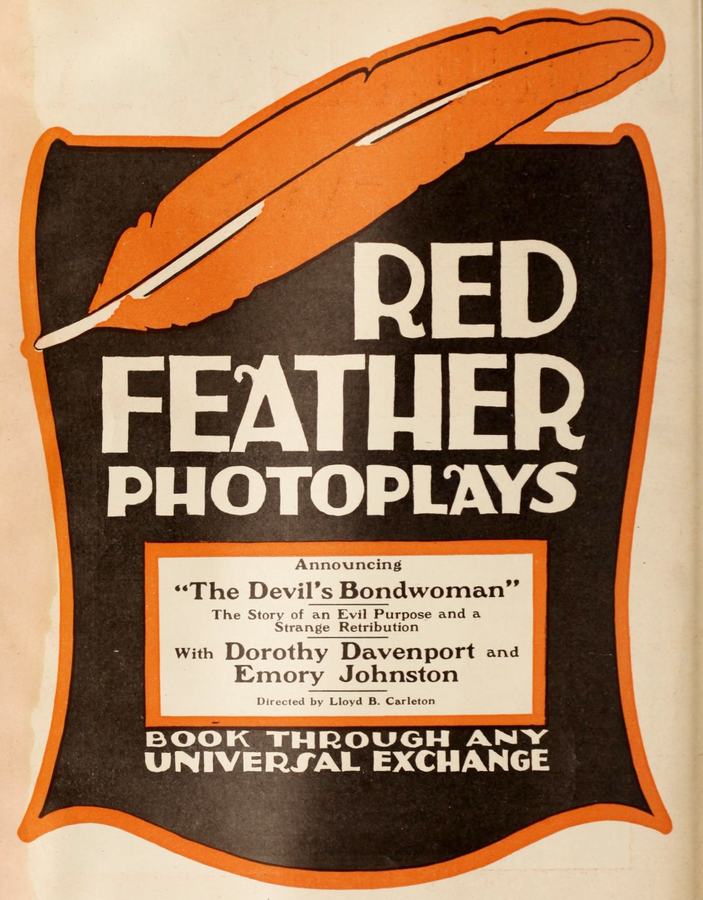
The human struggle for survival and identity, often against overwhelming odds, is another recurring cult theme. Films like Brawn of the North, a drama about a dog saving its owner in the Alaskan wilderness, or The Weakness of Strength, which explores conflicts over property and power, speak to fundamental human experiences. While seemingly straightforward adventure or drama, a unique blend of character development, unexpected plot twists, or a particularly charismatic animal actor could elevate these films beyond their initial intent, making them memorable and repeatedly viewed by a devoted niche.
The Appeal of the Outsider and the Unconventional Hero
Many cult films feature protagonists who are outsiders, rebels, or misfits. This archetype resonates strongly with audiences who feel marginalized or who simply prefer stories that challenge the status quo. In early cinema, characters who defied expectations, whether they were societal outcasts or individuals driven by unconventional motivations, laid the groundwork for this fascination. The criminal protagonists in films like Stop Thief (1920) or the morally ambiguous figures in urban dramas like Pitfalls of a Big City, offered complex portrayals that went beyond simple good-versus-evil dichotomies.

Even seemingly wholesome narratives could contain elements of the unconventional. A Broken Doll, about a ranch hand's bond with a crippled child, or Smiles, about children sent across the country by parcel post during WWI, while sentimental, present scenarios that are unusual and memorable. The sheer peculiarity of these plots, combined with heartfelt performances, could have etched them into the memories of viewers, fostering a quiet, personal devotion that is the seed of cult status.
Building the Foundation: From Fringe to Fandom
While the organized midnight screenings and interactive audience participation of later cult films were still decades away, the foundational elements for cinematic fandom were clearly present in the silent era. Audiences, then as now, sought out films that spoke to them on a deeper level, that challenged their perceptions, or simply offered a unique experience. Newsreels like Kino-pravda no. 2, documenting Russian life, or war films like The Cross Bearer and At the Front with the Allies, while informational, could also evoke strong emotional responses and foster a collective experience, especially among those directly affected by the events depicted. This shared emotional intensity is crucial for forging community.
The very act of seeking out specific types of films, whether for their thrilling plots like When Fate Leads Trump, their dramatic intensity like The Call of the Soul, or their unique character studies like Ill Starred Babbie, represented a nascent form of niche audience development. These viewers, finding common ground in their appreciation for the unconventional, were unknowingly laying the groundwork for the passionate, discerning cult audiences of the future.
The Unfinished Legacy: Echoes in the Dark
Many of these early films, due to their age and the challenges of preservation, remain largely unseen by modern audiences. Yet, their themes, their stylistic choices, and their daring narratives echo through film history. They represent the initial sparks of rebellion against cinematic convention, the first whispers of a desire for something more, something different, something that speaks directly to a particular sensibility. From the comedic misadventures of Tough Luck, where breaking a mirror and black cats lead to amusing mishaps, to the more serious moral quandaries of The 13th Commandment, which explores the transience of wealth, these films collectively embody a spirit of fearless storytelling.
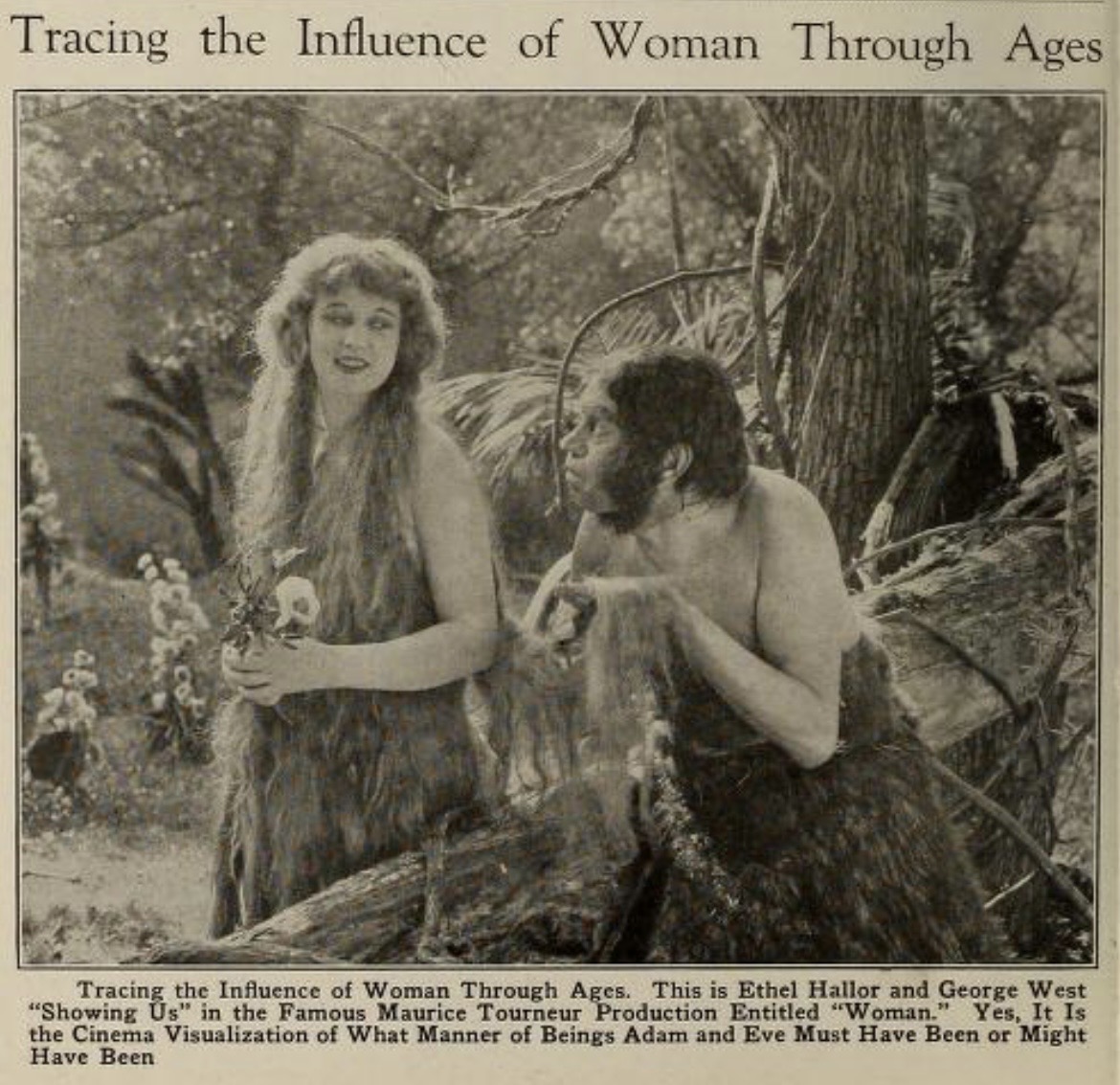
Even films with seemingly simple premises, like The Aero Nut or It's a Bird, might have contained unique visual gags or character performances that made them stand out in their time, fostering a quiet appreciation that, in a different era, might have blossomed into full-blown cult status. The quirky charm of The Beauty Shop, where a physician specializes in 'beauty' and faces money problems, could have been the talk of a specific niche, much like later offbeat comedies.
The exploration of social issues, like in Dawn and Lea, both dealing with blindness and the path to recovery through love, or the challenges faced in Peaceful Valley, a drama about a struggling farmer near a wealthy resort, offered depth beyond simple entertainment. These films addressed real human struggles with a directness that could be both affecting and, for some, deeply relatable, creating a profound, if understated, bond with their viewers.
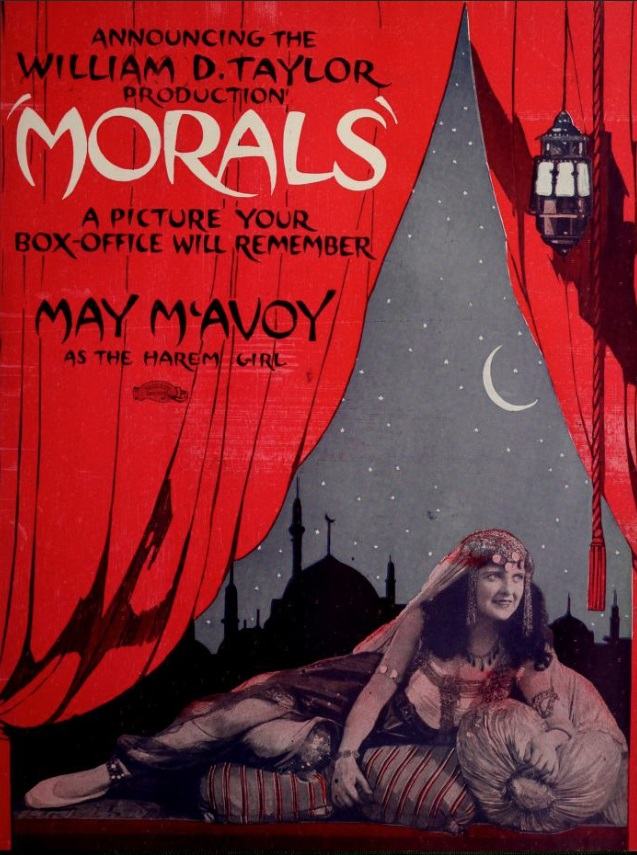
Conclusion: The Enduring Allure of the Cinematic Outlier
Cult cinema is not a modern invention; it is a continuous thread woven through the entire history of film. The early 20th century, with its experimental spirit and burgeoning cinematic language, provided the crucible in which the proto-cult aesthetic was forged. From the transgressive narratives of social dramas to the genre-bending adventures, and from the unique artistic visions of maverick filmmakers to the thematic resonance with audiences seeking something beyond the ordinary, these silent era films laid the essential groundwork.
Films like Ann's Finish, about a wild young girl in a finishing school, or Fan Fan, a romance involving an emperor's son, might seem quaint today. Yet, their unique premises and characterizations represent early attempts to capture the imagination in unconventional ways. Even films like The Pioneers, Lord Loveland Discovers America, Auf Probe gestellt, The Governor's Ghost, The Slave Market, and The Concert, each in their own way, contributed to this rich lineage by offering narratives that, for some, transcended mere entertainment to become something more profound, more personal, more... cult.
The enduring allure of cult cinema lies in its ability to connect with audiences who feel unseen by mainstream fare. This connection, this sense of belonging to a shared appreciation for the unconventional, has been present since cinema's earliest days. The forgotten reels of the silent era are not just historical artifacts; they are the foundational texts of a cinematic religion, whispered from generation to generation, proving that the cult of the weird and wonderful is as old as the medium itself.
Community
Comments
Log in to comment.
Loading comments…