
Cult Cinema
The Forbidden Frequencies: How Silent Era Anomalies and Moral Outcasts Sculpted the Modern Cult Obsession
“Dive into the shadows of early cinema to discover how the transgressive themes and moral misfits of the 1910s and 20s laid the foundation for today's cult movie devotion.”
The term 'cult cinema' often conjures images of midnight screenings, neon-drenched 1980s synth-horror, or the campy rebellion of the 1970s. However, the true genetic markers of the cult phenomenon—the obsession with the fringe, the celebration of the transgressive, and the worship of the misunderstood—were forged long before the advent of sound. To understand the modern cultist, one must travel back to the flickering shadows of the 1910s and 1920s, an era of unparalleled narrative anarchy and moral experimentation.
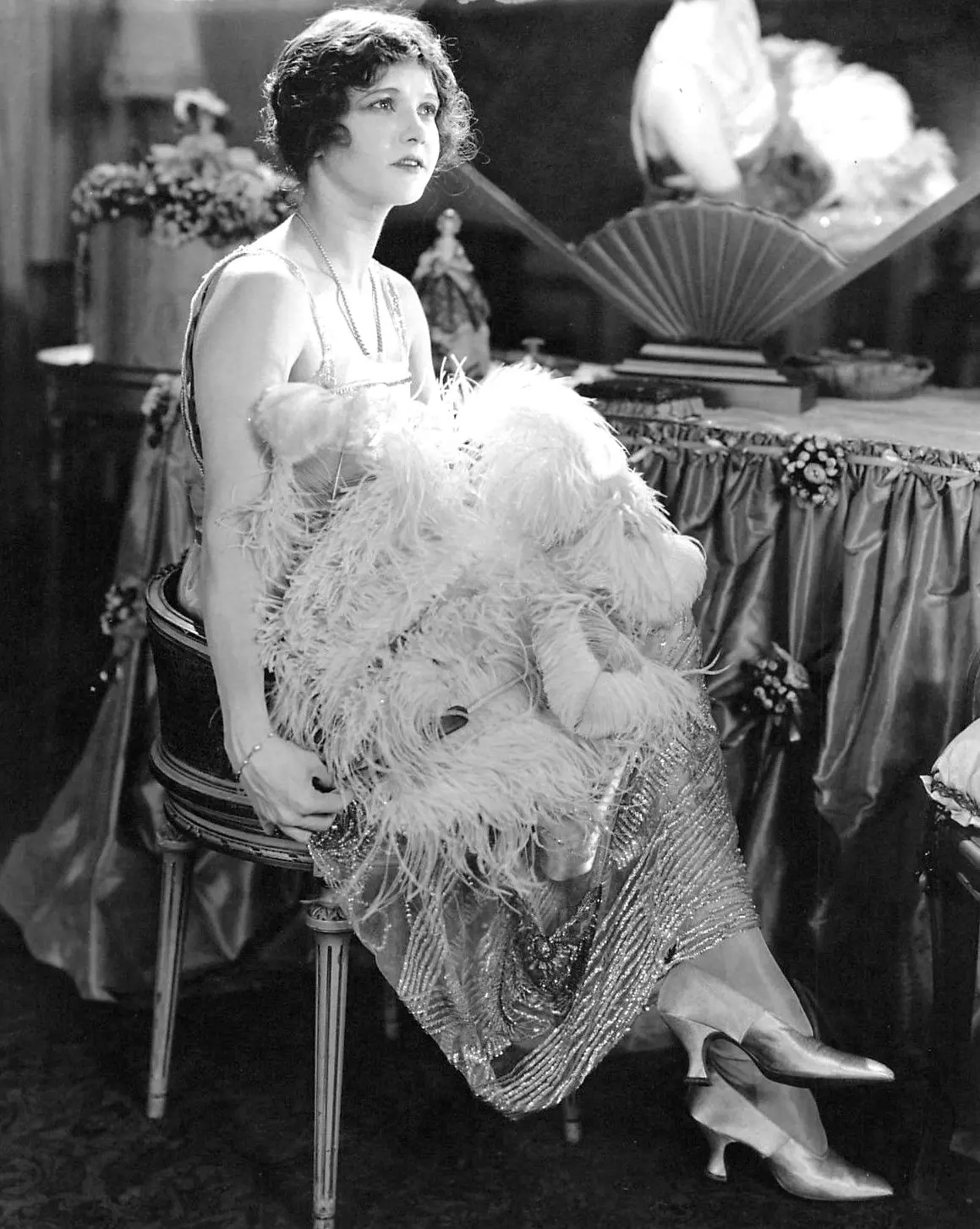
The Gothic Genesis: Possession and the Ancestral Mind
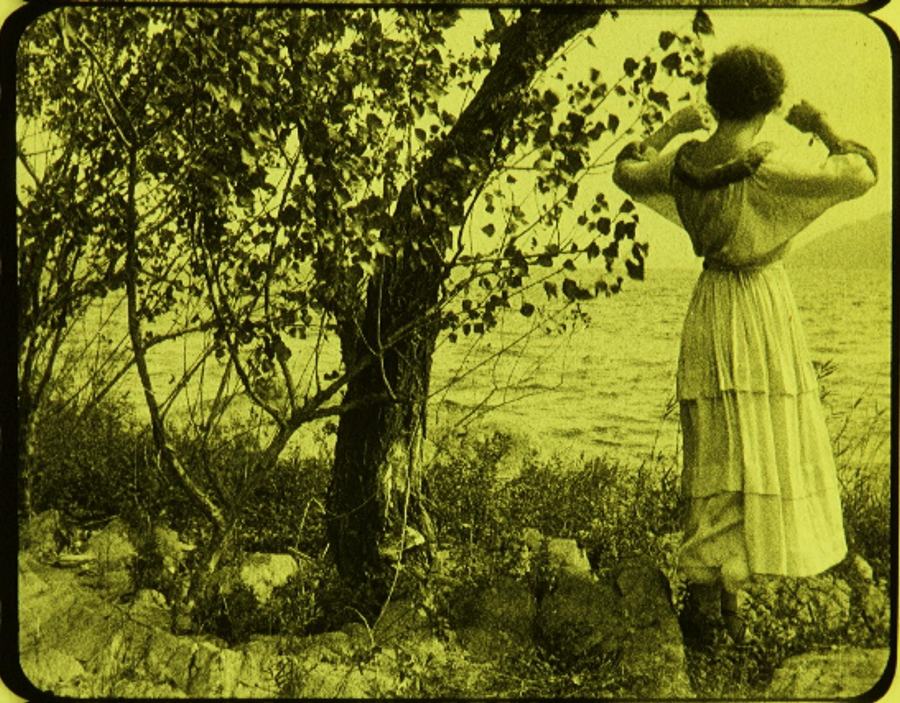
At the heart of cult devotion lies an attraction to the atmospheric and the eerie. Before the Giallo or the Gothic revival of the 60s, films like Malombra (1917) were already exploring the terrifying intersection of memory and madness. In this early masterpiece, a young woman becomes convinced she is the reincarnation of an aristocratic ancestor. This theme of the 'past devouring the present' is a recurring motif in cult cinema, reflecting a fan’s own desire to lose themselves in another era. The castle in Malombra isn't just a setting; it is a character, a brooding sentinel of the supernatural psyche.
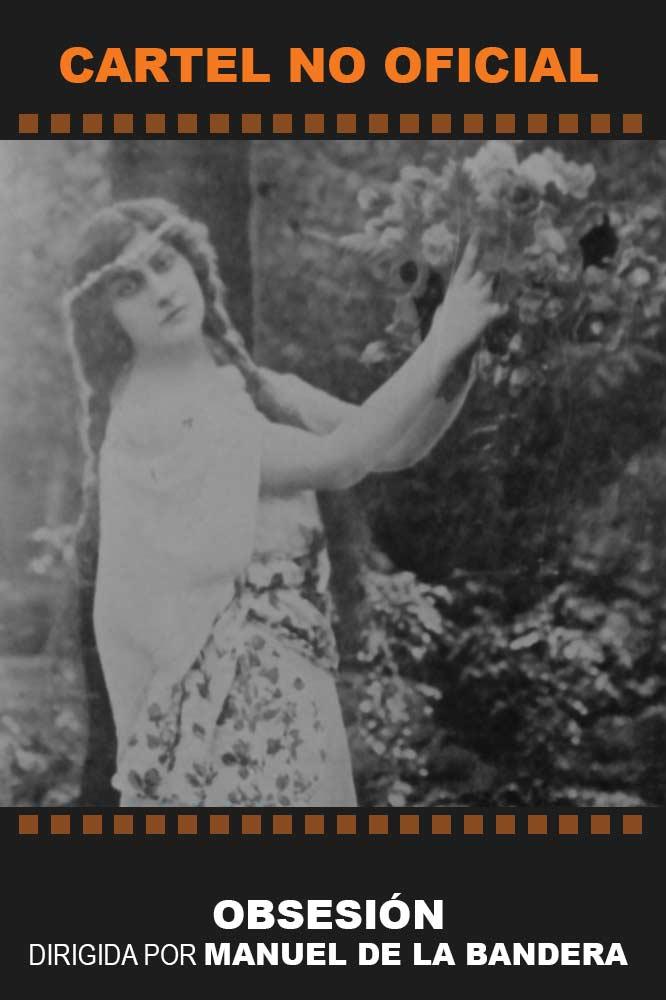
Similarly, Madame d' Ora (1914) delved into the occult with a fervor that would make modern folk-horror directors blush. The search for the 'element of life' by Edmund Hall, juxtaposed with the spiritualistic struggles of his wife, mirrors the cult audience's search for deeper, hidden meanings within the frame. These films didn't just entertain; they invited a form of cinematic séance, where the audience was expected to commune with the screen.
The Duality of the Outcast: From Jekyll to the Saloon
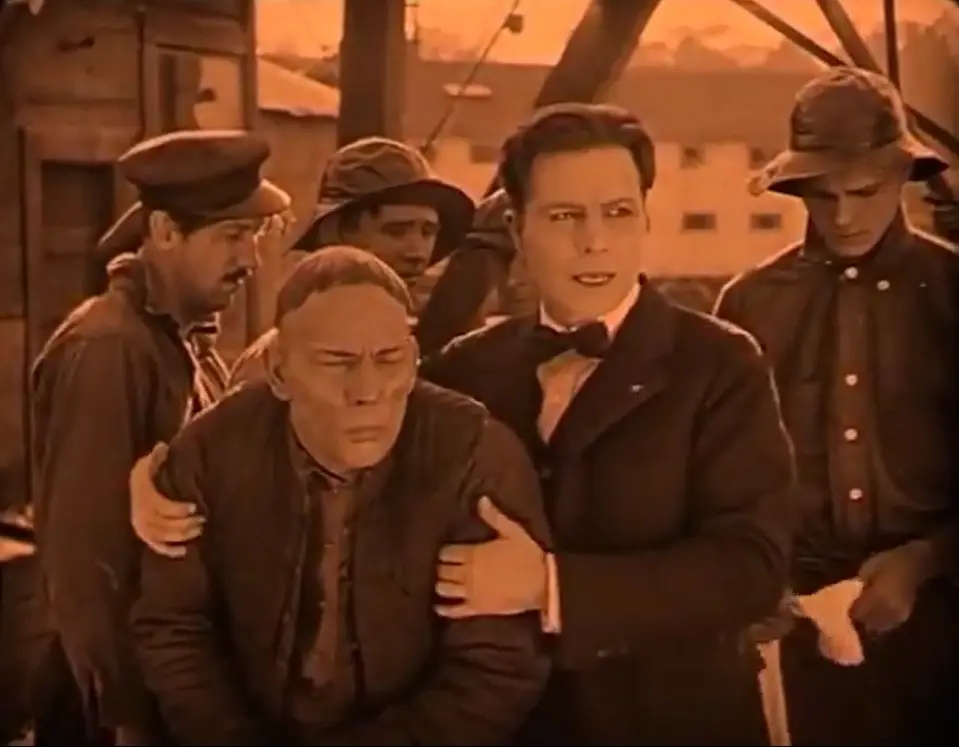
Cult cinema thrives on the 'double life.' We see this most clearly in the 1920 rendition of Dr. Jekyll and Mr. Hyde, where the scientific pursuit of man's dark side releases a primal murderer. This exploration of duality is the bedrock of the 'anti-hero' archetype. Yet, the silent era provided even more nuanced versions of this trope. Take The Mysterious Mr. Browning (1918), where a man of wealth masquerades as 'Red Harrigan,' a frequent frequenter of saloons and leader of an underworld gang. This narrative of a man rejecting his social standing to embrace the 'low' culture of the fringe is the ultimate metaphor for the cult film fan—the intellectual who finds truth in the 'trash.'
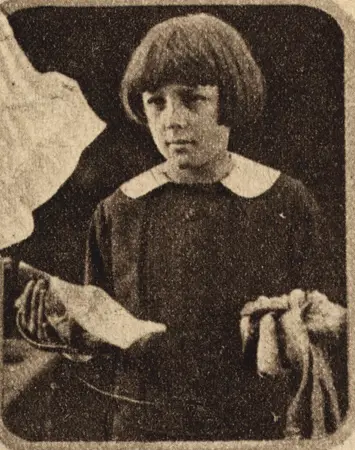
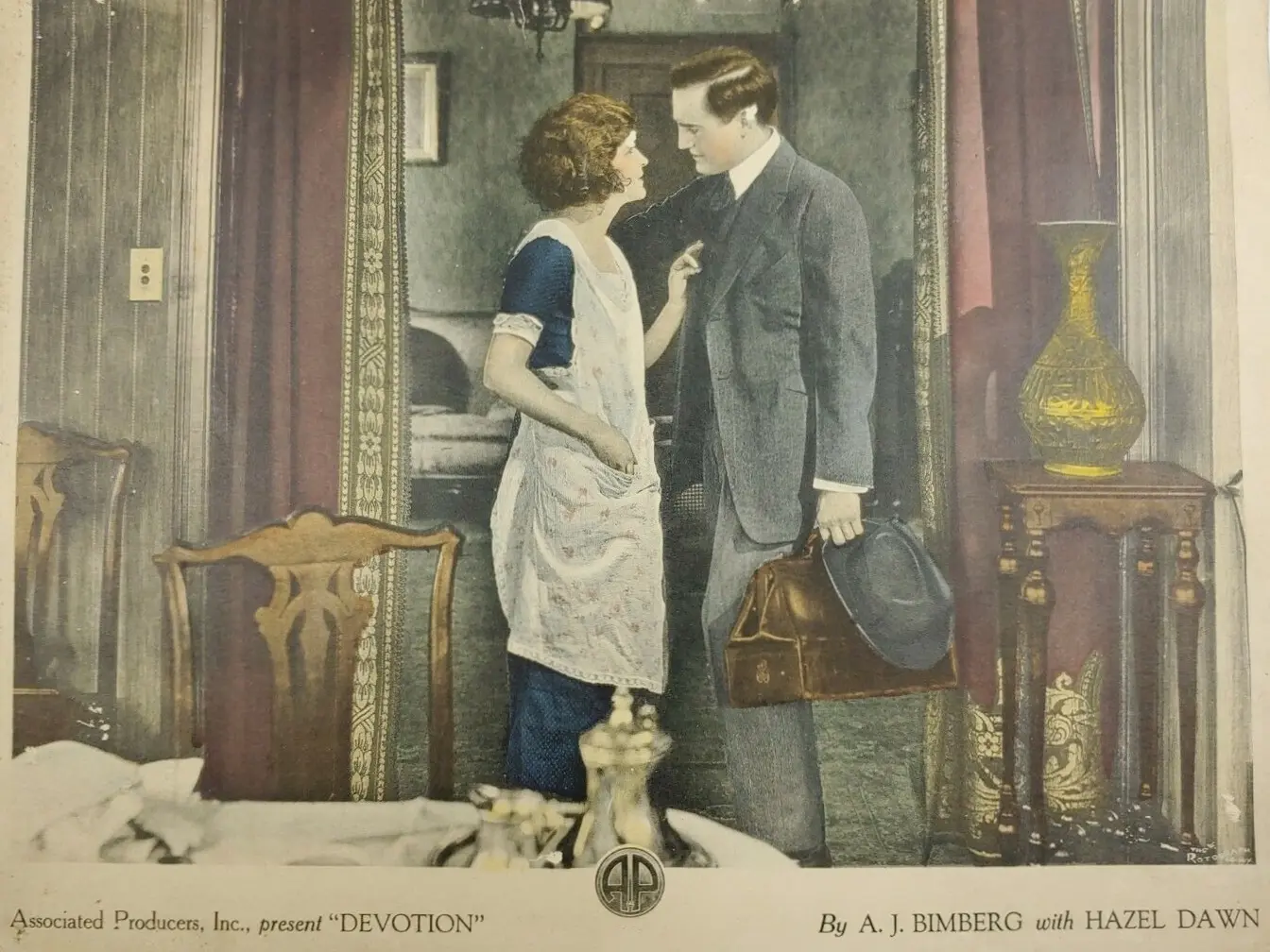
This duality extends to the moral ambiguity of films like A Man's Fight, where a son takes the blame for a murder he believes his sister committed. The tension between societal expectation and internal truth is what makes these early protagonists so magnetic to those who feel out of step with the mainstream. They are the original moral mutants, navigating a world that refuses to see them for who they truly are.
Transgression as Reality: The Ultimate Cult Meta-Narrative
Perhaps the most shocking entry in the proto-cult canon is El drama del 15 de Octubre (1915). This film, a reconstruction of the assassination of Rafael Uribe Uribe, went beyond mere dramatization by casting the actual perpetrators of the crime. This blurring of the line between reality and fiction is a hallmark of cult obsession—the desire for the 'authentic,' no matter how gruesome. By bringing the killers onto the screen, the filmmakers engaged in a transgressive act that challenged the very morality of the medium. It is the silent era’s equivalent of a 'snuff' legend or a forbidden documentary, existing in that liminal space where art and atrocity collide.
The Social Fringe: Purity and its Discontents
Not all cult foundations were built on horror. Many were built on the social outcast. Life's Shadows features a town drunk, Martin Bradley, who is despised by the 'pure' townspeople yet works tirelessly to improve their lives. This subversion of the 'hero' figure—making the outcast the moral center—is a key tenet of cult storytelling. We see a similar thread in The Celebrated Stielow Case (1916), a film produced to influence a real-life death row case. Cinema here becomes a weapon for the disenfranchised, a tool for social justice that operates outside the traditional power structures of the industry.
Even in comedy, the 'misfit' reigned supreme. The Poor Simp (1920) presents a protagonist whose shyness and social anxiety lead him into chaotic street brawls. This 'lovable loser' archetype resonates with the cult audience's own sense of alienation. Whether it’s Sally's Blighted Career, where a country girl is tricked into believing she has an opera future, or Felix in the Swim, where a mouse becomes a co-conspirator in a rebellious escapade, these films celebrate the small victories of the marginalized.
The Nautical and the Wild: Isolation as a Catalyst
Isolation is a powerful incubator for cult devotion. Films that take place in 'closed systems'—like ships or remote outposts—often develop a feverish intensity. The Sea Wolf (1913), with its cruel captain dominating shipwreck victims, is a masterclass in the psychology of confinement. The schooner becomes a microcosm of a totalitarian world, a theme that would later define cult dystopian cinema. Similarly, Jan of the Big Snows uses the isolation of a Hudson Bay trading post to heighten the emotional stakes of its characters, turning a simple drama into a primal struggle for survival.
The Western genre also contributed to this 'outsider' mythology. In A Western Adventurer and Prairie Trails, we see the cowboy not just as a lawman, but as a wanderer—a man whose loyalty is to his horse and his heart rather than the encroaching civilization. The Learnin' of Jim Benton adds a layer of vulnerability to this archetype, showing a rugged man eager to learn to read and write, highlighting the cult theme that it is never too late to reinvent the self.
Espionage, Hypnosis, and the Occult
The early 20th century was obsessed with the hidden forces that control human behavior. The Witch (1916) introduces Dr. Fernandez, a man believed to possess hypnotic powers. The use of hypnosis as a plot device speaks to the audience's fear and fascination with the loss of agency—a theme that runs through cult classics like The Manchurian Candidate or Suspiria. In Souls in Pawn, we see the 'femme fatale' and the secret agent archetype in their infancy, as a German prince recruits the 'most clever and beautiful woman' for espionage. These films established the visual grammar of mystery and the allure of the forbidden secret.
Even films like Builders of Castles, which dealt with financial scams and fake building associations, tapped into a primal fear of the 'unseen hand' manipulating the lives of the poor. This skepticism of authority and the 'system' is a vital component of the cult mindset. The cult film is often a record of the 'little man' being crushed by the machine, or, in the case of High Stakes, the 'gentleman crook' who outsmarts the machine entirely.
Melodrama as Transgression
We must not overlook the raw, bleeding heart of melodrama in the cult canon. The Spotted Lily and Tangled Fates deal with discarded women, unscrupulous aristocrats, and the crushing weight of social stigma. While mainstream audiences of the time might have seen these as simple morality tales, the cult lens views them as radical empathy. By focusing on the 'fallen woman' or the sister who takes the blame for a 'romantic indiscretion,' these films humanized the very people society sought to erase.
The intensity of The Crimson Dove, where a minister falls for a stage star who attempted suicide, bridges the gap between the sacred and the profane. This collision of worlds—the church and the theater, the saint and the sinner—is the exact kind of friction that generates a cult following. It is the cinema of the 'uncomfortable truth,' the story that refuses to resolve neatly.
Conclusion: The Eternal Flicker of the Fringe
Modern cult cinema is not a new invention; it is a continuation of a conversation that began in the nickelodeons and grand palaces of the early 1900s. From the meta-textual bravery of El drama del 15 de Octubre to the atmospheric dread of Malombra, the silent era was a laboratory of the strange. These films were the forbidden frequencies of their time, broadcasting signals of rebellion, duality, and dark wonder to anyone willing to listen.
When we watch a modern cult classic, we are seeing the echoes of The Sea Wolf’s cruelty, Madame d' Ora’s spiritualism, and The Poor Simp’s social anxiety. We are participating in a lineage of the 'unseen' that stretches back over a century. The cult movie soul is not defined by its budget or its decade, but by its willingness to stand in the shadows and find the beauty in the anomaly. As long as there are stories of misfits, monsters, and moral outlaws, the spirit of the 1910s will continue to flicker in the dark, guiding us toward the beautiful, the bizarre, and the beloved fringe.
Community
Comments
Log in to comment.
Loading comments…