
Cult Cinema Deep Dive
The Fringe of the Frame: Decoding the Rebel Soul of Cinema’s Earliest Genre Outcasts

“An expansive deep dive into the primal roots of cult cinema, exploring how the silent era’s forgotten misfits and genre-bending anomalies laid the groundwork for modern midnight movie worship.”
The term "cult cinema" often evokes images of 1970s midnight screenings, glitter-drenched fans at The Rocky Horror Picture Show, or the grainy, hyper-violent aesthetics of grindhouse features. However, the genetic blueprint of the cult obsession—the worship of the marginal, the misunderstood, and the magnificent failure—was drafted long before the advent of the multiplex. To truly understand the rebel soul of cinema, one must descend into the flickering shadows of the early 20th century. Here, in the era of nitrate and silence, we find a collection of genre outcasts and narrative mutants that established the very definition of the "alternative" vision. These films, ranging from social critiques to surrealist experiments, represent the first wave of cinematic defiance.
The Psychotropic Silent: Wonderland and Beyond
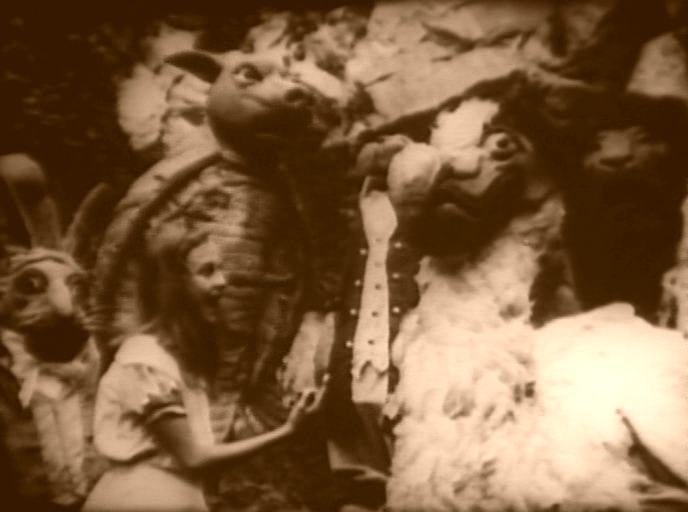
Long before the psychedelic 1960s, early filmmakers were already experimenting with the elasticity of reality. The 1915 adaptation of Alice in Wonderland serves as a primary text for the proto-cult enthusiast. In this dreamscape, the logic of the everyday is discarded in favor of talking animals and walking playing cards—a visual anarchy that mirrors the escapist hunger of early audiences. This same sense of tonal disruption is found in Susie Snowflake, where a music hall entertainer’s arrival in a stodgy New England town acts as a catalyst for cultural friction. These films weren't just stories; they were sensory interventions, challenging the "proper" sensibilities of a Victorian-adjacent society.
The Surrealist Edge of Animation
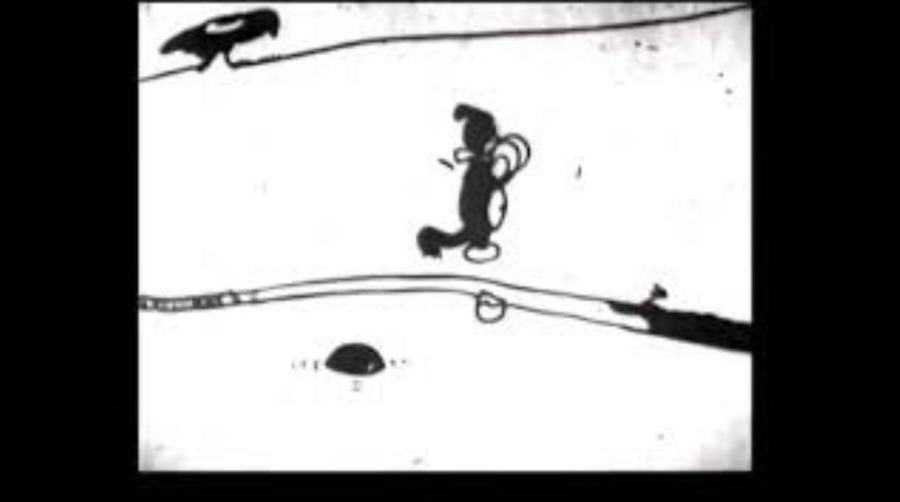
Even in the nascent world of animation, the cult impulse was present. The Awful Spook, featuring the iconic Krazy Kat, utilized the medium’s inherent weirdness to deliver a bowling ball to Kolin Kelly. It was a precursor to the adult-oriented, subversive animation that would define later cult movements. These shorts weren't merely for children; they were explorations of the absurd, much like the documentary-adjacent curiosities such as Slaying the Hippopotamus, which brought the "otherness" of the natural world to the urban screen, creating a spectacle of the grotesque that preceded the mondo films of the 1960s.
The Socio-Political Fringe: Realism as Rebellion
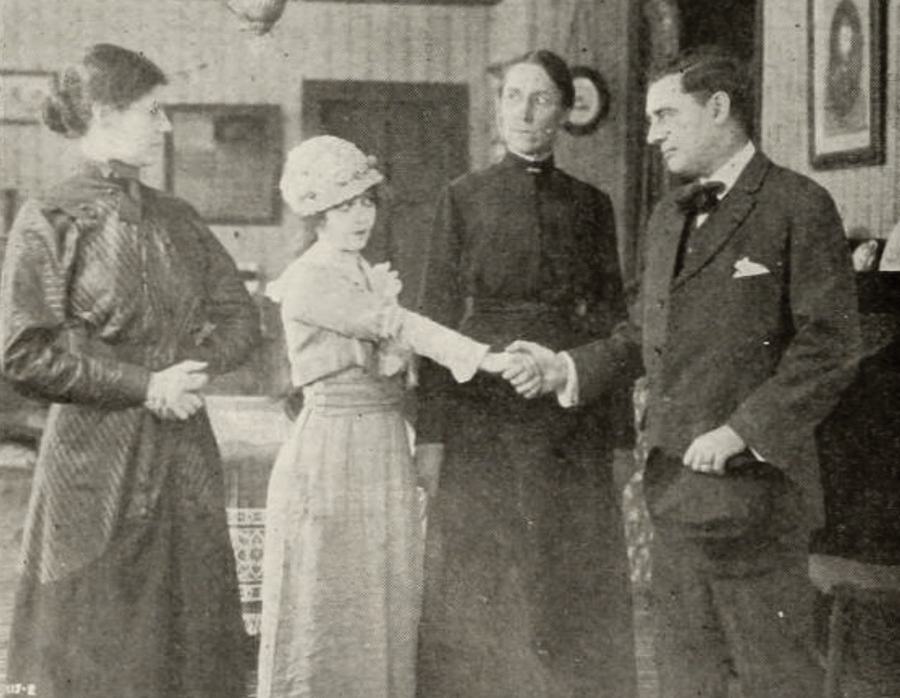
Cult cinema has always been a sanctuary for the disenfranchised, and the silent era was no different. Lois Weber’s Shoes (1916) is a haunting masterpiece of social realism that resonates with the same grit as later cult classics. By focusing on a young woman’s desperate struggle to provide for her family, Weber created a film that felt dangerously close to the bone. It wasn't the polished escapism of the burgeoning Hollywood machine; it was a visceral indictment of poverty. This thread of social subversion continues in Blanchette, where the struggle for employment and the rejection by one's own family highlights the fragility of the social contract.
Similarly, The Penny Philanthropist explores the life of a newsstand owner in Chicago, supporting her family through sheer grit. These films celebrate the "nobility of the gutter," a recurring theme in cult circles where the underdog is elevated to the status of an icon. In The Girl, Glory, we see a young woman battling her grandfather’s alcoholism, a narrative that refuses to look away from the domestic shadows, much like the uncompromising dramas of the 1970s independent wave.
The Outlaw Archive: Genre Bending and Moral Grey Zones
The cult ethos is often built on the subversion of established genres. In the early 1910s and 20s, the Western and the Crime Thriller were already being deconstructed. Billy Blazes, Esq., for instance, confronts the archetype of the Western hero with a wink and a nudge, while The Cyclone blends romance and Western tropes with the story of a North West Mounted Police sergeant. These films offered a more complex, often darker view of the frontier than their mainstream counterparts. Wolves of the Rail even features a reformed bandit leader turning detective—a classic "anti-hero" pivot that would become a staple of cult noir.
The Shadow of the Master Crook
The fascination with the criminal element is a cornerstone of the cult experience. The Master Crook and The Hawk (featuring a Count who preys upon society with his wife) invite the audience to sympathize with the predator. This moral ambiguity is the lifeblood of the midnight movie. In The Black Envelope, we see the desperation of political campaigns and the lengths to which an actress will go for love and power. These narratives explored the "secret history" of the city, much like The Lure, a film so transgressive it dealt with drugging and brothels—material that was eventually suppressed by censorship boards, ensuring its status as a forbidden relic.
The Cinema of the Weird: Anomalies and Ethnographic Curios
Perhaps the most potent cult films are those that defy categorization entirely. In the Land of the Head Hunters (1914) is a fascinating hybrid of documentary and fabrication. By dramatizing the life of the Kwakiutl peoples, Edward S. Curtis created a visual experience that felt like a dispatch from another world. It possesses that rare "otherness" that cult fans crave—a glimpse into a reality that feels both ancient and alien. This same sense of mystery pervades Trapped by the Camera, where an elderly professor is haunted by a nightly visitor, blending early mystery with a touch of the supernatural.
Then there is the bizarre, almost accidental comedy of Are Married Policemen Safe?, which satirizes the moral crusades of the time. By depicting policemen captivated by the very women they are meant to arrest for "abbreviated clothing," the film mocks the puritanical standards of its era. This satirical bite is a precursor to the camp sensibility that would later define the works of John Waters or Paul Bartel. It is the cinema of the ironic, where the serious is made silly and the trivial is made sacred.
The Drama of the Disenfranchised: Melodrama as Myth
Early cult cinema also thrived in the heightened emotions of melodrama. The Poverty of Riches and Dollars and the Woman explore the crushing weight of financial and social expectations. In these films, characters are often trapped by their circumstances, forced into desperate acts. In Money Mad, a servant and a master conspire to poison a widow for her pearls—a dark, claustrophobic narrative that feels like a prototype for the "chamber thrillers" of the future. This darkness is balanced by films like After the Show, which offers a paternal, almost melancholic look at the theater world through the eyes of an elderly doorkeeper.
The Misfit Protagonist
The cult protagonist is rarely a traditional hero. In The Butterfly Man, we meet Sedgewick Blynn, a broke gigolo determined to marry into money. He is a charming, manipulative figure—the kind of character that audiences love to hate and hate to love. Similarly, Nugget Nell features a tomboyish heroine who runs a hash house in a mining town, rejecting the traditional romantic advances of the sheriff. These characters were "different"—they didn't fit the mold of the leading man or lady, and in their difference, they found a permanent home in the hearts of the fringe-dwelling audience.
Conclusion: The Eternal Flicker of the Fringe
From the shipwrecked drama of Zohra to the railroad conspiracies of The Rail Rider, the early 20th century was a laboratory for the unconventional. These films—including the forgotten Westerns like The Adventures of Buffalo Bill and the gritty reformatory tales like The Right Way—offered a blueprint for rebellion. They taught us that cinema could be more than just a distraction; it could be a mirror, a weapon, or a dream. The cult movie isn't just a category of film; it’s a way of seeing. It’s the ability to find beauty in the broken, truth in the absurd, and community in the shadows.
As we look back at The Girl in Number 29 or the forgotten struggles in Love Is Love, we realize that the midnight movie mindset was always there, waiting in the nitrate. These 50 films, and many others like them, formed the bedrock of a culture that celebrates the outlier. They are the original genre mutants, the first rebels of the reel, and their influence continues to flicker in every dark theater where a misfit finds their tribe. Whether it's the forgotten comedy of Well, I'll Be or the intense drama of A Prisoner for Life, the message remains clear: the fringe is where the real magic happens.
Community
Comments
Log in to comment.
Loading comments…