
Film History
The Gilded Predator: Why the Silent Era’s Financial Gothic Invented the Cult of the Social Outlaw
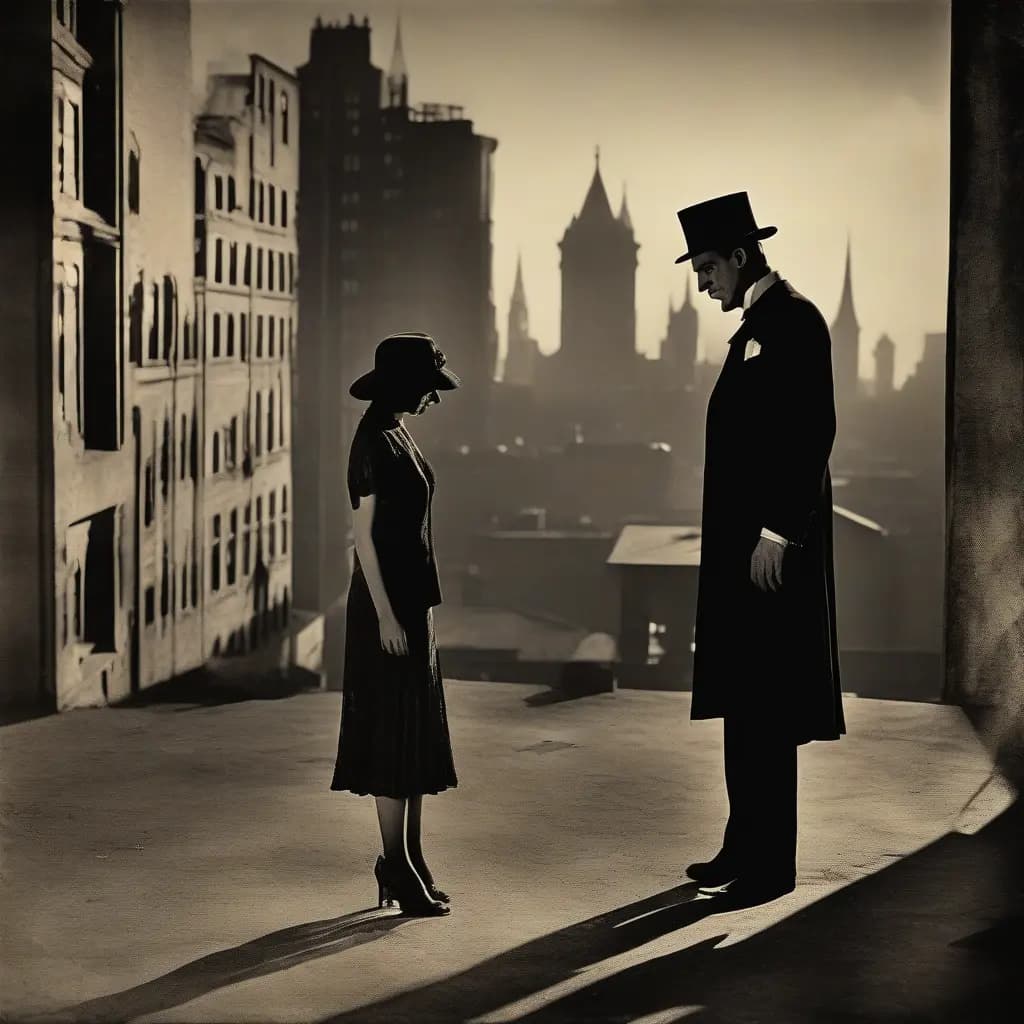
“Long before the '80s yuppie-horror or modern corporate thrillers, the silent era’s obsession with financial predators and class betrayal forged the DNA of the transgressive social outlaw.”
To understand the modern cult of the transgressive anti-hero—those charming sociopaths and desperate outcasts we worship in the dark—one must look past the neon-soaked 1980s and the grit of the 1970s. You have to go back to the flickering, nitrate-scented shadows of the 1910s and 20s. This was an era where the 'Financial Gothic' was born. It wasn't just about men in top hats; it was a visceral, often terrifying exploration of how wealth corrupts the human engine. In these early reels, we find the prototype of the social predator: the man of 'unscrupulous soul' who views the world not as a community, but as a ledger to be balanced in blood. This is where the cult of the social outlaw—the character who must break the law to survive the system—was truly codified.
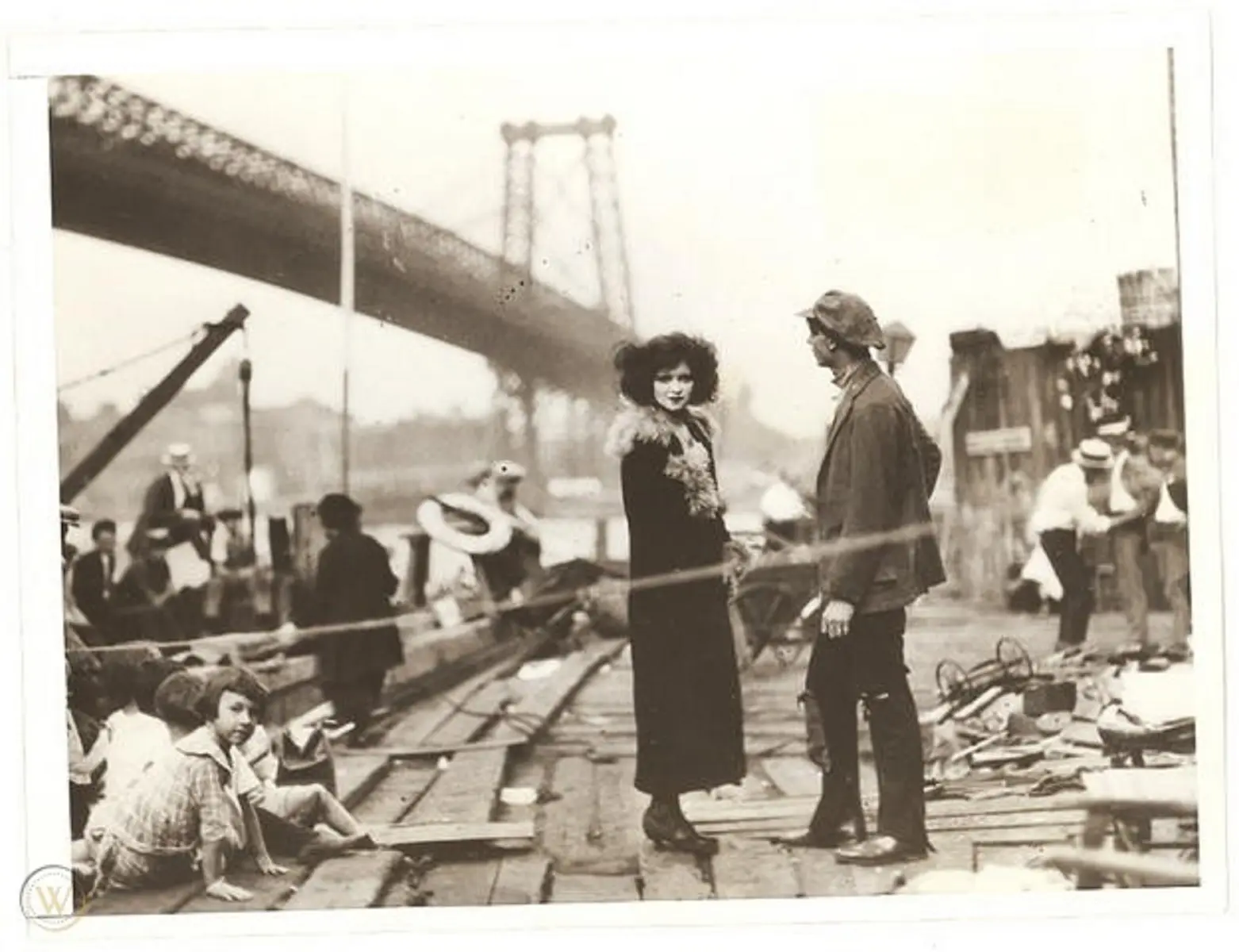
The Architecture of Avarice: The Ryder Archetype
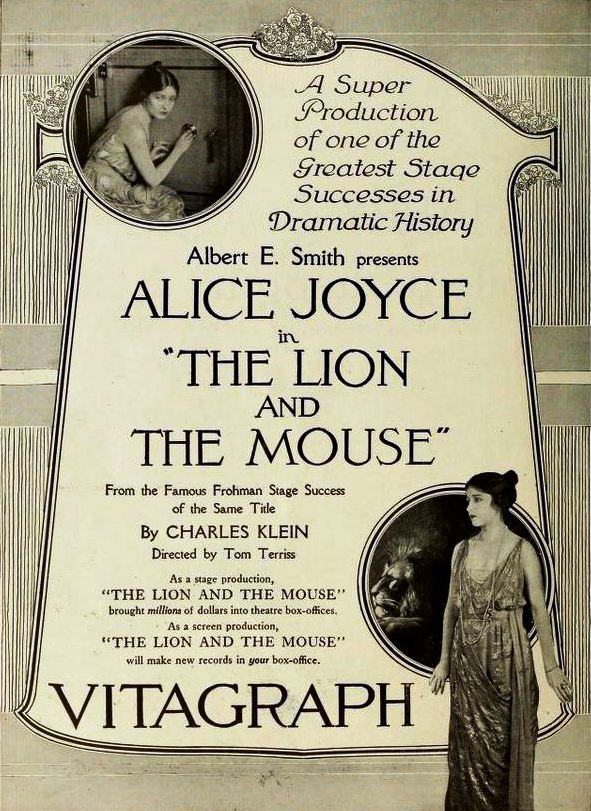
The 1919 production of The Lion and the Mouse presents us with a figure that would become a staple of cult obsession: John Burkett Ryder. Ryder isn't just a businessman; he is a 'master of finance with a boundless desire for wealth.' The film’s description of him as possessing a 'domineering will and an unscrupulous soul' marks him as a proto-villain of the highest order. He doesn't seek money for the sake of luxury, but for the raw, atavistic power it grants over others. This is a foundational theme in what I call the Financial Gothic—the idea that the boardroom is as haunted and dangerous as any crumbling castle.
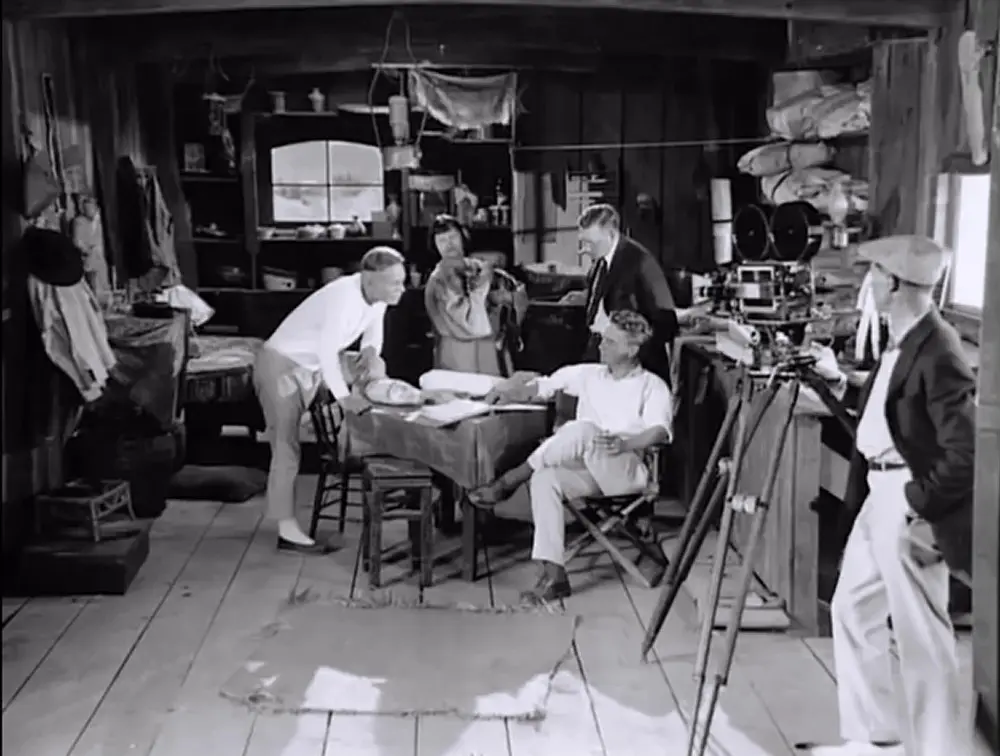
What makes Ryder and his ilk so compelling to the cult spectator is the sheer scale of their transgression. They operate within the law, yet their actions are fundamentally immoral. This creates a vacuum that the 'social outlaw' must fill. When the system is controlled by a 'domineering will' that uses wealth as a weapon, the only protagonist who can challenge them is one who has already been discarded by that system. We see the seeds of the vigilante and the rebel being planted here, in the cold, calculated maneuvers of the Gilded Age elite.
The finance master is the first true monster of the urban age, a predator whose fangs are made of interest rates and foreclosures.
Frontier Greed and the Alaskan Nightmare
While the city had its boardrooms, the wilderness offered a different kind of financial horror. The 1914 adaptation of The Spoilers took the Alaskan gold rush and turned it into a fever dream of greed. This wasn't the sanitized adventure of later Hollywood Westerns; it was a gritty, often brutal look at how the promise of wealth strips away the veneer of civilization. In the frozen North, the 'spoiler' is anyone who would steal another man's claim through legal chicanery or brute force.
Consider the psychological weight of The Master Key, specifically the episode 'Gold Madness.' This isn't just a plot point; it's a diagnosis. The prospectors James Gallon and Wilkerson represent the dual nature of the cult protagonist: one who finds success and immediately hides it, and the other who is driven to the brink of insanity by the mere proximity of wealth. This 'gold madness' is the ancestral root of the obsession-driven characters we see in modern cult classics. It’s the idea that the object of desire—be it gold, drugs, or power—eventually consumes the seeker.
The Mechanics of the Mine
- The mining camp as a liminal space where law is secondary to survival.
- The 'Master Key' as a metaphor for the secret knowledge required to navigate a corrupt world.
- The partner betrayal as the ultimate transgressive act, breaking the primal bond of the frontier.
The Domestic Trap: Class Performativity and the Escort
Cecil B. DeMille’s The Golden Chance (1915) moves the Financial Gothic into the domestic sphere, exploring the performative nature of class. Mary Denby, a seamstress, is forced by her employer to pose as an escort for a millionaire. This is a crucial moment in the evolution of the cult protagonist: the character who must 'perform' a higher class to survive, only to find that the 'golden chance' is a gilded cage.

Mary’s husband, Steve, represents the other side of this coin—the man broken by poverty who turns to blackmail and booze. The film doesn't just judge him; it presents him as a byproduct of a system where wealth is the only measure of worth. This dynamic—the desperate woman caught between a predatory husband and a predatory millionaire—is the blueprint for the 'fallen woman' and 'noir dame' archetypes that would later dominate cult cinema. It’s a story of social survivalism where the protagonist’s body and identity are the only currency they have left.
Similarly, The Empty Cradle explores the cruelty of class abandonment. Alice Larkin, disowned for 'marrying beneath her class,' becomes a symbol of the social pariah. These films weren't just melodramas; they were early indictments of a rigid social hierarchy that forced individuals into transgressive roles just to maintain a semblance of dignity. The 'empty cradle' is a haunting image of what is lost when financial status is prioritized over human connection.
The Rise of the Social Outlaw and the Guide
If the financiers are the predators, who are the heroes? In the silent era, the hero was often the 'Guide' or the 'Outlaw.' In The Fighting Guide, Ned Lightning (impersonating a Lord) must navigate a plot to deprive a woman of her land. This 'impersonation' is key. The cult hero is often a trickster, someone who uses the masks of the elite to dismantle their power from within. Ned isn't a traditional lawman; he is a guide, someone who knows the terrain—both physical and social—better than the predators do.
We see a different version of this in The Duke of Chimney Butte, where a young man selling gadgets becomes a ranch-hand hero. These characters are 'misfits' in the truest sense. They don't fit into the corporate or social structures of the time, so they create their own. This is the essence of the cult mindset: the rejection of the 'official' path in favor of a rugged, often dangerous independence. Whether it’s the guide in the North or the gadget-seller in the West, these characters are defined by their ability to survive outside the financial machines that run the world.
The Outlaw’s Toolkit
- The use of disguise to infiltrate high-society circles.
- A deep knowledge of the 'law of the land' versus the 'law of the books.'
- A refusal to be bought, often at great personal cost.
The Legacy of the Unscrupulous Soul
Why do these silent-era predators still haunt us? Because the Financial Gothic never ended; it just changed its wardrobe. The 'domineering will' of John Burkett Ryder lives on in every corporate villain and high-stakes thriller of the modern era. But more importantly, the 'social outlaw' who rose to meet him—the Mary Denbys and Ned Lightnings—provided the DNA for the transgressive heroes we now celebrate in cult cinema. These were the first characters to realize that in a world governed by greed, the only way to remain human is to become an outcast.
When we watch a film about a rogue hacker or a desperate drifter today, we are seeing the echoes of the 1910s. We are seeing the same 'gold madness' and the same 'unscrupulous souls' that first flickered on nitrate screens a century ago. The silent era didn't just give us the language of film; it gave us the language of our discontent. It taught us to look at the 'masters of finance' not with reverence, but with a wary, cultish suspicion, and to find our heroes among the spoilers and the guides who dare to walk the fringe.
Ultimately, the Financial Gothic of the silent era is a reminder that cinema has always been a weapon. It was a way for the marginalized to see their predators unmasked and to imagine a world where the 'boundless desire for wealth' could be met with an equally boundless desire for justice—even if that justice had to be found in the shadows of the law.
Community
Comments
Log in to comment.
Loading comments…