
Cult Cinema
The Maverick's Midnight Cipher: Unlocking the Primal Rebellion and Subversive DNA of Cinema’s Earliest Genre Outliers
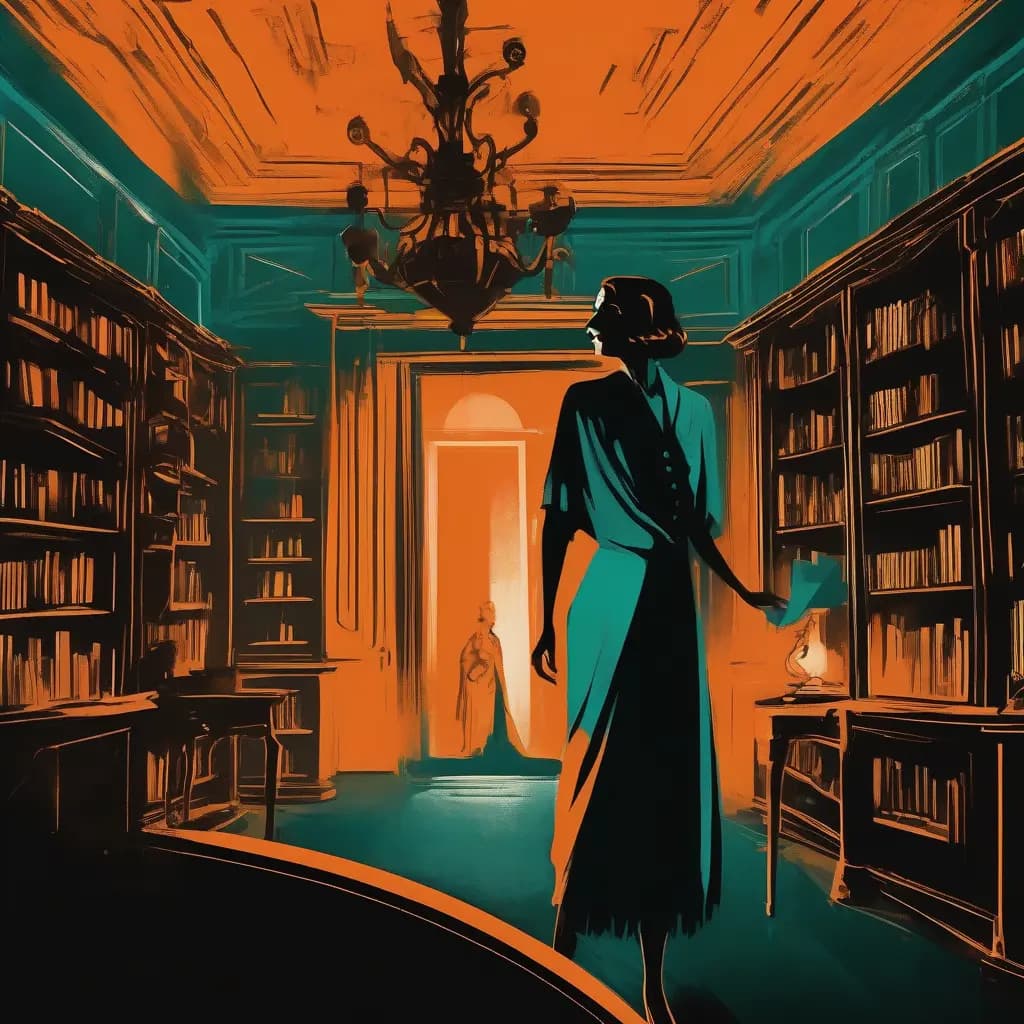
“A deep dive into how the silent era's most daring experiments and social transgressions laid the genetic foundation for modern cult cinema.”
The history of cinema is often written by the victors—the blockbusters, the polished epics, and the studio-sanctioned masterpieces. But beneath the surface of the mainstream lies a dark, roiling ocean of the unconventional. Long before the 1970s birthed the 'Midnight Movie,' a secret lineage of cinematic rebellion was already taking shape in the flickering shadows of the silent era. From the psychological torment of Silnyi chelovek to the social defiance of The Rage of Paris, these early works established the genetic code for what we now celebrate as cult cinema. To understand the modern obsession with the 'fringe,' we must first decode the primal rhythms of these early outliers.
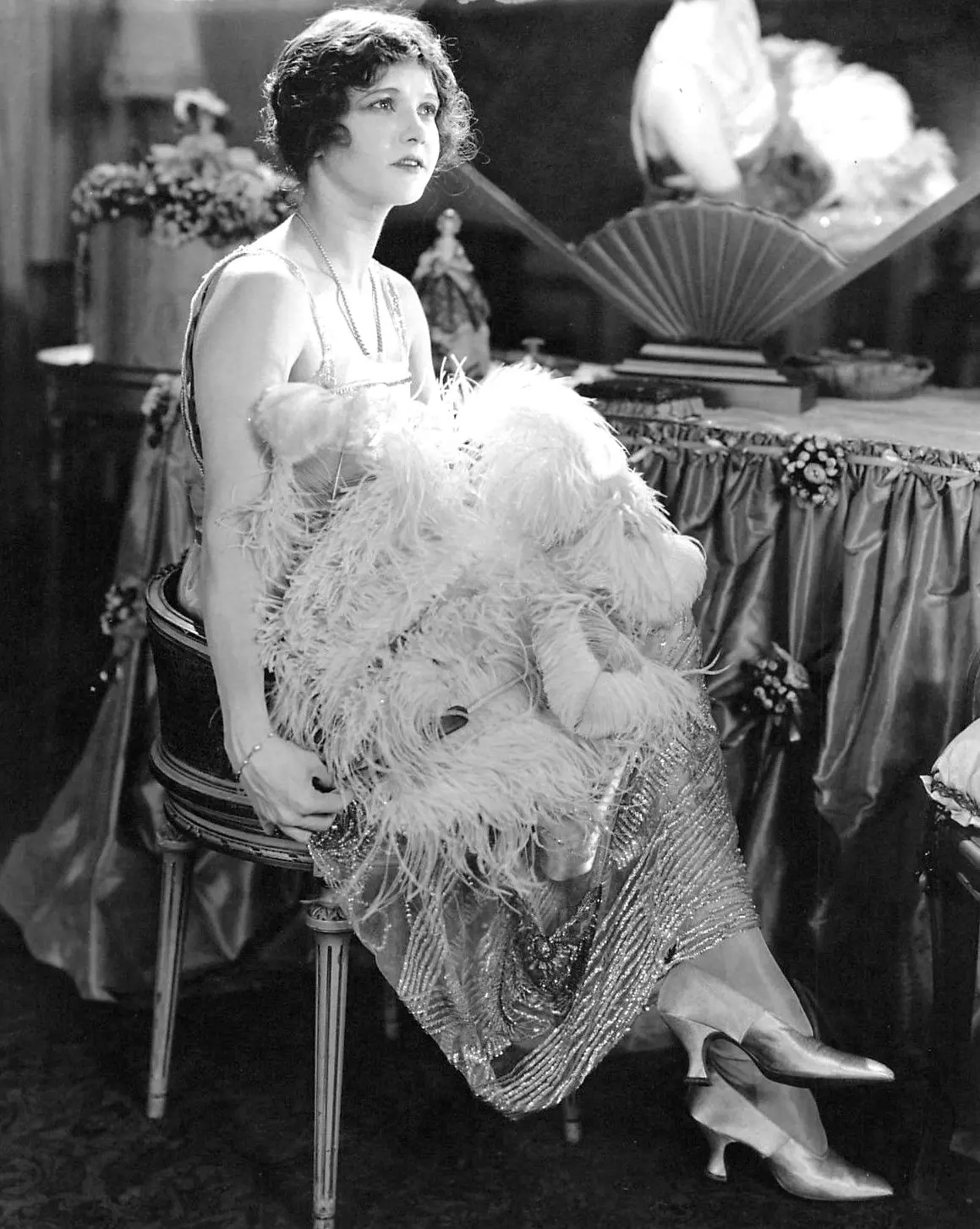
The Transgressive Spark: Escaping the Domestic Trap
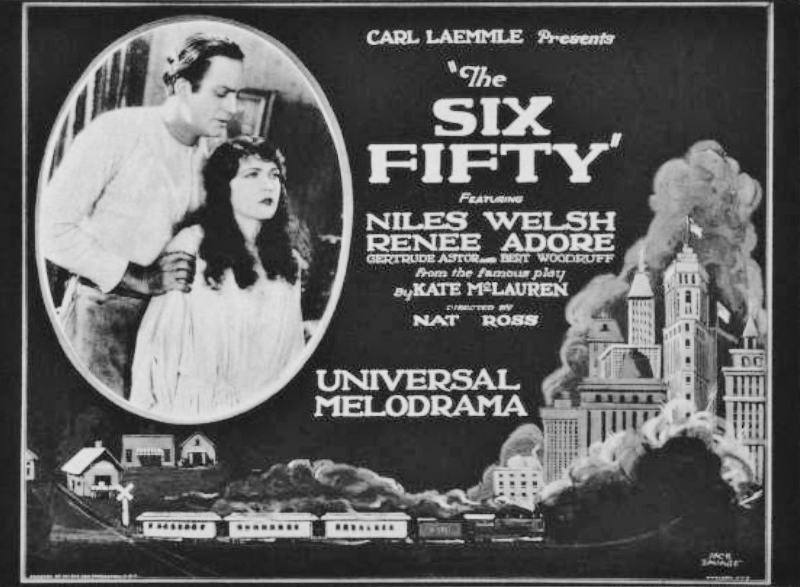
At the heart of every cult film lies a desire to escape. Whether it is a literal escape from a physical prison or a metaphorical flight from the drudgery of societal expectations, the theme of the 'outlier' is foundational. Consider the 1923 drama The Six-Fifty. On its surface, it is a story of a farmer's wife bored with country life, longing for the city. Yet, in the context of cult cinema, it represents the archetypal yearning for 'The Other.' This same restless spirit drives Nick Fowler in New York Luck, as he boards a train to witness a world far beyond his narrow horizon. These films were the early blueprints for the 'road movie' and the 'urban odyssey,' genres that would later be populated by the misfits and wanderers of the 1960s.
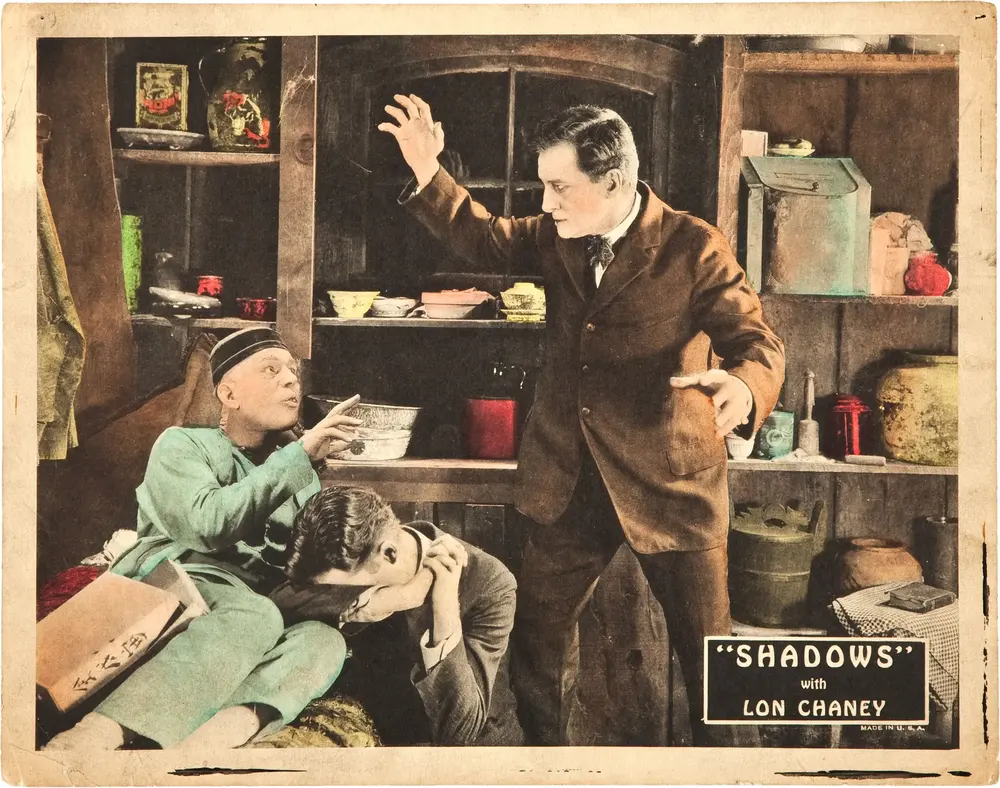
This defiance often took a more radical form in films like The Rage of Paris (1921). When Joan Coolidge flees a brutal marriage to become the 'Rage of Paris,' she isn't just a character in a drama; she is a transgressive icon. She rejects the 'loveless marriage'—a staple of Victorian morality—and carves out a new, albeit scandalous, identity. This narrative of self-reinvention through social exile is a heartbeat that still pulses through the veins of modern independent film. Similarly, Eve's Daughter showcases a heroine who, upon inheriting a meager fortune, decides to have a 'fling' rather than settle into the domesticity expected of her. These characters were the early ancestors of the 'rebel without a cause,' challenging the status quo long before the term was even coined.
The Darker Side of the Human Condition: Anthology and Obsession
If cult cinema is defined by its willingness to look into the abyss, then Leaves From Satan's Book (1920) is its primary scripture. Directed by Carl Theodor Dreyer, this episodic masterpiece explores human suffering through the lens of temptation and betrayal across history. It is a precursor to the dark anthology films that would later dominate the horror and fantasy landscape. By weaving together the temptation of Jesus, the Inquisition, and the French Revolution, Dreyer created a tapestry of existential dread that feels remarkably modern. It is a film that refuses to offer easy comfort, much like the challenging works of David Lynch or Alejandro Jodorowsky.

The Psychology of the Macabre
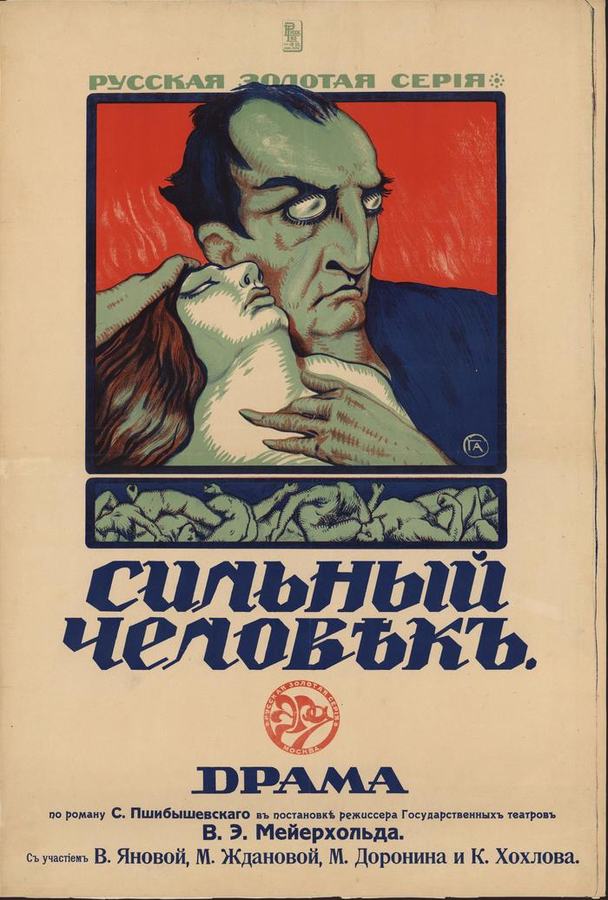
Obsession is another cornerstone of the cult ethos. In Die schwarze Pantherin (1921), we see the world of 'primitivism' through the eyes of a young painter whose work is discovered by a predatory art agent. The film explores the thin line between artistic genius and psychological collapse, a theme echoed in Silnyi chelovek (1917). The latter, a story of a writer who murders his friend to steal a manuscript, is a chilling dive into the moral bankruptcy of the creative ego. These films didn't just tell stories; they explored the 'shadow self,' inviting the audience to empathize with the monster—a hallmark of the cult experience.
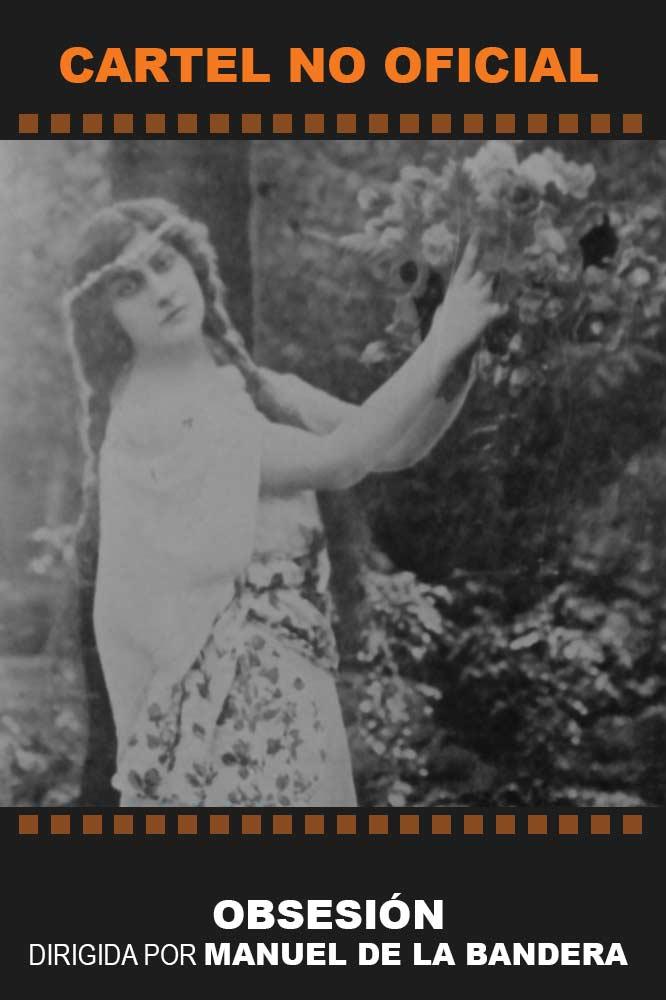
Even the aesthetic choices of these early films were subversive. The hunchbacked artist in The Fox Woman (1915) or the mysterious allure of the courtesan in Thais (1917) provided a visual language for the 'grotesque' and the 'exotic.' These were films that dared to center the marginalized, the physically different, and the morally ambiguous. In doing so, they created a space for the 'other' in the cinematic landscape, a space that would eventually grow into the vast, inclusive world of midnight movie fandom.
Taboo and the Forbidden: The Birth of the 'Underground'
Perhaps the most direct link to the cult phenomenon is the 'forbidden' film. Before the ratings board and the Hays Code fully took hold, there were films like Fit to Win (1919). Originally produced by the U.S. government to educate soldiers about venereal disease, it became a sensation for its frank (and for the time, shocking) depictions of forbidden subject matter. It was, in many ways, the first 'exploitation' film—a work that drew audiences specifically because of its taboo status. This legacy of the 'forbidden' is what drives the underground tape-trading circles and the deep-web archives of today.
Social justice and the critique of institutional cruelty also played a role in the early fringe. The Honor System (1917) and The Celebrated Stielow Case (1916) were not just entertainments; they were indictments of a corrupt legal system and the inhumane treatment of prisoners. The Honor System, set in the brutal Yuma Territorial Prison, utilized the cinematic medium to spark real-world conversation about reform. These films proved that cinema could be a weapon, a tool for the renegade storyteller to challenge the powers that be. This spirit of 'film as protest' is a vital component of the cult tradition, from the punk-inflected cinema of the 80s to the radical documentaries of the present.
Gender, Identity, and the Subversive Performance
Gender-bending and the subversion of identity have always been part of the cult DNA. In The Oakdale Affair (1919), the protagonist Gail Prim cuts her hair and dresses in her butler's clothes to escape an unwanted marriage. This early example of 'drag' as a tool for liberation predates the more famous gender-bending of the 1930s and the radical queer cinema of later decades. Similarly, The Shadow of Rosalie Byrnes (1920) uses the trope of the twin sisters—one a 'self-centered actress' and the other a 'compassionate artist'—to explore the performative nature of femininity. By highlighting the duality of identity, these films questioned the rigid roles assigned to women in early 20th-century society.
The Bizarre and the Ethereal: Forging the Fantasy Soul
Cult cinema often thrives in the realm of the 'weird'—the supernatural, the surreal, and the inexplicable. One Glorious Day (1922) offers a fascinating example, telling the story of a disembodied spirit named Ek who sneaks off to Earth to inhabit a body before his time. It is a whimsical, yet deeply strange, exploration of life and the cosmos. This kind of narrative anarchy—where the rules of reality are suspended—is exactly what draws fans to films like Eraserhead or The Rocky Horror Picture Show. The early pioneers were not afraid to experiment with fantasy, as seen in the Pisa-set historical drama The Gorgona (1915) or the mystical undertones of The Man Who Saw Tomorrow (1922), where a professor uses psychology and foresight to influence a man's romantic destiny.
These films also embraced the 'spectacle' of the unknown. Vengeance of the Deep (1923), with its South Sea island setting and pearl-diving drama, offered an escape into a world of 'exotic' danger. While modern audiences might critique the colonialist lens of such works, their role in establishing the 'adventure' and 'fantasy' tropes of cult cinema is undeniable. They provided the visual escapism that would later be refined by the B-movies of the 50s and the high-concept cult classics of the 80s. Even the documentary I fjällfolkets land: Dagar i Lappland (1924) contributed to this by offering a window into a way of life (the Sámi people) that was entirely foreign and 'other' to the mainstream European audience, satisfying the cult viewer's hunger for the authentic and the unmapped.
The Legacy of the Forgotten: Why These Reels Still Matter
Why do we continue to dig through the 'unmapped vaults' of the silent era? It is because these films represent a time of pure, unadulterated cinematic discovery. Before the industry became a rigid machine, it was a wild frontier where a film about a 'fourteenth lover' (Fourteenth Lover, 1922) or a man mistaken for an escaped convict (Shine 'em Up!, 1922) could be as vital as a biography of Disraeli. These 'misfit reels'—from the Western-action of The Vengeance of Pierre to the short-form comedy of Business Is Business—remind us that the heart of cinema has always been the 'outsider.'
The cult movie is not a modern invention; it is a recurring phenomenon that emerges whenever the mainstream becomes too predictable. The early genre mutants like The Cheat or Shadows of Suspicion were the first to prove that audiences didn't just want comfort—they wanted to be challenged, shocked, and transported. They wanted to see the unconventional. As we look back at these forgotten gems, from the melodrama of The Broken Violin to the historical sacrifice in The Symbol of Sacrifice, we see the sparks of a fire that still burns today. The midnight mind was born in the silent era, and its liturgy is written in the silver grains of these original, unruly masterpieces.
In conclusion, the journey from The Outsider to the modern cult icon is a straight line of rebellious intent. By revisiting the 'original deviants' of the early 20th century, we don't just learn about film history; we learn about ourselves. We learn why we are drawn to the fringe, why we worship the misunderstood, and why the 'midnight' soul of cinema will never truly fade to black. The maverick's cipher is still being decoded, one flickering frame at a time.
Community
Comments
Log in to comment.
Loading comments…