
Cult Cinema Deep Dive
The Nocturnal Blueprint: How Silent Era Anomalies and Moral Misfits Forged the Modern Cult Identity

“Explore the hidden roots of cult cinema through the transgressive stories and visual experiments of the early 20th century, where social outcasts and narrative mutants first challenged the mainstream.”
The term cult cinema often conjures images of 1970s midnight screenings, glitter-drenched musicals, or low-budget horror flicks. However, the genetic code of the cinematic misfit was written much earlier, in the flickering shadows of the silent era. Long before the term 'cult' was codified, filmmakers were already experimenting with the transgressive, the surreal, and the socially radioactive. These early works, often dismissed as mere curiosities or genre experiments, established the Nocturnal Blueprint for every underground masterpiece that followed.
The Genesis of the Cinematic Outlaw
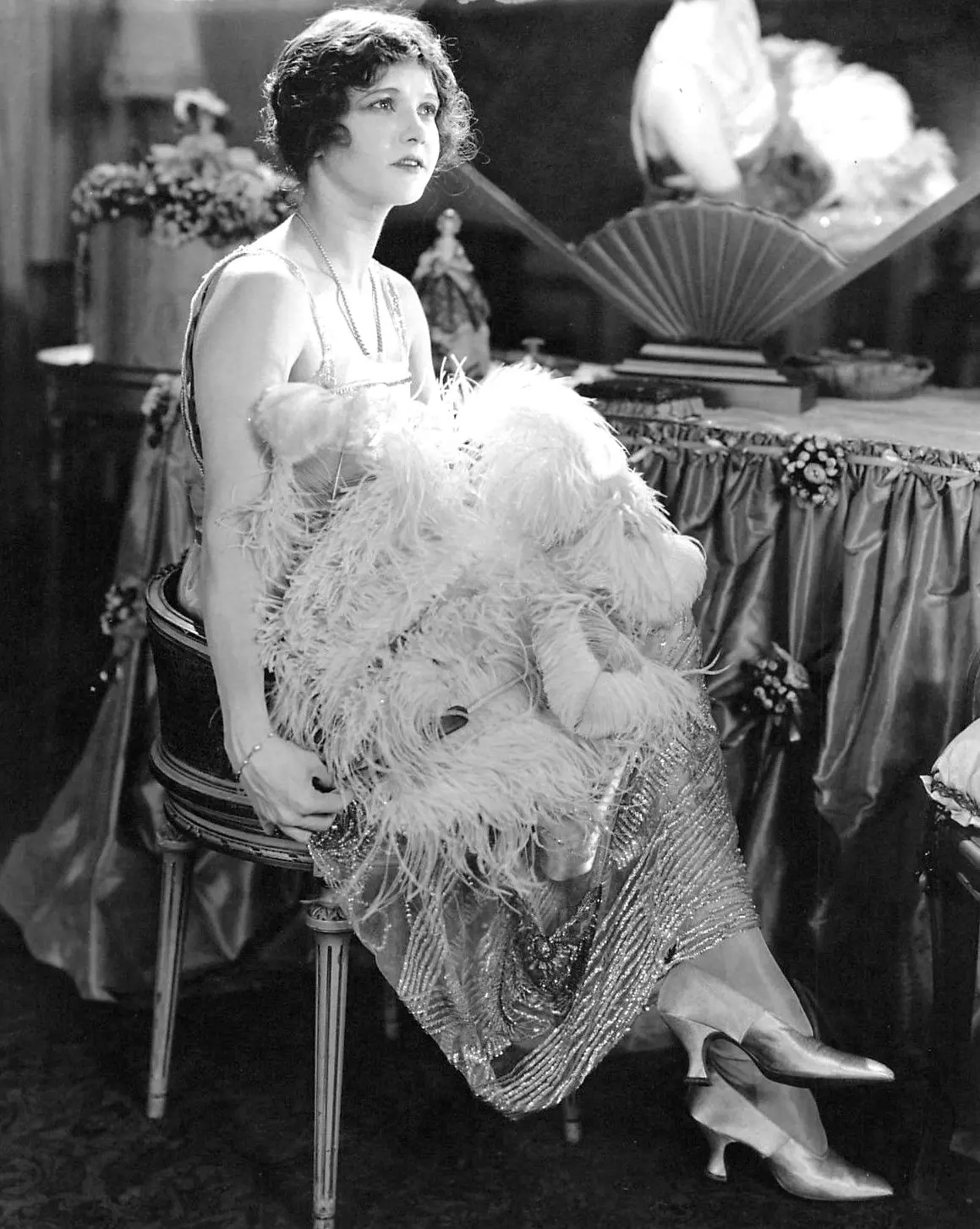
At its core, cult cinema is the art of the outlier. It is a space for narratives that refuse to fit into the polite boxes of commercial entertainment. In the early 1910s and 20s, this rebellion manifested in stories of social exile and moral ambiguity. Take, for instance, The Squaw Man (1914). While it is often cited for its historical significance in the birth of Hollywood, its narrative of a British officer taking the fall for a cousin's embezzlement and fleeing to the American West is a classic template for the cult protagonist: the misunderstood man operating on the fringes of society.
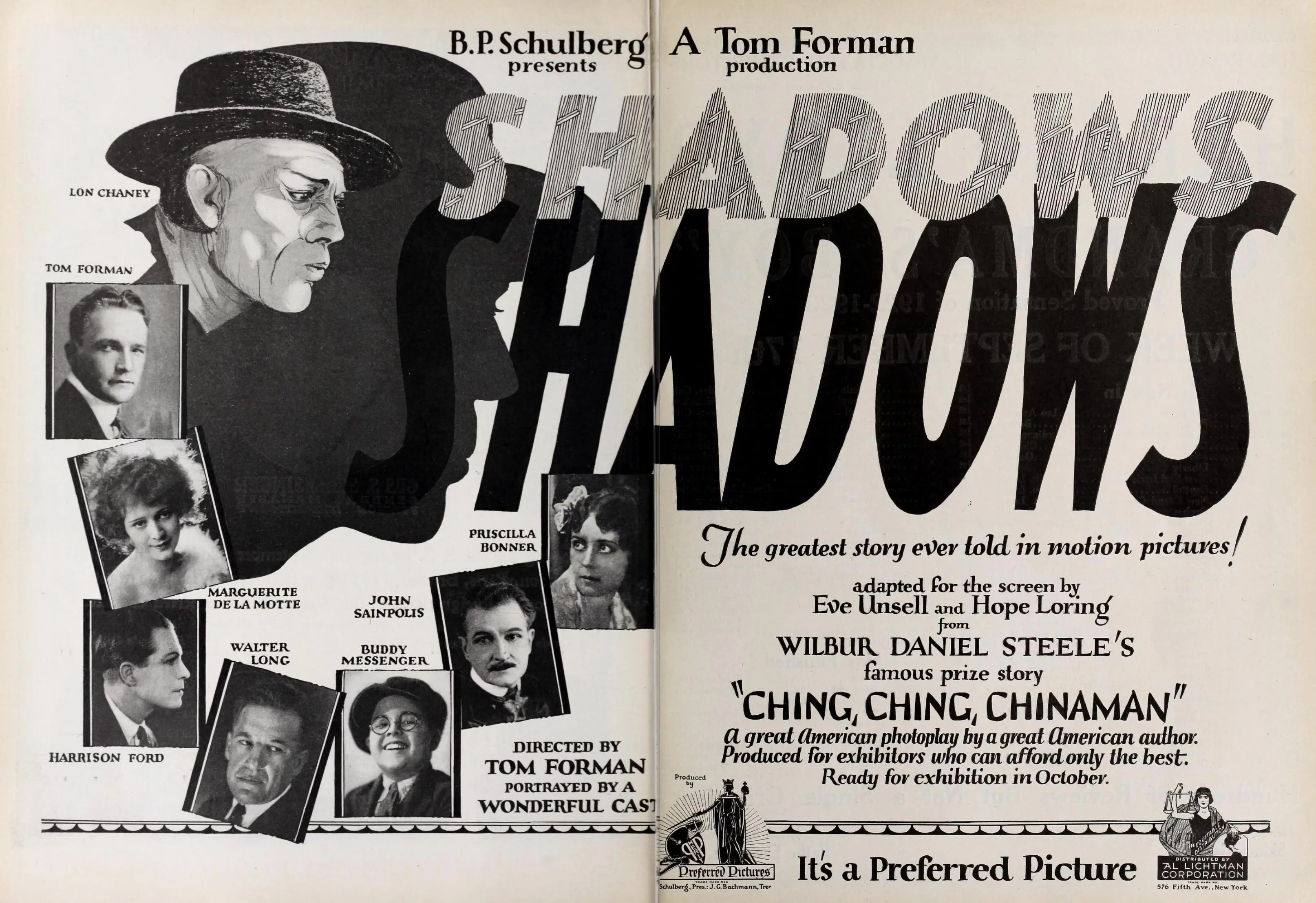
This theme of the social pariah is echoed in Black Sheep, where the conflict between cattlemen and sheepherders becomes a backdrop for a story of internal exile and the defense of the marginalized. These films didn't just tell stories; they mirrored the anxieties of a rapidly changing world, providing a sanctuary for the 'black sheep' of the audience who felt out of step with the burgeoning industrial age.
Transgression as Narrative Engine
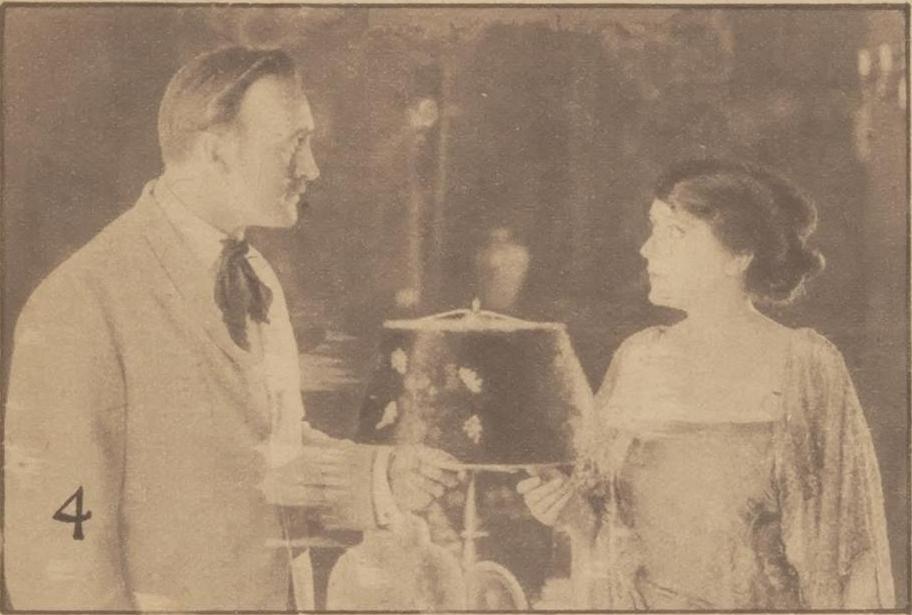
If the mainstream seeks comfort, the cult seeks friction. The early 20th century was rife with films that pushed the boundaries of what was 'acceptable' on screen. Consider the dark irony of Who Shall Take My Life?, a film that explores the terrifying possibility of judicial murder. A man is executed based on circumstantial evidence, only for his 'victim' to be found alive and working as a prostitute. This level of cynicism and narrative subversion is a direct ancestor to the neo-noir and psychological thrillers that define the cult canon today.

Similarly, The Soul of a Magdalen delves into the desperate survival of Heloise Broulette, who becomes a mistress to save her family. These stories of moral complexity and the 'fallen woman' provided a stark contrast to the saccharine romances of the era. They were the transgressive seeds that would eventually bloom into the grit and grime of the 1970s grindhouse movement. They challenged the viewer to find empathy in the 'unclean' and the 'unforgiven,' a hallmark of cult devotion.

The Surrealist Spark and Visual Anarchy
Cult cinema is also defined by its visual language—a language that often defies logic and gravity. The surrealist impulse can be found in the early works of masters like Buster Keaton. In One Week (1920), the simple act of building a house becomes a nightmare of distorted geometry and physical impossibility. The sabotaged kit numbers result in a structure that looks more like a Dadaist sculpture than a home. This visual anarchy is a precursor to the dreamscapes of David Lynch or the frantic energy of Terry Gilliam.
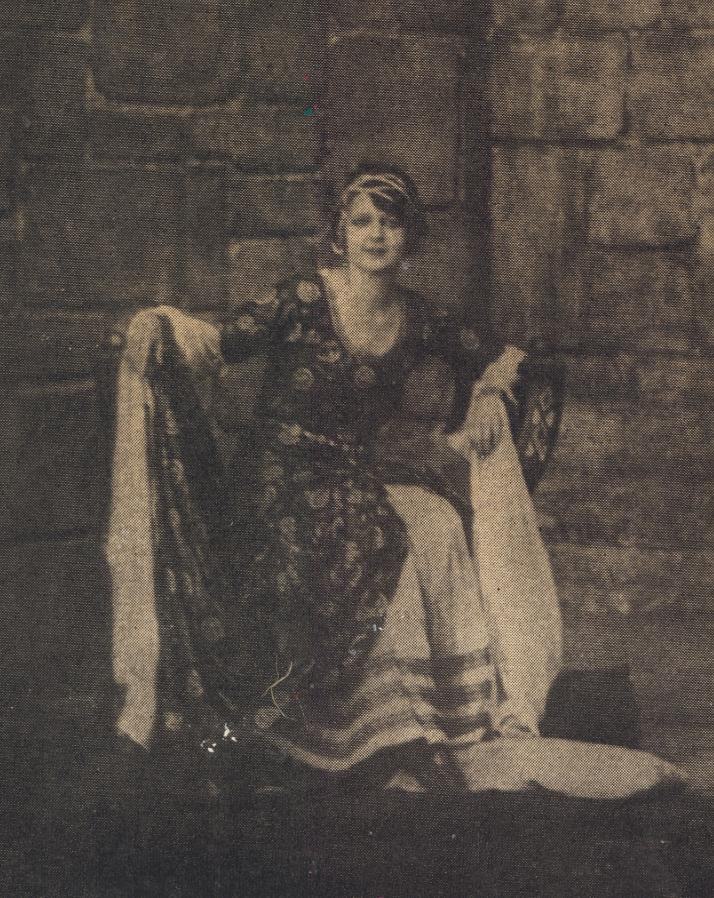
The animation world also contributed to this early weirdness. The Clown's Little Brother, featuring Max Fleischer's Koko the Clown, broke the fourth wall and played with the reality of the medium itself. When Koko’s brother wreaks havoc in the real-world studio, it challenges the audience's perception of what is 'real' on screen. This meta-textual playfulness is a cornerstone of cult fandom, which often delights in the deconstruction of the cinematic artifice.
The Experimental Frontier: From Earth to Mars
Cult cinema has always been a home for the 'what if?'—the speculative and the strange. Hello, Mars! represents the early cinematic fascination with the extraterrestrial and the unknown. These short, often comedic glimpses into the future or the cosmos laid the groundwork for the sci-fi cult classics of the 1950s. They tapped into a primal curiosity about our place in the universe, a theme that continues to resonate in films like 2001: A Space Odyssey or Under the Skin.
On the other end of the spectrum, Kino-pravda no. 3 by Dziga Vertov pushed the boundaries of the documentary. By attempting to capture 'film truth,' Vertov and his team created a rhythmic, experimental style of editing that felt alien to the theatrical conventions of the time. This commitment to a singular, often abrasive vision is exactly what draws a 'cult' following—a group of devotees who value the raw authenticity of the creator over the polished finish of the studio system.
The Architecture of the Abnormal
Why do we worship the abnormal? Films like Barnaby Rudge, with its focus on a murderer’s 'idiot' son caught in the gears of religious rioting, or Silas Marner, depicting the descent of a kind man into a bitter miser, offer a mirror to the fractured human psyche. Cult cinema thrives in these fractures. It explores the 'unprotected' (as seen in the film Unprotected) and the neglected, turning the spotlight on those the world would rather forget.
In Destruction, we see the archetype of the femme fatale in its early, lethal form. Fernande’s schemes to secure wealth through death and her subsequent attempts to eliminate her stepson provide a blueprint for the ruthless anti-heroes that audiences love to hate. This fascination with the moral mutant—the character who operates entirely outside of conventional ethics—is a defining trait of the cult experience. We are drawn to these characters because they act out our darkest impulses with total impunity.
Global Misfits and the Universal Language of the Fringe
The cult phenomenon was never limited to one country. The silent era was a truly international playground for the strange. From the Danish adaptation of Dickens in Vor fælles Ven to the French drama Le nabab, filmmakers across the globe were exploring similar themes of social climbing, betrayal, and the struggle of the individual against the collective. Moon Madness, with its story of a French girl raised by Bedouins and her longing for a lost heritage, speaks to the universal cult theme of the displaced soul.
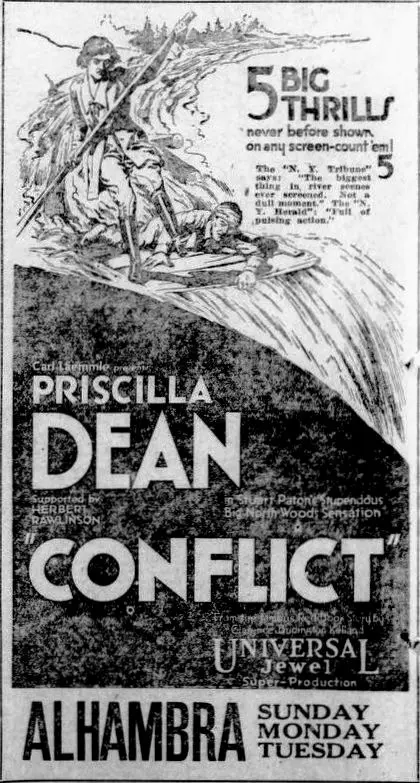
Even the Western genre, so often associated with American exceptionalism, found room for the unconventional. The White Scar and The Law of the North brought a sense of bleakness and survivalism to the frontier that predated the 'acid westerns' of the 1960s. These films portrayed the wilderness not just as a place of adventure, but as a crucible that stripped men down to their most primal, and often most ugly, selves.
The Enduring Legacy of the Early Misfit
As we look back at these forgotten reels—the stories of The Captive, where a Turk and his captor find common ground, or Through Dante's Flames, where a sister must navigate the underworld of counterfeiters—we see the foundations of modern fandom. These films were the first to prove that a movie doesn't need to be a massive hit to be immortal. It only needs to speak to the specific, often peculiar needs of a dedicated few.
The Nocturnal Blueprint remains unchanged. Whether it is the surreal comedy of Pure and Simple or the high-stakes drama of The Burden of Proof, the ingredients of cult cinema have always been the same: a rejection of the status quo, a fearless embrace of the 'weird,' and a deep empathy for the outsider. These early cinematic anomalies didn't just invent the cult movie; they invented the cult mindset—a way of seeing the world through the grain of the film and the shadows of the screen, finding beauty in the broken and the bizarre.
In the end, every midnight movie regular and every collector of obscure boutique Blu-rays owes a debt to these early pioneers. They were the original genre rebels, the first to realize that the most interesting stories are often the ones told in the dark, far away from the blinding lights of the mainstream marquee. The silent fever they ignited continues to burn in every frame of film that dares to be different.
Community
Comments
Log in to comment.
Loading comments…